Quick Facts
- Energy Yield: Integrated panels often yield only 0.8 to 1.5 watt-hours per day of usable energy.
- Charging Time: Recharging a solar power bank 20000mah can take 50-70 hours of direct, peak sun exposure.
- The Heat Paradox: Internal temperatures can reach 150°F, which may trigger safety shut-offs and degrade lithium polymer cells.
- Surface Area Factor: Multi-panel foldable solar power bank designs are up to 7x more efficient than single-panel units.
- Optimal Usage: These devices are best used as a supplemental top-up or for emergency preparedness rather than a primary charging method.
- Angle Impact: Correctly angling your device toward the sun can increase energy capture by 20% to 30%.
Solar power banks charge slowly because their integrated photovoltaic panels are small and have limited energy conversion rates. A single-panel model may generate only 0.8 to 1.5 watt-hours of energy per day, which is a fraction of what modern smartphones require. Environmental factors such as dust, partial shade, and variable sunlight intensity further reduce efficiency, making solar charging most effective as a supplemental backup rather than a primary power source.
The Real Math: Why Your Solar Power Bank is Slow
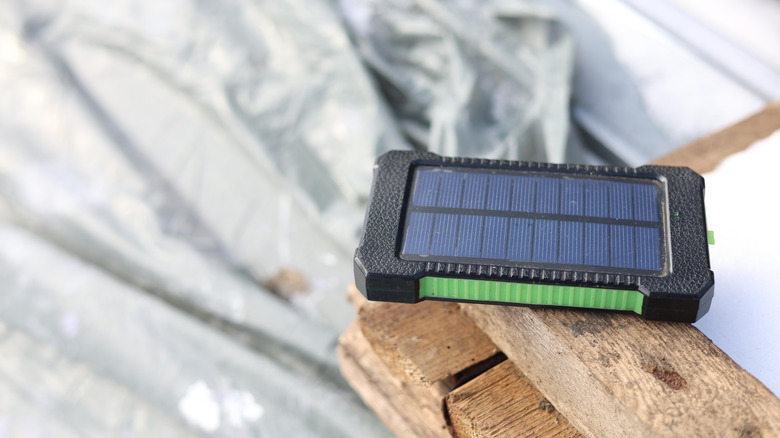
As a mobile gear editor, I frequently receive emails from frustrated campers asking why their brand-new charger barely moved the needle after eight hours in the sun. To understand why solar power bank performance often feels like a letdown, we have to look at the "Math of Inefficiency." Most integrated panels are roughly the size of a smartphone, providing about 1.5 to 2 watts of theoretical output under laboratory conditions (STC). In the real world, this is much lower.
The time required to fully charge a solar power bank from empty varies significantly by panel surface area and sunlight conditions. For a standard solar power bank 20000mah unit, solar charging alone can take 20 to 50 hours or even several days of direct exposure. When we look at the numbers, recharging a solar power bank 10000mah using only its integrated solar panel typically requires approximately 30 hours of uninterrupted direct sunlight, while a solar power bank 20000mah model can take between 50 and 70 hours.
| Feature | Manufacturer Claim (STC) | Real-World Performance |
|---|---|---|
| Output (Single Panel) | 2.5W - 3.0W | 1.0W - 1.5W |
| Daily Energy Yield | 10-15Wh (8 hours) | 0.8-1.5Wh |
| Charge Time (20k mAh) | 10-15 Hours | 50-70 Hours |
| Charging Efficiency | 22-24% efficiency | 10-15% (Environmental) |
| Max Temperature | 110°F Operating | 150°F Surface Temp |
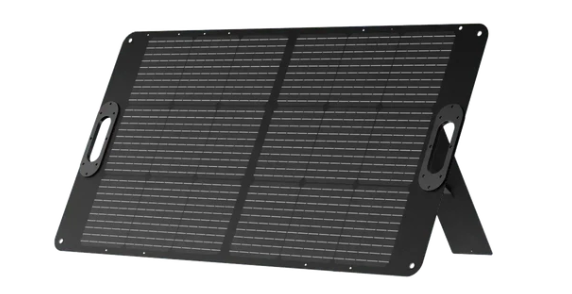
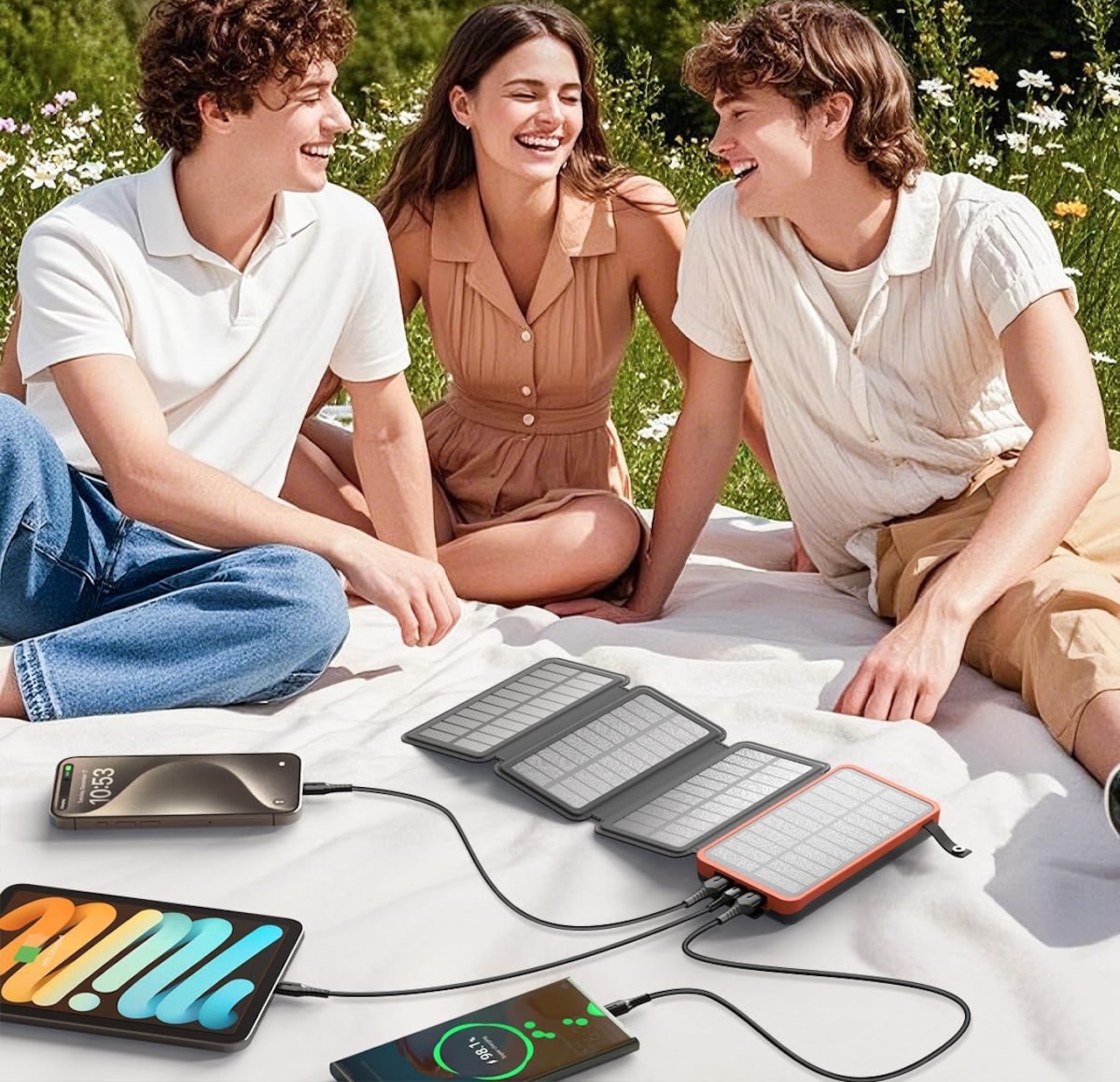
Modern smartphones like the iPhone 15 or 16 require approximately 12 to 15 watt-hours for a full charge. If your solar device only generates 1.5 watt-hours a day, you would need ten full days of perfect sun just to charge your phone once. This is the physiological limit of a small photovoltaic footprint. This is why a foldable solar power bank is almost always a better choice for off-grid sustainability; by increasing the surface area, these units can restore 25% to 50% of their capacity in a single day, simply because they have more "eyes" open to catch the light.
The Heat Paradox: Solar Exposure vs. Battery Health
There is a fundamental irony in solar charging: the very sunlight required to generate power is the greatest threat to the internal lithium polymer cells. Most portable chargers use lithium polymer technology because it is lightweight and energy-dense, but these batteries are notoriously heat-sensitive. When you leave your charger in direct sunlight, the dark surface of the panel absorbs heat rapidly.
Internal temperatures can exceed 150°F, especially if the unit is placed on a non-ventilated surface like a car dashboard or a dark rock. High heat triggers the internal thermal management systems, and the built-in charge controller may throttle or entirely shut down the charging process to prevent the battery from swelling or catching fire. This creates a "Solar Gap" where the panel is generating energy, but the battery refuses to accept it for safety reasons.
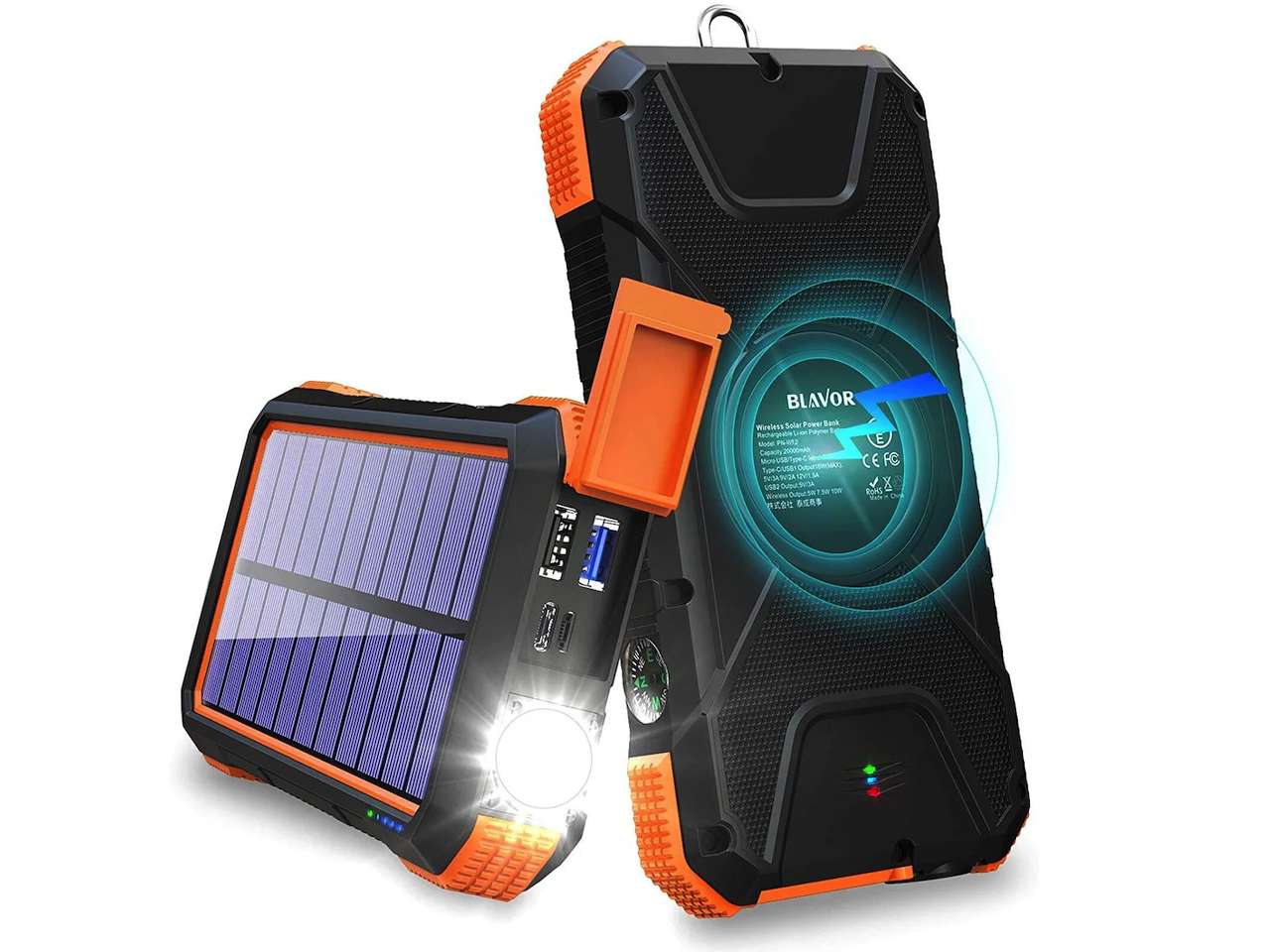
Furthermore, chronic exposure to temperatures above 113°F (45°C) significantly harms the battery lifespan. Over time, the chemical electrolyte inside the cells begins to break down, resulting in a permanent loss of capacity. If you have been wondering why solar power bank units seem to lose their ability to hold a charge after a few months of heavy use, solar power bank overheating issues are likely the culprit. To mitigate this risk, some rugged models like the blavor solar power bank incorporate reinforced casings and more advanced thermal sensors, but the physics of heat remains a constant challenge.
Practical Tips for Realistic Performance
If you intend to use a solar power bank for emergency preparedness or as part of your camping gear essentials, you need to optimize every minute of sunlight exposure intensity. It is not as simple as setting it down and walking away. Here is how to maximize your off-grid energy harvest:
- Strategic Angling: Do not lay the panel flat on the ground. Strategically adjusting the angle and direction of a solar panel to face the sun directly throughout the day can increase its charging capacity by 20% to 30%. As the sun moves, you should re-adjust the orientation every two hours.
- Surface Cleaning: Dust, pollen, and fingerprints can reflect light away from the cells. Even a thin layer of grime can reduce performance by 10%. Wipe the panel with a microfiber cloth daily.
- Airflow is Critical: To combat solar power bank overheating issues, never place your charger against the glass of a window or on the hot dashboard of a car. Use a clip to hang it so that air can circulate behind it, helping with thermal management.
- Peak Sun Hours: Energy conversion rate drops off sharply outside of peak hours (usually 10 AM to 4 PM). Do not expect significant gains during the "golden hour" or when the sky is overcast. In fact, the efficiency of solar panels used in portable chargers can decline by 30% to 50% in cloudy conditions or partial shade.
- Using Solar as a Supplement: Treat the solar panel as a "trickle charger." Charge the device to 100% at home via a wall outlet using modern power delivery standards. While hiking, leave the panel exposed to maintain that level or provide a slow emergency top-up.
When charging solar power bank in direct sunlight tips are followed carefully, these devices transform from frustrating novelties into reliable backup solutions for remote treks. They are not meant to replace your wall charger; they are your insurance policy when the grid is out of reach.
Capacity vs. Portability: 10000mAh vs 20000mAh
When choosing between a solar power bank 10000mah and a solar power bank 20000mah, the solar charging aspect becomes even more complicated. A larger capacity battery requires more energy to reach full status, but if the panel size remains the same, the charging time grows exponentially.
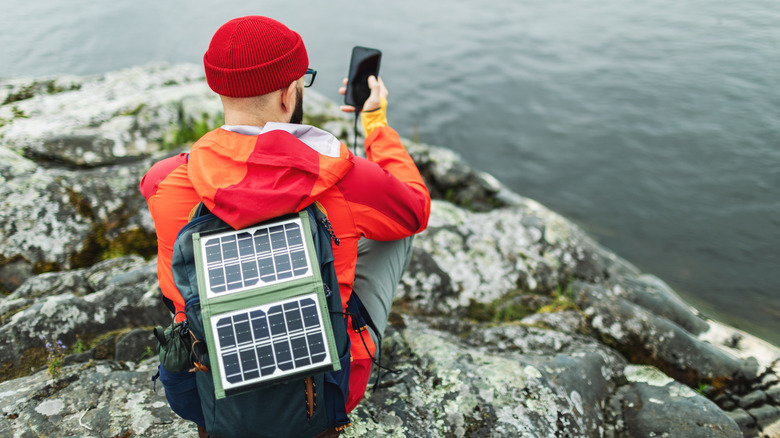
A 10000mah unit is often the "sweet spot" for weekend hikers. It is light enough to carry on a pack and can be reasonably topped up by light during a long day on the trail. In contrast, a 20000mah unit provides enough power for multiple phone charges or even tablets, but if you rely solely on the sun, you might be waiting a week for a full recharge. For those using solar power bank as backup solutions in disaster prep kits, the higher capacity is better, provided you also have a larger foldable solar power bank array to plug into it.
Important Note: Travelers should be aware of TSA and FAA regulations regarding lithium batteries. Most airlines limit portable energy storage to 100Wh per battery without prior approval. For a 3.7V battery, this equals approximately 27,027mAh. Most 20000mah units are well within this limit, but 50000mah units will almost certainly be confiscated at security.
When evaluating these devices, also look for modern power delivery standards like USB-C PD. Even if the solar input is slow, you want the output to be fast when you finally plug your phone in. High-quality lithium polymer cells coupled with a smart charge controller will ensure that the limited energy you harvest is delivered as efficiently as possible.
FAQ
Are solar powerbanks worth it?
They are worth it if you have realistic expectations. They are excellent emergency tools and "peace of mind" devices for outdoor enthusiasts. However, if you are looking for an everyday primary charger, a high-quality standard power bank and a wall adapter are more efficient and cost-effective.
Is there a solar power bank that actually works?
Yes, many models work well as hybrid devices. Brands like blavor solar power bank have built a reputation for durable designs that handle the rugged conditions of hiking. The key is understanding that the "solar" part is secondary to the pre-charged battery capacity.
What is the disadvantage of a solar power bank?
The primary disadvantages are slow charging speeds, vulnerability to heat damage (the heat paradox), and increased weight compared to non-solar units. They also require direct sunlight; they won't charge effectively behind window glass or in the shade.
Should I buy 10,000mAh or 20,000mAh?
Buy a 10,000mAh model for day hikes and light travel where weight is a concern. Choose a 20,000mAh model for long camping trips, disaster kits, or if you need to charge multiple devices, keeping in mind it will take much longer to recharge via solar.
How long will a 50000mAh power bank last?
A 50,000mAh power bank can typically recharge a standard smartphone 10 to 12 times. However, these units are very heavy and are generally not allowed on commercial flights. Recharging a unit of this size solely through a small built-in solar panel could take several weeks of consistent sunlight.
In summary, the why solar power bank charges slowly question comes down to simple physics: small panels yield small amounts of power. By treating these devices as emergency insurance and using the performance tips mentioned above, you can turn a slow charger into a valuable part of your mobile gear kit. Stick to a hybrid strategy—charge 90% via the wall before you leave, and let the sun handle the remaining 10% when you're truly off the grid.