Quick Facts
- Methodology: Combine built-in AV receiver software with curated media for a professional result.
- Industry Standout: The 5.1.2 configuration remains the "sweet spot" for entry-level Atmos immersion.
- Top Media Sources: Utilize Apple Music for Spatial Audio and Netflix for titles like Stranger Things.
- Critical Check: Verify subwoofer response and phase alignment to prevent "muddy" bass.
- 2026 Tech: AI-driven room correction is now the standard for Mid-to-High-end receivers.
- Consumer Demand: Sound quality is a primary driver for home entertainment investments in the current market.
To perform a comprehensive surround sound test, use a mix of built-in AV receiver calibration software and high-quality media. Most modern receivers include automated room correction tools that output test tones to verify speaker placement, channel separation, and subwoofer response. Supplementing these technical checks with reference content ensures that spatial audio and directional cues accurately match your room's unique acoustic environment.
Creating the perfect home theater experience is about more than just buying the most expensive gear. It is about how that gear interacts with your walls, furniture, and ears. According to the Consumer Technology Association, approximately 22% of U.S. adults own a home theater system, which is defined as a display 50 inches or larger paired with a surround sound audio setup. However, many of these systems are not performing at their peak because they haven't been properly tuned. A 2023 survey conducted by Xperi found that 59% of U.S. television owners consider sound quality to be extremely important to their viewing experience, ranking it higher than screen size or resolution. To bridge that gap between "good" and "breathtaking," you need a reliable surround sound test strategy.
Technical Foundation: Calibration and Software
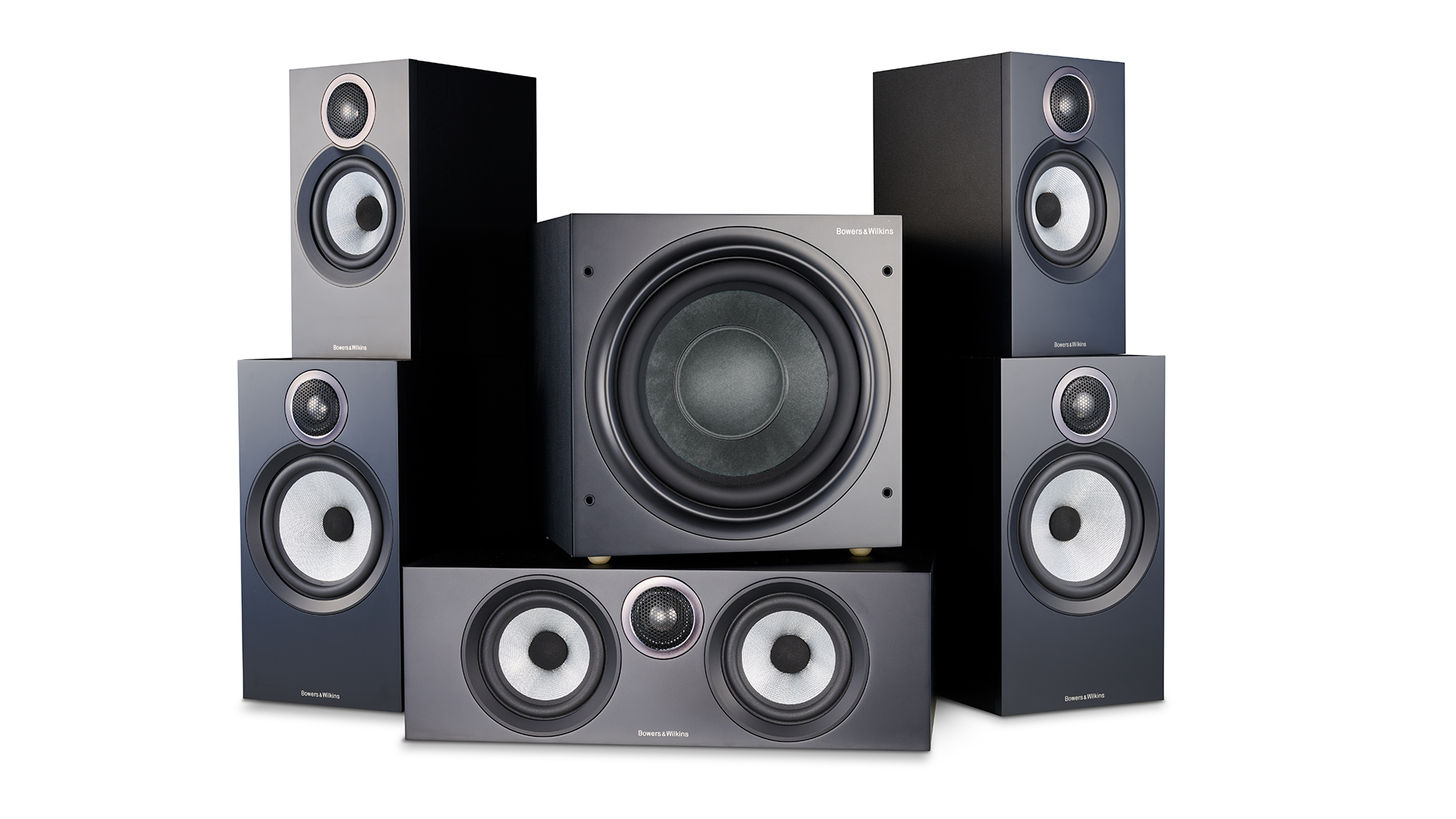
The brain of your home theater is the AV receiver. Whether you are running a 5.1.2 Dolby Atmos setup or a traditional 7.1 system, the receiver acts as the conductor of the orchestra. Before you start playing movie clips, you must establish a baseline using calibration software. Modern units from brands like Denon, Marantz, and Onkyo come equipped with microphone-based systems like Audyssey or Dirac Live.
To begin your 5.1 surround sound test, place the included calibration microphone at your primary listening position, ideally at ear level. The software will cycle through a series of chirps and sweeps. These tones allow the receiver to measure the distance of each speaker, calculate the necessary delay, and adjust the volume levels so that the sound from every corner of the room reaches your ears at the exact same moment.
When the automated sequence is finished, I always recommend a manual check for channel separation. Listen to the individual test tones (often sounding like white noise) as they move from the front-left to the center, then the front-right, and around to the surrounds. You are looking for a seamless transition. If the sound "jumps" or changes character significantly between speakers, you may need to adjust your speaker placement.
Lastly, pay close attention to the subwoofer response. The "crossover frequency"—usually set at 80Hz—is where your main speakers stop playing bass and the subwoofer takes over. A poor crossover setting creates a "hole" in the sound where internal vibrations or low-end notes disappear.
Calibration Checklist
- Clear the Room: Ensure no pets or children are making noise during the microphone sweep.
- Microphone Height: Use a tripod to keep the mic at ear level; do not hold it in your hand.
- Check Wiring: Ensure all speakers are "in phase" (positive to positive, negative to negative).
- Run AI Optimization: If your 2026 receiver has AI room correction, let it run its secondary analysis to account for furniture reflections.
The Movie Torture Test: Best Scenes for 2026
Once the technical calibration is done, it is time for the fun part: the real-world surround sound test. Streaming platforms have improved significantly, but for the best surround sound test, a Physical 4K Blu-ray or a high-bitrate digital file is still the gold standard.
If you are looking for the best movie scenes to test surround sound, you cannot ignore the opening race in Ready Player One. As vehicles fly past the "camera," you should hear the roar of engines move precisely from the back-left to the front-right. This scene tests the tracking speed of your system and how well your speakers handle rapid channel panning.

Another essential is Mad Max: Fury Road. The opening sequence features whispering voices that should seem to float in the air around your head, testing the spatial audio capabilities of your height channels. For those relying on streaming, searching for the best movies to test surround sound on netflix will lead you to titles like All Quiet on the Western Front or Roma. These films use Dolby Atmos to create a dense, atmospheric environment that tests how well your system can reproduce subtle environmental sounds, like rain or distant thunder, without muddying the dialogue.
Movie Scene vs. Technical Benefit
| Movie Title | Scene | Specific Technical Check |
|---|---|---|
| Ready Player One | The First Race | Channel separation and high-speed panning. |
| The Batman | Penguin Chase | Subwoofer response and low-frequency impact. |
| Top Gun: Maverick | Darkstar Flight | Height channels and vertical soundstage. |
| The Godfather | Restaurant Scene | Vocal clarity and center channel focus. |
| A Quiet Place | Basement Flood | Dynamic range (from silence to sudden noise). |
The Audiophile’s Ear: Best Music for Atmos & Music Tech
While movies get all the glory, music is actually a more rigorous way to test the nuances of your acoustic environment. A dolby atmos surround sound test using music reveals flaws in timber and soundstage width that a loud explosion might hide.
I recommend using tracks from Apple Music or Tidal, as both platforms offer extensive libraries of spatial audio. If you are looking for a specific surround sound test song, try Riders on the Storm by The Doors (the Atmos mix). The rain should feel like it is falling from your ceiling, and the keyboard notes should swirl around the room with pinpoint precision.
For a test of sheer power and scale, listen to Hans Zimmer’s Live in Prague. This recording captures a massive orchestra and a choir. It is a fantastic way to check your system's balance. You want to hear the individual violin strings (front channels) while still feeling the massive "press" of the crowd noise in the rear speakers. If the vocals from the choir start to sound grainy or distorted when the bass kicks in, you might be reaching the limit of your AV receiver power supply.
Troubleshooting: What to Listen For
Even with the best hardware, things can go wrong. If your home theater doesn't feel "immersive," you are likely dealing with one of three common issues:
- Phase Mismatch: This happens when a speaker’s positive and negative wires are swapped. The sound will feel "hollow," and the bass will seem to disappear when you sit in the middle of the room.
- Clipping and Distortion: If your height channels crackle during loud scenes in Spider-Man: Across the Spider-Verse, your speakers might be underpowered or your receiver's gain is set too high.
- Muffled Dialogue: This is almost always a center channel issue. The center speaker handles about 70% of a movie's audio, including almost all dialogue.

Directional cues are the heartbeat of surround sound. If you are running a 7.1 surround sound test and you can't tell the difference between the side and rear speakers, your speaker placement is likely too close together. Ensure your side surrounds are placed 90 to 110 degrees from the listening position, and rears are positioned behind you at 135 to 150 degrees.
Hardware Recommendations: Test-Ready Gear for 2026
If your current system isn't passing the test, it might be time for an upgrade. To test surround sound speakers 2026 models effectively, you need hardware that supports the latest spatial audio metadata.
The JBL Bar 1300X Mark II is a standout for those who want a clean setup without running wires across the floor. It features detachable wireless rear speakers that you can place only when you are ready for a movie night. For those who want the absolute peak of performance without a separate subwoofer, the Sennheiser AMBEO Max uses advanced virtualization to bounce sound off your walls, though it requires a very specific acoustic environment to work perfectly.
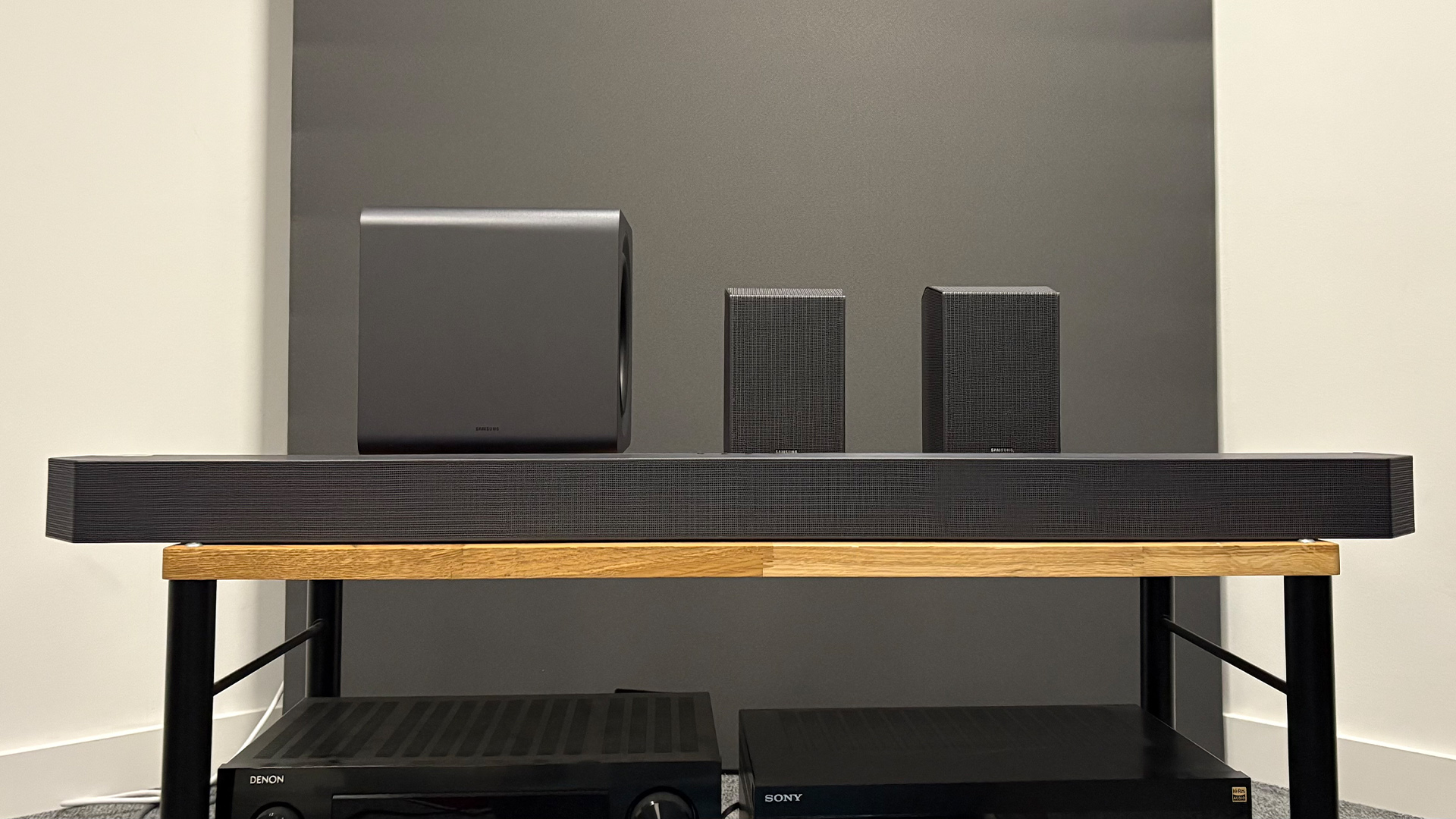
If you are building a dedicated room, look for systems that allow for physical upward-firing drivers or in-ceiling speakers. Physical drivers will always outperform virtual processing when it comes to the "verticality" of height channels. Systems like the Samsung HW-Q990F (the 2026 flagship) utilize 11.1.4 channels to ensure there are no "dead spots" in your soundstage.
FAQ
How can I test my surround sound?
The most reliable way to test your system is to use the built-in calibration tool on your AV receiver. This will send test tones to each speaker individualy to ensure they are connected and balanced. After that, play a high-quality Dolby Atmos demo disc or a reference movie scene to verify that the directional cues and bass response feel natural in your specific room.
Is upgrading from 5.1 to 7.1 worth it?
Upgrading to 7.1 is worth it if you have a large room where the "gap" between the front and rear speakers feels empty. The two extra side speakers help create a more seamless circle of sound. However, if your room is small or your couch is against the back wall, you will get more benefit by adding two height speakers for a 5.1.2 Atmos setup instead.
Is Dolby 7.1 better than Atmos?
No, Dolby Atmos is a significant advancement over traditional 7.1. While 7.1 is "channel-based" (sound is sent to a specific speaker), Atmos is "object-based." This means sounds are treated as objects that can move through 3D space, including above you. Atmos provides a much more immersive and realistic experience by adding the vertical dimension to the soundstage.
What is a good song to test surround sound?
A great surround sound test song is Riders on the Storm by The Doors in its 50th Anniversary Atmos mix. It features distinct rain effects that should sound like they are coming from above, while the iconic bass line tests your subwoofer's ability to remain tight and musical without becoming boomer. For orchestral fans, Hans Zimmer's Live in Prague is the gold standard for testing scale and clarity.
Is Netflix 5.1 or Atmos?
Netflix offers both 5.1 and Dolby Atmos, depending on your subscription plan and the specific content. Most "Netflix Originals" are available in Atmos if you have the Premium (4K) subscription. You will see the "Atmos" icon next to the title descriptor on your TV interface if your hardware is compatible and the content supports it.