Quick Facts
- Date: Wednesday, August 12, 2026.
- US Visibility: 100% partial eclipse; no totality within the USA.
- US States Involved: 25 states (from Alaska through the Midwest to the Eastern Seaboard).
- Maximum Obscuration: Up to 37% in parts of Alaska (Fairbanks).
- Safety Requirement: ISO 12312-2 certified solar filters at all times.
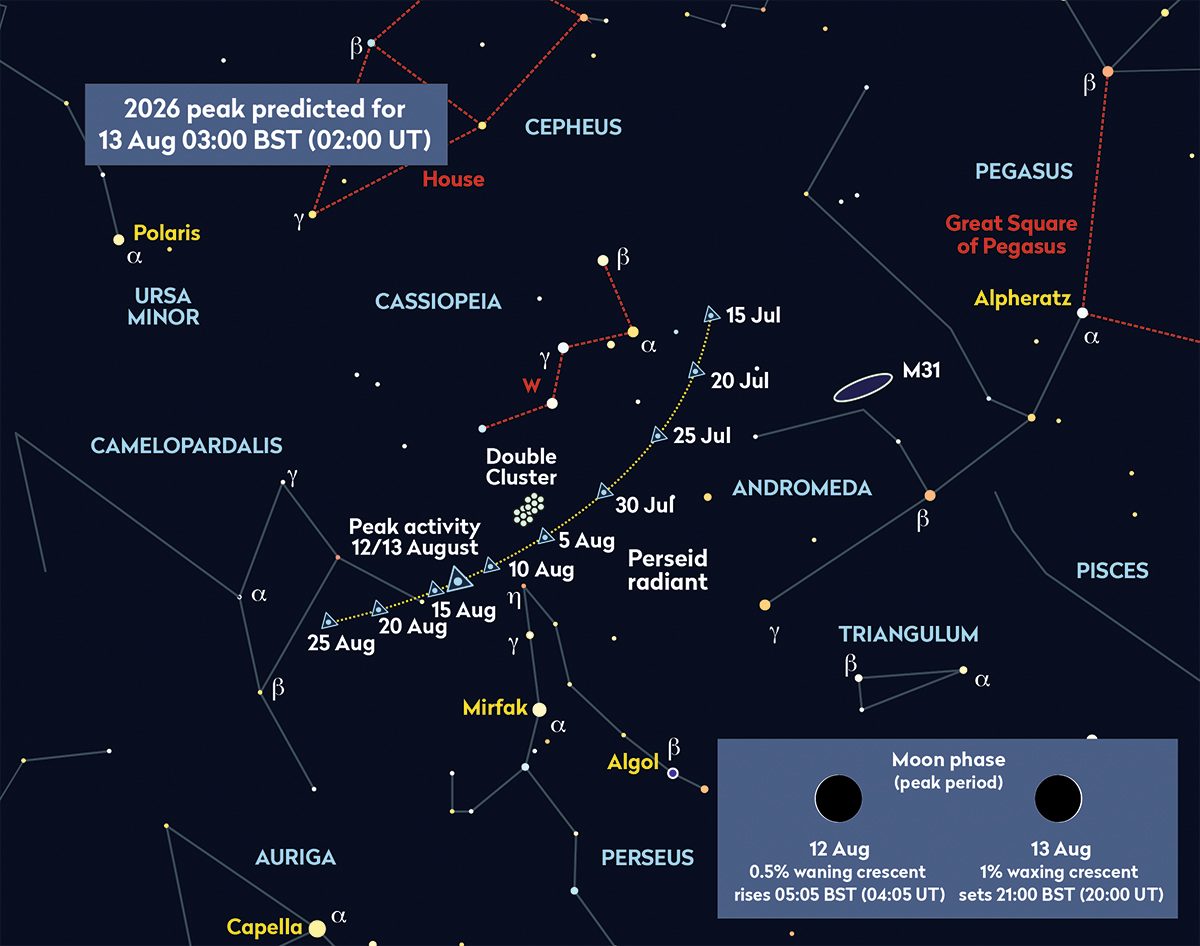
- Key Event: Simultaneously occurring with the Perseid meteor shower peak.
The 2026 solar eclipse occurs on August 12, with a partial phase visible across many US states from Alaska to the Eastern Seaboard. While the path of totality for the 2026 solar eclipse crosses Greenland, Iceland, and Spain, the United States will witness varying degrees of solar obscuration depending on local circumstances.

Many skywatchers across the world are already marking their calendars for the 2026 solar eclipse on August 12. This particular celestial event is set to be one of the most unique of the decade, as it traces a path from the Arctic, through the rugged landscapes of Iceland, and down to the sun-soaked shores of Spain. However, if you are planning to watch from home in North America, you need to manage your expectations. Unlike the Great American Eclipse of 2024, the solar eclipse 2026 usa experience will be entirely partial.
Understanding the partial vs total solar eclipse 2026 explained is the first step in planning your observation. A total eclipse happens when the moon completely blocks the sun, casting a deep shadow called the umbra. In contrast, the United States will sit under the penumbra, which is the moon's outer shadow. This means that while the sun will never go completely dark, you will see a significant and fascinating celestial bite taken out of the solar disk. Whether you are situated on the Eastern Seaboard or in the far reaches of Alaska, having the right information is essential for a successful viewing.
2026 Solar Eclipse Map: Where to Watch in the USA
Visualizing the event requires a look at the 2026 solar eclipse map, which shows a wide sweep of visibility covering the northern and eastern portions of the country. Unlike many other eclipses that cut a narrow path through the heart of the continent, this event favors the periphery. The penumbra will first touch the United States in Alaska during the early morning hours before moving across the northern tier of states and finally reaching the coast by early afternoon.
Knowing the solar eclipse august 12 2026 visibility by state helps you decide if a short road trip is necessary to increase your view. In total, residents in 25 states will have the opportunity to see at least a sliver of the sun covered. The 2026 solar eclipse path map usa indicates that the highest levels of coverage will be in the northwest (Alaska) and the northeast (Maine).
| Region | Participating States |
|---|---|
| Northeast | CT, MA, MD, ME, NH, NJ, NY, PA, RI, VT |
| Mid-Atlantic/South | DE, NC, VA, WV |
| Midwest | IA, IL, IN, MI, MN, ND, OH, SD, WI |
| West/Northwest | AK, MT |
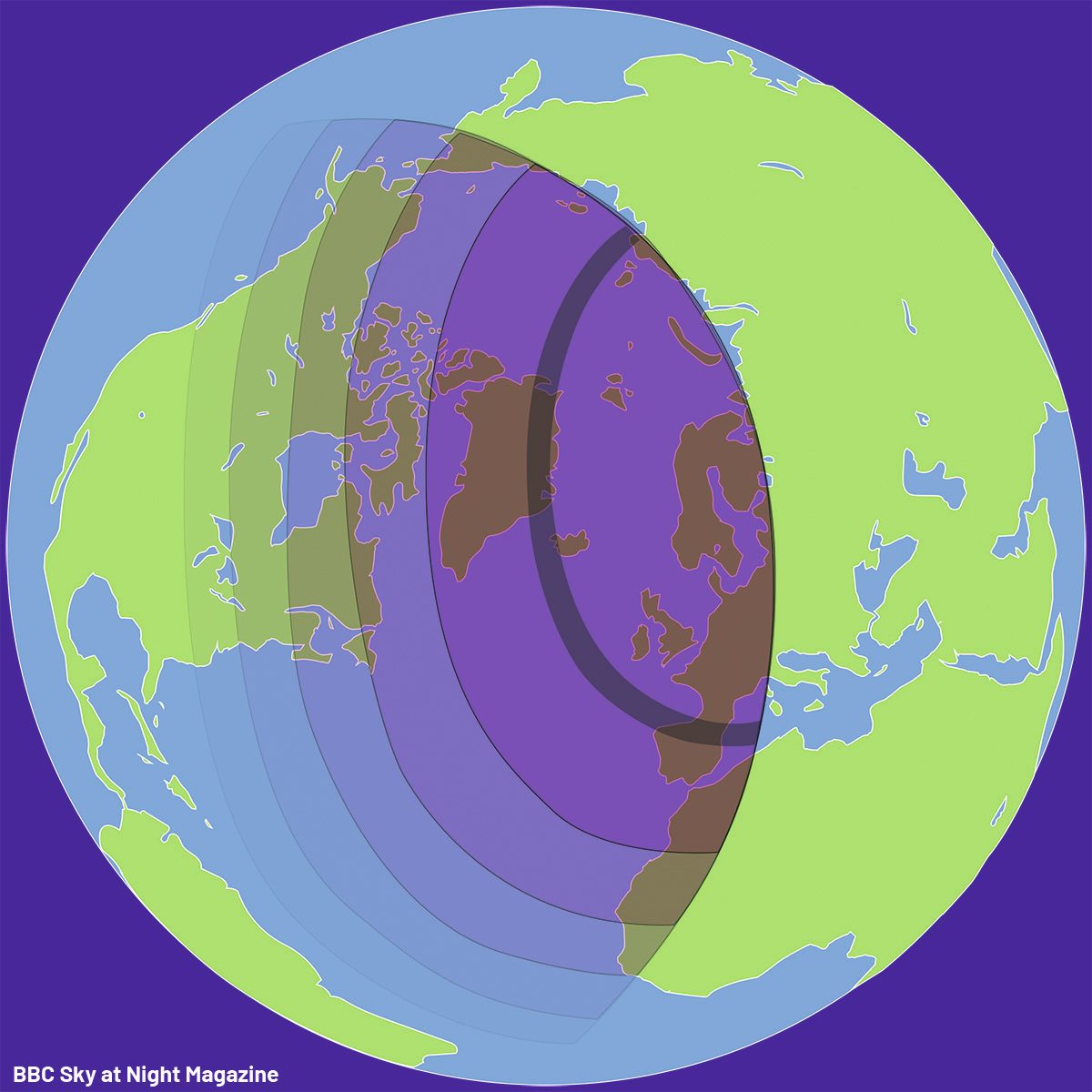
The penumbra moves across the Northern Hemisphere with a specific trajectory that avoids the southern and southwestern U.S. entirely. If you live in Florida, Texas, or California, you will unfortunately miss this specific event. For those in the visibility zone, the percentage of obscuration will vary significantly. The further north and east you are, the more of the sun will be hidden behind the moon.
Timing and City Visibility: Total Solar Eclipse 2026 Map Time
Precision is key when tracking a celestial event. To calculate the exact moment the moon begins its transit, astronomers use Besselian Elements, a set of mathematical variables that account for the Earth's rotation and the precise positions of the moon and sun. This results in a total solar eclipse 2026 map time that is specific to your exact latitude and longitude.
The solar eclipse occurring on August 12, 2026, will be visible only as a partial eclipse from the United States, with the path of totality restricted to regions including Greenland, Iceland, and Spain. For Americans, the event is a race against the clock and the sun's position in the sky. Below is a breakdown of what to expect in major cities across the visibility path.
| City | Max Obscuration | Peak Time (Local) |
|---|---|---|
| Fairbanks, AK | 37.0% | 8:23 AM AKDT |
| Anchorage, AK | 27.9% | 8:22 AM AKDT |
| Boston, MA | 16.0% | 2:48 PM EDT |
| New York City, NY | 9.0% | 2:46 PM EDT |
| Chicago, IL | 2.5% | 1:35 PM CDT |
| Washington, D.C. | 5.5% | 2:43 PM EDT |
In Anchorage, Alaska, the partial solar eclipse is expected to reach a maximum obscuration of approximately 27.9% at 8:22 AM AKDT. This will be the best major city viewing experience in the U.S. due to its high latitude. Meanwhile, on the other side of the country, New York City will experience a partial eclipse with approximately 9% of the Sun's disk covered by the Moon. While 9% might sound small, it is enough to see a noticeable change in the sun's shape through proper filters.
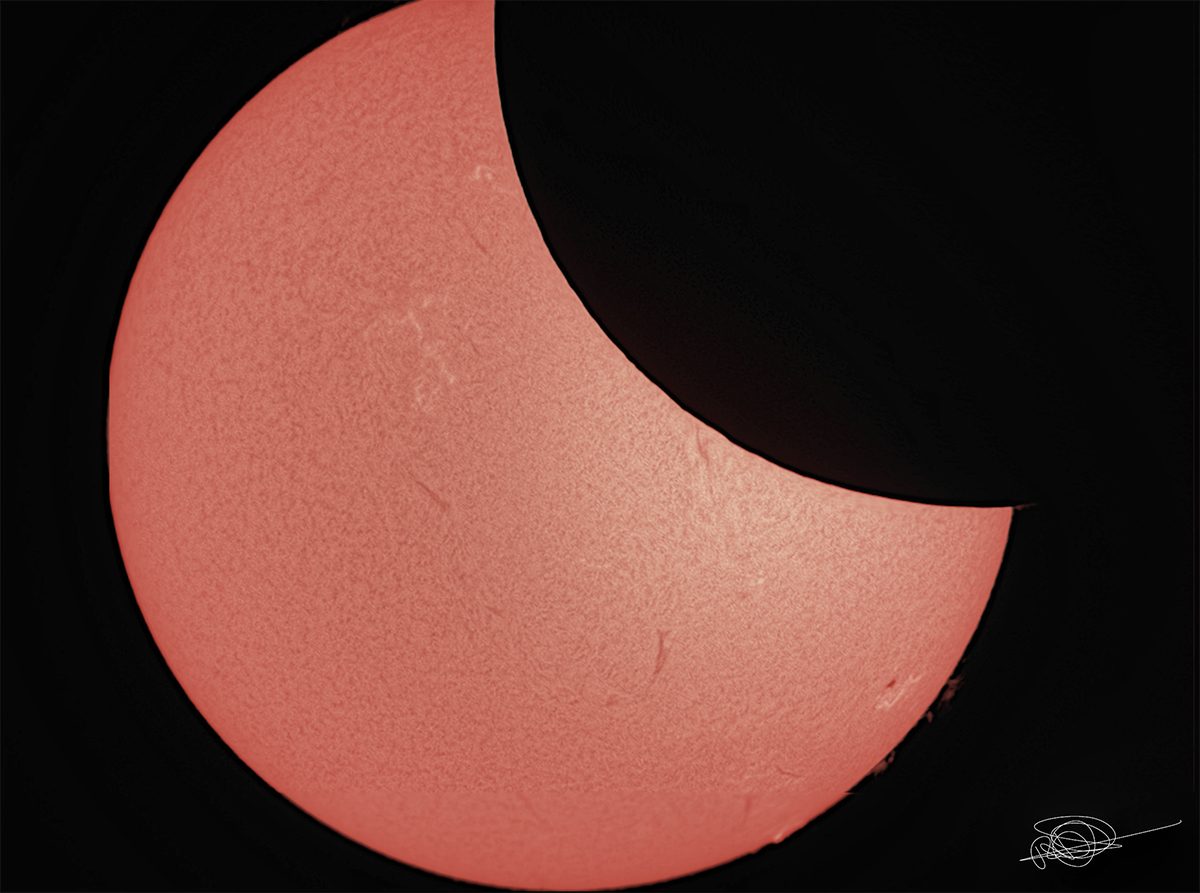
When looking for the 2026 solar eclipse start and end times new york city residents should note that the event begins around 1:53 PM EDT and concludes by 3:36 PM EDT. Because the sun is high in the sky during these hours in the Northeast, visibility should be excellent, provided the weather cooperates.
Safety First: Safe Solar Eclipse Glasses for 2026 Viewing
The most important rule for the 2026 solar eclipse is that there is no safe time to look at the sun without protection in the United States. During a total eclipse, there is a brief period of totality where the sun is completely covered and filters can be removed. Since the USA will only see a partial phase, you must use safe solar eclipse glasses for 2026 viewing at all times.
Your glasses or solar filters must meet the ISO 12312-2 standard. This international safety requirement ensures that the filters block out enough ultraviolet and infrared radiation to prevent permanent eye damage. Be wary of counterfeit products that may flood the market as the date approaches. You can check for authenticity by looking for the ISO certification label and ensuring the lenses are completely opaque—you should not be able to see house lights or ordinary objects through them.
If you don't have access to glasses, you can use a pinhole projector to view the solar disk indirectly. This is a simple DIY project:
- Puncture a small, clean hole in a piece of cardstock.
- Hold the card up to the sun (without looking at the sun yourself).
- Let the light pass through the hole onto a second piece of card or the ground.
- You will see a small, inverted projection of the partially eclipsed sun.
Safety Warning: Never look through a camera lens, telescope, or binoculars while the solar eclipse is happening unless you have a professional solar filter attached to the front of the optics. The concentrated solar radiation can melt your equipment and cause instant, irreversible blindness.

Capturing the Moment: Phone Photography & Tips
You don't need a professional DSLR to document this event. However, knowing how to record the 2026 solar eclipse with a phone requires a bit of preparation. Because the sun is so bright, your phone's sensor can be damaged, and the image will likely be a blown-out white blob without a filter.
Pro Tip for Professional Results
To get a clear shot of the crescent sun, place an extra pair of ISO-certified eclipse glasses over your phone's camera lens. Use a piece of tape to secure it, making sure there are no gaps for stray light. Lower the exposure manually by tapping on the sun on your screen and sliding the brightness bar down. This will reveal the sharp edges of the obscured solar disk.
For those looking for the best 2026 solar eclipse viewing tips for alaska, remember that weather is your biggest hurdle. Fairbanks and Anchorage often deal with morning clouds. Check the local cloud cover forecasts 24 hours in advance and be prepared to drive inland if coastal fog rolls in. The sun's altitude will be relatively low in the sky for Alaska, which can provide a great opportunity for landscape photography where the eclipsed sun sits just above the mountain peaks.
Traveling for Totality: Beyond the USA
While the partial view in the states will be impressive, some enthusiasts will choose to travel for the full experience. The total solar eclipse 2026 path is truly spectacularly placed for travelers. Greenland offers a remote, icy backdrop, while Iceland provides a dramatic volcanic setting. However, Spain is predicted to be the most popular destination due to its high probability of clear skies in August.
In Spain, the path of totality will sweep across cities like Valencia, Bilbao, and Zaragoza. The maximum duration of totality will be approximately 2 minutes and 18 seconds, occurring just off the coast of Iceland. If you choose to travel, remember that the sun will be very low on the horizon in Spain as the eclipse happens near sunset. This creates a "golden hour" eclipse, which is often cited by astronomers as one of the most beautiful celestial sights imaginable.
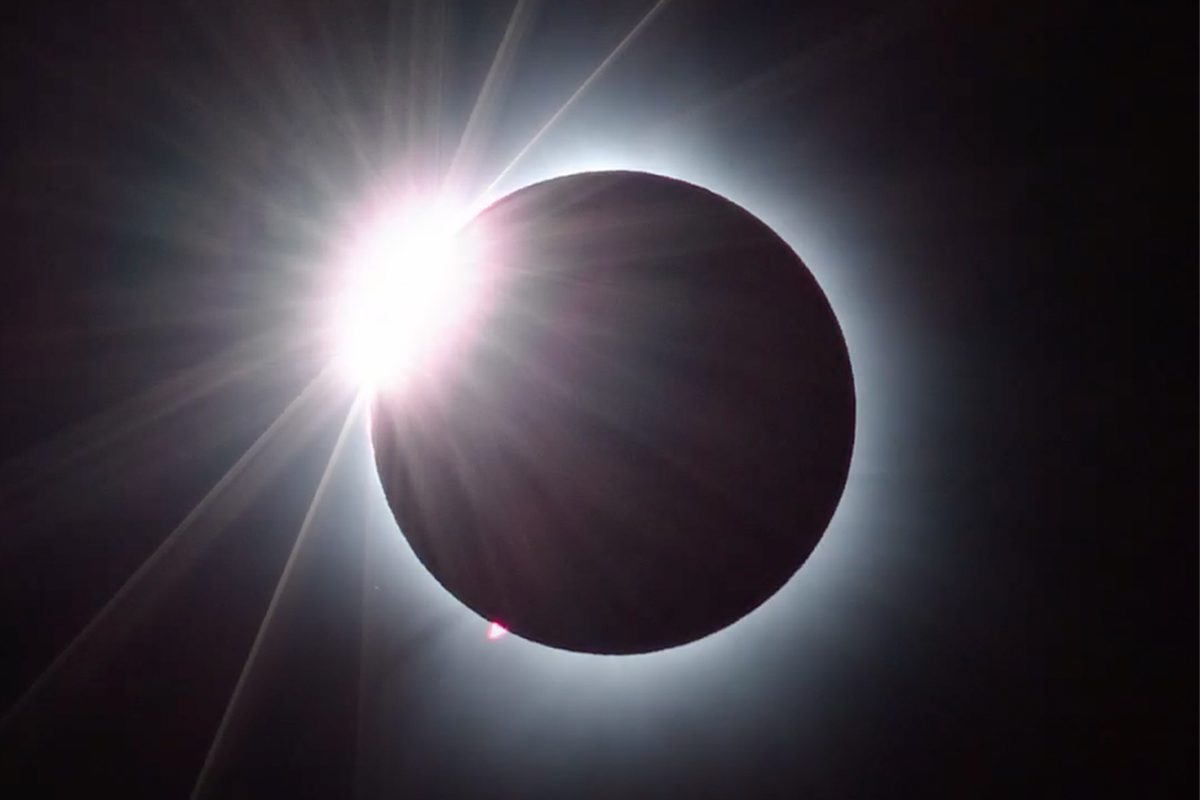
Whether you stay in the U.S. to witness the partial phase or jet off to Europe, the 2026 solar eclipse promises to be a highlight for skywatchers everywhere. Start sourcing your ISO-certified gear now, as demand will skyrocket as we approach August 2026.
FAQ
Where is the best place to watch the solar eclipse in 2026?
For the highest percentage of visibility within the United States, Fairbanks and Anchorage, Alaska, are the premier locations. If you are looking for totality, the best places to watch are in northern Spain or western Iceland, where the sun will be completely obscured by the moon.
Will America see the solar eclipse in 2026?
Yes, but America will only see a partial eclipse. Approximately 25 states, mostly in the North and East, will see a portion of the sun covered by the moon. No location within the 50 U.S. states will experience the total phase where the sky turns dark.
Where in the U.S. will the next solar eclipse be visible?
Following the 2026 event, a major total solar eclipse will not cross the contiguous United States again until August 23, 2044. However, Alaska will experience a total solar eclipse on March 30, 1933. Smaller partial eclipses occur more frequently, but 2026 is the next significant event for the Eastern Seaboard.
Where will the Feb 17 eclipse be visible?
On February 17, 2026, an annular solar eclipse—often called a ring of fire—will occur. This event will primarily be visible from Antarctica and parts of the southern Indian Ocean. It will not be visible from the United States or the rest of North America.