Quick Facts
- Primary Chip: TSMC 3nm N3P (A19 and A19 Pro).
- Intel's Role: Active testing for future nodes such as 18A and 14A, but no chip supply for the iPhone 17 launch.
- New Model: iPhone 17 Air featuring an ultra-slim 5.6mm profile to replace the Plus model.
- Display Upgrade: 120Hz ProMotion technology expected to be standard across the entire four-model lineup.
- Connectivity: Qualcomm Snapdragon X80 for the Pro Max; debuting the in-house Apple C1 modem for the Air.
- Memory: 12GB of RAM for Pro models to support localized Apple Intelligence tasks.
The tech world is buzzing with questions: will the iphone 17 use Intel chips? Recent supply leaks suggest Apple is exploring foundry diversification due to the AI infrastructure boom hitting TSMC capacity. However, early reports indicate the A19 Pro chip will stay with TSMC. For those waiting on the iphone 17 release date, we have the latest on the new iPhone 17 Pro Max and the ultra-thin air variant.
Apple is reportedly exploring a partnership with Intel and Samsung to diversify its chip supply chain beyond TSMC. While the flagship A19 Pro processors for the iphone 17 are likely staying with TSMC, Apple has engaged in preliminary talks regarding Intel 18A node and 14A manufacturing nodes. This move is largely driven by intense competition for TSMC's advanced manufacturing capacity caused by the global AI hardware boom.
The Intel Question: Will the iPhone 17 Switch Foundries?
Addressing the headline-grabbing iphone 17 intel chip rumors requires understanding the current pressure on the global semiconductor industry. For over a decade, TSMC has been Apple’s exclusive partner for the A-series silicon. However, the AI infrastructure boom has fundamentally changed silicon manufacturing. Companies like Nvidia and AMD are consuming massive amounts of TSMC’s leading-edge capacity, creating a logistics nightmare for consumer electronics.
While Apple is currently testing the Intel 18A node and investigating Samsung’s Texas-based facilities, the iphone 17 will not feature an Intel-made processor. Instead, the A19 and A19 Pro chips are slated to use TSMC’s third-generation 3-nanometer (N3P) process. Using the N3P process allows Apple to maximize manufacturing yield and maintain a consistent performance profile without the risks associated with moving to 2nm too early.
Foundry diversification remains a long-term strategic goal rather than a 2025 reality. By engaging in preliminary talks with Intel, Apple gains leverage in price negotiations with TSMC and secures a safety net in case of geopolitical disruptions or risk production failures in Taiwan. For the upcoming cycle, Intel’s role likely remains limited to R&D testing or potentially supplying peripheral components rather than the central brain of the iphone 17.
The New iPhone 17 Pro Max: A Powerhouse Redesign
The new iphone 17 pro max is expected to be much more than a simple spec bump. Supply chain leaks point toward a significant design overhaul that prioritizes chipset thermal design. For years, as mobile processor benchmarks have climbed, heat management has become the primary bottleneck for sustained performance.
To combat this, Apple is rumored to be moving toward an aluminum unibody construction for the first time in the Pro series since the transition to titanium. This choice isn't about cost-cutting; aluminum offers superior thermal conductivity compared to titanium, allowing the apple a19 pro chip performance to remain at its peak for longer periods without aggressive throttling.
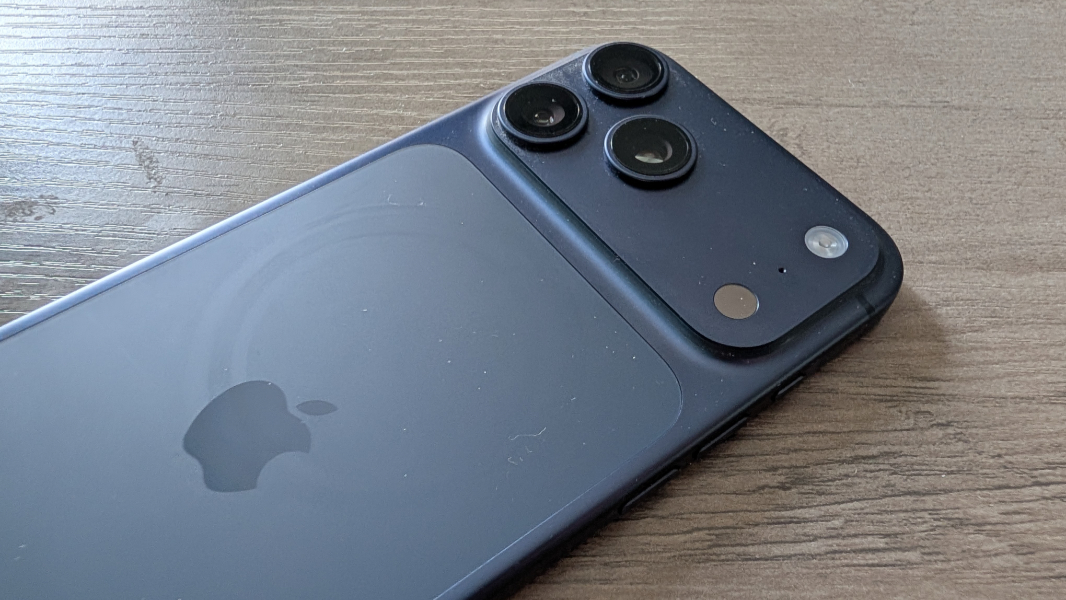
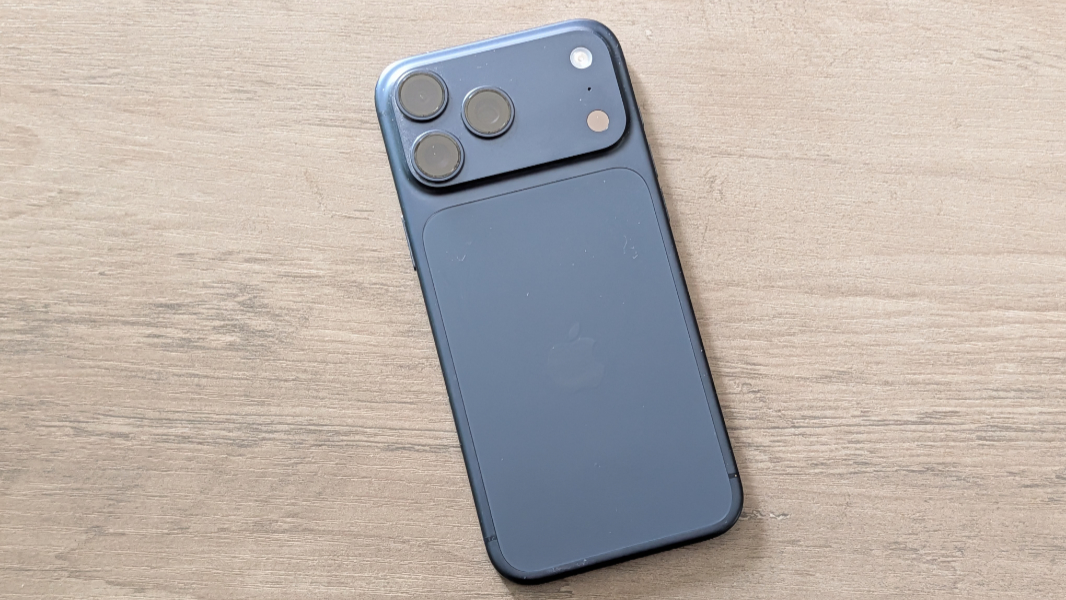
The most striking visual change is the rumored Plateau camera housing. Instead of the traditional "stove-top" look, the new iphone 17 pro max may feature a more integrated, raised section of the back glass that houses the updated sensors. This design change provides more internal volume for cooling and accommodates the rumored 48-megapixel telephoto lens. Internally, the jump to 12GB of RAM is perhaps the most critical update for Pro users. This memory expansion is tailored specifically for on-device AI operations, ensuring that Apple Intelligence doesn't slow down the native user experience.
Meet the iPhone 17 Air: Ultra-Slim and Apple-Powered
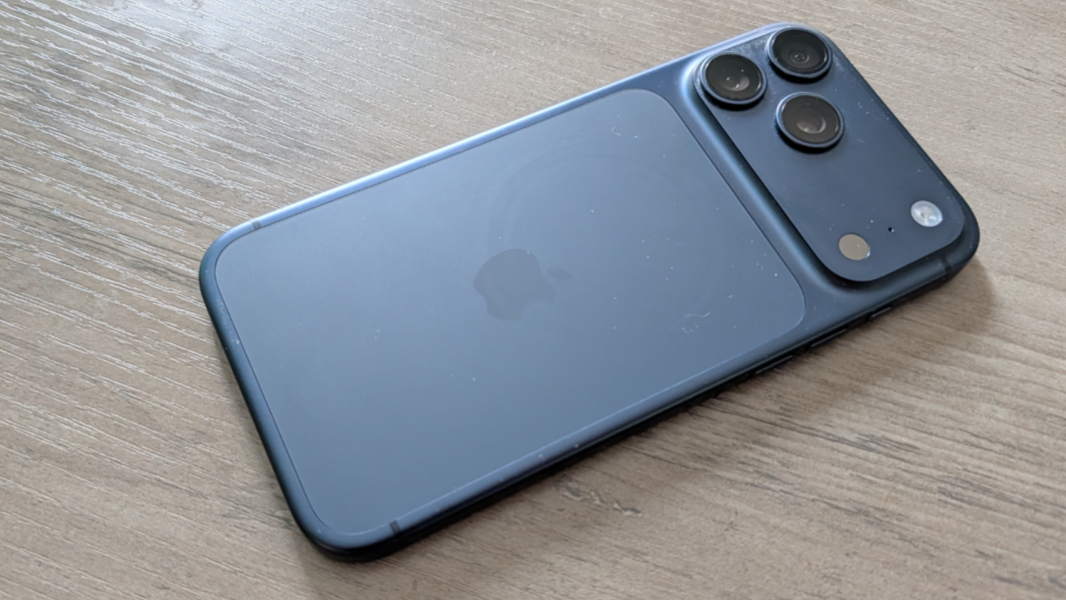
Perhaps the most exciting addition to the lineup is the iphone 17 air. Positioned to replace the Plus model, which has seen tepid sales compared to its siblings, the Air focuses on a radical physical form factor. With a rumored thickness of just 5.6mm and a weight of roughly 165g, it will be the thinnest and lightest iPhone ever made.
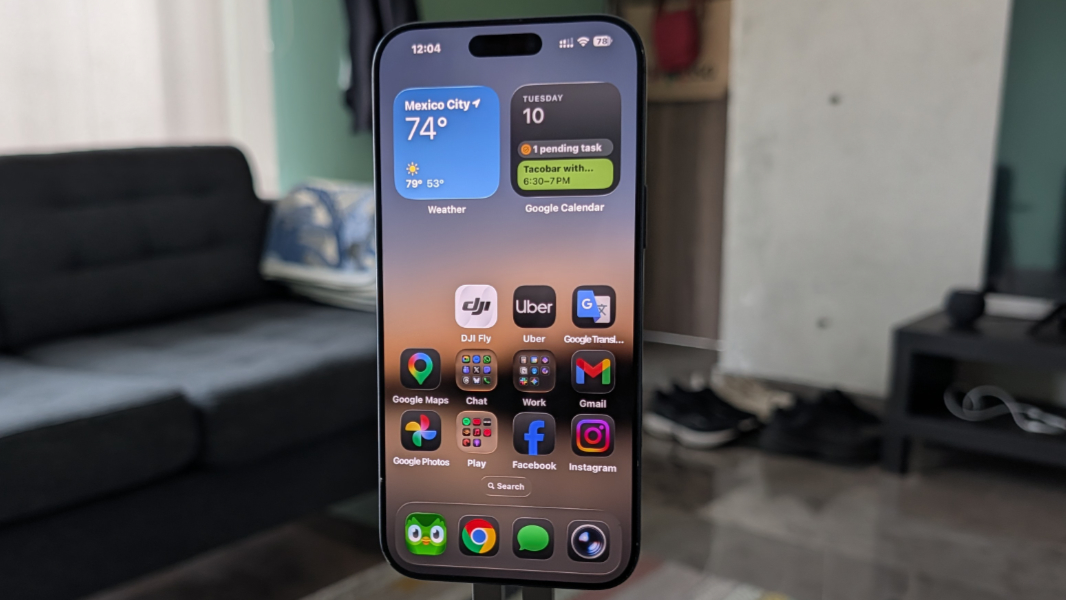
This model serves a dual purpose for Apple. First, it targets users who find the Pro Max too heavy but still want a large 6.5-inch screen. Second, it acts as a testbed for Apple’s internal silicon manufacturing efforts. The iphone 17 air is rumored to be the first device to ship with the Apple C1 modem, a custom-designed 5G chip intended to eventually replace Qualcomm’s modems across the entire product line.
| Feature | iPhone 17 Air | iPhone 17 Pro Max |
|---|---|---|
| Display Size | 6.5-inch OLED | 6.9-inch OLED |
| Thickness | 5.6mm | 8.25mm |
| Material | Aluminum | Aluminum / Titanium Hybrid |
| RAM | 8GB | 12GB |
| Modem | Apple C1 | Qualcomm Snapdragon X80 |
| Weight | ~165g | ~230g |
When looking at the iphone 17 pro max vs iphone air, the choice comes down to power versus portability. The Pro Max remains the undisputed choice for photography and heavy gaming, utilizing the Qualcomm Snapdragon X80 modem for superior 5G speeds in low-signal areas. Meanwhile, the Air model uses the standard A19 chip and a more energy-efficient modem set to maximize battery life in an ultra-slim chassis.
iPhone 17 Release Dates and Pricing Roadmap
Predicting the iphone 17 release date involves looking at Apple’s historic supply chain logistics. We expect the official announcement in the second week of September 2025, with ships arriving to customers shortly after. However, investors and enthusiasts should watch for news regarding manufacturing yield at TSMC. If the N3P process faces any bottlenecks due to the continued AI boom, we could see staggered iphone 17 release dates where the base models arrive first and the Air or Pro Max variants see slight delays.
Regarding the iphone 17 pro max price, rumors suggest a small increase to accommodate the 12GB RAM upgrade and the complex Plateau camera design. We expect the lineup to look like this:
- iPhone 17 (Standard): $799
- iPhone 17 Air: $999 - $1,099
- iPhone 17 Pro: $1,099
- iPhone 17 Pro Max: $1,199 - $1,299
The price of the Air variant is particularly interesting. Positioning it above the standard model but near the Pro reflects its premium "design-first" status. It’s an approach Apple has successfully used with the MacBook Air and iPad Air in the past.

FAQ
Is the iPhone 17 really coming out?
Yes, Apple is currently in the late stages of design and trial production for the iphone 17 series. Supply chain leaks from component manufacturers in Taiwan and South Korea confirm that the prototype phase is well underway for a 2025 launch.
Are they going to make an iPhone 17?
Apple will definitely release an iphone 17 lineup in 2025. The series is expected to consist of four distinct models: the standard version, the new ultra-slim Air, the Pro, and the top-tier Pro Max.
Why is the iPhone 17 so cheap?
The standard iphone 17 model is expected to maintain its $799 entry price to stay competitive in a crowded market. However, "cheap" is relative; while the base model stays consistent, the new premium variants involving higher RAM and specialized slim designs will likely carry higher price tags.
How much will the iPhone 17 cost?
The series is expected to start at $799 for the base model. The ultra-slim Air model will likely fall between $999 and $1,099, while the top-of-the-line Pro Max will likely start at $1,199, depending on the final storage and RAM configurations.