Quick Facts
- Termination Dates: Specialized food delivery services concluded in May 2025, followed by the ride-hailing portion in mid-2026.
- Core Reason: The partnership reached a natural end as the scheduled pilot program was completed.
- Program Scale: The Phoenix collaboration was an intentionally small project using a fleet of roughly 12 dedicated autonomous vehicles.
- Alternative Access: Residents in Phoenix can still access autonomous rides by downloading and using the Waymo One app directly.
- Future Outlook: Uber is actively vetting new partners, including Zoox and Aurora Innovation, to relaunch similar services in the Phoenix market soon.
- Regional Availability: Despite the Phoenix exit, Waymo vehicles remain available through the Uber app in other major cities like Austin and Atlanta.
- Data Milestone: Before ending, the pilot successfully completed hundreds of thousands of autonomous trips over its three-year run.
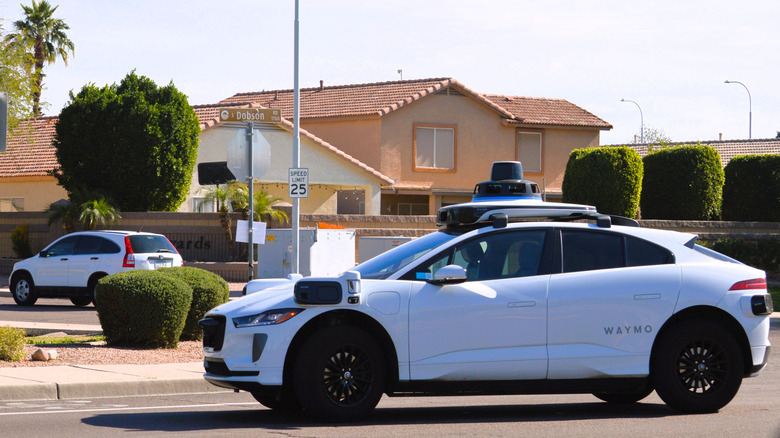
The Uber and Waymo robotaxi partnership in Phoenix ended because the initial pilot program reached its scheduled conclusion. Both companies described the deployment as an intentionally limited project involving a small fleet of vehicles. While the Phoenix collaboration has finished, Waymo's autonomous vehicles remain available through the Uber app in other markets, such as Austin and Atlanta.
Why the Uber-Waymo Phoenix Partnership Concluded
The decision to wind down the Phoenix collaboration was less of a sudden breakup and more of a planned strategic transition. When the two giants first teamed up in 2023, the goal was to test how a third-party transportation network company like Uber could integrate Level 4 autonomy into its existing marketplace. This specific pilot was modest in scope, utilizing just over 12 dedicated autonomous vehicles to serve the metropolitan area.
The timeline for the exit happened in two distinct phases. First, the food delivery component, which allowed Uber Eats customers to receive their orders via self-driving cars, ended in May 2025. Exactly one year later, ride-hailing operations concluded in mid-2026 after successfully facilitating hundreds of thousands of autonomous trips.
Industry analysts suggest that the limited vehicle count in Phoenix made it a controlled experiment. In contrast, the partnerships in Austin and Atlanta are designed for greater scale, involving hundreds of vehicles from the start. For the Phoenix market, the conclusion of the pilot signals a shift toward more permanent, proprietary service models rather than experimental joint ventures.
From Partners to Rivals: The Strategic Shift
Under the leadership of Alphabet Inc., Waymo is increasingly leaning into vertical integration. By handling both the technology and the passenger interface, Waymo maintains total control over the user experience and the data generated. A major signal of this shift is the introduction of a $29.99 monthly subscription model for frequent riders, which positions the company as a direct competitor to Uber’s subscription service, Uber One.
Uber, meanwhile, is positioning itself as the ultimate ride-sharing marketplace. Rather than relying on a single provider, the company aims to offer a variety of robotaxi services from different manufacturers. This approach prevents Waymo from becoming the sole gatekeeper of autonomous rides on the Uber platform. As the self-driving transport sector matures into a multi-billion dollar market, the "frenemy" relationship between these two companies will likely fluctuate between collaboration in new cities and intense competition in established ones.
| Feature | Phoenix Transition Status | Austin & Atlanta Operations |
|---|---|---|
| Uber App Integration | Discontinued for Waymo | Fully Active |
| Fleet Dedicated to Uber | ~12 Vehicles (Pilot concluded) | Hundreds of Vehicles (Scaling) |
| Booking Options | Waymo One App Only | Uber App & Waymo One App |
| Primary Partner Role | Completed Pilot Phase | Strategic Growth Phase |

Industry Insight
The autonomous landscape is shifting rapidly. While Waymo pauses its Uber integration in Phoenix, others are moving in. Tesla has signaled intent to bring its fleet to Arizona in the near future, and Zoox is currently utilizing the region's intense heat and dust to stress-test its purpose-built vehicles that are designed without steering wheels or pedals.
The Role of Safety: Recalls and Hardware Stress Tests
Safety and hardware reliability have played a silent but significant role in how these partnerships evolve. Shortly before the pilot conclusion, the industry watched closely as a software recall affected roughly 3,900 units to address navigation issues. While this did not directly cause the end of the Phoenix pilot, it highlighted the logistical complexities of managing a fleet through a third-party app.
Phoenix remains a vital hub for development due to its unique environmental challenges. The extreme heat and frequent dust storms serve as a high-stakes laboratory for self-driving sensors. As companies move toward purpose-built mobility as a service vehicles, such as the carriage-style pods from Zoox, testing in these conditions is essential for long-mile and last-mile logistics. Ensuring the software can handle "edge cases" like blinding haboobs or melting road surfaces is a prerequisite for any robotaxi app looking to dominate the Sun Belt.
Moving Forward: Uber Robotaxi Alternatives in Phoenix
If you are a regular rider in the Valley of the Sun wondering where is robotaxi available, you still have options. Following the end of the Uber-Waymo partnership, users in Phoenix can no longer hail Waymo vehicles directly through the Uber app. However, the autonomous fleet has been integrated back into Waymo’s proprietary service. Passengers can still book robotaxi rides in the Phoenix area by using the Waymo One app, which continues to provide autonomous ride-hailing and delivery services.
Uber is not leaving the Phoenix market empty-handed. The company is actively preparing to launch a new autonomous vehicle partnership in Phoenix to replace its previous collaboration with Waymo. Although a specific partner has not yet been officially named, rumors point toward Zoox, Aurora Innovation, or even potential international players like Baidu.
Furthermore, the conversation around uber robotaxi alternatives phoenix often leads to Tesla. With the promise of the Cybercab and the expansion of Full Self-Driving capabilities, the entry of a Tesla robotaxi fleet holds the potential to significantly disrupt the local ride-sharing marketplace. As urban mobility evolves, Phoenix remains the primary battleground for who will ultimately win the race for autonomous ride-hailing Phoenix supremacy.
FAQ
Is Robotaxi cheaper than Uber?
Pricing for a robotaxi typically fluctuates based on the provider and current demand, but many users find that autonomous rides are currently competitive with or slightly cheaper than a standard UberX. This is largely because there is no human driver to tip, though companies often keep prices close to market rates to offset the high cost of the self-driving technology and fleet maintenance.
Is Tesla Robotaxi available yet?
While Tesla has showcased its dedicated Cybercab and discussed plans for a network of self-driving vehicles, a widely available commercial service has not yet launched for the general public. Current Tesla owners can use supervised Full Self-Driving software, but the true autonomous ride-hailing service is still undergoing regulatory and technical development.
Which is cheaper, Waymo or robotaxi?
Waymo is a specific brand of robotaxi, so the comparison usually depends on whether you are comparing it to other autonomous providers or traditional ride-hailing. Currently, in markets where multiple robotaxi services exist, prices are roughly comparable, as most providers are focused on gaining market share and establishing user trust rather than aggressive price wars.
Can anyone use a Tesla robotaxi?
Currently, a public Tesla robotaxi service that allows anyone to hail a ride through an app does not exist. However, the company’s long-term vision is to allow both Tesla-owned fleets and private Tesla owners to opt their vehicles into a shared network, making the service accessible to any passenger with the brand’s specific app.