Quick Facts
- Strike Duration: 18 days involving approximately 48,000 unionized workers across South Korean facilities.
- Total Disruption: A 6-week operational window including production wind-down, the actual walkout, and precision recalibration.
- Market Impact: An estimated 3% to 4% of the global DRAM supply is expected to be removed from the market.
- Financial Loss: Analysts estimate direct daily losses of 1 trillion won ($700 million) and a profit impact of up to 31 trillion won.
- Price Forecast: Standard DRAM costs are projected to surge between 47% and 125% through the end of 2026.
- Core Vulnerability: Critical fabrication plants in Pyeongtaek and Hwaseong are the primary sites under emergency management.
The 2026 chip shortage is being driven by a massive labor strike at Samsung, which controls 36% of the DRAM market. This event has forced fabrication plants into emergency mode, reducing production for a total of six weeks and creating a supply gap that analysts say could last through 2028 due to surging AI demand. This disruption represents a critical phase of the chip shortage 2026, threatening to double prices for DRAM and NAND flash memory by year-end.
The 6-Week Disruption: It is Not Just 18 Days
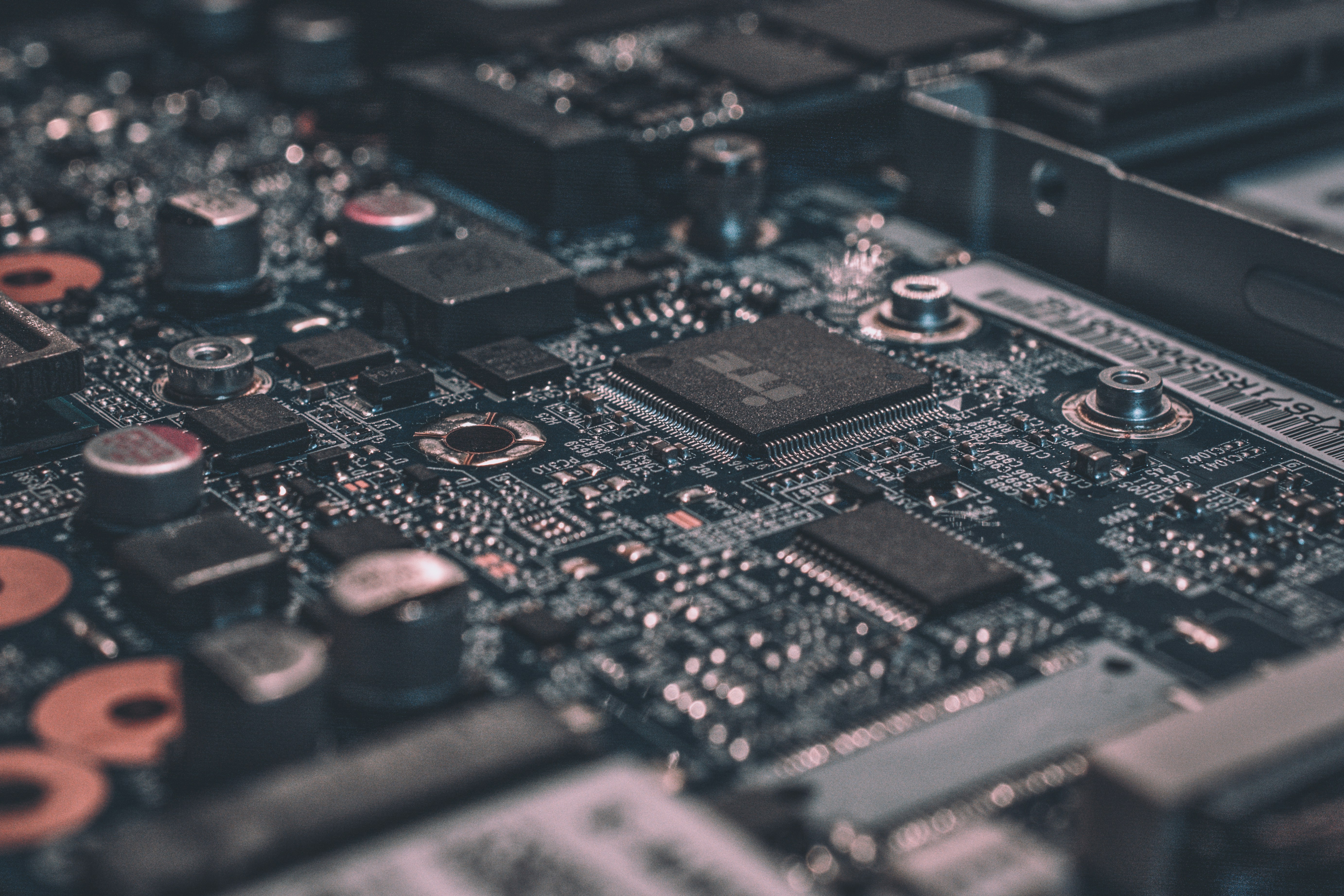
We often hear about labor strikes in terms of days on the picket line, but in the world of semiconductor fabrication, the calendar is more deceptive. An 18-day strike does not equal 18 days of lost production. When Samsung Electronics, which holds a 36% share of the global DRAM market, enters emergency management mode, the mechanical physics of the fab floor take over. High-end lithography and etching equipment are not like light switches; they cannot be flicked on and off at will.
The actual impact follows a "6-week ripple." Before the first worker walks off the job, engineers must spend roughly six days winding down wafer input to prevent catastrophic equipment damage. Once the strike ends, the "cold start" of a fab is a multi-week ordeal. Precision automated lines require extensive recalibration to ensure the nanometer-scale accuracy required for modern memory.
Technical Sidebar: The $20,000 Scrap Problem In semiconductor manufacturing, a single stalled wafer can represent a total loss. If the chemical vapor deposition or etching process is interrupted mid-cycle, the wafer becomes scrap. At current values, a single advanced 300mm wafer can carry a production cost of $20,000, making a haphazard shutdown incredibly expensive for Samsung’s bottom line.
| Phase | Duration | Operational Status | Impact on Global DRAM |
|---|---|---|---|
| Wind-Down | 6 Days | Controlled reduction of wafer input | Supply begins to tighten in spot markets |
| Active Strike | 18 Days | Total production halt in key zones | 3% to 4% of world's DRAM supply removed |
| Recalibration | 21 Days | Testing, cleaning, and ramp-up | Backlog peaks; enterprise pricing spikes |
The reality for the global memory shortage is that these six weeks of lost or diminished output create a vacuum that cannot be easily filled by competitors like Micron or SK Hynix, who are already running at near-maximum capacity.

Pricing Shock: Forecasting 125% Hikes for 2026
If you were planning to build a new workstation or upgrade your server fleet, the window for affordable components is slamming shut. We are looking at a paradigm shift in memory chip shortage 2026 pricing. Preliminary labor actions already offered a grim preview: during single-shift disruptions earlier this year, foundry output dropped by 58% and memory fabrication fell by 18%. Extrapolate that to an 18-day full-scale walkout, and the supply-demand curve snaps.
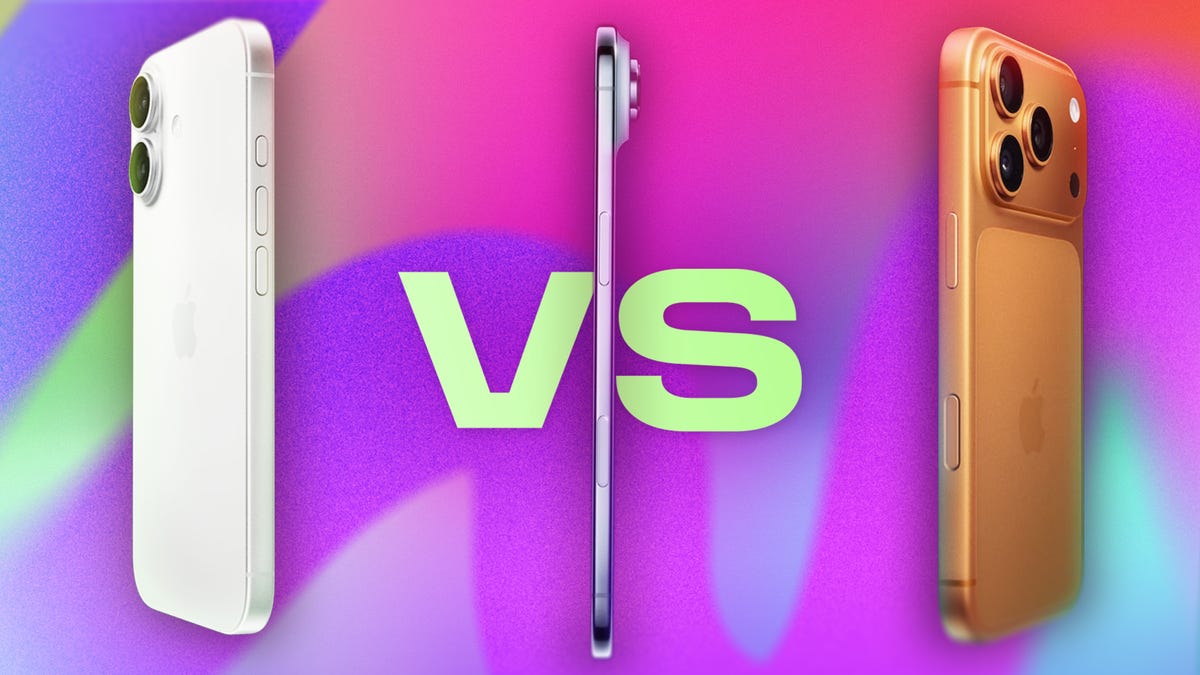
Current forecasts suggest standard DRAM costs will rise between 47% and a staggering 125% as the year progresses. This volatility is already being felt in the China spot market, where DDR4 and DDR5 prices jumped 20% on the mere anticipation of the walkout. The pain won't be limited to PC builders; consumer giants like Apple are reportedly bracing for the impact on the iPhone 17. When supply is this tight, manufacturers often have to accept triple-digit price increases just to secure an allocation.
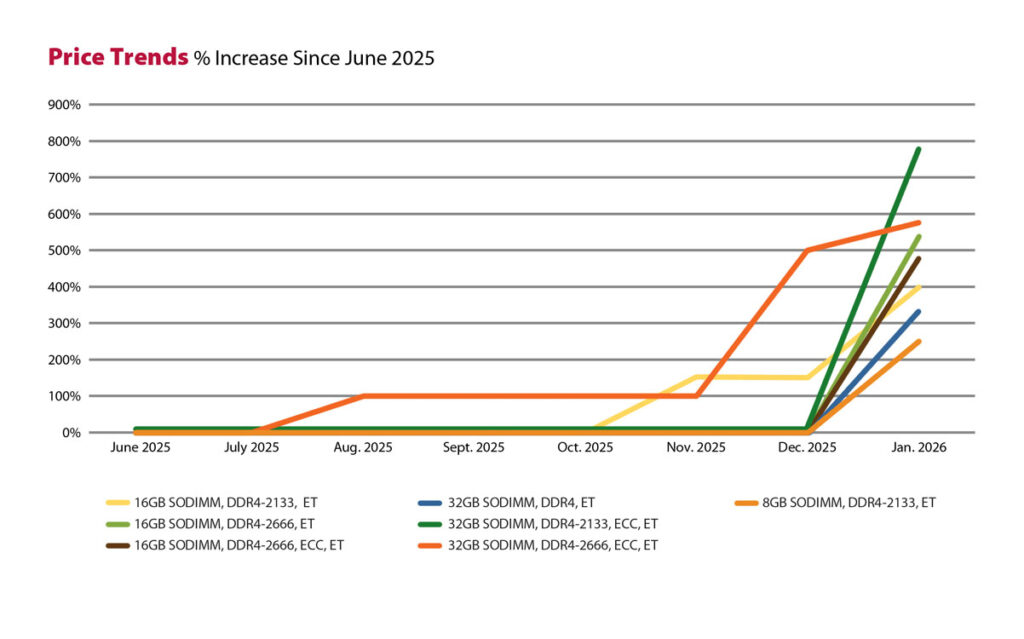
This price volatility is the primary reason why is there a chip shortage 2026. It isn't just about the physical lack of silicon; it’s about the financial inability of mid-tier manufacturers to compete for the remaining inventory. Larger players will absorb the cost, while smaller PC component brands may simply see their lead times stretch into 2027.
The AI Squeeze: High Bandwidth Memory (HBM) vs. Consumers
To understand when will the chip shortage end, we have to look at what Samsung is prioritizing with its limited remaining capacity. We are seeing a phenomenon I call structural cannibalization. Currently, Samsung and its rivals are shifting almost 93% of their available capacity toward High Bandwidth Memory (HBM) requested by AI data center giants.
Why? The margins on HBM for an Nvidia B300 GPU are three to five times higher than those for standard consumer RAM. With one Nvidia B300 module requiring up to 96 DRAM dies, the AI storage chip shortage 2026 is effectively starving the consumer market to feed the cloud.
The internal labor friction at Samsung is also tied to this AI boom. Workers have watched their rivals at SK Hynix receive record bonuses due to their dominance in the HBM market, fueling the wage and bonus disputes that led to this strike. This "bonus envy" is more than just internal politics; it's a symptom of a market where AI data center procurement has become the only priority for semiconductor fabrication.

Securing high bandwidth memory during strike shortages will become a battlefield for enterprise buyers. If you are a professional in the AI space, you aren't just fighting for chips; you are fighting against the internal production delays of the world's largest supplier.
Mitigation Checklist: How to Navigate the Shortage
For those of us managing hardware deployments or building high-end systems, waiting for the global chip shortage 2026 to resolve itself is not an option. You need a proactive strategy to manage memory chip price hikes 2026 before they wreck your budget.
Actionable Framework for Procurement:
- Establish a 120-Day Buffer: If you have ongoing projects, secure your memory and NAND flash supply today. The typical 30-day inventory cycle is too risky given the 6-week production lag.
- Audit Supply Chain Dependencies: Identify which of your enterprise server components rely specifically on Samsung fabs. Look at the Pyeongtaek and Hwaseong output specifically.
- Diversify Strategic Sourcing: Now is the time for sourcing alternatives for samsung memory chips. Pivot toward long-term contracts with Micron or SK Hynix, as spot price volatility will make off-the-shelf buying impossible.
- Prioritize Low-Margin Skus Early: Standard DDR4 and DDR5 will be the first to be deprioritized by fabs in favor of HBM. Buy these "basic" components now before the lines are fully converted to AI production.
Industry analysts at KB Securities and JPMorgan estimate that a complete 18-day production halt could result in daily direct losses of approximately 1 trillion won. This financial pressure might force a quick resolution, but the mechanical damage to the supply chain is already done. Even if the workers return tomorrow, the pc memory price forecast 2026 remains bullish—prices are going up, and they are staying there for the foreseeable future.
FAQ
Why is there a chip shortage in 2026?
The primary driver is a combination of unprecedented AI demand and a massive 18-day labor strike at Samsung, the world's largest memory producer. The strike has disrupted the complex semiconductor fabrication process, which requires weeks to ramp back up to full capacity after a shutdown.
How long is this chip shortage going to last?
While the immediate strike-related disruption spans about six weeks, the overall imbalance in the global memory market is expected to persist through late 2027. The lag in production caused by the Samsung strike creates a deficit that may take over a year to fully stabilize.
Will the RAM shortage end in 2026?
No, it is unlikely. While some supply might trickle back into the market by the end of the year, the structural shift toward high bandwidth memory for AI data centers means that standard consumer and enterprise RAM will remain in short supply throughout 2026.
What is going on with the chip shortage?
Samsung is currently in emergency management mode due to a breakdown in labor negotiations involving 48,000 workers. This has led to a reduction in wafer input and significant delays in the NAND and DRAM supply chains, which are already struggling to keep up with AI-driven procurement.
How long is the chip shortage expected to last?
Industry experts believe we are entering a multi-year cycle of tight supply. Specifically, the fallout from the Samsung labor dispute, combined with the extreme demand for AI storage chips, suggests that the market won't return to a healthy equilibrium until at least 2028.