Quick Facts
- The 3GW Threshold: Modern research suggests that manipulating just 300,000 EVs simultaneously through software exploits could trigger a continent-wide blackout in areas like the EU.
- Security Surge: Industry testing in early 2026, including events like Pwn2Own, documented over 76 zero-day exploits within popular charging hardware and backend protocols.
- Grid Demand: Transitioning a single household to two electric vehicles can increase its average electricity consumption by 74%, creating localized pressure on aging transformers.
- The 2029 Deadline: New regulatory frameworks in the US and Europe will mandate 100% domestic components and rigorous cybersecurity certification to secure the charging supply chain.
- Infrastructure Cost: To accommodate the energy transition, global grid investment must reach an estimated $15.8 trillion by 2050 to upgrade substations, cables, and wires.
As we approach mid-2026, the transition to electric mobility has hit a systemic bottleneck. While EVs offer a cleaner future, current ev charging infrastructure problems have turned these smart vehicles into potential liabilities during periods of extreme grid stress. Unlike mechanical gasoline cars that operate independently of a digital network, networked EVs are one software flaw or power surge away from total immobility. The primary risks include grid load instability, where high-volume simultaneous charging can trigger rolling blackouts, and severe ev charging cybersecurity vulnerabilities that expose both sensitive user data and national energy security.
The Physical Tipping Point: Grid Load and Outage Risks
The push for electrification is colliding with the reality of an aging electrical architecture that was never designed for the bidirectional, high-amperage demands of modern transport. Replacing two internal combustion engine vehicles with electric vehicles can increase a household’s average electricity consumption by as much as 74%, which is frequently the tipping point for local neighborhood transformers. On a macro level, this contributes to a 38% rise in nationwide electricity demand. Without intervention, this surge creates a volatile environment where the grid’s resilience is constantly tested.
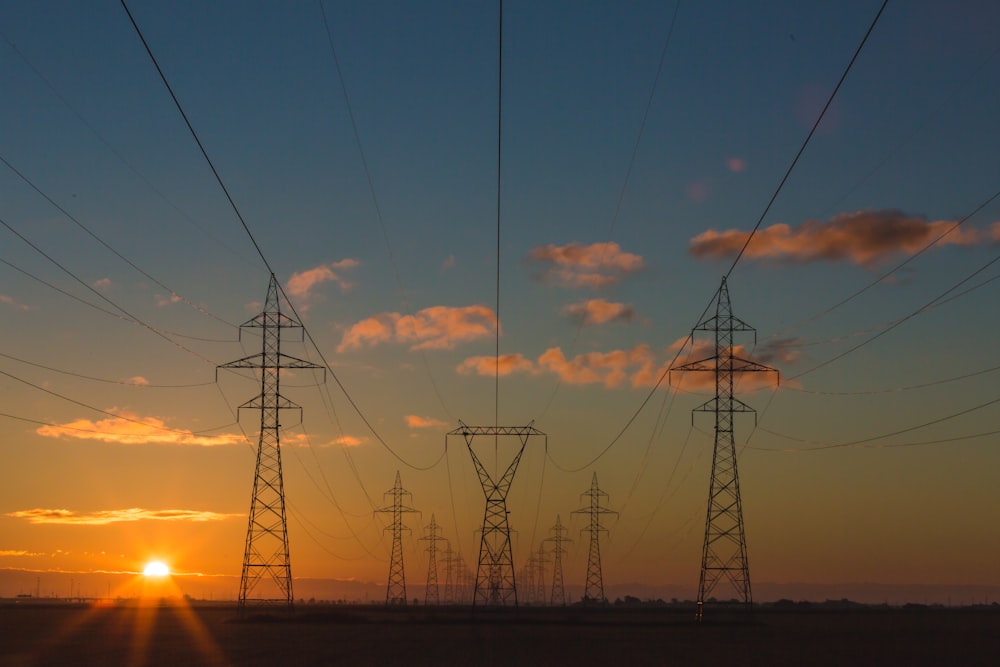
Grid instability is not just a theoretical concern; it has immediate consequences for mobility. Recent extreme weather events, such as Hurricane Helene, demonstrated that EVs can quickly become paperweights when the centralized power supply fails for extended periods. Unlike a gas station that can run on a small auxiliary generator to pump liquid fuel, high-speed EV chargers require massive amounts of energy that the current grid cannot always deliver during a crisis. This vulnerability highlights a significant electric car infrastructure problem: the total dependency on a stable, high-voltage connection.
Furthermore, the financial burden of stabilizing this system is astronomical. BloombergNEF estimates that approximately $15.8 trillion in global grid investment is required by 2050 to upgrade physical infrastructure such as wires, cables, and substations. According to research from Boston Consulting Group, utilities may need to invest between $1,700 and $5,800 in grid upgrades for every electric vehicle added to the system through 2030. These costs are often passed down to consumers, complicating the economic argument for widespread adoption while leaving the grid susceptible to rolling blackouts and failures. Managing grid outage impact on ev charging requires a transition from being a passive load to an active, smart participant in energy management—a feat that is easier said than done.
Protecting electric vehicles from grid surge damage is another growing concern. When a strained grid recovers from a power failure, voltage spikes can damage sensitive onboard vehicle electronics and home charging units. This highlights the urgent need for ev charging safety during extreme weather and power failure, where the focus must shift from merely "connecting" cars to ensuring those connections do not become vectors for damage or systemic collapse.

The Invisible Attack Surface: Cybersecurity in Smart Charging
While the physical grid faces heavy lifting, a more insidious threat lurks within the code. Modern chargers are no longer simple electrical outlets; they are sophisticated IoT devices that communicate with vehicles, cloud platforms, and utility providers. This connectivity introduces significant ev charging cybersecurity vulnerabilities. Every charging station represents a gateway into a vehicle’s internal systems and, by extension, the larger electrical grid.
The industry is currently grappling with widespread ev charging infrastructure problems related to legacy protocols like OCPP 1.6. While functional, these older standards lack the mutual authentication required to prevent sophisticated man-in-the-middle attacks. Hackers identifying smart ev charger software security flaws can intercept data, steal user payment information, or even manipulate the charging load. During the Pwn2Own Automotive 2026 competition, security researchers demonstrated how 76 different zero-day exploits could be used to take control of charging sessions, highlighting a massive gap in current hardware protection.

The risks are not limited to public high-speed hubs. Securing home ev chargers against network vulnerabilities is becoming a priority for cybersecurity professionals. A compromised home charger can serve as a point of entry for attackers to access a homeowner's private network, accessing cameras, computers, and smart home devices. Moreover, if a botnet were to gain control of thousands of home chargers, it could coordinate a massive surge in power demand, effectively weaponizing the vehicles to destabilize power distribution.
Mitigating cybersecurity risks in smart grid ev integration requires a shift toward the ISO 15118 standard. This protocol enables "Plug & Charge" functionality through encrypted digital certificates, ensuring that only authorized vehicles can communicate with the charger. However, the transition is slow, and millions of older chargers remain in the field with outdated firmware, susceptible to exploits that have already been patched in newer models. Without mandatory, over-the-air firmware updates for all connected chargers, the grid remains vulnerable to coordinated digital disruption.
Infrastructure Resilience: Microgrids and Hardware Solutions
To solve these persistent ev charging infrastructure problems, the industry is looking toward decentralized energy models. Microgrids—localized energy systems that can operate independently of the main grid—offer a promising path forward. By integrating solar arrays and stationary battery storage at charging sites, providers can ensure cars remain mobile even during a total grid failure. This provides a layer of resilience that centralized infrastructure simply cannot match.
Finding reliable ev charging hardware for unstable grid areas is essential for rural and coastal communities. Hardware that supports Vehicle-to-Home (V2H) or Vehicle-to-Grid (V2G) technology allows the EV itself to act as a backup battery for the house. While the cost for commercial dual stations ranges from $1,190 to over $4,090 depending on output, the long-term value lies in their ability to perform load balancing. By charging during off-peak hours and discharging during peaks, these smart systems reduce the overall strain on the utility company.
The regulatory landscape is also shifting to ensure hardware is built to last. We are seeing a move away from "dumb" hardware toward edge computing solutions that can process security protocols locally rather than relying entirely on a vulnerable cloud backend. This shift is critical for maintaining energy security as we scale from thousands to millions of electric cars on the road.
The Regulatory Roadmap: Transitioning to Secure Infrastructure
| Implementation Phase | Key Requirements | Primary Focus |
|---|---|---|
| Stage 1 (Current) | OCPP 1.6/2.0 adoption | Basic connectivity and billings |
| Stage 2 (2025-2026) | ISO 15118 & V2G Testing | Mutual authentication and bidirectional flow |
| Stage 3 (2027-2028) | Mandatory Cyber Certification | Penetration testing and zero-day protection |
| Stage 4 (2029+) | 100% Domestic Supply Chain | Security of physical components and data sovereignty |
FAQ
What are the main challenges facing EV charging infrastructure?
The primary challenges involve balancing the massive increase in electricity demand with aging grid hardware, alongside securing the digital network against cyberattacks. As vehicles become more integrated with the grid, the potential for software flaws to cause physical power outages increases, requiring significant investment in both physical cables and cybersecurity protocols.
Why are so many public EV charging stations out of order?
Uptime issues are often caused by a combination of physical hardware wear, communication failures between the charger and the cloud backend, and a lack of standardized maintenance schedules. Many older stations lack the internal diagnostics needed to alert technicians of a failure before a user arrives to find the unit broken.
Is the power grid capable of supporting more EV charging stations?
The grid can support more EVs, but not without significant localized upgrades. While the overall nationwide capacity might be sufficient for now, the specific substations and transformers in residential neighborhoods are at risk of overloading if multiple households install high-speed chargers without smart load management systems.
What are the main safety concerns with EV charging stations?
Beyond electrical fire risks, the main safety concerns involve cybersecurity and reliability during emergencies. If a charging network is hacked, it could prevent thousands of people from being able to charge their vehicles during an evacuation. Additionally, grid surge damage can potentially harm the vehicle's battery management system if proper protection isn't in place.
What is being done to solve EV infrastructure problems?
Governments and private companies are investing billions in grid modernization and the deployment of microgrids. New technical standards like ISO 15118 are being implemented to provide better encryption, and manufacturers are increasingly focusing on making chargers that can function as "smart endpoints" to help balance the grid rather than just straining it.