Quick Facts
- True Ownership: Buying from the manufacturer means the phone is yours from day one, not the carrier's property under a 36-month contract.
- Bloatware-Free: Manufacturer-direct phones typically contain 0% carrier bloatware, compared to the 5–10 third-party apps often pre-installed on carrier models.
- Financial Perks: Pre-order deals can offer up to $200 in instant savings or $150 in store credits for accessories.
- Resale Value: Unlocked Android devices consistently fetch higher prices on the secondary market because they work on any network.
- Travel Ready: Avoid roaming fees by using local SIM cards instantly—no need to beg a carrier for an unlock code.
For years, the "free" phone has been the cornerstone of the American mobile experience. You walk into a carrier store, sign a few documents, and walk out with a brand-new flagship for $0 down. It feels like a win—until you turn the phone on. You’re immediately greeted by a folder of "recommended" games like Monopoly Go, a proprietary cloud storage app you’ll never use, and the realization that you are now tethered to that network for the next three years.
As an editor who has spent a decade testing everything from the latest folding screens to budget-friendly slabs, I’ve seen the tide shift. The convenience of carrier financing is increasingly overshadowed by the hidden costs of software clutter, delayed updates, and restricted freedom. Buying your Android phone directly from the maker—whether it’s Google, Samsung, or Motorola—isn’t just a tech enthusiast’s preference; it’s the smartest financial and functional move for the average user.
1. Unlocked Freedom: Beyond the SIM Tray
When you buy a phone from a manufacturer, it arrives "unlocked." In technical terms, this means the software isn’t restricted to a specific carrier’s frequency bands or network locks. In lifestyle terms, it means you have total control over your mobile service. You can switch from Verizon to T-Mobile over a lunch break if you find a better deal, without having to pay off a massive "device balance" first.
This freedom is most apparent the moment you step off a plane in a foreign country. While carrier-locked users are often hit with $10-a-day international roaming fees, unlocked users can simply pop in a local SIM card or download a regional eSIM.

Beyond travel, unlocked phones hold a significant edge in the resale market. When you’re ready to upgrade to the next big thing, an unlocked device is far more attractive to buyers. A prospective buyer on Swappa or eBay doesn’t have to worry if the phone will work on their specific network; they know it will work on all of them. This flexibility translates directly into a higher resale value, often netting you $50 to $100 more than a carrier-locked equivalent.
| Feature | Manufacturer-Direct (Unlocked) | Carrier-Locked Model |
|---|---|---|
| Network Choice | Switch carriers anytime | Locked for 24-36 months |
| International Travel | Use local SIMs instantly | High roaming fees or unlock requests |
| Resale Value | High (Universal compatibility) | Lower (Restricted to one network) |
| Dual SIM/eSIM | Fully functional | Often restricted or disabled |
2. The Bloatware Battle: A Cleaner Android Experience
One of the most frustrating aspects of buying from a carrier is the "carrier tax" on your storage and user interface. Carriers often strike deals with third-party developers to pre-install apps on your device. This is why a brand-new phone might come with three different "help" apps, a generic navigation tool, and several mobile games you never asked for.
Statistically, manufacturer-direct Android phones contain 0% carrier bloatware. In contrast, carrier models frequently arrive with 5 to 10 pre-installed third-party apps. While you can "disable" some of these, many cannot be fully uninstalled, eating up valuable gigabytes of storage and occasionally running background processes that can impact battery life and system snappiness.
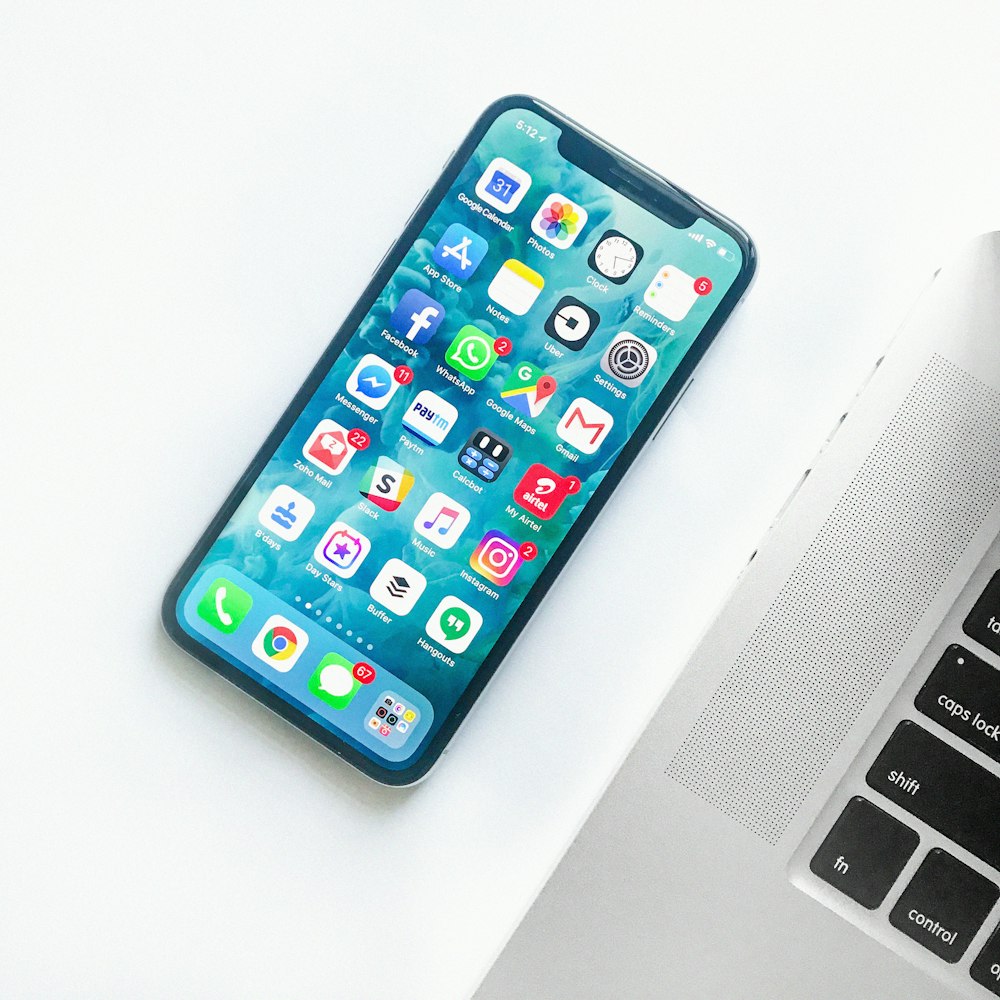
When you buy a Pixel from the Google Store or a Galaxy from Samsung.com, you get the software experience the designers intended. The interface is cleaner, the app drawer isn't cluttered with junk, and the system resources are dedicated to the apps you choose to install. For a device you use hundreds of times a day, that lack of friction is priceless.
Pro Tip: If you do find yourself with a carrier-locked phone, check your "App Manager" in settings. Even if you can't uninstall a carrier app, you can often "Disable" it to prevent it from running in the background and draining your battery.
3. Financial Savvy: Upfront Costs vs. Long-Term Value
The biggest hurdle for direct-to-consumer buying is the upfront cost. It’s hard to ignore a "free" phone offer at a carrier store. However, these deals are rarely actually free. They are usually structured as "bill credits" spread over 36 months. If you want to leave that carrier or upgrade early, those credits disappear, and you owe the remaining balance of the phone's full retail price.
On the flip side, manufacturers have become incredibly aggressive with their own incentives to bypass the carriers. During launch windows, buying direct is often cheaper in the long run.
- Pre-order Bonuses: It’s common to see manufacturers offer $100 to $200 in instant store credit. This can be used to grab a "free" pair of premium earbuds or a smartwatch—accessories you’d usually have to pay full price for at a carrier store.
- Exclusive Trade-In Values: Samsung and Google frequently offer enhanced trade-in values that exceed the market rate for older devices. For example, during the launch of the Motorola Razr, some users saw up to $200 in instant savings specifically on high-capacity storage models.
- Direct Financing: You don't need a carrier to pay in installments. Most manufacturers offer 0% APR financing through partners like Affirm or Samsung Finance, giving you the same monthly payment flexibility without the 3-year service contract.
4. Exclusive Customization and Direct Support
Carriers generally stock the "safe" options—the colors and storage sizes they know will sell to the widest possible audience. This usually means you’re stuck choosing between Black, White, or maybe a muted Blue.
If you want a phone that stands out, the manufacturer’s website is your best friend. Samsung, for instance, often reserves its most striking colors—like Silver Shadow or Pink Gold—exclusively for their own webstore.
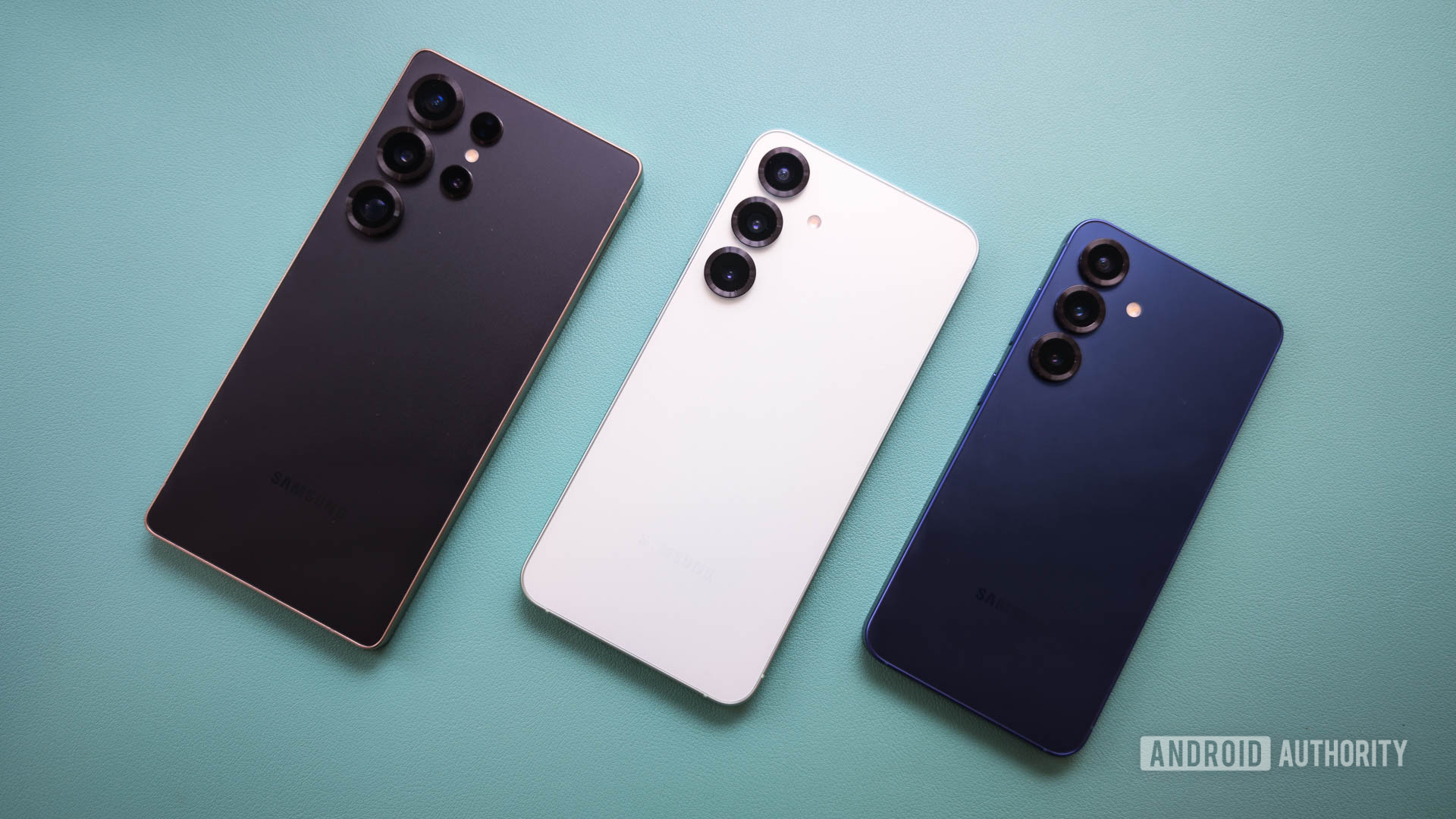
Beyond aesthetics, there is the issue of "tiering." Carriers rarely stock the highest-tier storage configurations because they are expensive and niche. If you need a 1TB model for high-resolution video or massive local libraries, you almost certainly won't find it on a carrier shelf. Buying direct is often the only way to get the hardware specs you actually need.
Finally, there’s the support aspect. When you buy direct, you have a direct line to the people who made the phone. If something goes wrong, you aren't stuck as the middleman between a carrier’s customer service and a manufacturer's repair center. Warranty processing is often faster and more transparent when handled at the source.
5. Software Updates: Cutting Out the Middleman
For many, the most compelling reason to buy direct is the speed of software updates. When Google or Samsung releases a security patch or a new version of Android, it has to go through a "certification" process for every carrier.
Verizon, AT&T, and T-Mobile all want to ensure that the new software doesn't break their specific carrier apps or network features. This can delay critical security patches by weeks or even months. If you buy an unlocked device, you are often at the front of the line. The update goes from the developer directly to your device.
This is especially vital for security. In an era where our phones hold our banking info, private messages, and health data, waiting three extra months for a security patch because a carrier is testing their "Help" app is a risk you shouldn't have to take.
6. The Best Unlocked Android Phones for 2026
If you're ready to break free from the carrier cycle, 2026 offers some of the most refined hardware we've ever seen. Each of these devices shines brightest when bought in its pure, unlocked form.
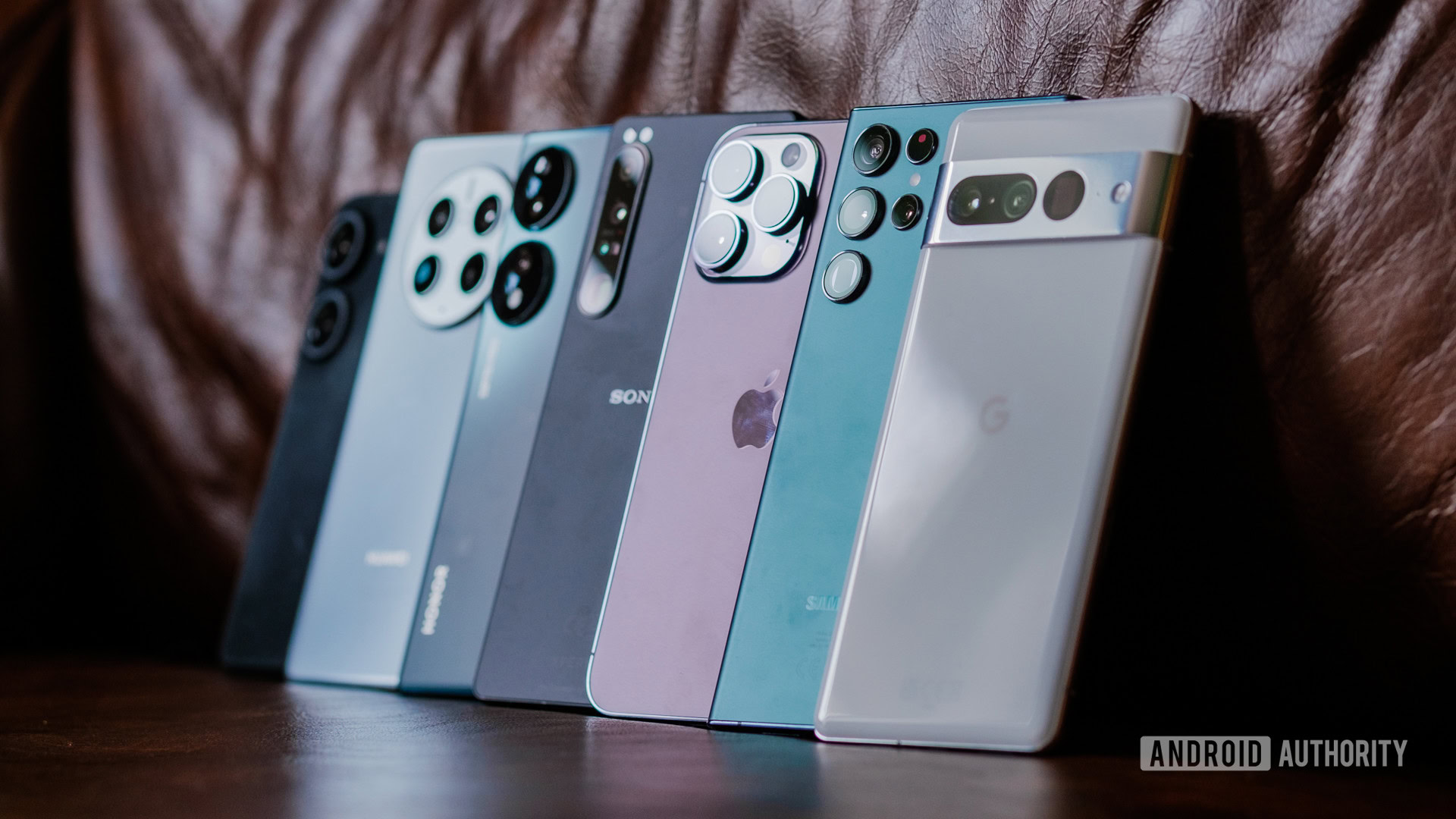
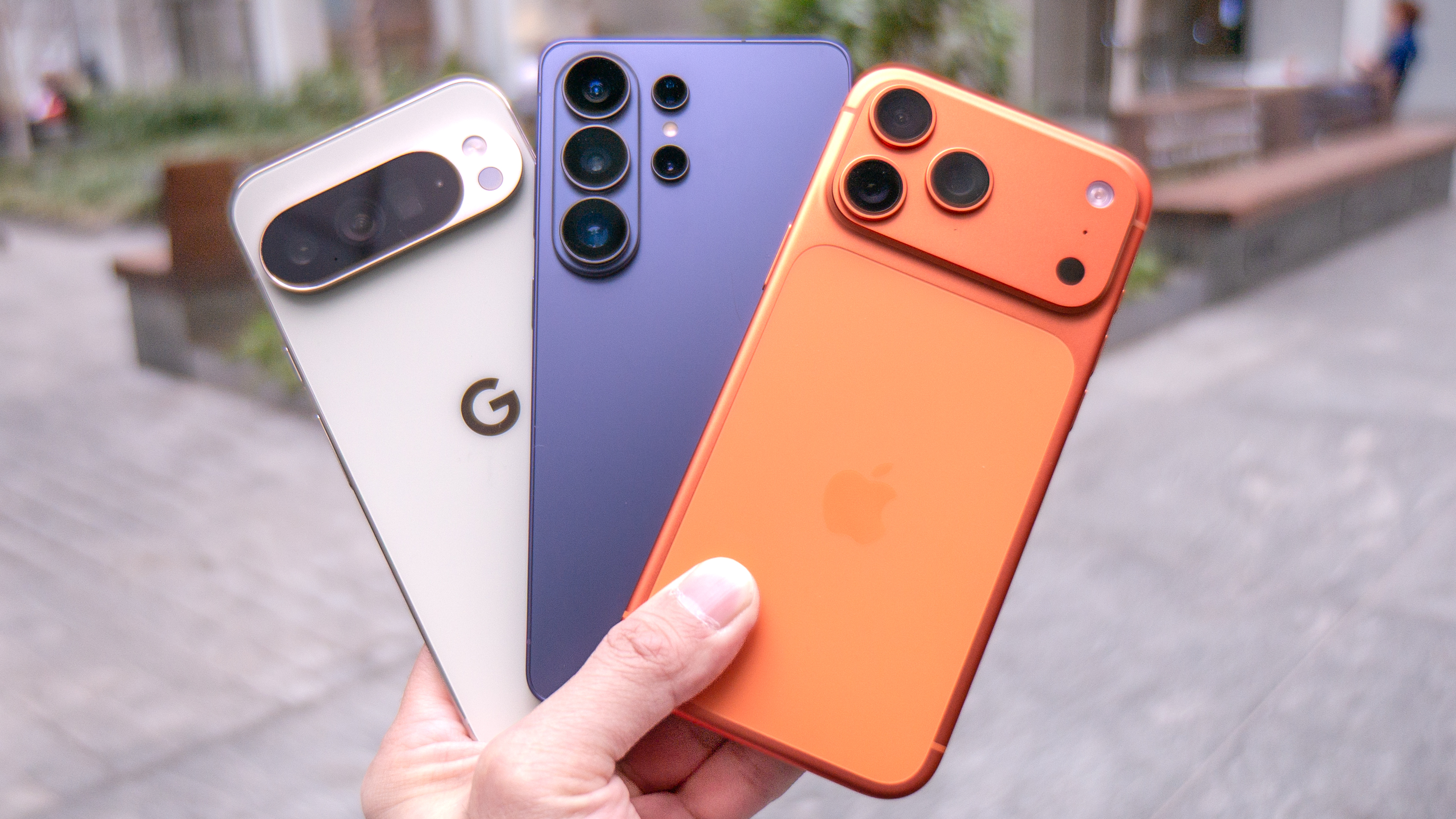
Google Pixel 10 Pro: Best for AI and Photography
The Pixel 10 Pro represents the pinnacle of Google's vision for Android. Buying this direct ensures you get the "Feature Drops" the moment they are announced. It’s the ultimate choice for those who want a smart, clean, and incredibly capable camera system without any carrier interference.
Samsung Galaxy S25 Ultra: The Productivity King
The S25 Ultra is a beast of a phone, and it deserves to be used without restrictions. By purchasing from Samsung, you can often secure the 1TB storage tier and exclusive online colors. It’s a professional tool that works better when it’s not cluttered with carrier shortcuts.
Motorola Razr Ultra: The Style Icon
Motorola has reclaimed the "cool" factor with the Razr Ultra. Because this is a lifestyle device, the manufacturer often offers the best pre-order bundles, including premium cases or even smartwatches. It's the perfect example of a phone that benefits from the "Unlocked Freedom" of switching to whichever carrier currently has the best 5G coverage in your area.
FAQ
Q: If I buy a phone from the manufacturer, will it still work with my current carrier? A: Yes! Unlocked phones are designed to work with all major US carriers, including T-Mobile, Verizon, and AT&T, as well as smaller MVNOs like Mint Mobile or Google Fi. You simply swap your existing SIM card or activate an eSIM.
Q: Do I lose my carrier's insurance if I buy direct? A: You might not be able to use the carrier's specific insurance (like Verizon’s Total Mobile Protection), but you can—and should—get the manufacturer’s insurance, such as Samsung Care+ or Google Store Preferred Care. These often offer better repair options and use genuine parts.
Q: Are unlocked phones really more expensive? A: Upfront, yes. However, when you factor in the lack of a 36-month contract, the ability to switch to cheaper monthly plans, higher resale value, and pre-order bonuses, the "Total Cost of Ownership" is often lower than a carrier-financed device.
The Bottom Line
Buying an Android phone in 2026 is about more than just hardware; it’s about choosing your relationship with your technology. While carrier stores offer the path of least resistance, the manufacturer-direct route offers the path of most value. Between the clean software, the faster updates, and the freedom to walk away from a carrier whenever you choose, the maker-direct experience is simply superior.
Don't let a "free" phone offer lock you into a three-year compromise. Take control of your mobile life and buy your next Android device at the source.