Our Top Picks
- Best Overall Performance: OnePlus 13R – A total powerhouse using the Snapdragon 8 Gen 3 to offer flagship-level gaming for approximately $600.
- Best for Longevity: Google Pixel 10a – Matches premium flagships with a guaranteed 7-year update cycle and Google’s smartest AI features.
- Best for Gaming & Style: Nothing Phone 4a Pro – Features a unique 144Hz display and the efficient Snapdragon 7 Gen 4 for sustained high-frame-rate play.
- Best All-Rounder: Samsung Galaxy S25 FE – Combines a stunning Super AMOLED screen with the polished One UI 8 experience and long-term support.
The mobile landscape in 2026 has reached a fascinating tipping point. For years, the "flagship" was the only way to get a phone that didn't stutter after six months. But today, that myth is officially dead. Modern mid-range "flagship killers" like the OnePlus 13R now provide approximately 90% of flagship processing power while retailing for less than 50% of the price of premium $1,200+ models.
If you’re looking for the best value smartphones under $600, you no longer have to settle for "good enough." You can get hardware that actually outperforms many of last year's most expensive devices. As an editor who spends hundreds of hours testing these devices, I can tell you: the gap has never been thinner. Here are the four overpowered mid-range phones that are currently making $1,000 flagships look like a bad investment.
2026 Mid-Range Power Comparison
| Model | Chipset (SoC) | RAM | Battery | Support | Est. Price |
|---|---|---|---|---|---|
| OnePlus 13R | Snapdragon 8 Gen 3 | 12GB | 5,100 mAh | 4 Years | $599 |
| Pixel 10a | Google Tensor G4 | 8GB | 5,100 mAh | 7 Years | $499 |
| Nothing 4a Pro | Snapdragon 7 Gen 4 | 12GB | 5,000 mAh | 4 Years | $549 |
| S25 FE | Snapdragon 8 Elite | 8GB | 4,800 mAh | 7 Years | $649 |
1. OnePlus 13R: The Raw Performance Monster
The OnePlus 13R is the highest-performing mid-range phone of 2026, utilizing the Snapdragon 8 Gen 3 chipset and 12GB of RAM to deliver flagship-level gaming and multitasking for roughly $600. While other brands are busy trying to sell you titanium frames, OnePlus focused on the engine.
In my testing, the 13R handles heavy titles like Genshin Impact and Zenless Zone Zero at max settings without breaking a sweat. It uses a high-performance vapor chamber cooling system that keeps the frame rate stable even during hour-long sessions. It’s a performance monster, bordering on flagship territory, for half the price.
Key Specifications:
- Processor: Qualcomm Snapdragon 8 Gen 3
- Display: 6.78-inch 120Hz LTPO AMOLED (1.5K Resolution)
- Battery: 5,100 mAh with 80W SuperVOOC Charging
- Main Camera: 50MP Sony LYT-600 with OIS
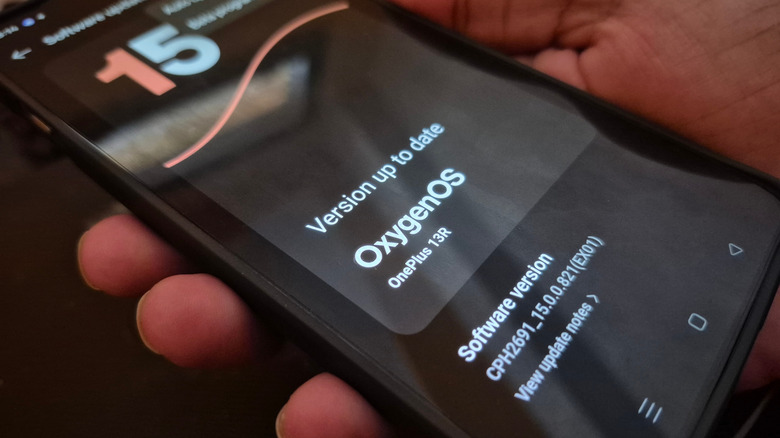
Who Should Buy This: Power users and mobile gamers who want maximum speed and the fastest charging possible on a budget.
Further Considerations: To keep the price low, OnePlus used an IP65 rating rather than the fully waterproof IP68. The secondary cameras (ultra-wide and macro) are also just "okay" compared to the main sensor.
2. Google Pixel 10a: The Longevity & AI King
For users prioritizing longevity, the Google Pixel 10a offers the best software support in the mid-range category with a guaranteed 7-year update cycle, matching Google's premium flagship lineup. This isn't just about security patches; you’re getting the latest version of Android until 2033.
The Pixel 10a is powered by the Tensor G4, the same brain found in the more expensive Pixel 10. While it may not win a raw benchmark race against the OnePlus 13R, it wins the "intelligence" race. It’s packed with Gemini AI features—like "Circle to Search," real-time AI translation, and Magic Editor—that actually make your daily life easier.
Key Specifications:
- Processor: Google Tensor G4
- Display: 6.1-inch Actua Display (120Hz)
- Software: 7 years of OS & Security updates
- Battery: 5,100 mAh with improved wireless charging
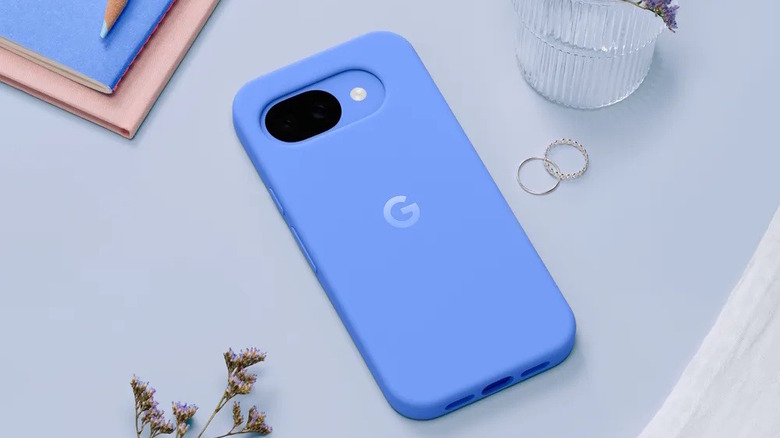
Who Should Buy This: People who plan on keeping their phone for 4+ years and those who want the best-in-class point-and-shoot camera software.
Further Considerations: The 6.1-inch screen is smaller than most modern phones. If you have large hands or love watching movies, you might find it a bit cramped.
3. Nothing Phone 4a Pro: The Gaming & Design Specialist
The Nothing Phone 4a Pro stands out as the best mid-range gaming choice due to its unique 144Hz AMOLED LTPS display and the powerful Qualcomm Snapdragon 7 Gen 4 processor. While the "7 series" chip might sound like a step down, the Gen 4 version is specifically tuned for high-refresh-rate efficiency.
Beyond the specs, Nothing continues to lead in aesthetics. The updated Glyph Matrix interface on the back isn't just a gimmick anymore; it integrates with your calendar, timer, and even delivery apps to show progress through light patterns. It’s the only phone in this price bracket that feels like a conversation piece.
Key Specifications:
- Processor: Qualcomm Snapdragon 7 Gen 4
- Display: 6.7-inch 144Hz AMOLED (LTPS)
- Design: Glyph Matrix LED interface with transparent back
- Audio: Dual stereo speakers with Spatial Audio support
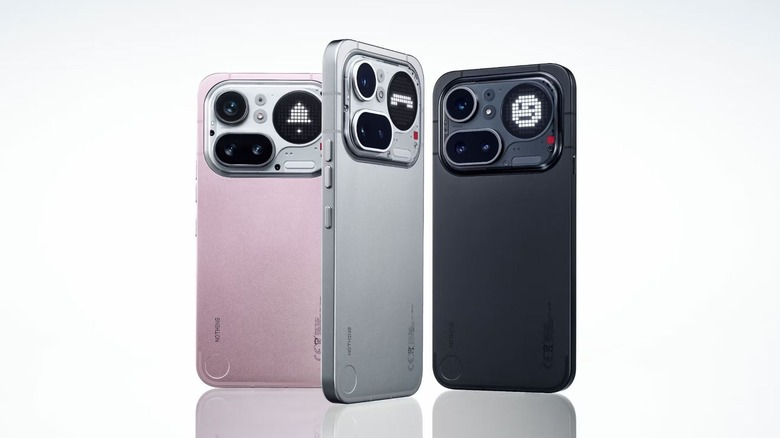
Who Should Buy This: Design-conscious users and competitive gamers who value screen fluidity (144Hz) over raw synthetic benchmarks.
Further Considerations: Nothing OS is very distinct. If you prefer a "stock" Android look or Samsung’s feature-heavy One UI, Nothing’s monochrome, dot-matrix aesthetic might take some getting used to.
4. Samsung Galaxy S25 FE: The Premium All-Rounder
Samsung’s "Fan Edition" has always been about taking the best parts of the S-series and cutting the price. The S25 FE continues this tradition by offering a slightly tuned version of the Snapdragon 8 Elite, giving it performance that rivals 2026 flagships from other brands.
What sets the S25 FE apart is the ecosystem. You get Samsung’s industry-leading Super AMOLED display tech and the most polished software experience in the business with One UI 8. It feels "expensive" in the hand, using premium materials that make you forget you paid hundreds less than your friend with the S25 Ultra.
Key Specifications:
- Processor: Snapdragon 8 Elite (Custom Tuned)
- Display: 6.7-inch Dynamic AMOLED 2X
- Software: 7 years of One UI updates
- Ecosystem: Full support for Samsung DeX and Galaxy AI
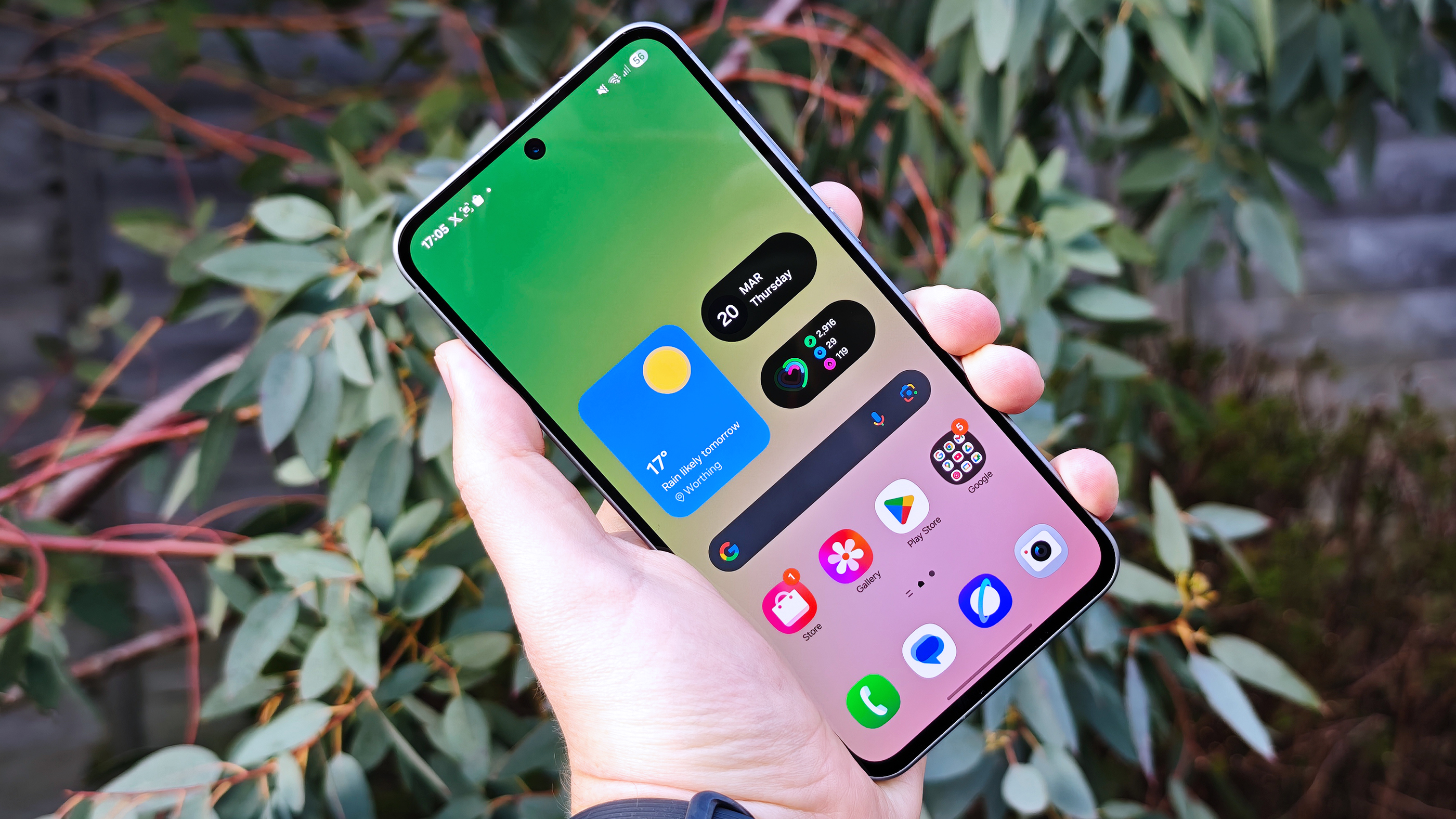
Who Should Buy This: Someone who wants a "safe" bet—a phone that does everything well, from the screen to the software, without any major trade-offs.
Further Considerations: Samsung still lags behind OnePlus in charging speeds. You’ll be stuck at 25W or 45W, which feels slow compared to the 80W+ speeds seen elsewhere in 2026.
Buyer’s Guide: What to Prioritize in 2026
When you’re looking at the OnePlus 13R vs Google Pixel 10a or any other high-performance budget phones, the spec sheet can get confusing. Here’s what you should actually care about this year:
1. The New Battery Standard
The 2026 mid-range standard for battery capacity has reached 5,100 mAh, a significant 15% increase in baseline power density compared to budget models from two years prior. If a phone is still offering 4,500 mAh, it’s behind the curve. Look for that 5,100 mAh mark to ensure you actually get a full day of heavy usage.
2. Sustained Performance vs. Peak Performance
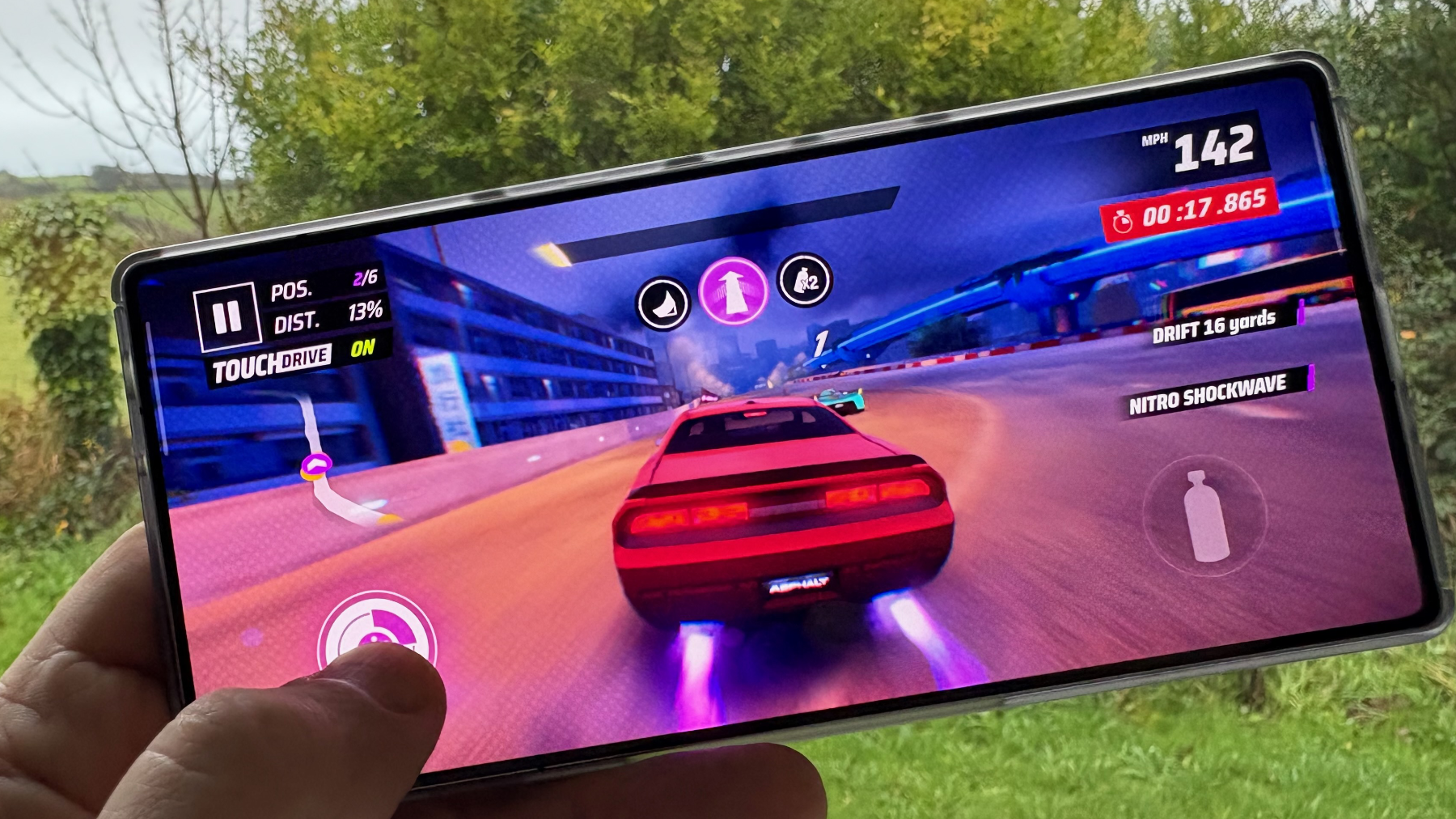
A phone might have a fast chip, but can it keep that speed for more than 10 minutes? In 2026, mid-range chipsets have advanced enough to handle high-fidelity mobile gaming without the thermal throttling of previous years. Look for reviews that mention "sustained performance" or "vapor chamber cooling."
3. The 7-Year Software Rule
In the past, buying a mid-range phone meant you were lucky to get two years of updates. That has changed. Both Google and Samsung now offer 7-year windows. If you plan on keeping your phone for a long time, this is more important than a slightly faster processor.
FAQ
Are mid-range cameras as good as flagship cameras in 2026?
In daylight, they are virtually indistinguishable. However, $1,200 flagships still hold the lead in extreme low-light performance and long-distance zoom (10x and beyond). For 90% of social media posts, a phone like the Pixel 10a is more than enough.
Why is the OnePlus 13R so much cheaper if it has a flagship chip?
OnePlus saves money by using a plastic-composite frame instead of titanium, using slightly older Gorilla Glass versions, and omitting expensive features like periscope zoom lenses and high-tier IP68 waterproofing.
Does the Nothing Phone 4a Pro work with all carriers?
Yes, the 2026 models have broad 5G band support, but as always, check with your specific carrier if you are using a smaller regional provider to ensure full VoLTE compatibility.
The Verdict
You no longer need to spend four figures to get a phone that feels "premium." Whether you want the raw power of the OnePlus 13R, the incredible AI and support of the Pixel 10a, the gaming flair of the Nothing Phone 4a Pro, or the balanced excellence of the Samsung S25 FE, the mid-range market is where the real innovation is happening.
Choose the device that fits your lifestyle—not the one with the highest price tag.