Buying a new smartphone in 2026 feels a lot like being a PC enthusiast in the early 2010s. Back then, you could spend a fortune "overclocking" your rig to squeeze out every frame per second, but for the average person writing an email, a budget laptop worked just as well. Today, we’ve reached a similar "Great Equalization" in mobile tech. When even a $400 phone can scroll through TikTok without a stutter and take a decent sunset photo, the thousand-dollar question—literally—is whether the "Ultra" and "Pro" labels still mean anything to your daily life.
As someone who spends more time testing silicon benchmarks than I do sleeping, I’ve seen the gap between the "haves" and "have-nots" of the Android world narrow significantly. However, 2026 has introduced a new variable that changes the math: Generative AI.
The Direct Answer: For 90% of users, a flagship Android phone is no longer a necessity; mid-range devices now offer 95% of the experience. However, if you are a "Power User" who relies on advanced on-device AI tools, professional-grade mobile videography, or you plan to keep your phone for seven years, that $1,000+ investment is finally justifiable again.
The Real Difference: What Your $1,000 Actually Buys
In previous years, we talked about "speed." In 2026, we talk about "capacity." The internal architecture of a flagship has shifted away from just raw clock speeds to supporting complex, on-device neural processing.
The SoC & On-Device AI Power
If you look at the spec sheet of a 2026 flagship, you’ll notice a major jump in RAM. While 8GB was the "smoothness" standard for years, flagship models have now pivoted to 12GB or 16GB as the mandatory baseline. This isn't for Chrome tabs; it's for "Magic Cue" and real-time "Voice Translate."
Modern generative AI requires a portion of your RAM to be permanently dedicated to running local models. Budget phones often offload these tasks to the cloud, resulting in a 2-3 second lag. Flagships, powered by the latest Snapdragon 8 series or Tensor G5 chips, handle this locally. If you use your phone for real-time AI drafting, live language translation during travel, or complex photo manipulation, that extra RAM is the difference between a tool that helps you and a tool that frustrates you.
The Camera Hardware Gap
We’ve seen incredible strides in computational photography, but software can only do so much to compensate for the laws of physics. Mid-range phones are masters of the "Main Sensor"—they take great 1x photos. But as soon as you want to zoom in on your kid’s soccer game or film a cinematic vlog, the flagship hardware pulls ahead.
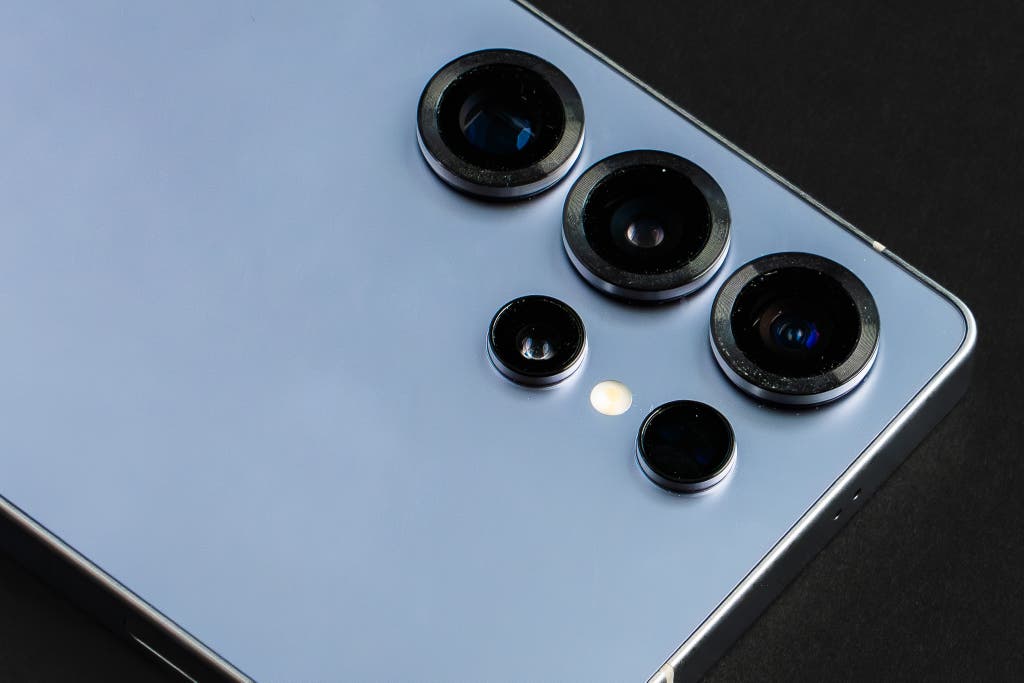
The 2026 flagship tier is defined by specialized optics:
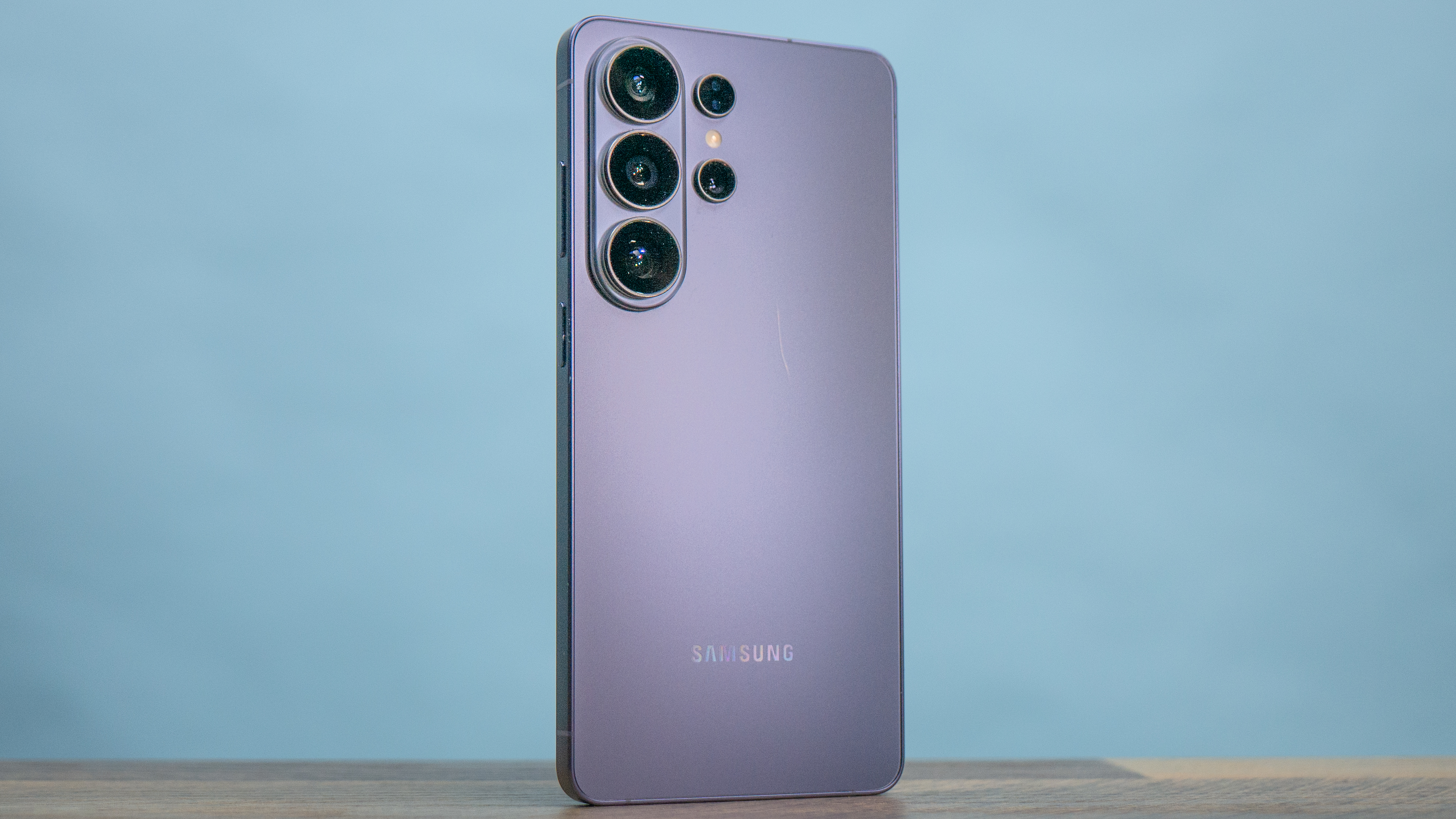
- Periscope Telephoto Lenses: While a Pixel 10a might offer digital crop, a Galaxy S25 Ultra uses physical glass to achieve 10x optical clarity.
- Massive Sensors: 1-inch types and 200MP sensors allow for 8K video recording that actually looks professional, rather than just "high res."
- Specialized Software: Flagships get the "Video Boost" and "Leica Color Profiles" that require massive processing power to render in real-time.
Power Users vs. Casual Browsers: Finding Your Category
To decide if the extra money is worth it, you need to be honest about your "Silicon Persona." I categorize most of our readers into two camps: the Silicon Junkie and the Everyday Minimalist.
The Power User (The Silicon Junkie)
This user treats their phone like a primary computer. You know you're in this category if you find yourself frustrated by background apps closing or if you frequently use "Desktop Modes" like Samsung DeX. For you, the flagship provides:
- Heavy Multitasking: Running a video call while taking notes and having an AI assistant summarize the meeting simultaneously.
- High-End Gaming: Playing titles with ray-tracing enabled (think Genshin Impact 2026 Edition) without the phone becoming a hand-warmer.
- Productivity Tools: Features that are physically absent in cheaper models.
The Everyday User (The Minimalist)
If your screen time is dominated by Instagram, WhatsApp, Spotify, and the occasional casual game like Subway Surfers, you are at the point of diminishing returns. The "snappiness" of a $1,200 phone versus a $500 phone is now measured in milliseconds—imperceptible to anyone not holding a stopwatch.
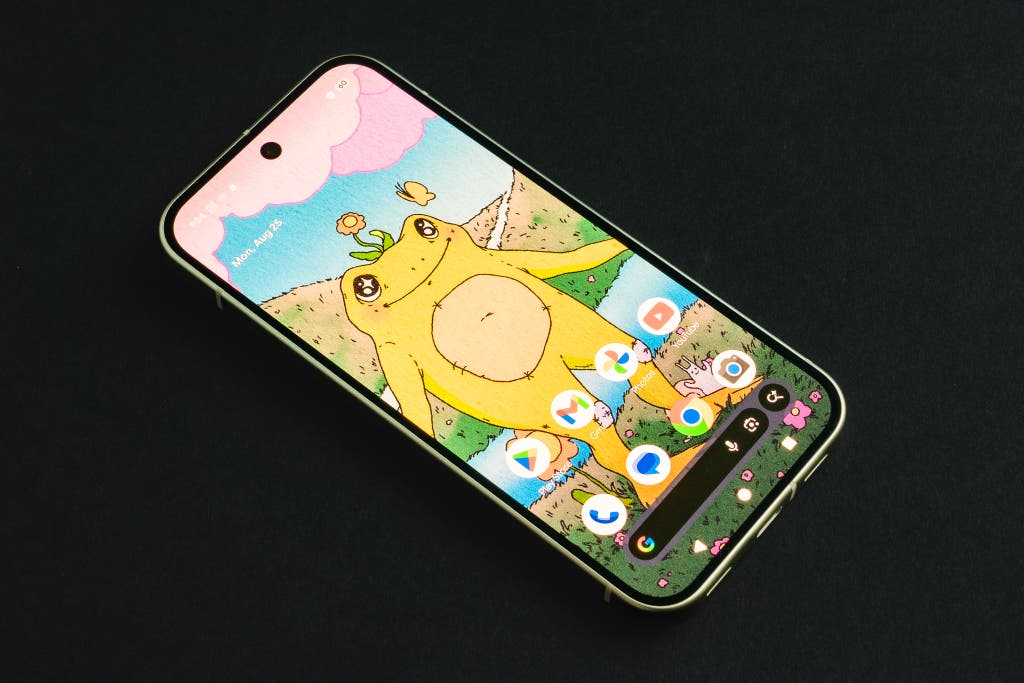
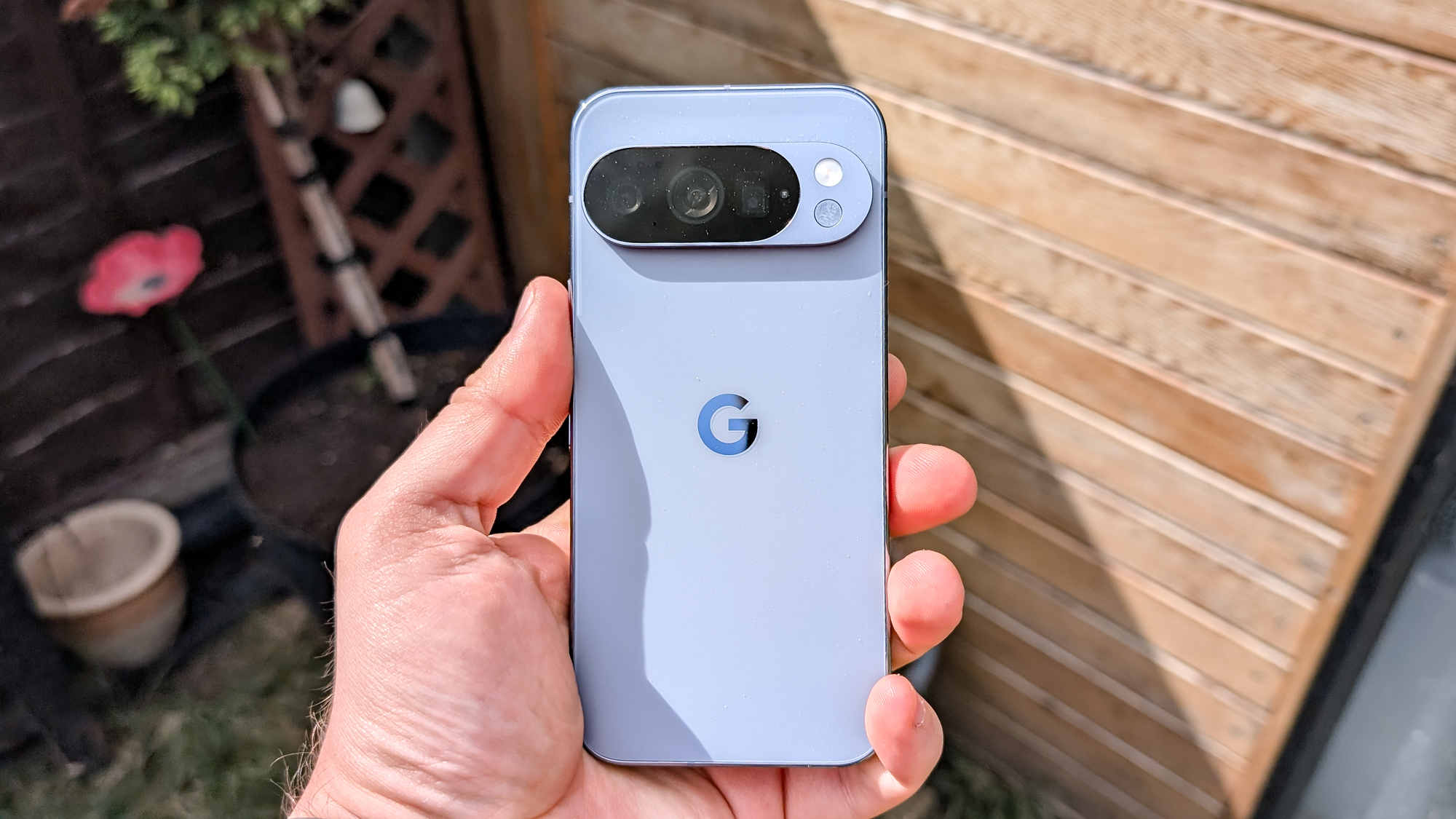
For this user, the "base" flagship models—like the standard Google Pixel 10—are the sweet spot. You get the premium build quality and the high-refresh-rate OLED screen without paying the "Ultra" tax for a camera lens you’ll only use once a year.
The Longevity Factor: Software Support Through 2032
One of the strongest arguments for the flagship in 2026 is actually a financial one: the "Cost Per Year."
In the past, budget phones were disposable. You’d get two years of updates if you were lucky, and then the phone would become a security risk. In 2026, the industry has shifted. Google and Samsung now offer a 7-year software support commitment for their flagship series.
| Feature | 2026 Flagship (e.g., S26 Ultra) | 2026 Budget (e.g., A-Series) |
|---|---|---|
| RAM Baseline | 12GB - 16GB | 6GB - 8GB |
| Support Window | Until 2032 or 2033 | Until 2028 or 2029 |
| Build Material | Titanium / Gorilla Armor | Plastic / Standard Glass |
| AI Processing | On-Device (Fast) | Cloud-Based (Slower) |
If you buy a flagship today for $1,100 and keep it for seven years, your cost is roughly $157 per year. If you buy a $450 budget phone that slows down or loses support after three years, your cost is $150 per year. When you look at it that way, the flagship isn't "extra" money—it's an investment in hardware that won't feel like a dinosaur by 2029.
When to Buy a Mid-Range Instead
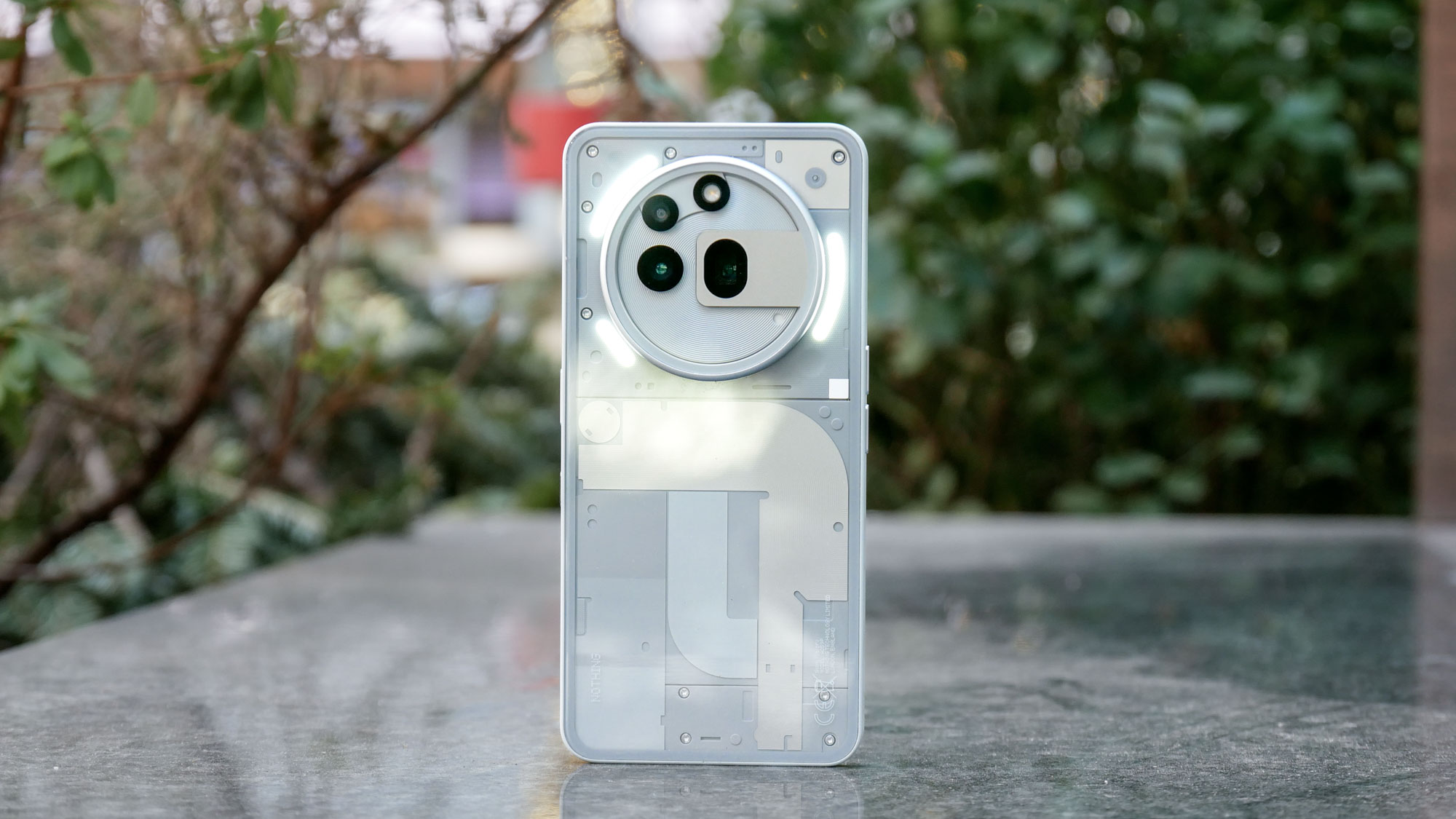
Despite the allure of the flagship, the "Budget Flagship" or "Mid-Range Plus" category has become incredibly sophisticated. Phones like the Nothing Phone 3a Pro or the Pixel 10a have started to adopt features that were exclusive to $1,000 phones just eighteen months ago.
You should skip the flagship if:
- You upgrade every 2 years: If you don't plan to keep the phone long-term, you aren't benefiting from the 7-year support cycle.
- You don't use a Telephoto lens: If 99% of your photos are of your food, your friends, or your pets at close range, you don't need a periscope zoom.
- You prefer "Light" AI: If you only need basic photo editing (like erasing a person from the background), mid-range phones can handle this perfectly well via cloud processing.
Final Recommendations for 2026
So, is it worth it? Yes, but only if you fit the profile. Here is my breakdown of the best-value moves you can make this year:
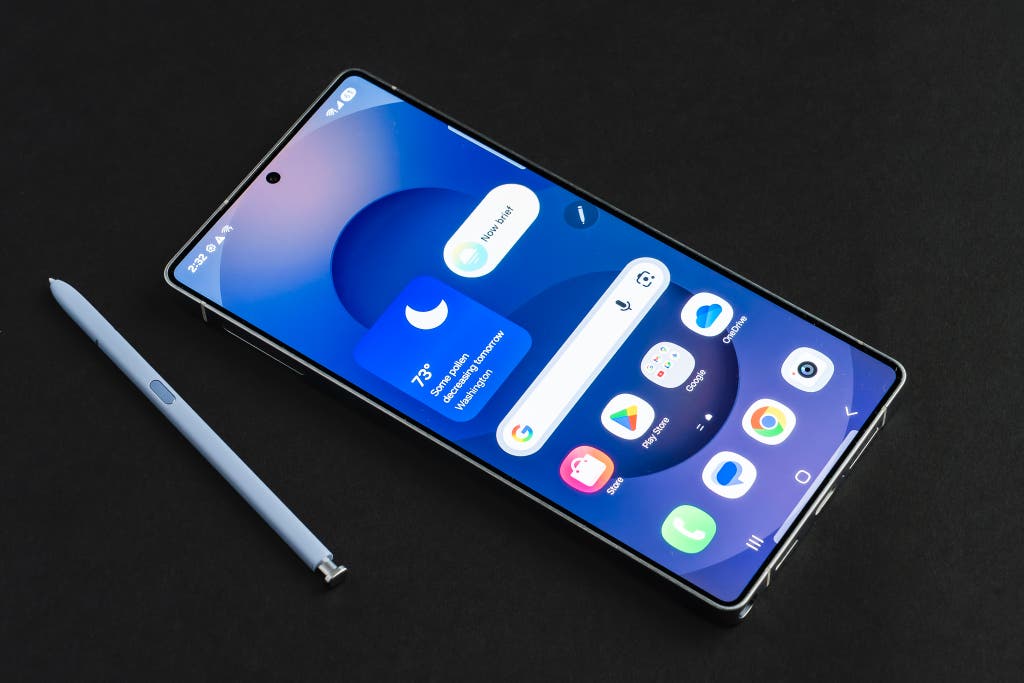
- Best for Creative Professionals: Samsung Galaxy S25 Ultra. With its integrated S Pen and 200MP camera, this is a productivity workstation. It’s worth the premium for those who actually use the stylus for signing documents or editing 8K video on the go.
- Best for Most People: Google Pixel 10 Pro. This is the "Goldilocks" phone of 2026. It offers the full suite of Google’s Gemini AI features and the best-in-class 7-year support without the unwieldy size or $1,300 price tag of the Ultra.
- Best for Gamers: Asus ROG Phone 9 Pro. If you care about haptic triggers and specialized cooling systems more than camera zoom, this is where your money should go.
Ultimately, the flagship Android phone of 2026 is no longer about "luxury"—it’s about capability. If your phone is your office, your cinema, and your creative studio, the extra $500 spent now will pay dividends every day for the next half-decade. But if it’s just a window to the internet? Save your money and buy the mid-range; the view is just as clear.
FAQ
Q: Does 16GB of RAM really make a difference on a phone? A: In 2026, yes. While 8GB is plenty for running Android itself, the new generation of on-device generative AI models requires a large "memory footprint." 16GB allows these AI features to run in the background without closing your other apps.
Q: Are mid-range phones less secure than flagships? A: Not necessarily at the start, but they often have shorter security update windows. A flagship will receive security patches for up to 7 years, whereas many budget models stop after 3 or 4, making them more vulnerable to new exploits as they age.
Q: Can I get "flagship" cameras on a budget? A: You can get a flagship main sensor on many mid-range phones (like the Pixel 'a' series), but you will almost always lose out on the high-quality telephoto (zoom) lenses and advanced video stabilization found in the premium models.