Statistical Snapshot: The 2026 Hardware Crisis
- RAM Price Forecast: Projected increase of 80% to 90% by mid-2026.
- Manufacturing Shift: Memory and storage will account for 23% of total BOM (Bill of Materials) costs, up from a historical average of 12-15%.
- Consumer Impact: Average laptop prices are expected to rise by $150 to $450 depending on the tier.
- Recovery Timeline: Industry stabilization is not forecasted until Q3 2028.
The Looming Price Surge: Why Your Next Upgrade Just Got More Expensive
If you’ve been holding off on a laptop upgrade, waiting for "the next big thing" or a seasonal price drop, I have some difficult news: your patience is about to become very expensive. As a computing editor, I usually advise readers to wait for the next silicon cycle—be it Intel’s latest architecture or Apple’s next M-series chip. But the landscape for 2026 has shifted from a standard generational transition into a full-blown hardware crisis.
We are entering a "Pay More, Get Less" dynamic. By early 2026, industry data suggests laptop prices will climb by as much as 30%. For a standard $1,000 professional ultrabook, that’s a $300 penalty just for waiting. Worse still, to keep "entry-level" prices appearing stable, manufacturers are already planning to downgrade base specifications, potentially reviving the dreaded 8GB RAM floor that we’ve spent years trying to kill.
Why are laptop prices increasing in 2026? The primary culprit is the global AI boom. It isn't just about "AI PCs" with fancy Neural Processing Units (NPUs); it's about the raw materials. The same high-performance memory and NAND flash storage required for your laptop are being diverted to massive AI data centers. When companies like NVIDIA, Microsoft, and Google place multi-billion dollar orders for HBM (High-Bandwidth Memory), consumer-grade RAM production is pushed to the back of the line, forcing manufacturers to pass doubled production costs directly onto you.

The AI Hunger: How Data Centers are Cannibalizing Consumer Hardware
To understand why your local Best Buy or Amazon cart is about to look different, we have to look at the silicon wafers. The three titans of memory—Samsung, SK Hynix, and Micron—have strategically pivoted their production lines. They are prioritizing High-Bandwidth Memory (HBM) and DDR5 server modules because the profit margins on AI hardware are astronomical compared to consumer laptops.
This isn't a theoretical shortage; it’s a zero-sum game. Every wafer dedicated to an H100 or Blackwell GPU server is one less wafer for the DDR5 RAM in your next laptop.
The Cost Breakdown: 2025 vs. 2026
| Component | 2025 Market Price (Avg) | 2026 Projected Price (Avg) | Percentage Increase |
|---|---|---|---|
| 32GB DDR5 RAM Kit | $90 - $110 | $175 - $210 | +90% |
| 1TB NVMe SSD | $65 - $85 | $105 - $130 | +60% |
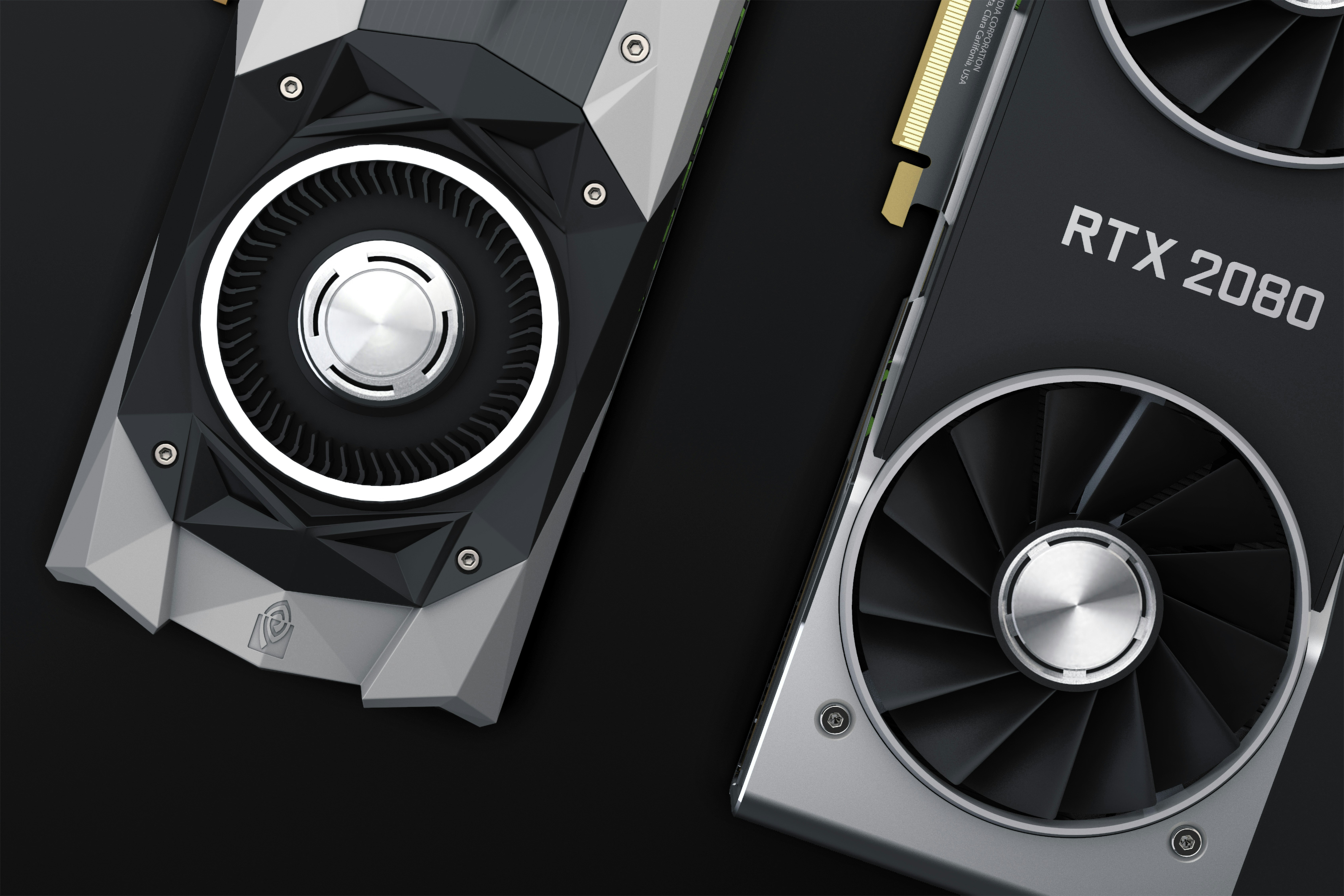
| Mid-range GPU (RTX 50-series) | $350 | $440 | +25% |
By 2026, memory and storage components are projected to account for 23% of total laptop manufacturing costs. Historically, this hovered between 12% and 15%. When nearly a quarter of the build cost is tied up in just two components, the "budget" $600 laptop either disappears or becomes a shell of its former self, likely shipping with sub-par displays and plastic chassis to offset the internal component costs.
Manufacturer Alert: Major Brands Implementing Immediate Hikes
We are already seeing the first waves of this inflation. Dell and HP, the bellwethers of the Windows ecosystem, have begun adjusting their enterprise and prosumer quotations. Internal reports indicate that Dell has already implemented price hikes ranging from $130 to $230 on their Latitude and XPS Pro models to account for the surging cost of LPDDR5x memory.
HP’s strategy for Q1 2026 involves a two-pronged approach: raising MSRP on high-end Spectre and ZBook models while simultaneously "thinning out" the specs on Pavilions. If you see a 2026 model priced the same as a 2024 model, look closely at the spec sheet—you’ll likely find a slower SSD or a lower-nit screen hiding behind the price tag.
Furthermore, Lenovo has signaled to its distributors that current price quotations on existing inventory will expire on January 1st. Any stock replenished after the New Year will be subject to the new, higher component pricing.
Pro Tip: If you are planning to buy for a business or a fleet, lock in your quotes before the end of the current quarter. The "wait and see" approach will likely cost your department thousands in unbudgeted hardware expenses.
If you're worried about the upfront cost of upgrading now to beat the hike, consider leveraging the residual value of your current machine. Many users sit on old hardware that loses 15% of its value every six months.
The Best Time to Buy is Now: Beating the 2028 Stabilization Forecast
When is the best time to buy a new laptop? The answer is unequivocally now. The window of "affordable" high-spec computing is closing fast. While technology usually gets cheaper over time, the current AI-driven supply chain distortion has inverted that rule.
Industry analysts don't expect price stability until at least 2028. This is because it takes years, not months, to bring new semiconductor fabrication plants (fabs) online. Until the global capacity for DRAM and NAND flash catches up with the insatiable hunger of AI data centers, the consumer will remain at the bottom of the priority list.
If you wait until 2026, you face a double-edged sword:
- Higher MSRP: You will pay roughly 30% more for the same tier of machine.
- Inventory Scarcity: Manufacturers will focus on high-margin "Premium AI Laptops," leaving the $700-$900 "sweet spot" market underserved and under-specced.
How to Future-Proof Your Purchase: Specs That Will Last Until 2030
Buying now is only half the battle; you need to buy the right machine. Because prices are going up, you want this next laptop to last at least five years. This brings us to the "Soldered RAM Trap."
Most modern ultrabooks—including the MacBook Air, Dell XPS, and Lenovo Yoga—now solder their RAM directly to the motherboard. This means the 8GB or 16GB you buy today is all that machine will ever have. As software becomes more resource-heavy (especially with local AI features in Windows 11 and macOS), low-memory machines will become sluggish long before their processors are obsolete.
What specifications should I look for to future-proof a laptop? To avoid costly repairs or premature obsolescence, prioritize these specs:
- RAM: 16GB is the absolute minimum; 32GB is the "Safe Zone" for 2030 longevity.
- Storage: 512GB minimum. While you can use external drives, your OS and core applications need fast internal NVMe space.
- Build Quality: Look for aluminum chassis and high-quality hinges. If you can't upgrade the internals, you need the external shell to survive the journey.

Top Recommendations: The Best Laptops Still Worth the Investment
Given the impending price hikes, here are the machines I recommend securing before the 2026 surge hits full force. These models offer the best balance of current value and long-term viability.
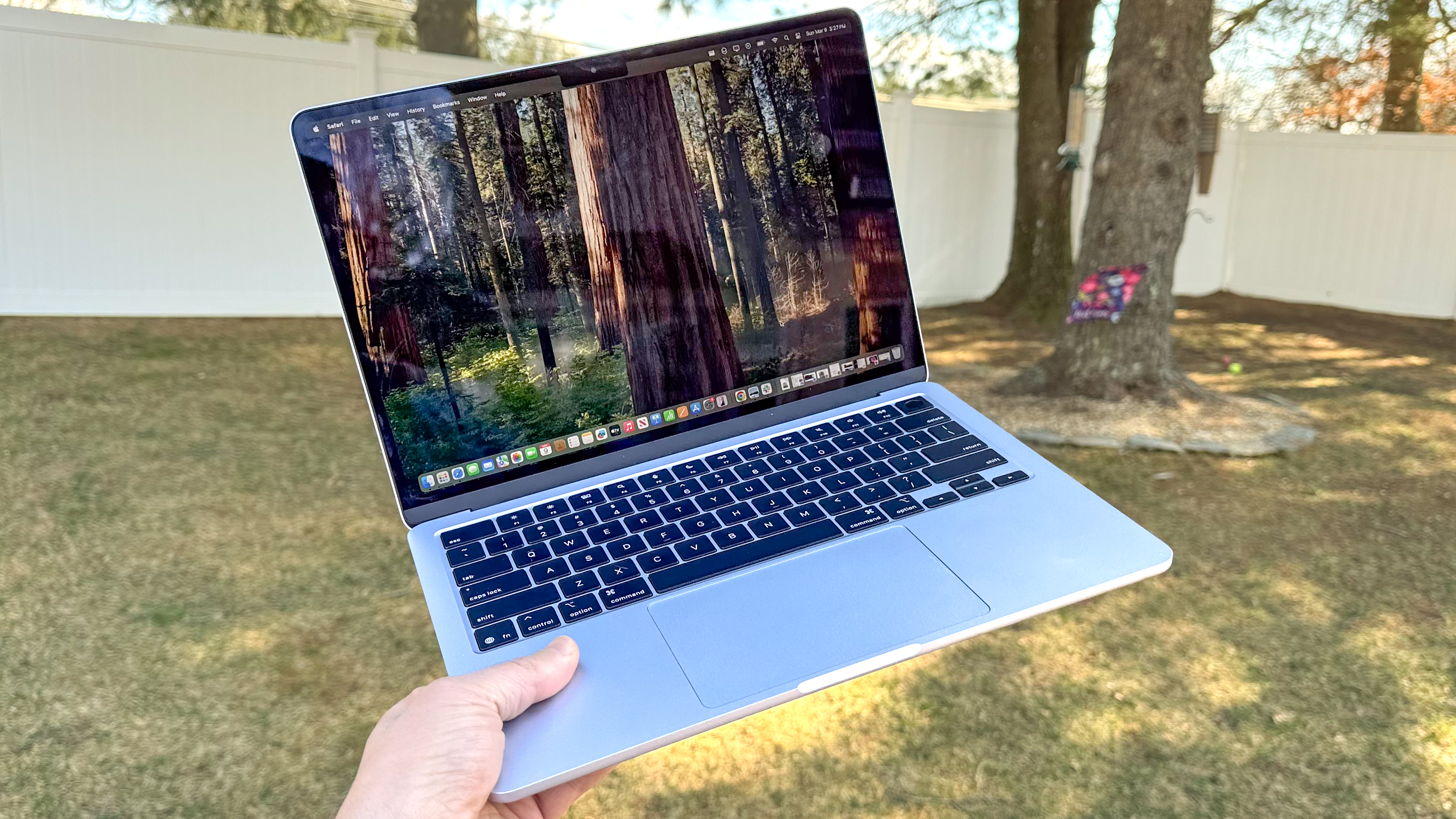
1. Best Overall: MacBook Air M4
With the transition to the M4 chip, Apple has solidified the MacBook Air as the efficiency king. While Apple's RAM upgrades are notoriously expensive, the base performance of the M4 architecture is so high that it will remain relevant for years.
- Why buy now: Apple is less prone to mid-cycle price hikes than Windows OEMs, but the "Apple Tax" will likely increase on the M5/M6 generations to cover rising component costs.
2. Best Windows Performance: Dell XPS 14 (Panther Lake)
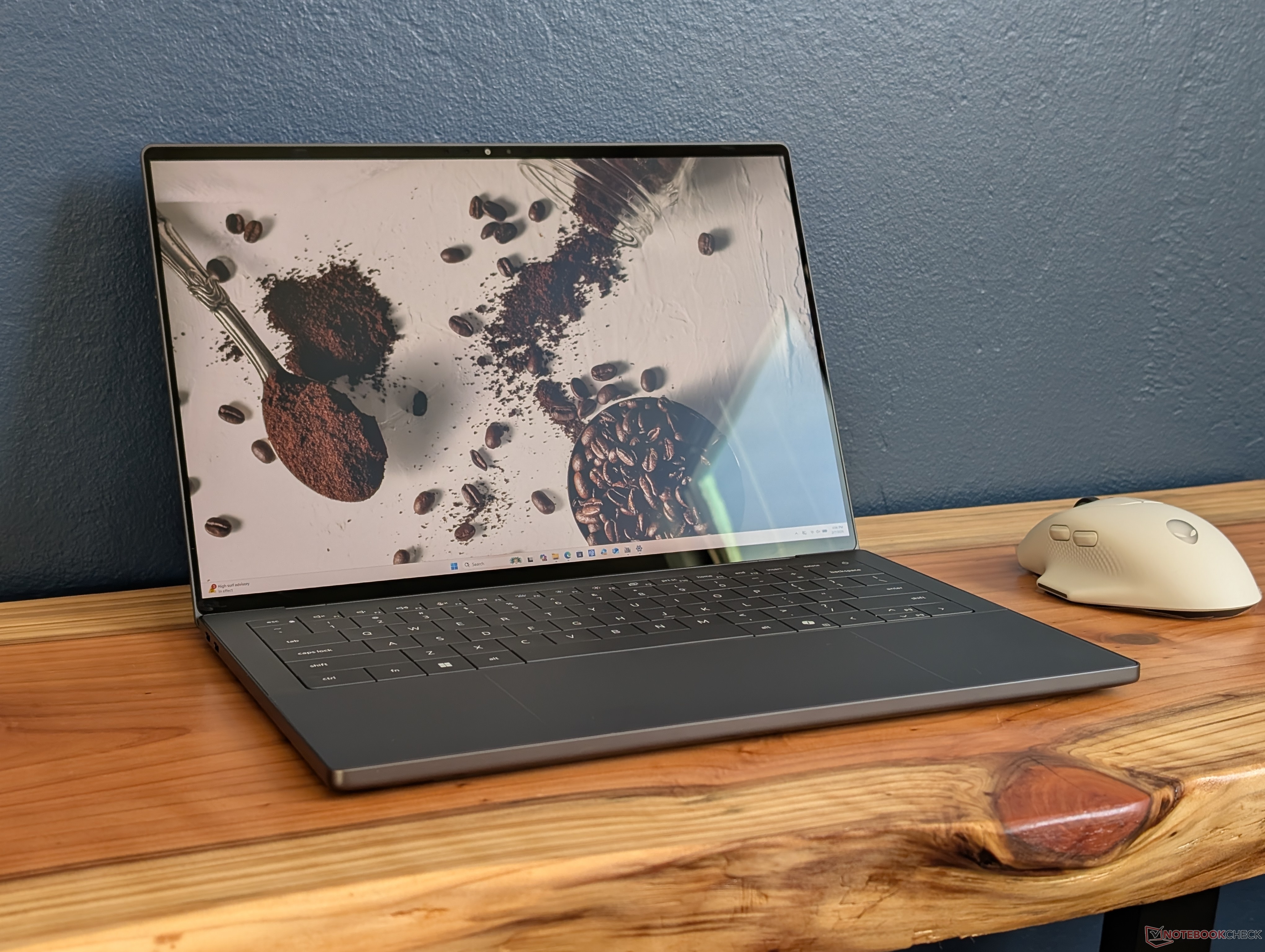
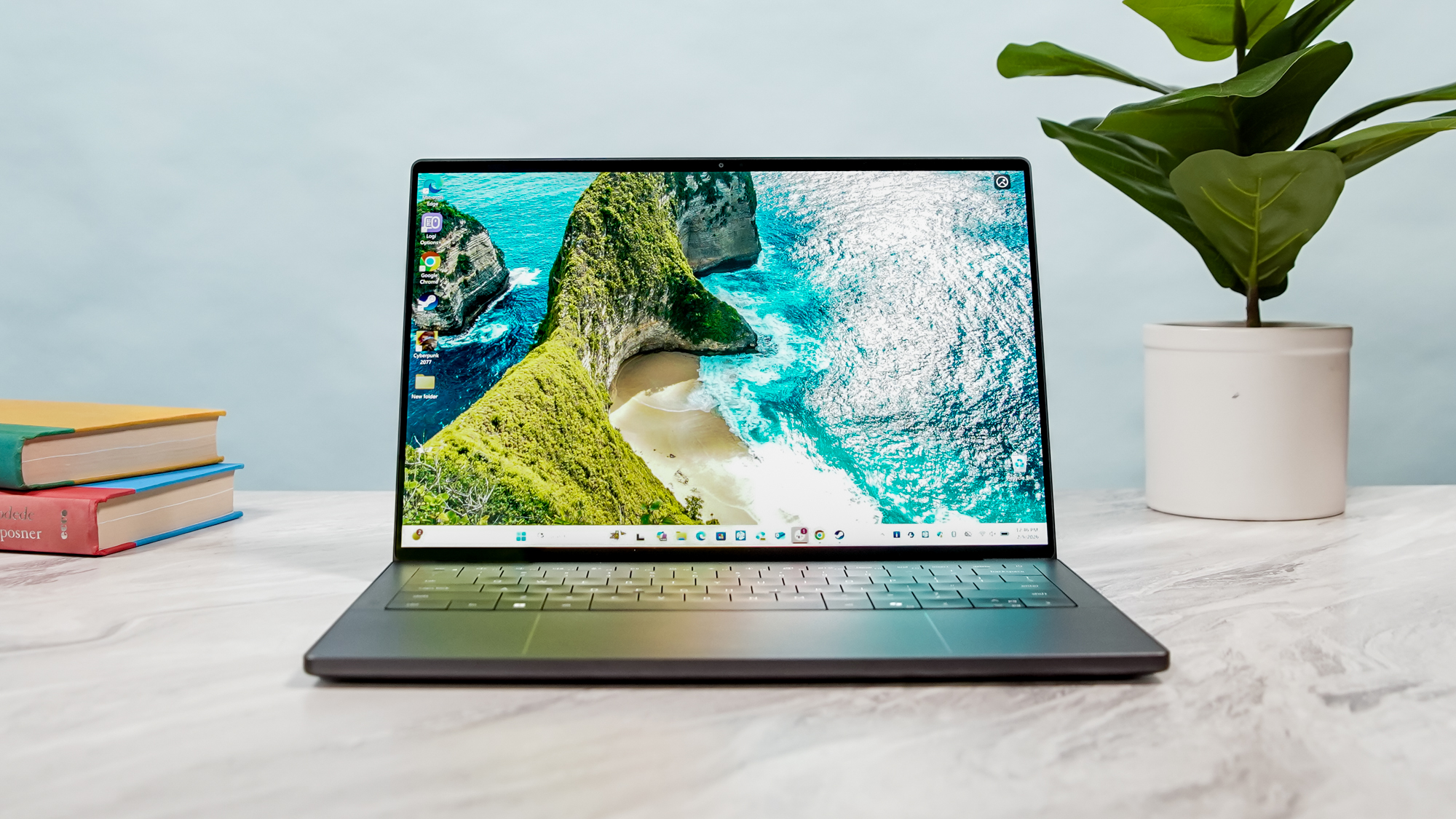
The XPS 14 is a masterclass in industrial design. With Intel’s latest Panther Lake architecture, you get a massive boost in NPU performance for AI tasks without the power draw of older Intel chips.
- Future-Proof Tip: Configure this with 32GB of RAM. The upfront cost is high, but it’s cheaper than buying a new laptop in three years when 16GB isn't enough for "AI Windows."
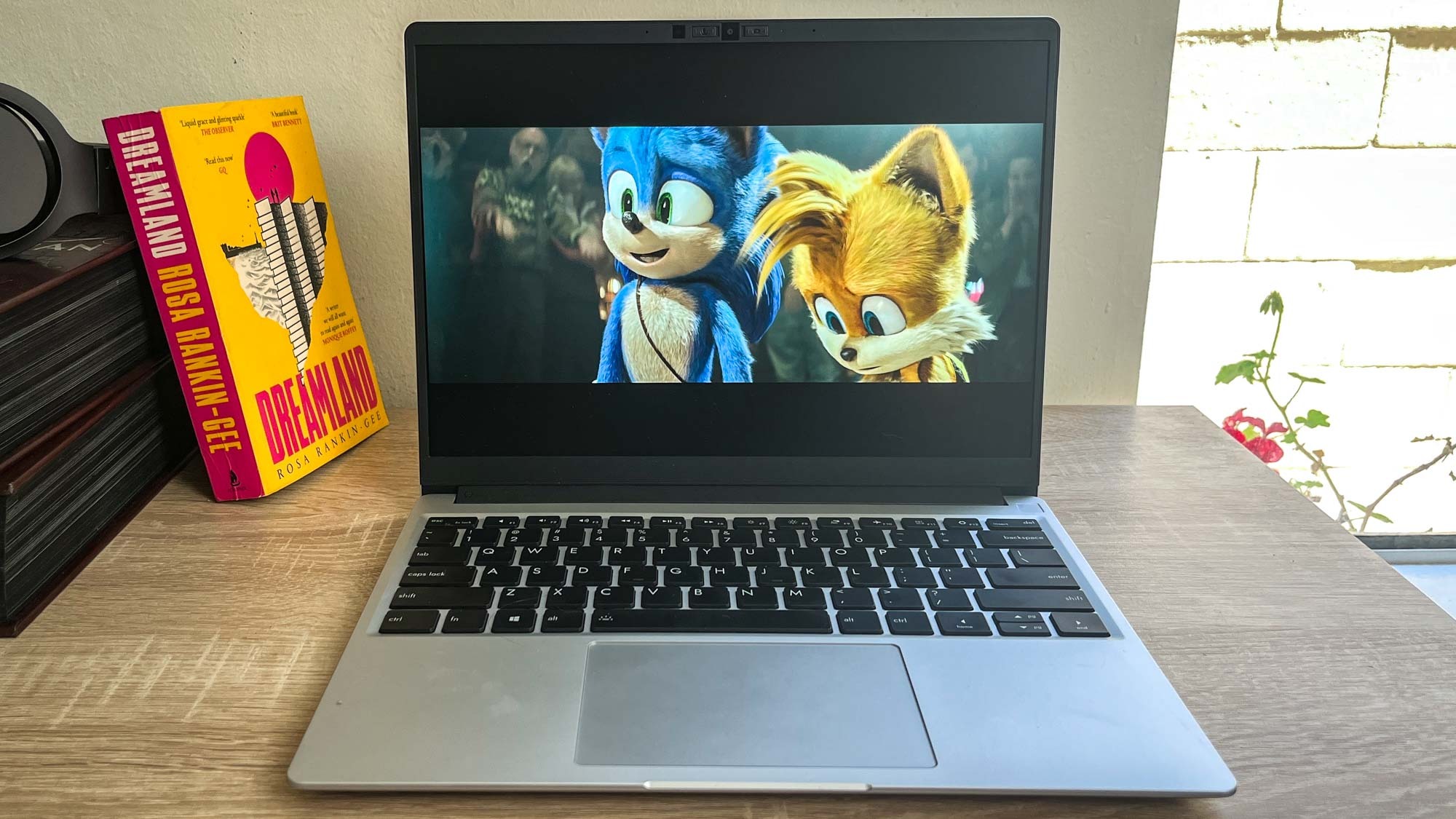
3. Best for Longevity: Framework Laptop 13
If you hate the idea of a "disposable" laptop, the Framework is your hedge against inflation. Every single component—from the screen to the motherboard to the ports—is user-replaceable.
- Why buy now: Even if the price of Framework’s future mainboards goes up, you only have to buy the board, not a whole new chassis, screen, and keyboard. It is the most fiscally responsible tech investment you can make.
FAQ
Q: Will waiting for Black Friday or Cyber Monday help? A: Only for older, 2024/early 2025 stock. While you might find deals on existing inventory, "New Arrivals" for 2026 will likely feature higher starting prices that negate the holiday discounts.
Q: Is it better to buy a refurbished high-end laptop or a new mid-range one? A: In the current market, a refurbished 2024 high-end model (like a ThinkPad X1 Carbon or MacBook Pro) with 32GB of RAM is often a better long-term value than a brand-new 2026 mid-range model with 16GB of soldered RAM.
Q: Do these price increases affect Chromebooks? A: Yes, but to a lesser extent. Chromebooks use lower-grade eMMC or slower SSDs and less RAM, but they aren't immune to the rising cost of controllers and plastic/aluminum chassis components.
Final Word: Don't Get Caught in the 2026 Crunch
The era of cheap, high-performance computing is taking a temporary hiatus. As the world pivots toward AI, the components that make your laptop fast are becoming the most sought-after commodities on the planet. My advice is simple: if your current machine is over three years old or struggling with your daily workflow, don't wait for 2026. Buy the specs you need today, prioritize RAM, and lock in your price before the market forces the choice upon you.