If you’ve walked into an Apple Store lately, you might have noticed something unusual. It isn’t just the typical crowds; it’s the gaps on the shelves. Whether you call it "inventory balancing" or a "stealth shuffle," the signs are unmistakable. Across major retailers, inventory levels for the iPhone 16e, M3 iPad Air, and high-end MacBook Pros have hit critical lows—with the 16e specifically showing a 30% faster discontinuation cycle than its predecessor. For the savvy consumer, these "Out of Stock" notices are more than just a nuisance; they are a flashing red light. If you are reaching for your credit card to buy a new Apple device today, my advice as an editor who has watched these cycles for a decade is simple: Stop.
The early 2026 "Spring Refresh" is shaping up to be one of the most significant mid-cycle updates in Apple’s history. We are currently seeing a massive coordination of inventory clearance that points toward a complete overhaul of the mid-range lineup. Specifically, the iPhone 16e, the M3 iPad Air, the Studio Display, and the M4 Pro/Max MacBook Pro are currently facing severe supply constraints. This suggests that a major refresh is coming in early 2026, likely headlined by the new iPhone 17e and the jump to M5-series silicon for the professional laptops.
1. iPhone 16e: The 10-Month Wonder is About to Retire
Quick Verdict: SKIP If you need a budget iPhone, wait 12 weeks. Buying the 16e now is paying full price for technology that will be aesthetically obsolete by March.
The iPhone 16e has had a surprisingly short reign. While the iPhone 15 series maintained steady inventory for nearly a full year, 16e stock has plummeted just 10 months into its lifecycle. This 30% faster discontinuation cycle isn't an accident; it’s a clearing of the decks for the iPhone 17e.
Expected to launch in early 2026, the iPhone 17e represents the biggest leap for the "budget" tier since the transition to the notch. The upcoming model is rumored to ditch the aging home button aesthetics entirely, moving to a modern design with slimmed-down bezels and the coveted Dynamic Island. Under the hood, the A19 chip will replace the current silicon, ensuring that this "entry-level" device can comfortably handle the heavy lifting required by future Apple Intelligence updates.
Editor’s Tip: The iPhone 17e isn't just a spec bump; it’s a platform shift. If you buy the 16e now, you are locking yourself into the old design language just months before Apple standardizes the Dynamic Island across its entire smartphone range.

2. iPad Air (M3): The M4 Power Leap is Imminent
Quick Verdict: WAIT The current M3 iPad Air is a "trap" purchase. The M4 chip is already standard in the Pro, and the Air is about to catch up.
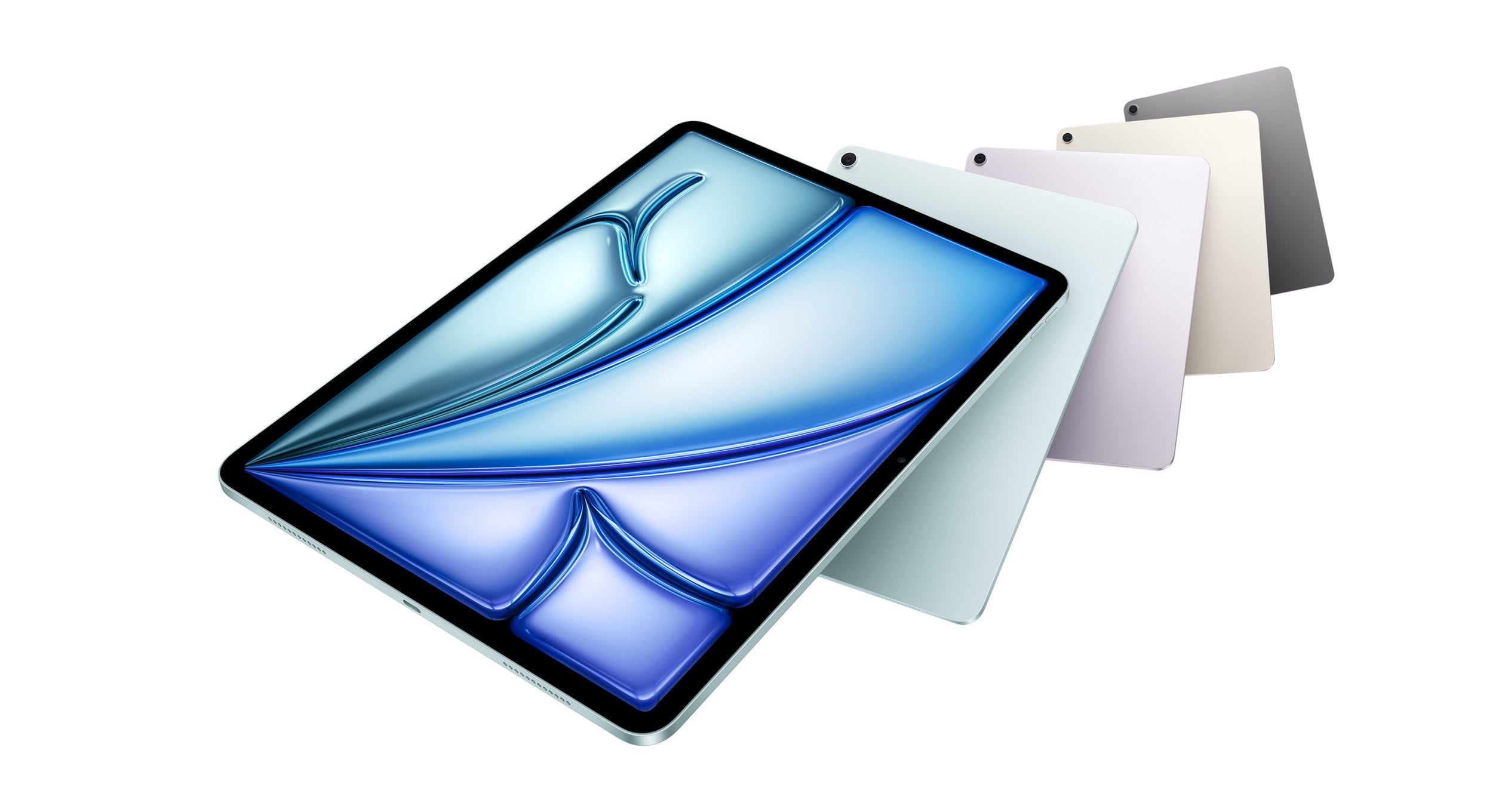
The current M3 iPad Air is in a difficult position. It’s a powerful machine, but it’s essentially a half-step behind the rest of the ecosystem. As we move into 2026, the performance gap between the iPad Air and the iPad Pro has become too wide for the Air's current price point to make sense.
The early 2026 iPad Air update will finally integrate the M4 chip. While the 11-inch and 13-inch form factors will remain largely unchanged, the internal architecture is getting a massive overhaul. Beyond the processor, the new model will feature the N1 networking chip, which promises more stable Wi-Fi 7 connectivity and improved hand-off features within the Apple ecosystem.
| Feature | Current iPad Air (M3) | Upcoming iPad Air (M4) |
|---|---|---|
| Processor | M3 Chip | M4 Chip (10-core CPU) |
| Neural Engine | 16-core | Next-Gen AI Optimized |
| Networking | Wi-Fi 6E | N1 Chip (Wi-Fi 7) |
| Display Tech | Liquid Retina | Refined Color Accuracy |
The M4 transition is particularly important for users looking to utilize "Apple Intelligence" features. The M4's Neural Engine is significantly faster at processing on-device AI tasks, meaning the 2026 iPad Air will be far more "future-proof" than the current M3 model.
3. MacBook Pro (M4 Pro/Max): The M5 March Refresh
Quick Verdict: WAIT (for Creative Pros) If you are a casual user, the M4 is fine. If you are a video editor or developer, the M5's thermal efficiency is worth the 3-month wait.
For the professional crowd, the current scarcity of high-end 14-inch and 16-inch MacBook Pros is the most telling sign of all. Apple’s high-end silicon cycle is accelerating, and the M5 Pro and M5 Max chips are slated for a Spring 2026 debut.
The M5 generation isn't just about raw clock speeds; it’s about sustained performance. Rumors from the supply chain suggest a redesigned cooling system for the 14-inch model to better handle the thermal output of the M5 Max. Furthermore, the M5 series will be the first chip designed from the ground up to optimize on-device LLMs (Large Language Models), making it a powerhouse for developers working on AI integration.
If you buy an M4 Pro today, you are buying into the tail-end of the current architecture. The M5 transition represents a shift in how the CPU and GPU share memory for AI tasks, potentially offering a 20% boost in rendering speeds for specialized creative workflows.
4. Studio Display: The Long-Awaited Mini-LED Transition
Quick Verdict: SKIP The current Studio Display uses 5-year-old panel technology. The update will finally bring it into the modern era.
The Studio Display has been the "forgotten" child of the Mac setup for far too long. Currently, shipping constraints and limited online availability are at an all-time high. This isn't because of high demand—it’s because Apple has stopped ordering the old panels.
The 2026 refresh is rumored to finally introduce mini-LED technology to the 27-inch display. For pro-grade editing, this is the update we’ve been waiting for. It will provide significantly better HDR performance, deeper blacks (approaching OLED levels), and a substantial boost in peak brightness. Perhaps most interestingly, the new display is expected to house an A19 Pro chip internally to handle advanced display processing and "Center Stage" camera features without taxing the connected Mac’s processor.

Beyond the Spring: Should You Wait for the 2026 Pro Flagships?
While the Spring refresh focuses on the mid-range and the "M" series transition, looking further into 2026 reveals why the current flagship generation might also be worth skipping if you value longevity.
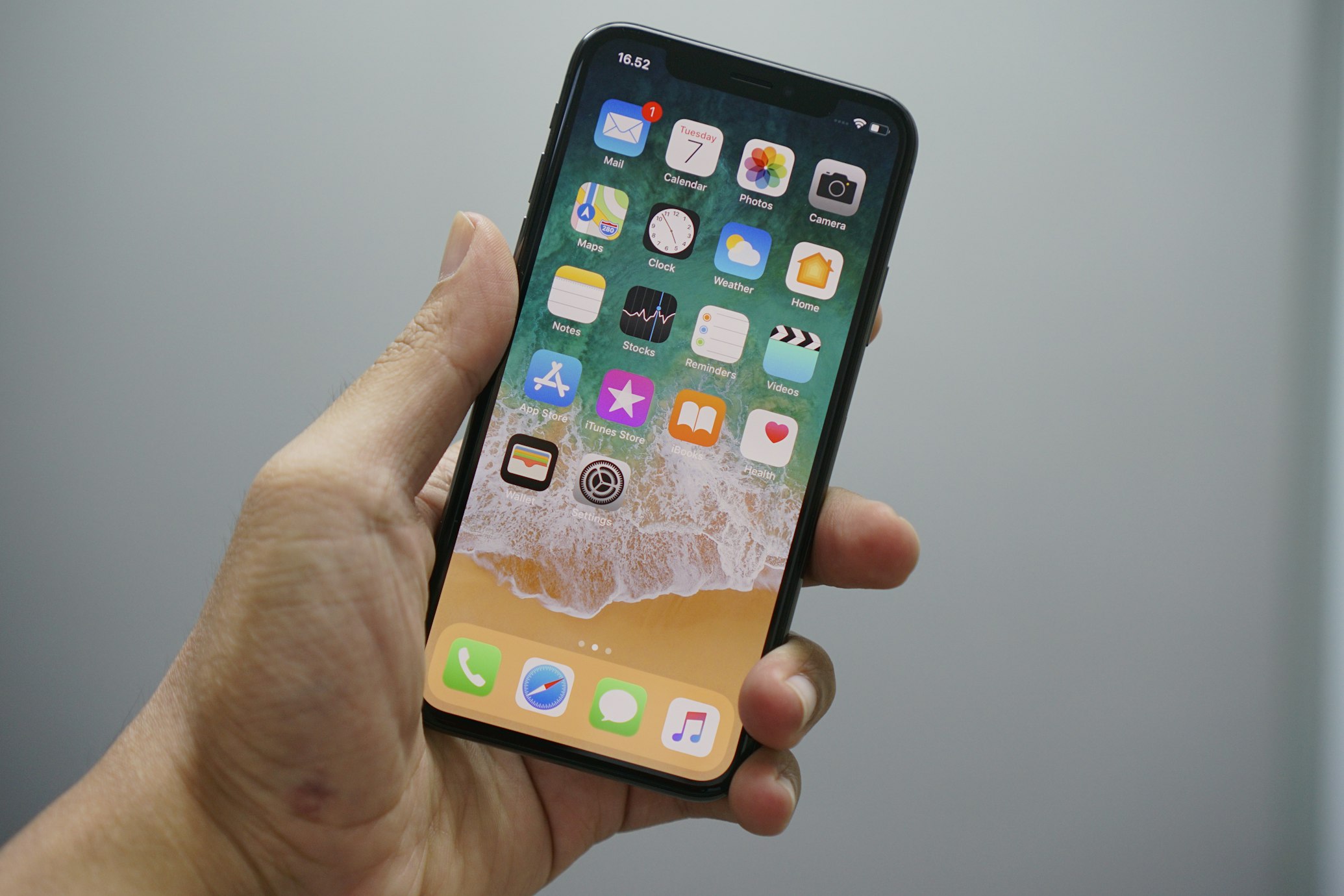
The iPhone 17 Pro Max, expected in late 2026, is set to be a battery life titan. Internal testing suggests a jump to 39 hours of video playback—a 15% increase in efficiency over the previous generation. This is achieved through the new 2nm A20 chip, which is rumored to debut in the latter half of the year. Additionally, the "iPhone Fold" rumors continue to swirl, with many insiders suggesting 2026 will be the year Apple finally enters the foldable market.
If you are a "Pro" buyer who upgrades every 3-4 years, the late 2026 window represents a much larger technological leap than what we saw in the previous two cycles.
Summary: To Buy or To Wait?
Deciding when to pull the trigger on an Apple purchase is always a game of "what if." However, the data on inventory levels and the proximity of the Spring 2026 event make the current period a uniquely bad time to buy specific models.
| Product | Current Status | The "Wait" Recommendation |
|---|---|---|
| iPhone 16e | Low Inventory | Wait. iPhone 17e will have Dynamic Island & A19. |
| iPad Air | Outdated Silicon | Wait. M4 chip and N1 networking are coming soon. |
| MacBook Pro | End of Cycle | Wait (Pro/Max). M5 architecture is AI-focused. |
| Studio Display | Backordered | Skip. Mini-LED tech will revolutionize this screen. |
FAQ
Q: When is the Apple 2026 Spring Event?
While Apple has not officially announced a date, historically, the Spring refresh occurs in late March or early April. Product availability usually follows 1-2 weeks after the announcement.
Q: Will the iPhone 17e be more expensive than the 16e?
Rumors suggest Apple aims to keep the "e" series pricing competitive, likely starting at the same $499 or $599 price point, despite the massive design upgrades.
Q: Is the M4 MacBook Pro still a good buy if I find a discount?
If you find a discount of 20% or more, the M4 Pro is still an incredible machine. However, if you are paying full retail price, the impending M5 release makes it a poor investment in early 2026.
Conclusion
We are currently in the "quiet before the storm." Apple’s inventory management is a transparent roadmap if you know how to read it. The scarcity of the iPhone 16e and the M3 iPad Air isn't a supply chain failure; it’s a strategic clearance. By waiting just a few more months, you’ll be able to purchase hardware that isn't just faster, but fundamentally more modern in design and capability. In the world of tech, patience is often the best feature you can buy.