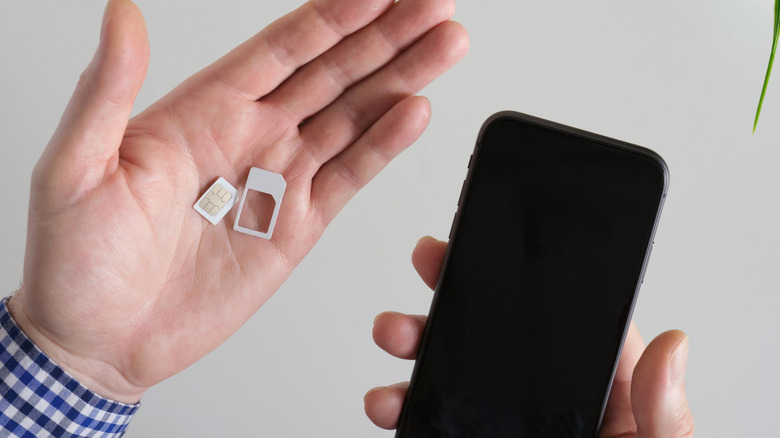
For decades, the ritual of unboxing a new smartphone included a tiny, frantic search for a metal paperclip or a specialized "ejector tool" to poke a hole and swap a fingernail-sized piece of plastic. But as we move through 2026, that ritual is officially entering the history books. The plastic SIM card, once a staple of mobile communication, is becoming a relic of the past, replaced by an invisible, embedded microchip that promises more security, more numbers, and more freedom.
By the end of 2026, market projections indicate that 85% of flagship Android devices released in the North American market will have fully transitioned to an eSIM-only or eSIM-primary architecture. This isn't just a design trend; it’s a fundamental shift in how we connect to the world.
The eSIM Revolution: Why 2026 is the Tipping Point
We have reached what industry analysts call the "eSIM Tipping Point." What started as a niche feature for secondary lines has become the gold standard for mobile hardware. The primary benefits of switching to an eSIM-only Android phone include significantly enhanced security by preventing physical SIM card theft, the ability to store multiple numbers (up to 8 distinct profiles on some 2026 flagships), and the sheer convenience of switching international carriers digitally without ever needing to visit a brick-and-mortar store.
However, the transition isn't without its growing pains. While the digital nature of eSIM is a boon for security and design, it introduces a new layer of complexity when your device breaks, or when you’re dealing with carriers that haven't quite mastered the art of the "instant" digital transfer. If you’re eyeing a Google Pixel 10 or a Samsung Galaxy S26, you need to understand exactly what you're signing up for before you ditch the physical tray for good.
The Advantages: Why eSIM is the Future
The move toward eSIM-only Android phones isn't just about making phones thinner; it’s about fixing long-standing vulnerabilities in mobile telecommunications.
1. Enhanced Security and SIM Swap Prevention
Security analysis indicates that eSIM-only configurations reduce the risk of immediate identity fraud via SIM swapping by approximately 95%. In the old world, a thief could steal your phone, pop out the SIM, and put it in their own device to bypass two-factor authentication (2FA) for your bank accounts or social media. With an eSIM, the "card" is embedded into the hardware. It cannot be physically removed, and it is protected by the phone’s own encryption and biometric locks.
2. Unmatched Flexibility for Travelers and Professionals
The "multi-SIM" lifestyle has been revolutionized. On high-end 2026 Android devices, you can store up to 8 different eSIM profiles and have two of them active simultaneously. This means you can keep your primary work number and your personal number active while having a third, local data plan ready to activate the moment you land in Tokyo or London.
3. Design Efficiency and Durability
From an engineering perspective, the SIM tray was always a liability. It’s a hole in the chassis that requires gaskets and mechanical parts. By removing it, manufacturers have been able to achieve IP69 standards for water and dust resistance, making phones virtually submersible. Furthermore, removing the tray frees up internal volume—enough space for approximately 150-200mAh of extra battery capacity or improved haptic engines.
Sarah’s Pro Tip: If you travel frequently, look for Android devices that support "eSIM Quick Transfer." This feature, now standard on the latest version of Android, allows you to move your digital profile between devices without needing to contact your carrier’s customer support.
Physical SIM vs. eSIM: A Comparative Breakdown
To help you decide if you’re ready to go all-digital, here is a comparison of how the two technologies stack up in 2026:
| Feature | Physical SIM Card | eSIM (Embedded SIM) |
|---|---|---|
| Security | Low (Easily stolen/swapped) | High (Encrypted hardware) |
| Storage Capacity | 1 Number per card | Up to 8 Profiles |
| Switching Carriers | Requires physical card swap | Instant digital activation |
| Physical Space | Takes up internal chassis space | Zero footprint (integrated) |
| Device Transfer | Simple (just move the card) | Complex (requires software/app) |
| Global Compatibility | Universal | High (but limited in some regions) |
The Drawbacks: What You Need to Know Before Switching
While the advantages are compelling, my "real-world usage" testing has revealed several friction points that Android enthusiasts should consider.
The Transfer Hurdle
The biggest nightmare for an eSIM user is the "Black Screen of Death." If your physical SIM phone breaks, you can simply pull the SIM out and put it into a backup phone to stay connected. With an eSIM-only device, if the motherboard or screen dies, your service is effectively trapped inside the broken hardware. You will likely need to visit a carrier store or use a desktop computer to disassociate the eSIM from the broken device before you can activate it on a new one.
The Authentication Loop (The Catch-22)
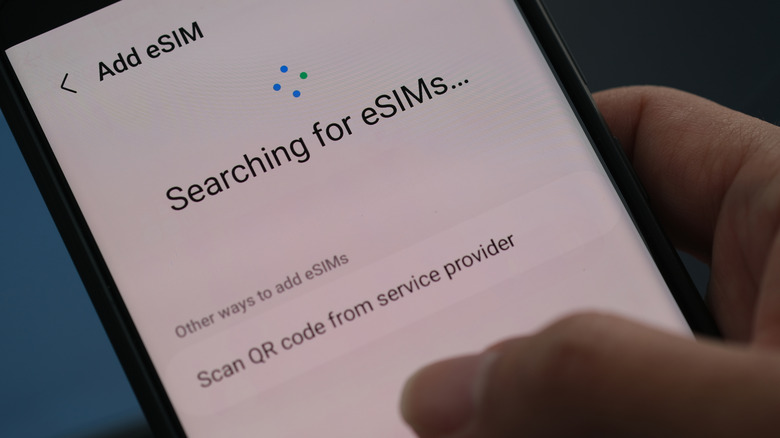
Setting up a new eSIM often requires a verification code sent via SMS. But if you are trying to set up your only phone, you can't receive the SMS until the eSIM is active. This "authentication loop" often forces users to rely on carrier-specific apps or secondary email verification, which can be a headache if you don't have another active device nearby.
Regional Variations
While the North American market is hitting 85% adoption, other parts of the world—particularly in parts of Africa and rural Asia—still rely heavily on physical "burnable" SIM cards sold in kiosks. If you are a global adventurer who frequently visits off-the-grid locations, an eSIM-only phone might limit your options for local, cheap connectivity.
Best eSIM-Only & Compatible Android Phones in 2026
If you’re ready to make the jump, these are the devices currently leading the pack in terms of eSIM reliability, software integration, and hardware performance.
- Google Pixel 10 Series: Google continues to set the benchmark for Android. The Pixel 10 features the most seamless "eSIM Transfer Tool" in the industry, allowing for nearly instantaneous migration between Pixel devices. It also supports the highest number of concurrent inactive profiles (up to 10).
- Samsung Galaxy S25 & S26 Series: Samsung remains the global leader in dual eSIM functionality. Their 2026 flagships allow for sophisticated "Data Switching" logic, which automatically toggles between two eSIMs based on which one has a stronger 5G signal at any given moment.
- Motorola Razr & Edge (2026 Models): Motorola has embraced the eSIM-only lifestyle for its foldables. The absence of a physical SIM tray allowed engineers to refine the hinge mechanism, making the Razr 2026 one of the thinnest foldables ever made.
- Xiaomi 16 Series: For those in the international market, Xiaomi’s flagship models now feature "Universal eSIM" support, which includes a pre-loaded "World SIM" that can be activated in over 150 countries with a single tap during the initial setup.
- Sony Xperia 1 VII: Sony remains one of the few brands to offer a "Hybrid" approach in some regions, but their North American models have transitioned to eSIM-primary, focusing on high-speed data throughput for creators and mobile gamers.
Buying Guide: How to Choose Your Next eSIM Device
Transitioning to an eSIM-only Android phone requires a different mindset during the shopping process. Here’s what you should look for:
Carrier Compatibility and 5G Band Support
Not all eSIMs are created equal. Ensure the device you buy is "unlocked" and supports the specific 5G bands of your carrier. In 2026, look for devices that support 5G Advanced (Release 18), which offers better power efficiency for eSIM profiles.
Remote Provisioning Speed
Check reviews (like ours here at the mobile desk!) for mentions of "Remote Provisioning." This is the technical term for how fast the phone downloads your carrier's profile. A high-quality device should be able to activate a new line in under 60 seconds over a Wi-Fi connection.
Software Update Longevity
Since eSIM management is handled entirely through software, you want a device with at least 5 years of guaranteed security updates. This ensures that the encryption protocols protecting your digital SIM remain secure against future hacking methods.
Frequently Asked Questions (FAQ)
Q: Can I convert my existing physical SIM to an eSIM on Android? A: Yes, most modern Android phones (Android 14 and later) have a built-in "Convert to eSIM" option in the Network Settings. However, your carrier must support this feature. Most major US carriers (Verizon, T-Mobile, AT&T) support this process directly from the device.
Q: What happens if I travel to a country that doesn't support eSIM? A: This is becoming rare, but it does happen. If you travel to a region without eSIM support, you may need to use a "Roaming" plan from your home carrier or purchase a portable Wi-Fi hotspot (Mifi) that accepts local physical SIMs.
Q: Can I use two eSIMs from different carriers at the same time? A: Absolutely. Most 2026 flagship Android phones support DSDA (Dual SIM Dual Active), meaning you can take a call on your Verizon eSIM while simultaneously downloading data on your T-Mobile eSIM.
Conclusion & Final Verdict
The transition to eSIM-only Android phones is no longer a "future possibility"—it is our current reality. For the average user, the benefits of enhanced security (95% fraud reduction) and the sheer convenience of managing multiple lines digitally far outweigh the occasional headache of a device transfer.
If you are someone who upgrades their phone every year and values the latest in hardware design and security, the Pixel 10 or Galaxy S26 are fantastic entry points into the eSIM-only world. However, if you frequently swap phones like you swap outfits, or if you spend significant time in developing regions where plastic SIMs are still king, you might want to hold onto your current device for one more cycle.
The plastic SIM card had a great 30-year run, but the future of mobile is invisible, embedded, and incredibly fast.