Our Top Picks: The Galaxy S26 Ultra at a Glance
- The Power User's Choice: Best for those who juggle heavy multitasking and gaming, thanks to the Snapdragon 8 Elite Gen 5 and a return to thermal-efficient aluminum.
- The Professional’s Essential: The new Privacy Display is a game-changer for commuters and travelers who need to keep sensitive data away from prying eyes.
- The Photographer’s Upgrade: While the zoom remains stellar, the real win is the f/1.4 main aperture, finally solving Samsung's historic struggle with indoor and low-light motion.
The modern smartphone cycle has reached a point of "plateaued perfection." For the last few years, the "Ultra" moniker has represented a steady, predictable climb rather than a series of leaps. However, standing here in early 2026, the Samsung Galaxy S26 Ultra feels different. It isn’t trying to reinvent what a phone is; it is perfecting what a phone does.
By listening to long-standing complaints about thermal throttling and ergonomics, and introducing hardware-level privacy features, Samsung has created a device that feels less like a spec-sheet and more like a finely tuned tool. Starting at $1,299.99, it’s a significant investment, but for the first time in years, the "Ultra" feels like it’s earned its price tag through refinement rather than just megapixels.
Design: The Return to Aluminum
For the past few iterations, "Titanium" was the buzzword of the mobile world. It sounded premium, it felt light, but it had a hidden flaw: it’s a poor thermal conductor. For the Galaxy S26 Ultra, Samsung has made the bold move of transitioning back to a custom "Armor Aluminum" frame. While some might view this as a step backward in material prestige, the real-world benefit is immediate. The aluminum frame acts as a massive heat sink, working in tandem with a larger vapor chamber to keep the device cool during intensive tasks.
Ergonomically, Samsung has finally addressed the "hand-stab" issue. The S26 Ultra moves away from the sharp, blocky corners of the S24 and S25 generations, adopting "matching corner radii" that align the screen's curves with the outer frame. It sounds like a minor detail, but it makes the 6.9-inch footprint feel significantly smaller in the pocket and more comfortable during long one-handed sessions.
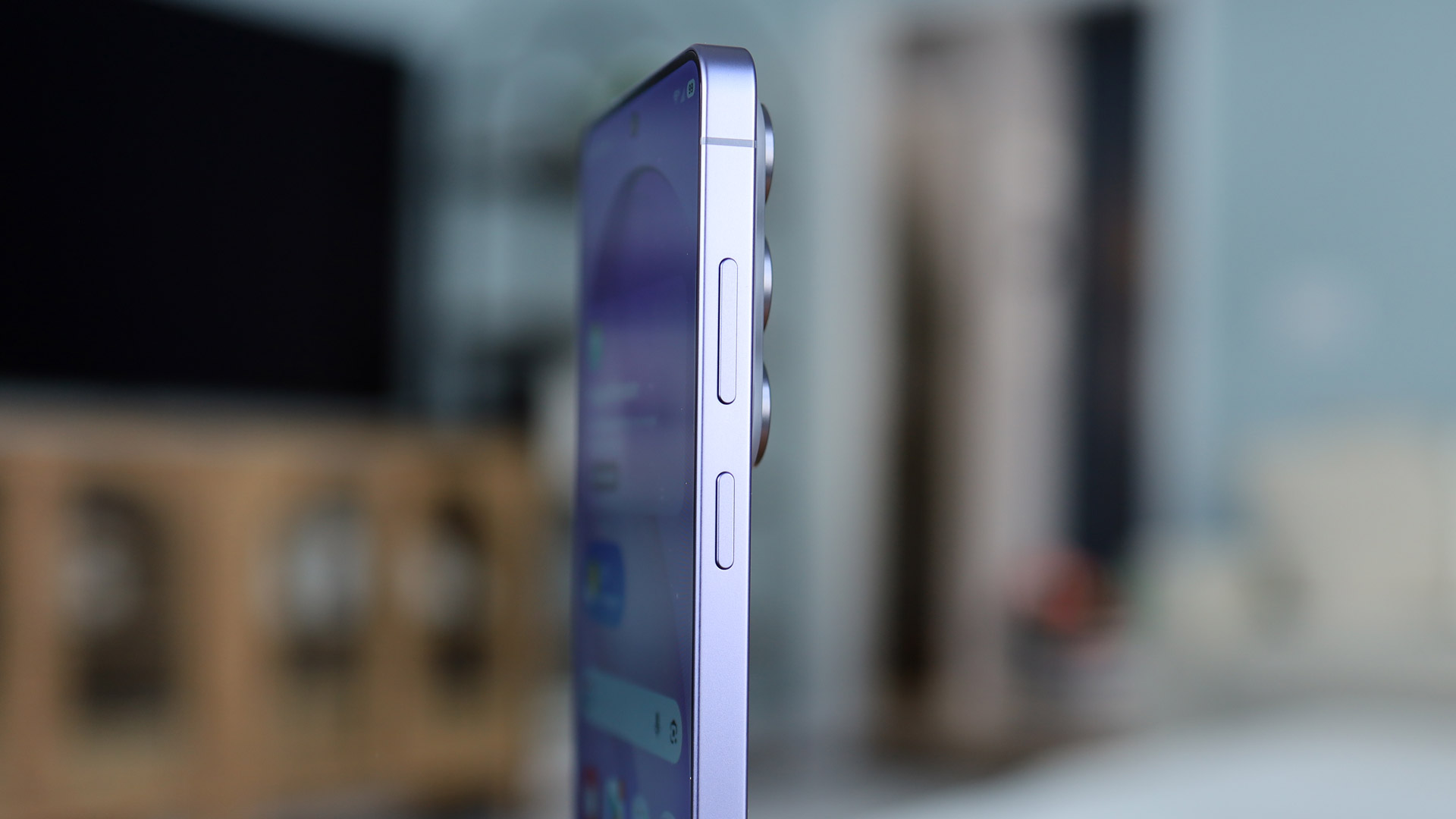
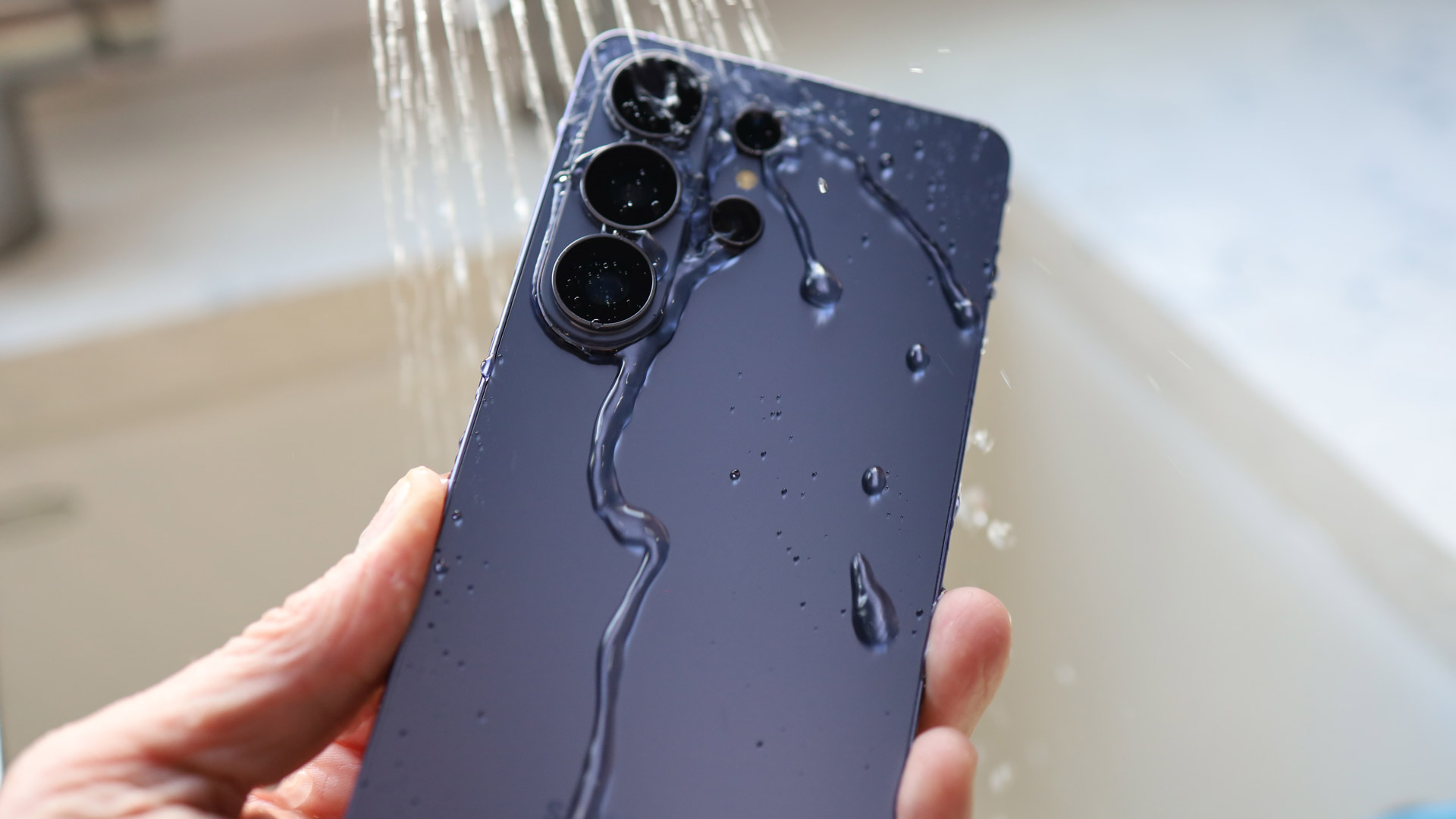
The durability remains top-tier with Gorilla Armor 2 and an IP68 rating. The S Pen is still tucked into the bottom-left edge, though it remains a "flush-fit" design that can be a bit fiddly to pop out if you have very short fingernails.
Display: The Privacy Revolution
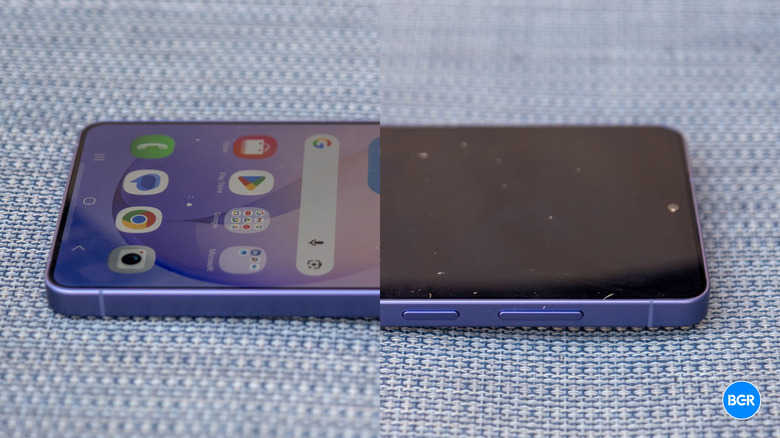
While every manufacturer is chasing higher nit counts, Samsung decided to innovate on how we use our screens in public. The S26 Ultra introduces what it calls a "Privacy Display." This isn't a software filter or a stick-on screen protector; it’s a hardware-level innovation utilizing a dual-pixel architecture.
By layering one wide-angle pixel array with a secondary, focused-angle array, users can toggle a "Maximum Privacy" mode. When active, the screen becomes almost invisible to anyone looking from an angle of more than 30 degrees. For the professional editing a sensitive document on a plane or someone simply wanting to keep their private messages private in a crowded elevator, it’s a killer feature.
The trade-off? When Privacy Mode is active, you lose about 15% of the peak contrast, and the colors appear slightly more "muted." However, for general use, the 6.9-inch Dynamic AMOLED 2X panel remains the industry gold standard. It hits a staggering 2,600 nits of peak brightness and utilizes LTPO technology to scale from 1Hz to 120Hz seamlessly.
Performance: Snapdragon 8 Elite Gen 5 Benchmarks
Under the hood lies the heart of the beast: the Snapdragon 8 Elite Gen 5 (for Galaxy). This isn't just a minor clock-speed bump. Built on a new 2nm architecture, this chip is designed for sustained performance. In our testing, the S26 Ultra provided a 19% CPU and 24% GPU performance boost over the previous Galaxy S25 Ultra.
What does that mean for you? In high-end gaming titles like Genshin Impact or the latest AAA mobile ports, the frame rates stay locked at 60fps or 120fps with virtually no stuttering even after an hour of play. This is where the aluminum frame and the new thermal management system shine—the device gets warm, but never "uncomfortable," and it doesn't throttle its performance to save itself from the heat.
| Feature | Galaxy S25 Ultra | Galaxy S26 Ultra |
|---|---|---|
| Processor | Snapdragon 8 Elite Gen 4 | Snapdragon 8 Elite Gen 5 |
| CPU Performance | Baseline | +19% Increase |
| GPU Performance | Baseline | +24% Increase |
| RAM | 12GB | 12GB / 16GB Options |
| Storage | UFS 4.0 | UFS 5.0 (Early adoption) |
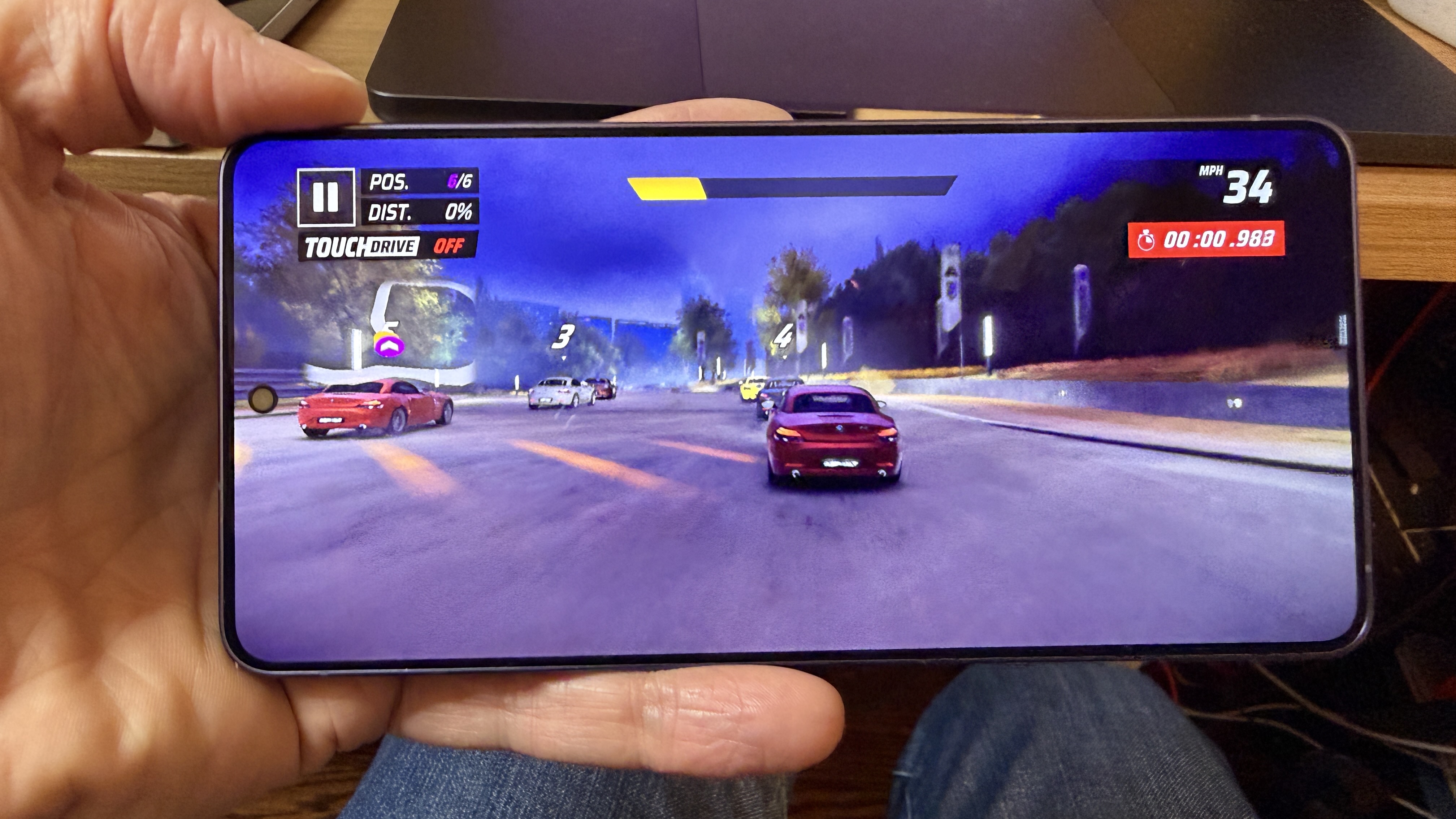
Whether you are rendering 4K video or running local AI models, the S26 Ultra feels noticeably snappier than the iPhone 17 Pro Max in multi-core tasks, though Apple still holds a slight lead in single-core peak performance.
Camera: Brighter Apertures and AI Editing
Samsung’s 200MP sensor has always been impressive on paper, but in the real world, it often struggled with indoor lighting and moving subjects (like pets or children). The S26 Ultra finally fixes the hardware bottleneck. The main sensor now features a wider f/1.4 aperture, allowing for roughly 47% more light intake than the previous generation.
The result is a transformative leap in low-light photography. Grain is virtually non-existent in night shots, and shutter lag—Samsung's perennial Achilles' heel—is finally gone.
The telephoto setup remains a powerhouse:
- 3x Optical (10MP): Ideal for portraits with natural bokeh.
- 5x Periscope (50MP): The sweet spot for concert photography and architectural detail.
- 100x Space Zoom: Still here, now stabilized by a new "Horizon Lock" AI that makes handheld extreme zoom shots much easier to frame.
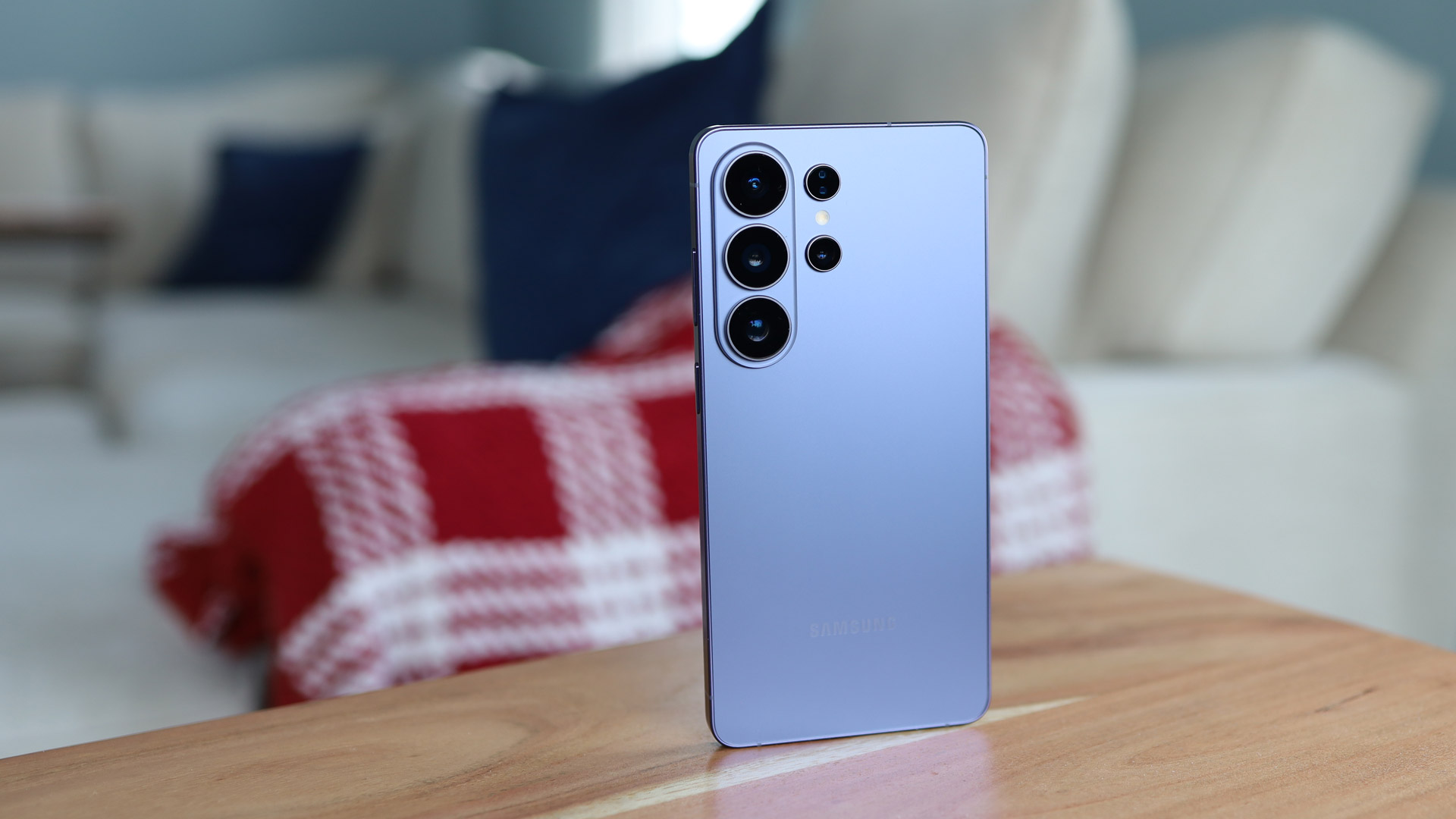
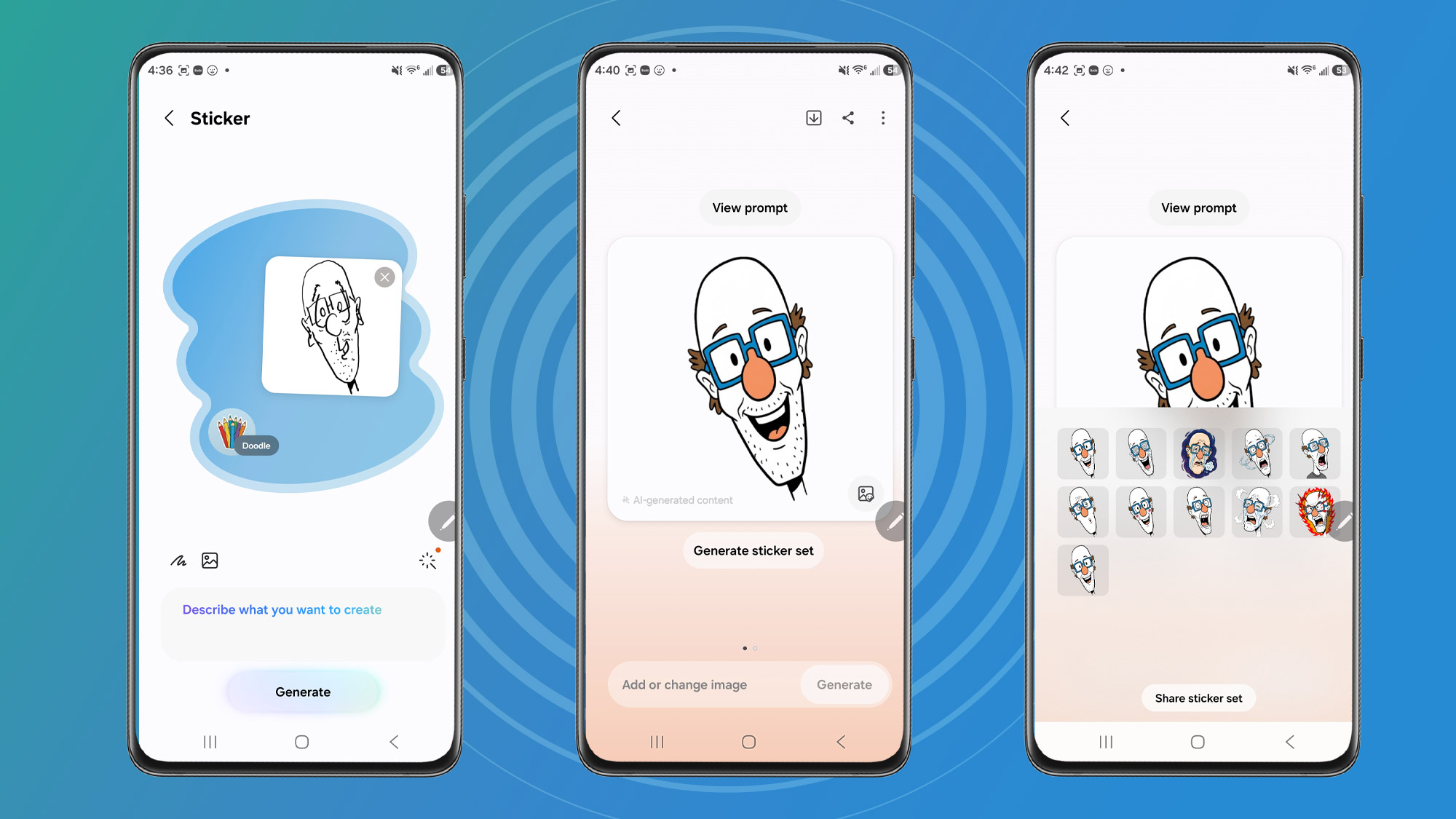
On the software side, "Photo Assist" and "Creative Studio" allow for generative AI edits, such as moving objects or expanding the background. Samsung now adds a visible "AI-Generated" watermark to the metadata of these photos to ensure transparency.
Software and Longevity: The 7-Year Promise
The S26 Ultra ships with Android 16 and Samsung’s One UI 8.1. The software experience has become much more "fluid" and less "cluttered" over the years. The big focus this year is the Gemini integration. You can now use AI to handle cross-app tasks—for example, you can tell the phone to "Find my flight details in Gmail and book an Uber to the airport for that time," and it handles the handshaking between apps with minimal input.
Samsung is also doubling down on its 7-year promise. You get 7 years of major OS updates and 7 years of security patches. When you calculate the ROI, the $1,299 price tag looks much more reasonable if you plan to keep the phone until 2033.
Battery and Charging: Speed Meets Caution
The battery capacity remains at 5,000mAh. While some Chinese competitors have moved to 5,400mAh silicon-carbon batteries, Samsung has opted for a conservative approach to prioritize long-term battery health. However, they have finally boosted the wired charging speed to 60W. In our testing, this takes the phone from 0% to 70% in just under 28 minutes.
One important note for accessory fans: the Galaxy S26 Ultra supports Qi2.2 wireless charging at 25W. This allows for faster, more efficient wireless charging. However, the magnets are not built directly into the phone frame. To use magnetic alignment (similar to Apple's MagSafe), you will need a specific Samsung-certified magnetic case.
Comparison: Galaxy S26 Ultra vs. iPhone 17 Pro Max
Choosing between the titans of 2026 often comes down to ecosystem, but the hardware gap is widening in specific areas:
- Display: Samsung’s Privacy Display is a unique hardware advantage that Apple currently lacks. However, Apple’s under-display FaceID offers a slightly cleaner aesthetic.
- Performance: Samsung wins on sustained thermal performance thanks to the aluminum frame; Apple wins on peak burst performance for short, heavy tasks.
- Cameras: Samsung is the king of zoom and high-res detail; Apple remains the king of ProRes video workflows and color consistency across lenses.
Verdict: Should You Upgrade?
The Samsung Galaxy S26 Ultra is the "Best Android of 2026" not because it has the most gimmicks, but because it has the fewest compromises.
Upgrade if:
- You are currently using a Galaxy S23 Ultra or older. The performance and camera leaps will be massive.
- You work in an environment where privacy is paramount.
- You are a mobile gamer who was frustrated by the thermal throttling of the titanium era.
Skip if:
- You have the S25 Ultra. While the 24% GPU boost is nice, the S25 remains a very capable device for another year.
Pros & Cons
- Pros:
- Incredible Privacy Display feature for commuters.
- Superior thermal management via the new aluminum frame.
- The f/1.4 aperture finally masters low-light photography.
- 7-year software support ensures long-term value.
- Cons:
- Qi2 magnetic alignment requires a separate case.
- $1,299 entry price is a significant barrier.
- Charging speeds still lag behind some global competitors (though 60W is a welcome upgrade).
FAQ
Is the Galaxy S26 Ultra better than the S25 Ultra? Yes. It provides a 19% CPU and 24% GPU performance boost, faster 60W wired charging, and wider camera apertures (f/1.4) that significantly improve low-light photography and reduce shutter lag.
What exactly is the Privacy Display? It is a hardware-level dual-pixel architecture. It allows you to toggle a mode that narrows the viewing angles of the screen, making it unreadable to anyone standing next to you, providing a layer of security that software-only filters cannot match.
Does it have built-in magnets for MagSafe accessories? No. While it supports the Qi2.2 wireless charging standard, the magnets are not built into the phone's frame. To use magnetic chargers or wallets, you will need a compatible magnetic case.
Why did Samsung move away from Titanium? Samsung transitioned back to an aluminum frame to solve thermal conductivity limitations. Aluminum dissipates heat much more effectively than titanium, allowing the Snapdragon 8 Elite Gen 5 to run at peak speeds for longer without overheating.