Quick Facts
- Market Growth: The global vinyl market is projected to reach over $5 billion by 2032, growing at an annual rate of 11.1%.
- Primary Demographic: Contrary to the "old man" stereotype, 58% of vinyl record buyers are aged between 18 and 34.
- Revenue Milestone: In 2025, U.S. vinyl record sales reached $1.04 billion, marking nearly two decades of consecutive growth.
- Sonic Appeal: Listeners prefer vinyl for its harmonic warmth and euphonic distortion, which offers a smoother alternative to digital precision.
- Investment Value: Vinyl has more than tripled the revenue generated by CDs, cementing its place as the premier physical music format.
- Care Essentials: To prevent warping, always use vertical storage and clean with a carbon fiber brush to maintain groove integrity.
The vinyl resurgence isn't just a trend; by 2026, it has become a $5 billion global powerhouse. While digital streaming offers convenience, vinyl records provide a unique sonic signature and a tactile ritual that digital can't replicate. The resurgence of vinyl records is driven by a preference for analog warmth, nostalgia, and the tactile ritual of physical media. Unlike digital streaming, vinyl offers tangible ownership through large-scale album art and liner notes, creating a deeper connection between the listener and the music. This physical media revival appeals to a new generation seeking an intentional, hands-on listening experience.
The Psychology of the Spin: More Than Just Music
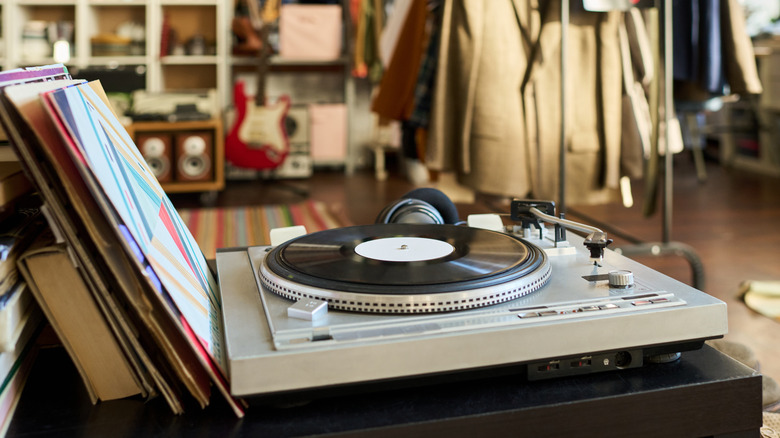
In an era where music has become invisible and ephemeral, vinyl records offer something the cloud never can: tangible ownership. When you hold a 12-inch sleeve, you aren't just holding data; you are holding a piece of art. This physical media revival is a direct response to the "subscription fatigue" of the 2020s. For many of the younger listeners who now make up the majority of the market, the tactile ritual of pulling a record from its sleeve, placing it on the platter, and carefully cueing the needle is a form of meditation.
The history of vinyl records history shows us that music was once an event, not background noise. Today’s crate digging culture brings a social element back to music discovery. Scouring independent record stores for a rare pressing or a hidden gem provides a sense of achievement that an algorithm-generated playlist simply cannot match. Furthermore, the inclusion of large-scale album liner notes and lyric sheets allows you to immerse yourself in the artist's world. This intentionality affects how our brains process music, leading to better memory encoding and a more profound emotional response compared to skipping through tracks on a smartphone.
Fidelity vs. Sound Quality: Decoding the Warmth
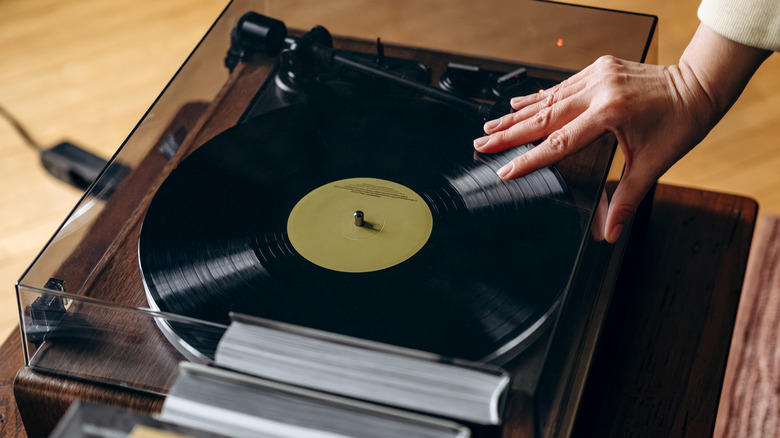
When we discuss the analog vs digital audio debate, we have to distinguish between technical fidelity and subjective sound quality. In purely measurable terms, high-resolution digital audio has a wider dynamic range and a lower noise floor. However, vinyl records possess a specific sonic signature that many human ears find more "musical." This is often caused by euphonic distortion—a fancy term for subtle, pleasing harmonic additions that occur during the playback process.
This harmonic warmth is a byproduct of groove modulation. As the stylus tracks the physical waves carved into the PVC, it generates a signal that feels "thick" and "organic." Think of it like the "Microphone A" analogy used by studio engineers: in the 1970s, engineers often used gear that naturally softened high frequencies. When those same recordings are played back through modern, ultra-sharp digital systems, they can sound clinical or "cold." Vinyl restores that intended balance.
| Feature | Analog (Vinyl) | Digital (Streaming/CD) |
|---|---|---|
| Signal Path | Continuous physical wave | Discrete numerical samples |
| Sonic Character | Harmonic warmth & depth | Precision & clinical clarity |
| Physical Interaction | Tactile ritual required | Instant, one-tap access |
| Longevity | Decades (with proper care) | Dependent on platform licensing |
| Common Issues | Surface noise, wear & tear | Compression, jitter, DAC quality |
The 2026 Tech Gap: Why Digital Feels Cold
By 2026, the gap between how we consume digital music and how it was actually recorded has widened. Most people listen via Bluetooth, which uses lossy compression to squeeze data through the air. This, combined with low-quality DACs (Digital-to-Analog Converters) inside standard mobile devices, results in a cumulative degradation of the sound.
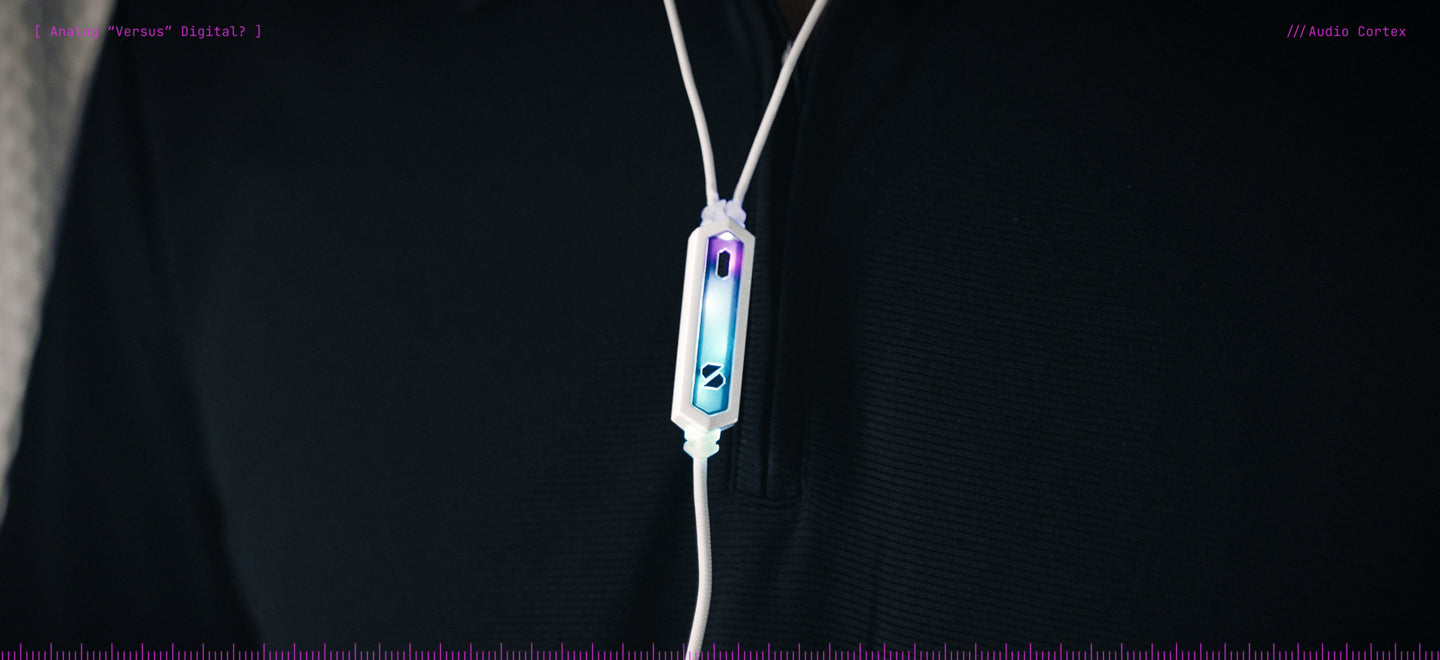
Vinyl bypasses these digital bottlenecks. A high-quality vinyl records player uses a direct analog path from the phono cartridge to the speakers. While digital tech is trying to catch up with innovations like the Audio Cortex DAC—a 2026 breakthrough designed to mimic analog signal integrity—the simplicity of the record player remains undefeated for purists. We are seeing a massive comeback for high-fidelity components like tube pre-amps and wired headphones, as listeners realize that "wireless" often means "compromised."
Starting Your Collection: 2026 Hardware and Care
If you are ready to jump into the analog world, knowing how to set up a vinyl record player for beginners is essential. The landscape in 2026 offers incredible options that bridge the gap between vintage soul and modern convenience.
Recommended Hardware for 2026
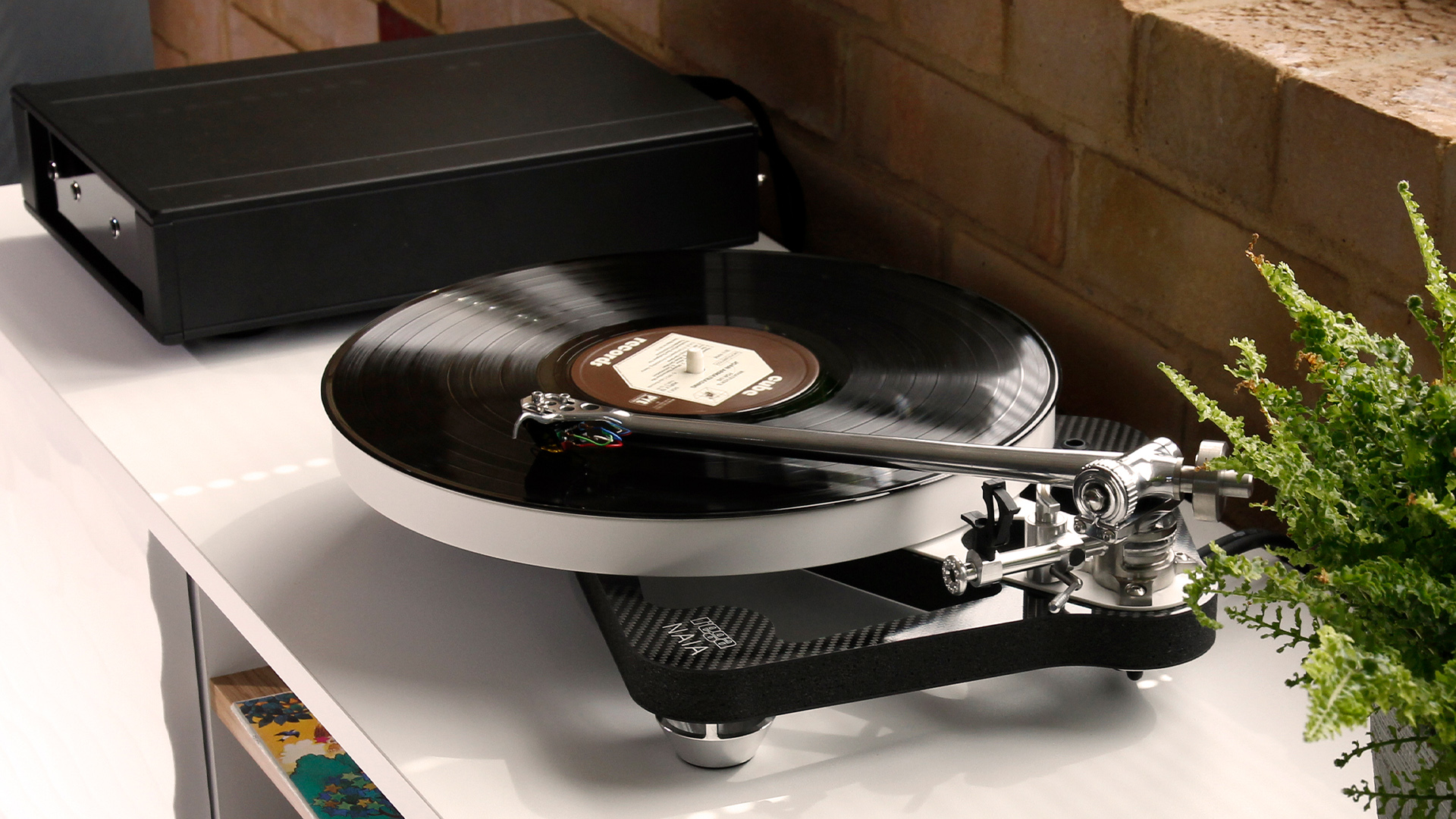
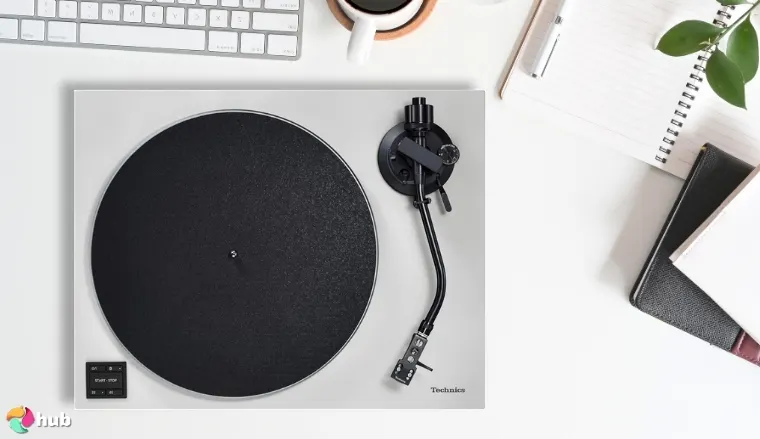
- The All-Rounder: The Technics SL-40CBT is the best turntable for vinyl records for those starting out. It offers the legendary direct-drive stability Technics is known for, but adds high-quality lossless Bluetooth for when you need a quick wireless connection.
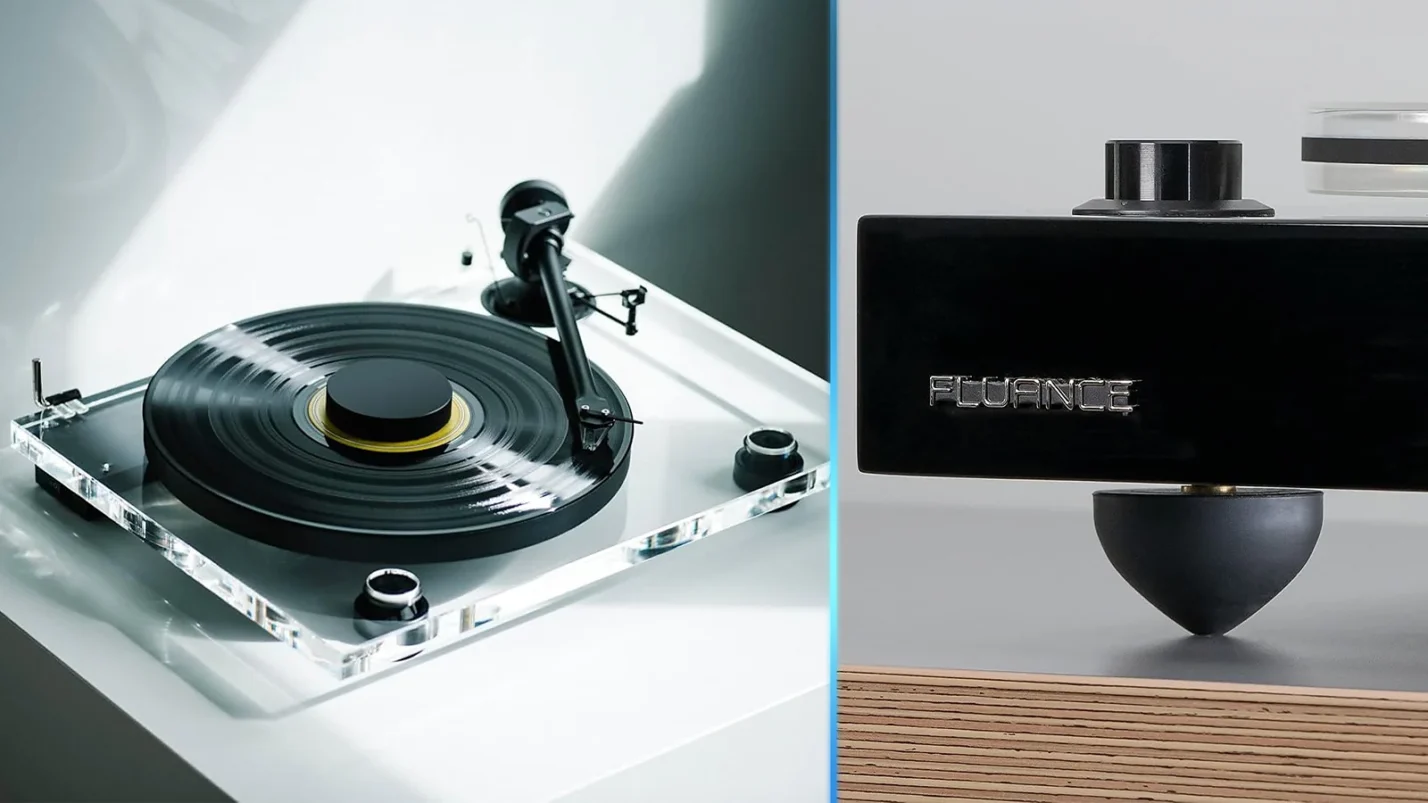
- The Purist Setup: Look for a manual belt-drive system paired with a moving magnet phono cartridge. This setup reduces motor vibration and ensures the purest signal.
- The Pre-Amp: Many modern players have built-in pre-amps, but an external tube pre-amp is the secret to unlocking that legendary harmonic warmth.
Maintenance and Preservation
Owning vinyl is a responsibility. To keep your collection sounding pristine, you must learn how to clean vinyl records safely at home. Avoid the temptation to use household chemicals; never use Dawn dish soap on vinyl as it can leave a film in the grooves. Instead, use a specialized anti-static solution and a carbon fiber brush before every play.
When buying second-hand, you must know how to check used vinyl records for scratches. Hold the disc at an angle under a bright, single-source light to reveal surface "hairline" scratches or deeper gouges that might cause skips. Finally, storing vinyl records properly to prevent damage is non-negotiable. Records should always be stored vertically—never stacked like pancakes—in a cool, dry environment. Stacking them creates immense pressure that leads to permanent warping over time.
FAQ
Why are Gen Z buying vinyls?
Younger listeners are seeking a "digital detox" and a more intentional way to experience music. In an era of infinite, ephemeral streaming, the physical nature of vinyl provides a sense of tangible ownership and a lifestyle statement that aligns with their values of slow living and authenticity.
Is vinyl losing popularity?
No, quite the opposite. The market has seen 19 consecutive years of growth. In 2025, sales reached over $1 billion in the US alone, and the global market is projected to continue expanding through 2032 as more people invest in physical media.
Are any vinyl records worth money?
Absolutely. First pressings, limited edition colored vinyl, and records from iconic artists in "Mint" condition can fetch thousands of dollars. The secondary market is highly active, making vinyl both a hobby and a potential investment.
What is the most wanted vinyl record?
While it fluctuates, rare pressings like the Beatles' "White Album" (low serial numbers) or Wu-Tang Clan's "Once Upon a Time in Shaolin" remain legendary. Generally, original pressings of classic rock, jazz, and 90s hip-hop are in high demand.
Can I use Dawn dish soap on vinyl?
It is not recommended. While some DIY guides suggest it, dish soaps can leave a microscopic residue in the grooves that attracts more dust over time. It is much safer to use a dedicated enzyme-based record cleaner or a simple mixture of distilled water and a tiny amount of high-purity isopropyl alcohol.