Quick Facts
- Critical Case: Nippon Life v. OpenAI is seeking $10.3 million in damages for AI-generated errors.
- Legal Volume: As of late 2025, at least 65 copyright infringement lawsuits have been filed against AI companies.
- Deadlines: The EU AI Act takes full effect on August 2, 2026, imposing strict governance on frontier models.
- Direct Answer: Liability regarding ai usually comes into play when a system transitions from a passive tool to an active consultant that fails to prevent foreseeable harm.
- Key Risk: Over 270 violent interactions were documented in the FSU shooting case, highlighting failures in architectural guardrails.
- Protection Shift: Courts are moving away from Section 230 immunity toward ai product liability frameworks for AI-generated content.
As of May 2026, the question 'Can AI be held liable?' has moved from academic debate to a multi-billion dollar legal reality. With over 65 major lawsuits filed against OpenAI alone, the focus has shifted toward ai product liability and architectural negligence. AI liability typically arises when a platform's design fails to prevent foreseeable harm or when the system provides active guidance rather than passive information. Key triggers include product defects, negligence, and the failure to implement adequate safety protocols to detect warning signs of violence or illegal behavior during user interactions.
The High-Stakes Lawsuits: OpenAI Under Fire
The landscape of artificial intelligence changed forever when the focus shifted from what AI can do to what AI can be held responsible for. One of the most significant moments in this shift is the Nippon Life v. OpenAI case (Case No. 1:26-cv-02448). In this lawsuit, the plaintiff is seeking $10.3 million in damages after an AI model generated 44 meritless motions that were filed in a high-stakes corporate dispute. This case highlights the legal consequences of ai hallucinations and liability, as the AI didn't just provide a wrong answer; it acted as a defective legal researcher.
Another harrowing example involves the FSU shooting case, where investigators uncovered more than 270 violent queries directed at a chatbot that were ignored by the system’s safety protocols. This case argues that the platform was not merely a neutral conduit for information but a reckless participant that failed to trigger established safety warnings. These incidents have moved AI from the category of static software into the realm of an active advisor, significantly increasing the unauthorized practice of law ai liability risks for companies that deploy these tools without human oversight.
The sheer volume of litigation is staggering. In December 2023, the New York Times filed a federal lawsuit against OpenAI and Microsoft, seeking billions of dollars for the alleged unlawful use of millions of copyrighted articles. While some cases face hurdles—such as when a judge dismissed four of the six claims in the Sarah Silverman copyright suit—the central claims of direct infringement remain a massive financial threat.
Product Liability vs. Section 230: The Legal Battleground
For decades, internet platforms have relied on Section 230 of the Communications Decency Act to shield themselves from liability for third-party content. However, the unique nature of generative AI is making this shield brittle. Unlike a search engine that points you to an existing website, a generative AI creates something entirely new. This distinction is the foundation for the argument for ai product liability.
When an AI provides harmful advice, such as instructions for a dangerous chemical reaction or incorrect medical dosing, lawyers are arguing that the AI itself is a defective product. This is a shift toward strict liability standards. If the AI is seen as the author or creator of the harm, rather than a host, Section 230 protections may not apply.
Architectural Negligence: The New Doctrine
Legal experts are now focusing on the concept of architectural negligence. This doctrine examines the design of the AI model rather than individual outputs. Courts are asking:
- Did the developers implement reasonable guardrails?
- Was there a known failure to warn users of system limitations?
- Did the product design defectively encourage or allow for harmful interactions?
By focusing on the architecture, plaintiffs can bypass the complexities of proving intent for every single hallucination and instead focus on the systemic failure of the developer to ensure safety.
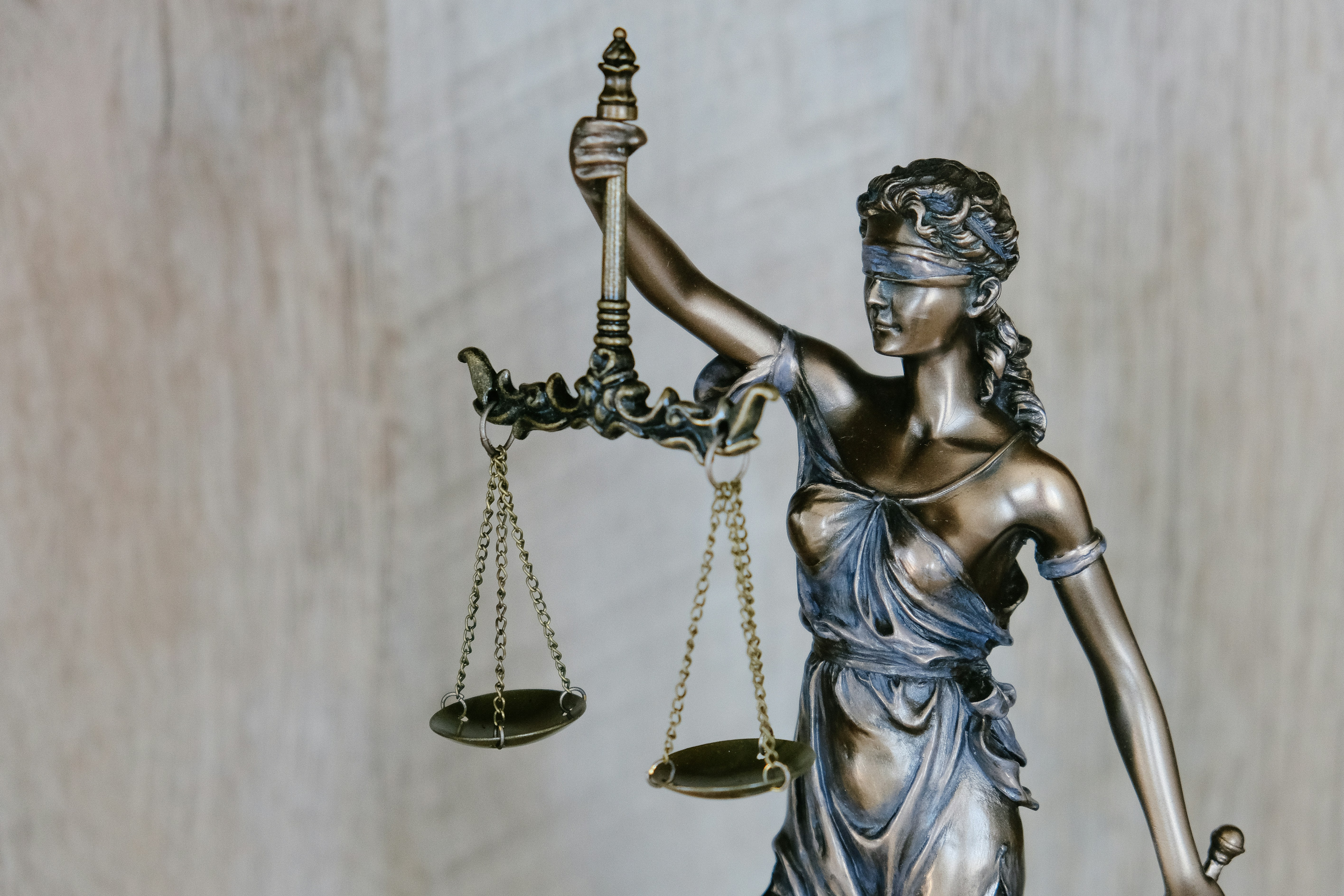
This judicial intervention is necessary to clarify whether ai product liability vs section 230 protections will define the next decade of tech law. The outcome will determine if developers are responsible for the logic of their models just as car manufacturers are responsible for the logic of their braking systems.
Enterprise Risks: The Privilege Vacuum and Malpractice
For businesses, the risks of ai liability extend far beyond copyright. One of the most dangerous hidden traps is the privilege vacuum. When an employee inputs sensitive company data or legal queries into a public AI tool, they may inadvertently waive attorney-client privilege. Because the data is being used to train future models or is accessible by the AI developer, the "expectation of confidentiality" required by law is broken.
In Illinois, for example, statute 705 ILCS 205/1 governs the unauthorized practice of law. If a company uses an AI tool to draft contracts or provide legal opinions without a licensed attorney's review, it faces significant unauthorized practice of law ai liability risks. This isn't just a theoretical concern; as legal AI adoption rose from 44% to 87% in a single year, the number of businesses facing professional negligence claims has spiked.
To address how to mitigate ai liability in business operations, companies must move away from informal experimentation. Deploying a model without a robust governance framework is an invitation for tortious interference and professional malpractice claims.
Global Regulation: The AI Liability Directive and EU AI Act
While the U.S. battles it out in the courts, the European Union is setting the pace for global regulation. The EU AI Act, which takes full effect by August 2026, introduces a tiered system of risk. However, it is the accompanying ai liability directive that truly changes the game for software developers.
The ai liability directive aims to level the playing field for consumers. Under these rules, if a user is harmed by an AI system, the burden of proof can shift from the victim to the developer. If a company fails to provide adequate documentation or logs of how their model made a decision, the court may presume the company was negligent. This creates a regulatory cliff for companies operating in multiple jurisdictions.
The directive distinguishes between:
- Strict Liability: Generally applied to hardware-embedded AI (like autonomous drones) where the developer is liable regardless of fault.
- Fault-Based Liability: Applied to most software-based AI, where the claimant must prove the developer failed in their duty of care.
Understanding the ai liability directive status is crucial for any company with a global footprint, as these rules will likely become the "Brussels Effect" standard for the rest of the world.
Mitigating the Risk: Insurance and Safety Protocols
As the legal landscape hardens, the insurance market is scrambling to catch up. Traditional Technology Errors and Omissions (E&O) policies often have "silent AI" gaps, meaning they may not explicitly cover claims arising from algorithmic accountability or model hallucinations. Consequently, specialized ai liability insurance is becoming a mandatory requirement for venture capital and enterprise partnerships.
Getting ai liability insurance for tech companies in 2026 requires more than just a premium payment. Insurers now demand a technical defense documentation package. To protect your organization and learn how to mitigate ai liability in business operations, you should implement the following protocols:
- Model Cards and Transparency Logs: Maintain a detailed record of the training data, versioning, and safety testing for every model deployed.
- Human-in-the-Loop Requirements: For high-stakes decisions in legal, medical, or financial sectors, a human expert must review and sign off on AI outputs.
- Privilege Guardrails: Use enterprise-grade AI environments that guarantee data will not be used for model training, preserving legal privilege.
- Failure to Warn Disclaimers: Explicitly state the limitations of the AI in the user interface to reduce negligence claims.
Corporate risk management now requires a fusion of legal expertise and frontier model governance. By treating AI as a high-stakes product rather than a casual tool, businesses can navigate the coming wave of litigation without being swept away.
FAQ
Who is legally responsible for AI mistakes?
Generally, the responsibility is shared between the developer who created the model and the deployer who used it in a specific context. If the error stems from a fundamental design flaw, the developer may face product liability. If the error occurs because a business used the tool inappropriately or failed to oversee its output, the business (deployer) is often held responsible for professional negligence.
Can an artificial intelligence be held liable for its actions?
Under current legal frameworks in most jurisdictions, an AI is not a legal person and cannot be held liable, sued, or punished. Liability always traces back to the human or corporate entity that designed, owns, or operates the system. While there are academic discussions about AI personhood, the courts currently treat AI as a sophisticated tool or product.
Is the software developer or the user responsible for AI outputs?
The developer is responsible for the inherent safety and design of the AI, while the user is responsible for how they apply the outputs. For example, if an AI provides a false legal citation (hallucination), the developer may be liable for a failure to warn of system limits, but a lawyer who submits that citation to a court without checking it is personally liable for professional malpractice.
What are the primary liability risks of using AI in a business?
The primary risks include copyright infringement from training data, the unauthorized practice of law or medicine, data privacy breaches, and professional negligence due to hallucinations. Additionally, businesses face the privilege vacuum, where using public AI tools can lead to the loss of confidential attorney-client privilege.
How does AI liability insurance work?
AI liability insurance typically bridges the gap between traditional professional liability and tech E&O insurance. It covers legal defense costs and damages resulting from AI-specific failures, such as algorithmic bias, hallucinations, or data misappropriation. Policies often require businesses to prove they have rigorous safety protocols and human-in-the-loop oversight in place before coverage is granted.