Quick Facts
- Launch Date: May 2026 Global Expansion.
- Core AI: Google Gemini Pro with 2-million-token context window.
- Accuracy Score: 93% success rate in complex multi-step command testing.
- Compatibility: Supports 50,000+ devices via Matter and Zigbee.
- Pricing: $10/mo (Premium) or $19.99/mo (Advanced with 2TB storage).
- Top Feature: Native multimodal interaction for video and document processing.
- The Verdict: Gemini for Home is the best ai home assistant in 2026, offering a 93% accuracy rate and deep generative AI integration across 50,000+ smart home devices.
In 2026, the best AI home assistant options include Google Home with Gemini, Amazon Alexa with Alexa+, and Apple HomeKit powered by Apple Intelligence. Gemini for Home stands out for its deep integration with Google services, multimodal interaction capabilities, and advanced natural language understanding. These platforms offer sophisticated automation, allowing users to manage smart devices through complex, context-aware routines and predictive analytics.
The Evolution of Google Home: Gemini for Home Explained
The landscape of smart living has shifted dramatically. We are no longer in the era of simple "if-this-then-that" logic. The global launch of Gemini for Home represents a pivot from legacy command-response models to a sophisticated intent-understanding framework. As an editor who has followed this trajectory for a decade, I can say that this isn't just a software update; it is a fundamental redesign of the smart home ecosystem.
By integrating generative AI integration directly into the fabric of the home, Google has addressed the most significant pain point of early smart homes: the rigid, often frustrating nature of voice commands. Gemini for Home uses a large language model to interpret nuance. If you say, "The kids are coming home from soccer practice," the system doesn't just look for a device named "Soccer." It understands the context awareness required—turning on the mudroom lights, adjusting the temperature in the kitchen, and perhaps starting a snack-related routine.
Privacy remains a cornerstone of this evolution. For users with the latest hardware, such as Pixel 10 devices, the system utilizes Gemini Nano for privacy-first processing. This edge AI approach ensures that sensitive data regarding your daily habits stays on-device, processed locally rather than being shipped to the cloud for every minor request. This hybrid model of local and cloud intelligence allows for a conversational home management experience that feels both fluid and secure.
Global Availability and Setting Up Your AI Hub
The rollout of this technology has been ambitious. As of April 2026, Google expanded early access for Gemini for Home to 16 additional countries across Europe and the Asia-Pacific region, including support for seven new languages. This expansion ensures that a global audience can finally experience what it means to have a truly multilingual ai home assistant.
Setting up an ai home assistant hub is surprisingly straightforward, thanks largely to the widespread adoption of the Matter protocol. When I first began reviewing these systems, cross-brand compatibility was a nightmare. Now, the process is streamlined:
- Select Your Hardware: Start with a compatible ai home assistant speaker or a smart display like the Nest Hub Max.
- Enable Gemini: Within the Google Home app, navigate to settings and opt-in to the Gemini intelligence layer.
- Device Integration: Use the app to scan the Matter QR codes on your connected appliances. Because Google Home APIs provided developers with access to over 750 million devices as of May 2025, the likelihood of your existing gear being supported is high.
- Calibrate Context: Walk through your home and describe your routines. Gemini uses this natural language input to build a map of your preferences.
The real-time synchronization across different device brands is the standout feature here. Whether you are using a TP-Link plug, a Hue light, or a Samsung fridge, the central hub manages them as a single, cohesive unit. Google reported that streamlining device command recognition for Gemini for Home resulted in command execution speeds for smart lights and plugs becoming up to 1.5 seconds faster. In the world of smart home tech, 1.5 seconds is the difference between a system that feels magical and one that feels broken.
Smart Home AI Automation Ideas for 2026
The true power of a gemini ai home assistant lies in its ability to move beyond scheduled timers and into predictive analytics. We are seeing a massive shift toward home assistant ai automation that anticipates needs rather than waiting for triggers.
One of the most popular home assistant ai automation ideas involves "Predictive Morning Routines." Imagine a scenario where Gemini checks your Google Calendar, notices a 7:00 AM meeting, sees that you didn't sleep well via your wearable data, and automatically starts the coffee maker ten minutes earlier than usual. It doesn't need a specific "coffee" command; it understands the requirement for caffeine based on your schedule and physical state.
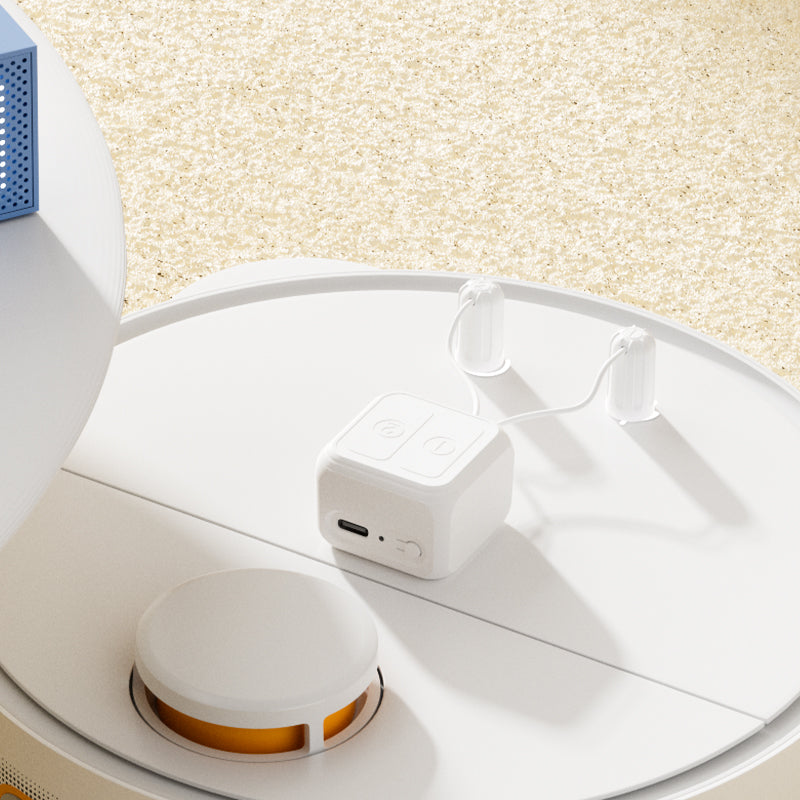
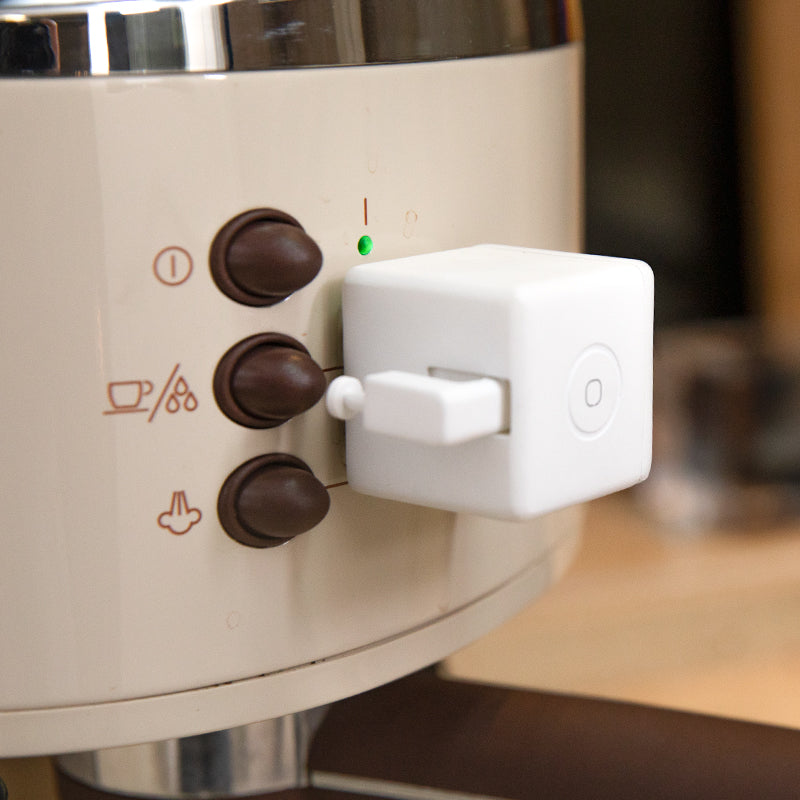
For those with legacy appliances, retrofit automation has become a major trend. Not everyone can afford a new smart oven or designer curtains. Using "Fingerbots" or roller blind robots allows you to bring older hardware into the 2026 ecosystem. You can tell Gemini, "I want the living room to feel cozy for a movie," and it will coordinate the smart lights with a physical robot that pushes the button on your vintage stereo and another that pulls down the non-smart blinds.
Furthermore, multimodal interaction has revolutionized home security. You no longer have to scrub through hours of footage. You can simply ask your ai home assistant device, "Who came to the door while I was out?" Gemini will analyze the video frames from your doorbell camera and provide a natural language summary: "The mail carrier arrived at 2:00 PM, and a neighbor dropped off a package at 4:30 PM."


Competitive Analysis: Gemini vs. Alexa+ vs. Apple Intelligence
Choosing the best ai home assistant 2026 requires looking at how Google stacks up against its two biggest rivals: Amazon and Apple. Each platform has carved out a specific niche, but Google’s "Workspace Archipelago"—the seamless link between your home and your productivity tools like Gmail and Drive—gives it a distinct edge for busy professionals.
| Feature | Gemini for Home (Google) | Alexa+ (Amazon) | Apple Intelligence (Apple) |
|---|---|---|---|
| Command Accuracy | 93% | 89% | 87% |
| Device Support | 50,000+ (Matter Heavy) | 100,000+ (Zigbee Heavy) | 20,000+ (High Security) |
| Monthly Cost | $10 - $19.99 | $14.99 | Included with Hardware |
| Core Strength | Natural Language & Workspace | E-commerce & Shopping | Privacy & Local Processing |
| Interoperability | Matter, Zigbee, Thread | Matter, Zigbee, Sidewalk | Matter, HomeKit |
In a head-to-head comparison of google home gemini vs alexa plus, the difference often comes down to how you use gemini for home automation. Alexa+ remains superior for household inventory management and shopping, but Gemini's ability to handle complex, multi-step queries is unparalleled. If you ask, "Find that recipe I emailed to myself last week and preheat the oven to the temperature it recommends," Gemini handles it with ease. Alexa+ often struggles with the deep document retrieval required for that level of automation.
Apple Intelligence, while more restricted in device compatibility, offers the highest level of local processing performance. However, for the average user looking to build a comprehensive smart home ecosystem, the flexibility and intelligence of Gemini make it the frontrunner for 2026.
FAQ
Are there any AI home assistants?
Yes, in 2026, the market is dominated by generative AI platforms. The most prominent examples are Gemini for Home from Google, Alexa+ from Amazon, and Apple Intelligence. These differ from earlier voice assistants by using large language models to understand complex intent rather than just matching keywords to specific commands.
Can a Home Assistant use AI?
Absolutely. Modern platforms use home assistant ai automation to manage everything from energy consumption to security. By integrating with protocols like Matter, an AI can control thousands of different devices, using predictive analytics to automate your home based on your past behavior and real-time data from the web, such as weather forecasts or traffic reports.
What is the best AI Home Assistant device?
As of 2026, the Nest Hub Max (2nd Gen) or the specialized Gemini Home Station are considered the top hardware choices. However, any ai home assistant speaker or display that supports Google’s latest Gemini Pro integration will serve as an effective central hub. The best device for you depends on whether you prefer a visual interface for multimodal interaction or a simple voice-only experience.
Can I get an AI assistant for free?
Most major AI assistants offer a "Free Tier" with basic voice command functionality and limited automation features. However, to access the advanced generative AI features—such as deep context awareness, 2-million-token context windows, and advanced home assistant ai automation ideas—most providers require a monthly subscription, typically ranging from $10 to $20.