Our Top Picks
- Best for Compact Seekers: Standard Galaxy S26. It remains the gold standard for high-end power in a pocketable 6.3-inch frame.
- Best for Power Users: Galaxy S26 Plus. With a larger 4,900mAh battery and faster 45W charging, it is the endurance king of the lineup.
- Overall Value: The Galaxy S26 series provides solid value through its 7-year software policy and improved thermal management, though it lacks major camera hardware changes.
The Samsung Galaxy S26 has arrived, and the verdict is clear: it is a masterclass in refinement rather than revolution. Featuring the new Snapdragon 8 Elite Gen 5 and a larger 4,300mAh battery, it addresses the S25's few shortcomings. If you are holding a Galaxy S25, the iterative changes might not justify the jump; however, for those on an S23 or older, the Galaxy S26 represents a massive leap in efficiency and AI capability.
Every year, we ask the same question: how much "new" is enough to justify an upgrade? For the Galaxy S26, Samsung is betting on the internals. While the chassis might look familiar, the integration of the latest Qualcomm Snapdragon chipset and the jump to Android 16 makes this a future-proof workhorse.
Design and Display: Brighter, Bigger, and Better Protected
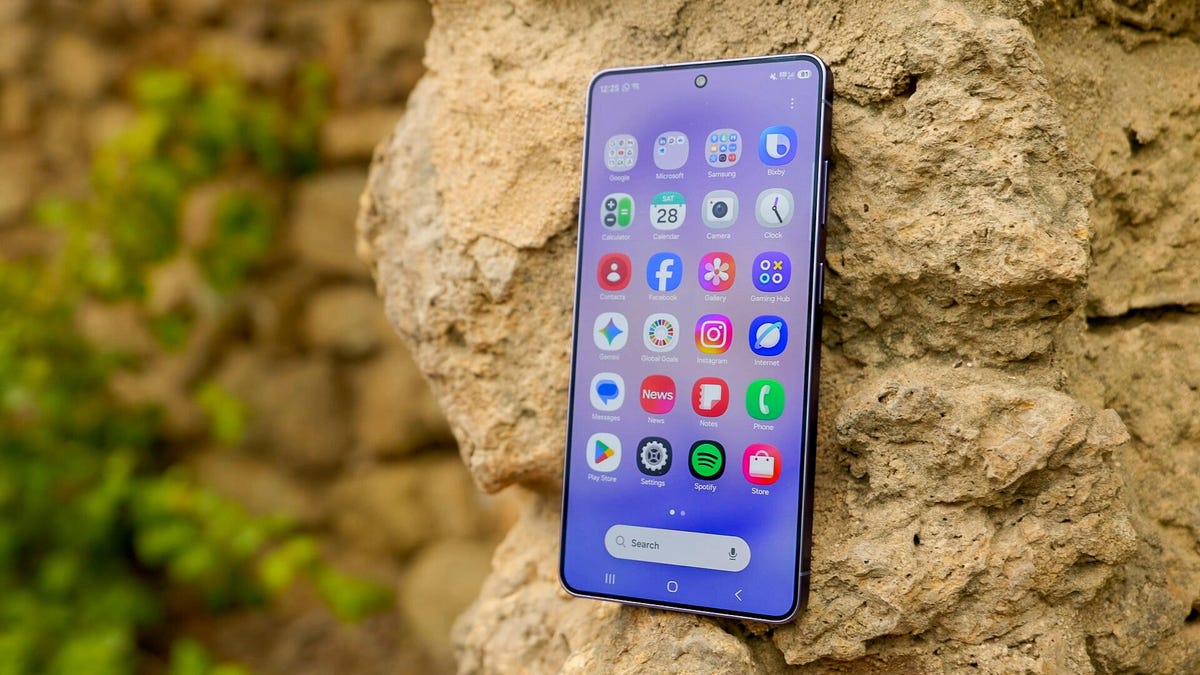
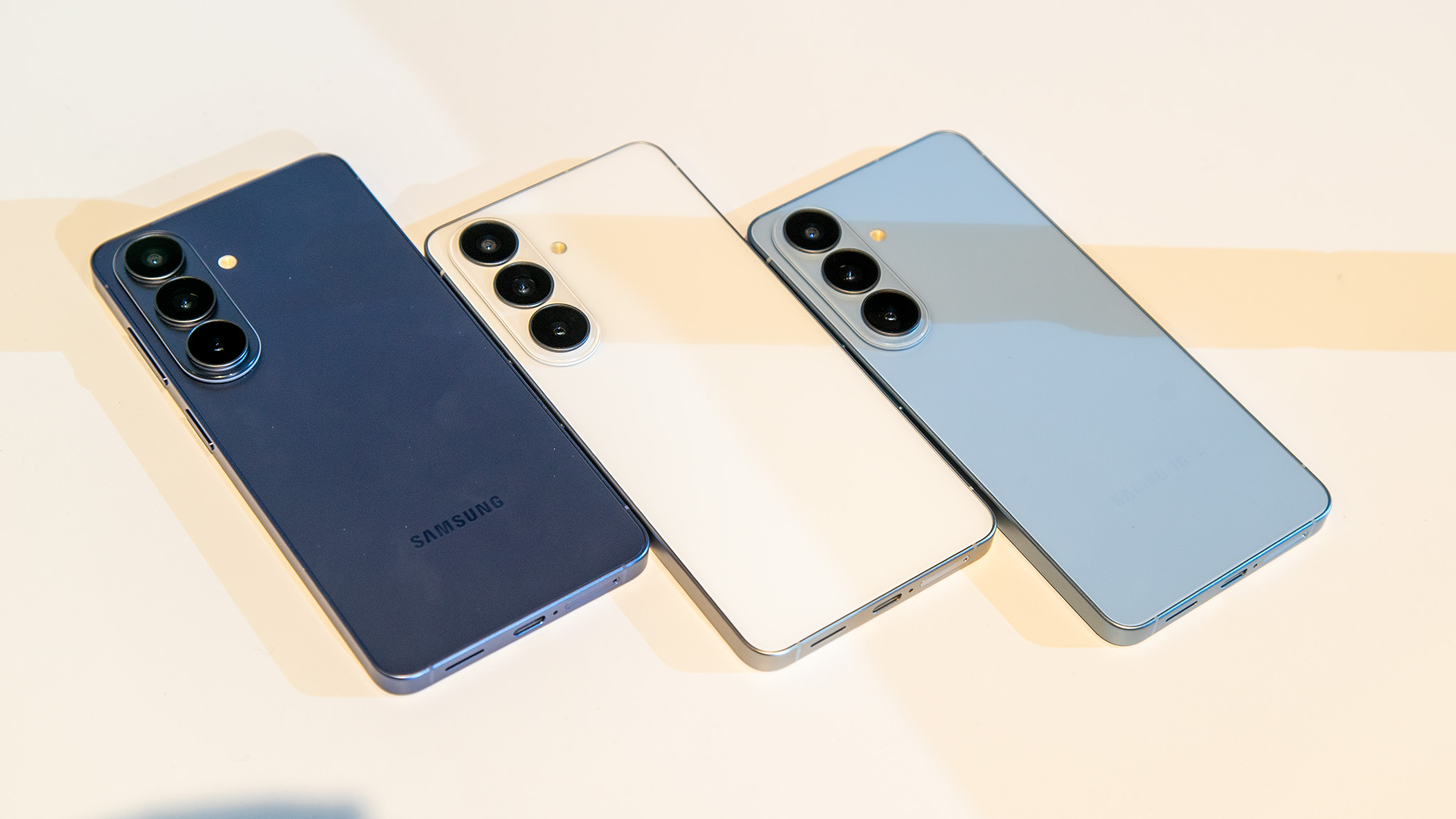
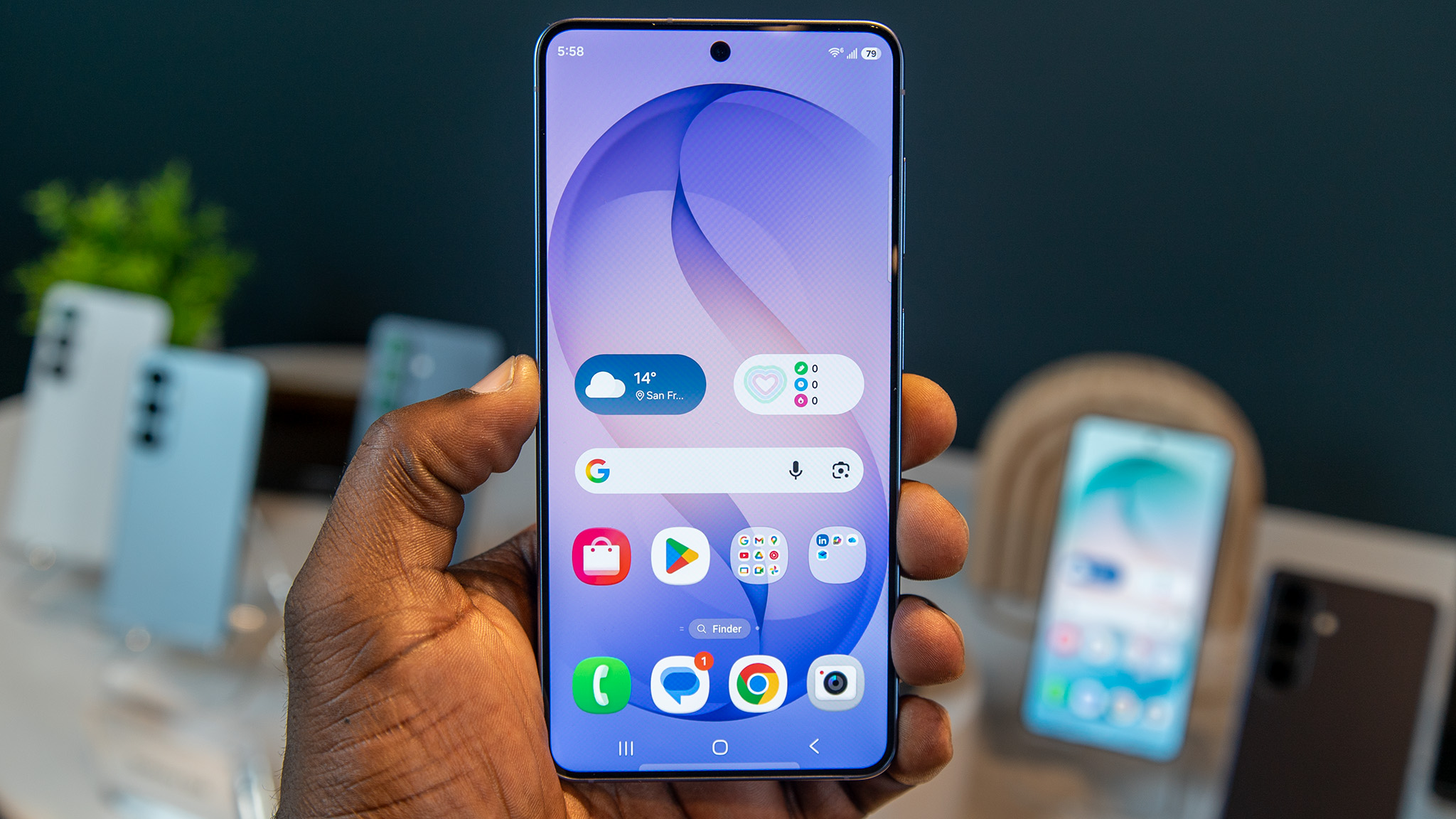
At first glance, the Galaxy S26 feels like a familiar friend. Samsung has stuck with the refined Aluminum frame build that has defined the series for years. However, once you turn the screen on, the subtle changes become apparent. The display has grown slightly to a 6.3-inch panel, up from the 6.2-inch screen on the previous generation. This change doesn't make the phone feel significantly bulkier, but it does offer a touch more room for multitasking.
The real star of the show is the brightness. Samsung has pushed the 120Hz adaptive refresh rate panel to reach a 2,600 nits peak brightness. In our real-world testing, this translates to flawless visibility even under direct midday sun. Whether you are framing a shot at the beach or reading a map in a bright city plaza, the glare is virtually non-existent.
Here is how the core specs of the Galaxy S26 compare to last year’s model:
| Feature | Galaxy S25 | Galaxy S26 |
|---|---|---|
| Display Size | 6.2-inch Dynamic AMOLED 2X | 6.3-inch Dynamic AMOLED 2X |
| Peak Brightness | 2,600 nits | 2,600 nits |
| Battery Capacity | 4,000 mAh | 4,300 mAh |
| Base Storage | 128GB | 256GB |
| Starting Price | $799 | $899 |
Performance and Software: Snapdragon 8 Elite Gen 5 & One UI 8.5
The beating heart of the Galaxy S26 is the Qualcomm Snapdragon chipset, specifically the Snapdragon 8 Elite Gen 5. Samsung claims a 39% performance gain over the previous generation, and in our benchmarking, those numbers hold up. Apps launch instantly, and 4K video rendering is noticeably faster. But for most users, the real benefit isn't just raw speed—it is the improved Vapor chamber cooling. Even during an hour of high-end gaming, the phone remained comfortable to hold, avoiding the aggressive thermal throttling that plagued older compact flagships.
Software is where Samsung is leaning into its partnership with Google. Shipping with the Android 16 operating system and samsung galaxy s26 one ui 8.5, the interface is smoother than ever. The headline feature is the deeper Gemini AI integration. Samsung’s Galaxy AI now handles everything from real-time translation in third-party apps to complex photo cleanup with generative fill.
One UI 8.5 also introduces more granular control over these AI features. You can now choose whether you want the AI to suggest text replies or handle photo processing locally on the device for better privacy. Combined with the industry-leading 7-year software policy, the Galaxy S26 is a device designed to stay relevant until 2033.
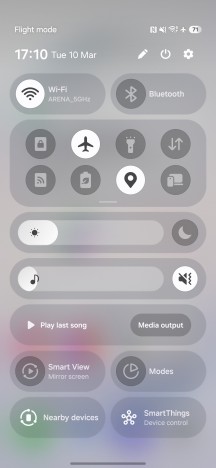
Battery Life and Charging: The 4,300mAh Milestone
For years, the standard Galaxy S model was held back by its battery. Samsung has finally addressed this by fitting a 4,300 mAh battery into the base Galaxy S26. This is a significant bump from the 4,000 mAh cell used previously.
In our looped video playback test, the Galaxy S26 lasted roughly 31 hours, a clear step up that ensures most users will comfortably get through a full day of heavy use. However, there is a catch. While the battery is larger, the base Galaxy S26 is still stuck with 25W wired charging. If you want the faster 45W speeds, you’ll need to step up to the galaxy s26 plus, which also packs a more substantial 4,900mAh battery.
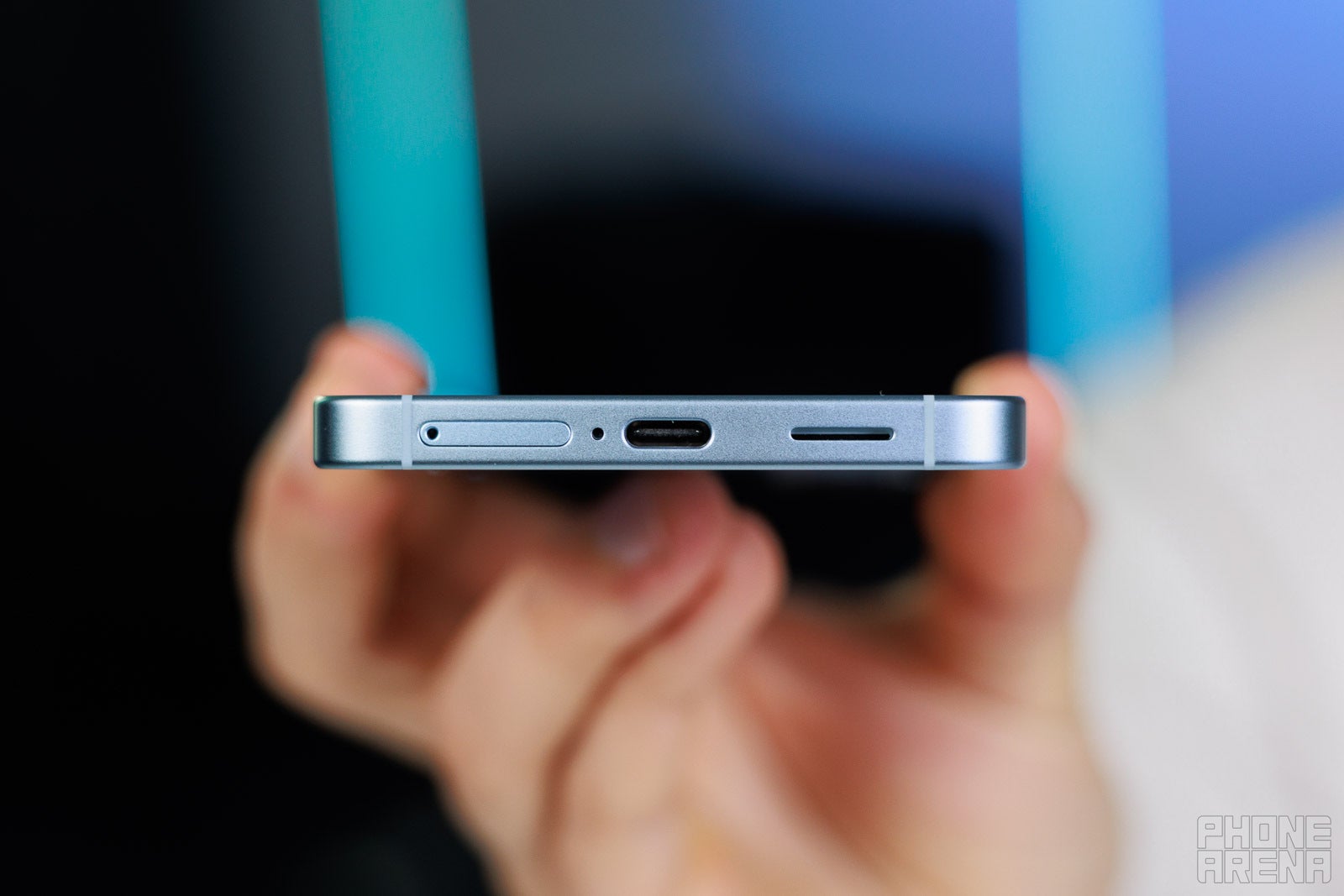
The samsung galaxy s26 battery life performance is a highlight of this release, finally removing the "battery anxiety" that often comes with small-screen phones. Just be prepared to wait about 75 minutes for a full charge if you are using the base model.
Camera: Computational Wins Over Hardware Stagnation
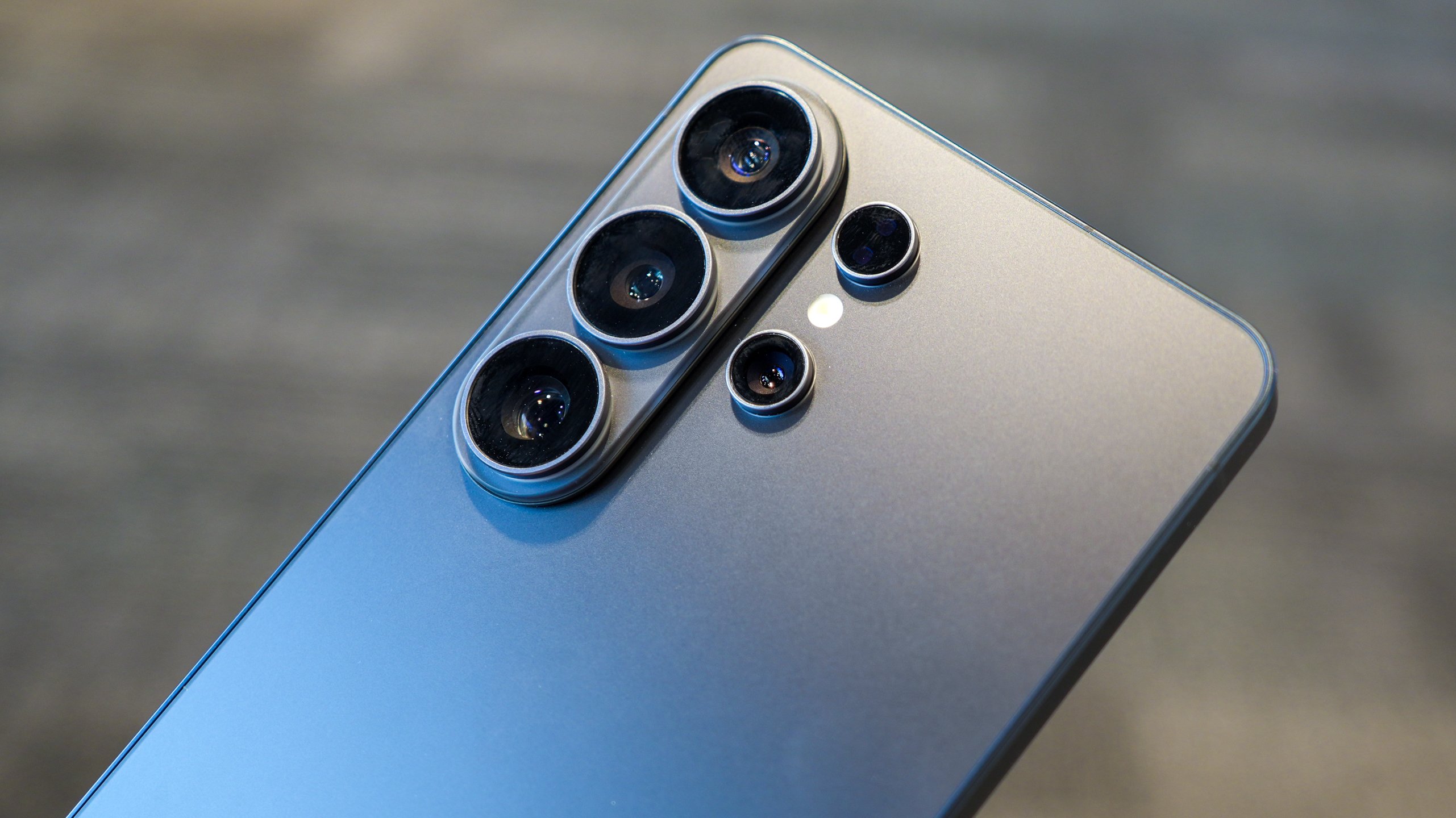
If you were hoping for a massive hardware overhaul in the camera department, the Galaxy S26 might feel like a repeat. It retains the same triple-lens setup: a 50MP main sensor, a 12MP ultra-wide, and a 10MP telephoto with 3x optical zoom.
However, hardware is only half the story in modern mobile photography. The new Image Signal Processor (ISP) inside the Snapdragon 8 Elite Gen 5 does a lot of heavy lifting. Computational photography has taken a leap forward, particularly in low-light portraits and high-dynamic-range (HDR) scenes. Shadows are preserved better than on the S25, and the "shutter lag" that has occasionally frustrated Samsung users is nearly non-existent here.
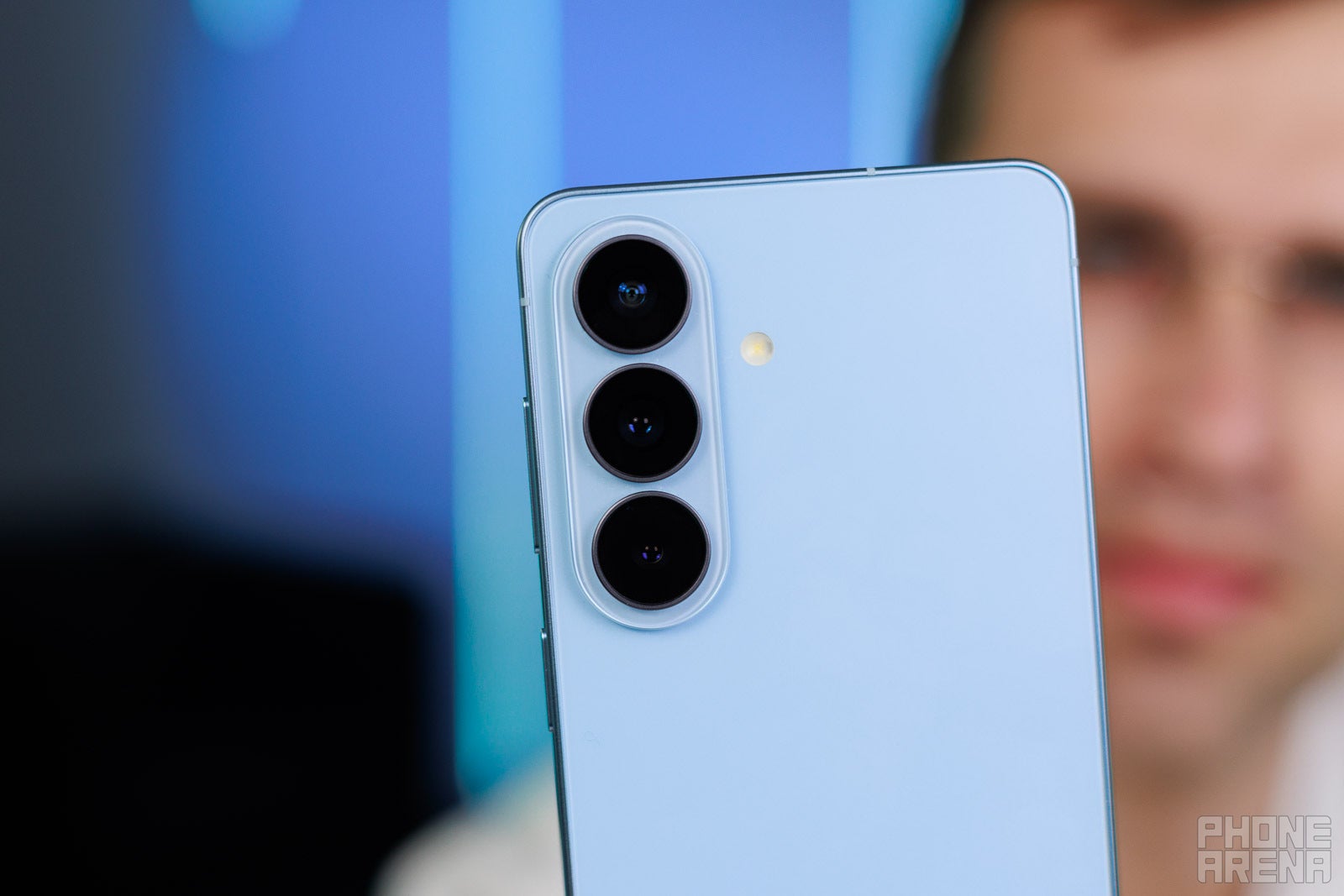
While the 3x optical zoom is still solid for architectural shots and portraits, we would have loved to see a move toward a 5x zoom to compete with some of the more aggressive rivals in this space. Nevertheless, for the average user, the Galaxy S26 remains one of the most reliable "point-and-shoot" cameras on the market.
Pricing and Value: The 256GB Shift
Samsung has made a bold move with the pricing of the Galaxy S26. The 128GB storage tier is officially gone. The base model now starting at 256GB of storage for an introductory price of $899. While this represents a $100 price hike over the S25's entry price, it is important to remember that the 256GB S25 also launched at roughly this price point.
For many, this simplifies the buying process. You no longer have to worry about running out of space after six months of 4K video recording. However, the samsung galaxy s26 price does put it in a more premium bracket, narrowing the gap between the standard model and the Plus variant.
Upgrade Decision Framework: Should You Buy It?
Deciding whether to pull the trigger on the Galaxy S26 depends entirely on what is currently in your pocket. This is a classic "skip a generation" device for some, but a mandatory upgrade for others.
Decision Thresholds: When to Buy
- Upgrade from Galaxy S23 or older: This is a "Yes." The jump in screen brightness, the massively improved battery life, and the 7-year software commitment make this a night-and-day difference.
- Switching from iPhone: This is a "Yes." If you want the most refined Android experience that matches Apple’s build quality and longevity, this is it.
- Upgrading from Galaxy S25: This is a "No." The performance gains are impressive but not life-changing for everyday tasks, and the camera hardware is identical.
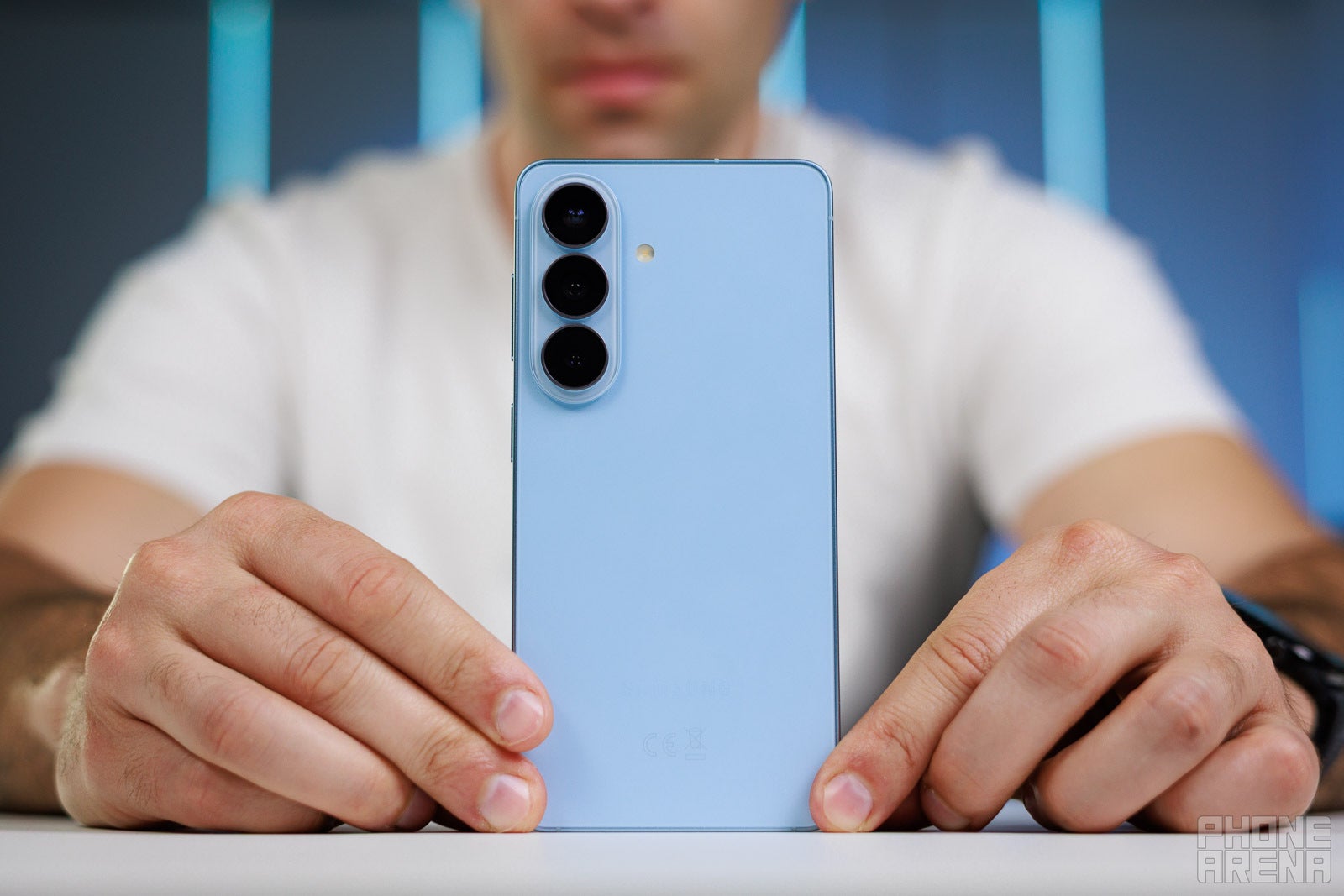
The Galaxy S26 isn't reinventing the wheel. It is refining it. It takes the most popular size in the Samsung lineup and fixes the battery life, boosts the performance, and guarantees a decade of relevance. For many, that is exactly what a flagship should be.
FAQ
Is there a Samsung S26 coming out?
The Samsung Galaxy S26 is now available globally, having launched as the successor to the Galaxy S25. It is available in three versions: the standard S26, the S26 Plus, and the S26 Ultra.
How much will the Samsung S26 cost?
The Samsung Galaxy S26 starts at $899. This includes 256GB of internal storage and 12GB of RAM. Samsung has discontinued the 128GB model for this generation.
What's different about the Galaxy S26?
The most notable changes include the larger 4,300mAh battery, a slightly bigger 6.3-inch display, and the move to the Snapdragon 8 Elite Gen 5 processor. It also ships with Android 16 and features enhanced AI capabilities through One UI 8.5.
What is the best time to buy a new Samsung phone?
The best time to buy is typically during the pre-order window to take advantage of trade-in bonuses and storage upgrades, or approximately three to four months after launch when the first major retail discounts begin to appear.