Our Top Picks
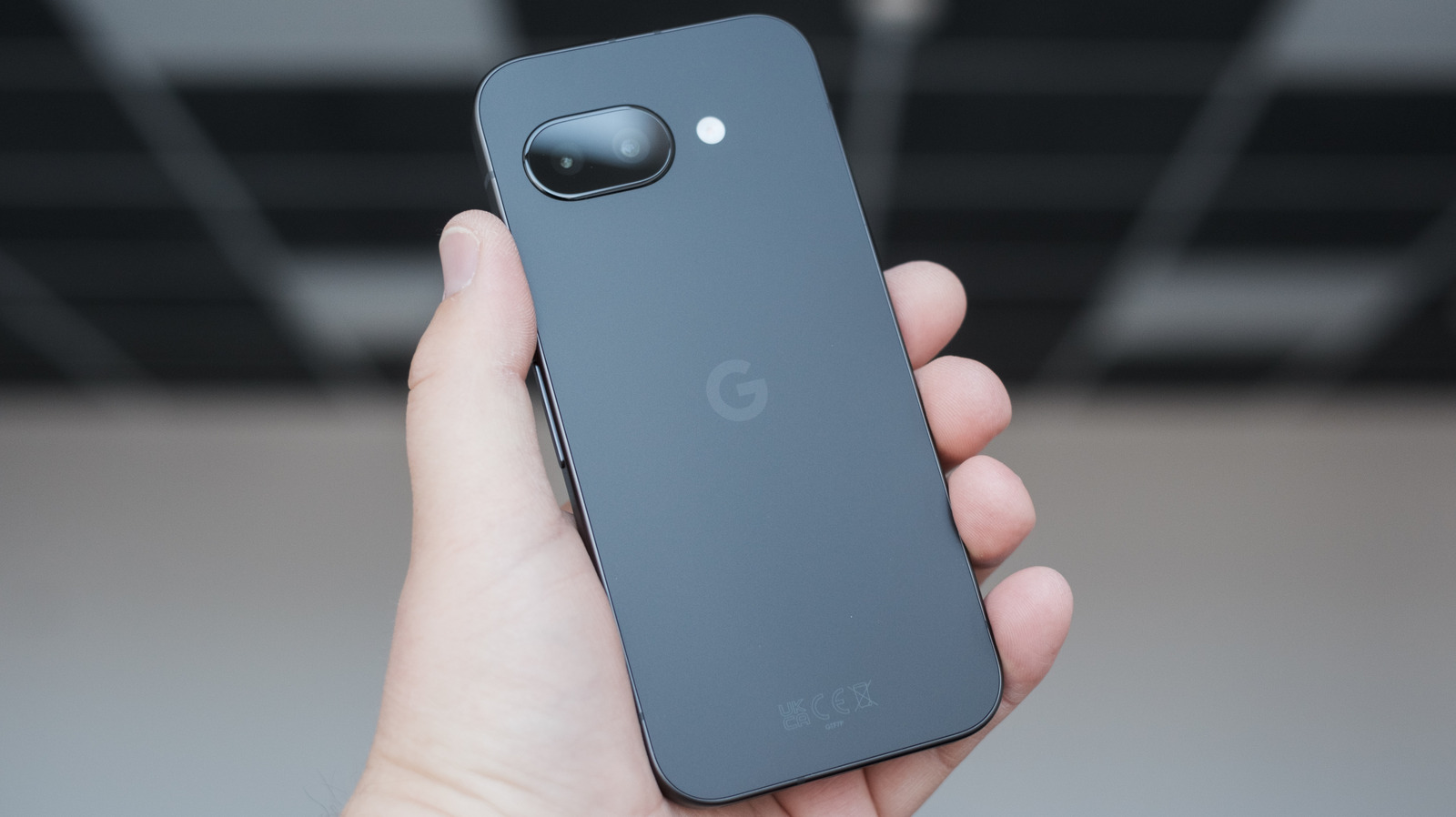
The motorola razr 2026 is the Endurance King of foldables, offering marathon-level battery life that finally matches traditional slab phones. While the Razr+ 2026 earns its keep for those who prioritize style and longevity, buyers seeking raw value might find the Base motorola razr 2026 more appealing, given the recycled internals of the premium model.
The motorola razr 2026 is a premium clamshell foldable starting at $1,099 that prioritizes a 4,500mAh battery and durability upgrades over raw processing power. While the price has climbed, the focus on a titanium-strengthened hinge and enhanced physical resilience makes it a sturdy companion for the daily grind.
Design and Build: The Titanium Upgrade
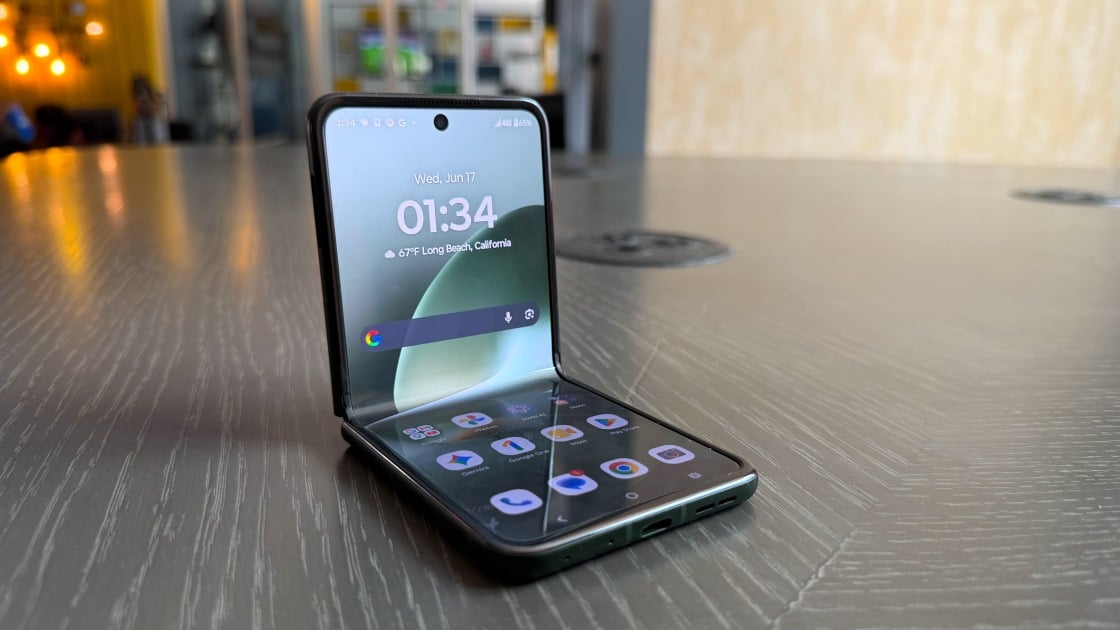
Motorola has always understood that foldables are as much about fashion as they are about function. For the 2026 release, the brand has doubled down on luxe materials and improved durability. The centerpiece of this year's iterative update is the move to a titanium-strengthened hinge. This choice isn't just for show; it gives the opening and closing mechanism a more rigid, deliberate feel compared to the springier hinges of the past.
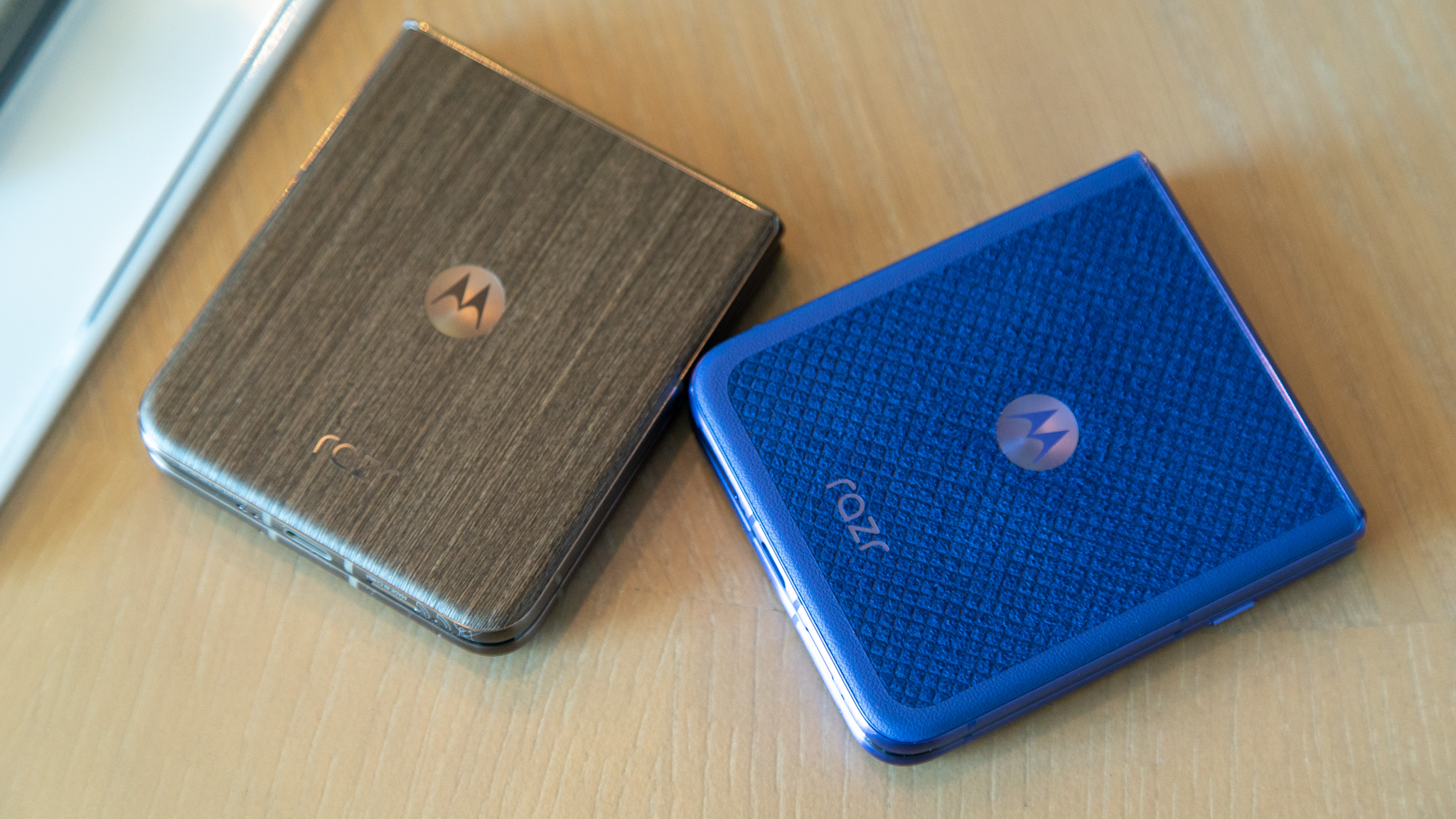
The device also carries an IP48 water resistance rating, a modest but welcome improvement that offers better protection against fine particulates and liquid splashes. For those who value tactile sensation, Motorola continues to offer its signature Alcantara finishes alongside the bold Pantone Mountain View colors. These soft-touch textures make the phone much more comfortable to hold than the cold, slippery glass often found on high-end competitors. This focus on sustainability and structural integrity is further reflected in the device earning a total score of 17/20 in the AT&T Eco-Rating, which includes a perfect score for its end-of-life and recycling efforts.
Battery Performance: 17 Hours of Freedom
If there is one undeniable reason to choose the motorola razr 2026 review unit we tested, it is the battery. Over the years, the biggest complaint about small foldable phones has been that they die before the workday is over. Motorola has effectively solved that. By switching to a 4,500mAh cell, they have achieved a 12.5% increase in capacity over the 4,000mAh battery found in the previous year's model.
In our real-world stress testing, which involves heavy social media scrolling, video playback, and GPS usage, the motorola razr 2026 battery life improvements were immediately apparent. The device lasted just over 17 hours, a massive jump from the 12 hours and 57 minutes we recorded on the 2025 model. Supporting this endurance is 45W TurboPower charging, which can get you from zero to fifty percent in under half an hour. The addition of 15W wireless charging and reverse charging for your earbuds ensures that this silicon-carbon battery technology is as versatile as it is long-lasting.
| Battery Metric | Razr+ 2025 | Razr+ 2026 |
|---|---|---|
| Capacity | 4,000mAh | 4,500mAh |
| Stress Test Duration | 12h 57m | 17h 04m |
| Charging Speed | 33W | 45W |
| Battery Type | Lithium-Ion | Silicon-Carbon |
Hardware and Performance: The Snapdragon Stagnation
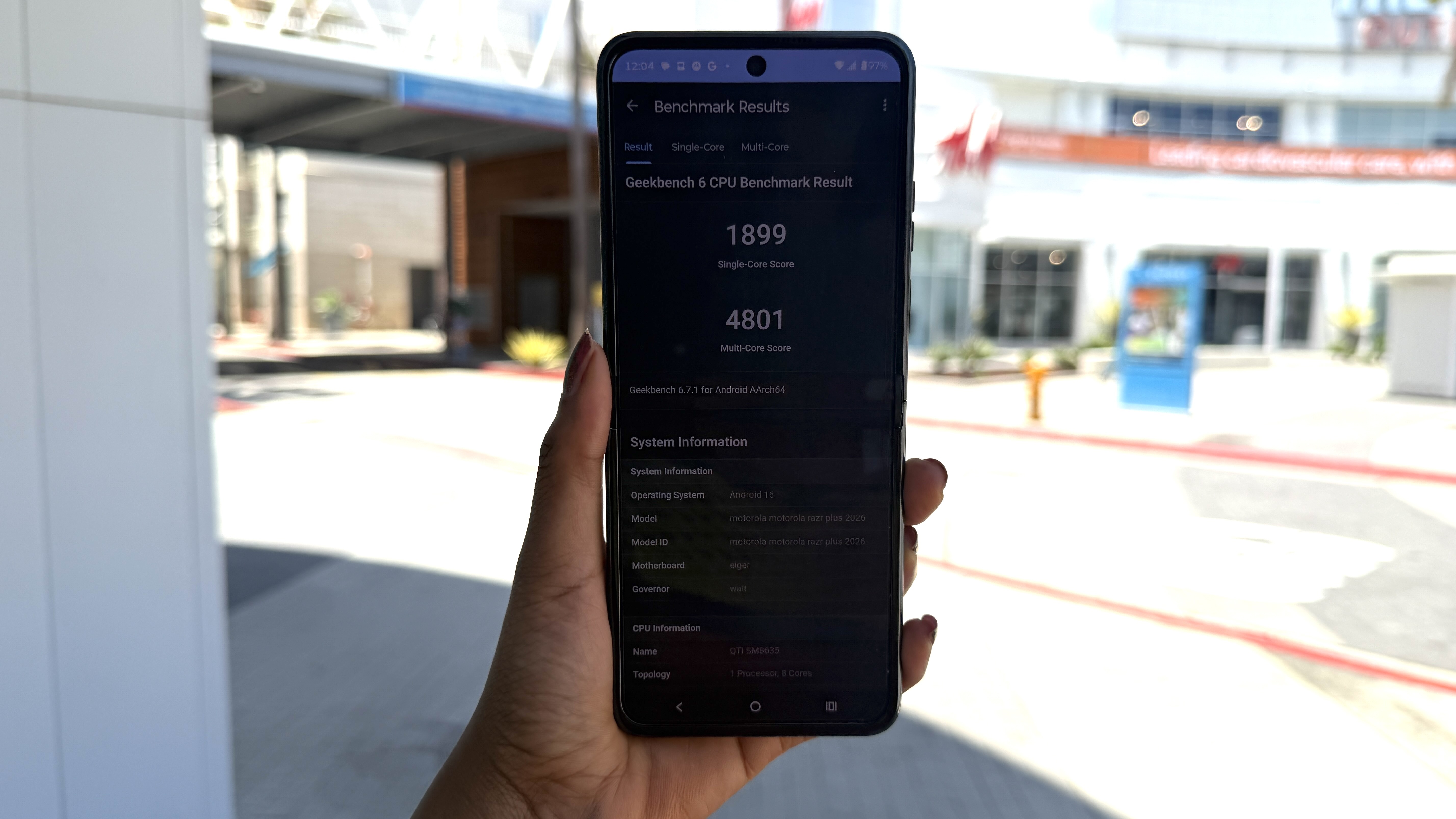
While the battery is a triumph, the internals are a bit more controversial. Despite the motorola razr 2026 price moving up, the device continues to use the Snapdragon 8s Gen 3 chipset. This is the same processor found in previous iterations, and while it remains a capable performer for everyday tasks, the decision to reuse older hardware feels a bit stingy at the $1,099 price point.
The performance is sufficient for most, but power users might notice some sluggishness during intense gaming or when running multiple AI applications. During our benchmarking, we observed moderate thermal throttling on the Ultra model when pushing the graphics-heavy titles. That said, the 165Hz refresh rate on the internal 6.9-inch Extreme AMOLED panel remains one of the smoothest in the industry. The 4.0-inch external cover screen is also incredibly sharp, reaching a lab-measured peak brightness of 3,800 nits, making it easily readable even under the harshest direct sunlight.
Camera Review: The Ultrawide Flip-Flop
One of the more polarizing changes this year is the camera array. Motorola has chosen to remove the dedicated telephoto lens from the previous year, replacing it with a 50MP ultrawide sensor. While I personally enjoy the flexibility of an ultrawide for landscape and architectural shots, users who loved the natural bokeh of the zoom lens might feel let down.
The motorola razr 2026 ultrawide camera quality is impressive, utilizing quad-pixel binning technology to capture high-detail shots in various lighting conditions. However, the lack of a dedicated optical zoom means that any long-distance shots rely on digital cropping, which quickly loses detail. On the bright side, the internal folding display and external cover screen make it incredibly easy to use the main 50MP sensor for vlogging or taking ultra-high-quality selfies with friends.
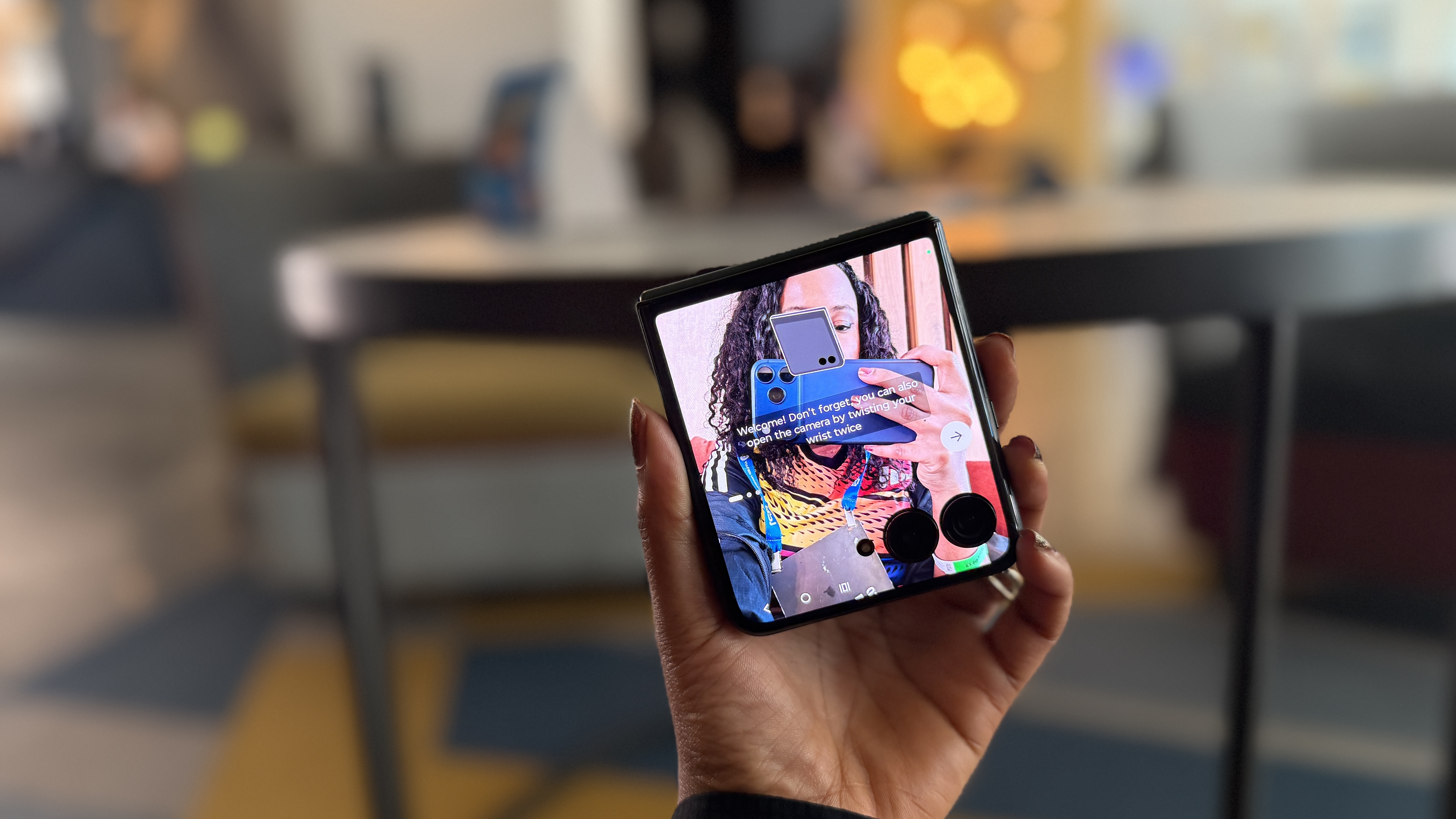
In our low-light tests, the camera held its own. Colors appear warm and inviting without being overly saturated. Macro-style shots are a highlight, capturing fine details on food and textiles with surprising clarity for a sensor tucked into such a thin chassis.

Vs. The Competition: Razr 2026 vs Galaxy Z Flip 7
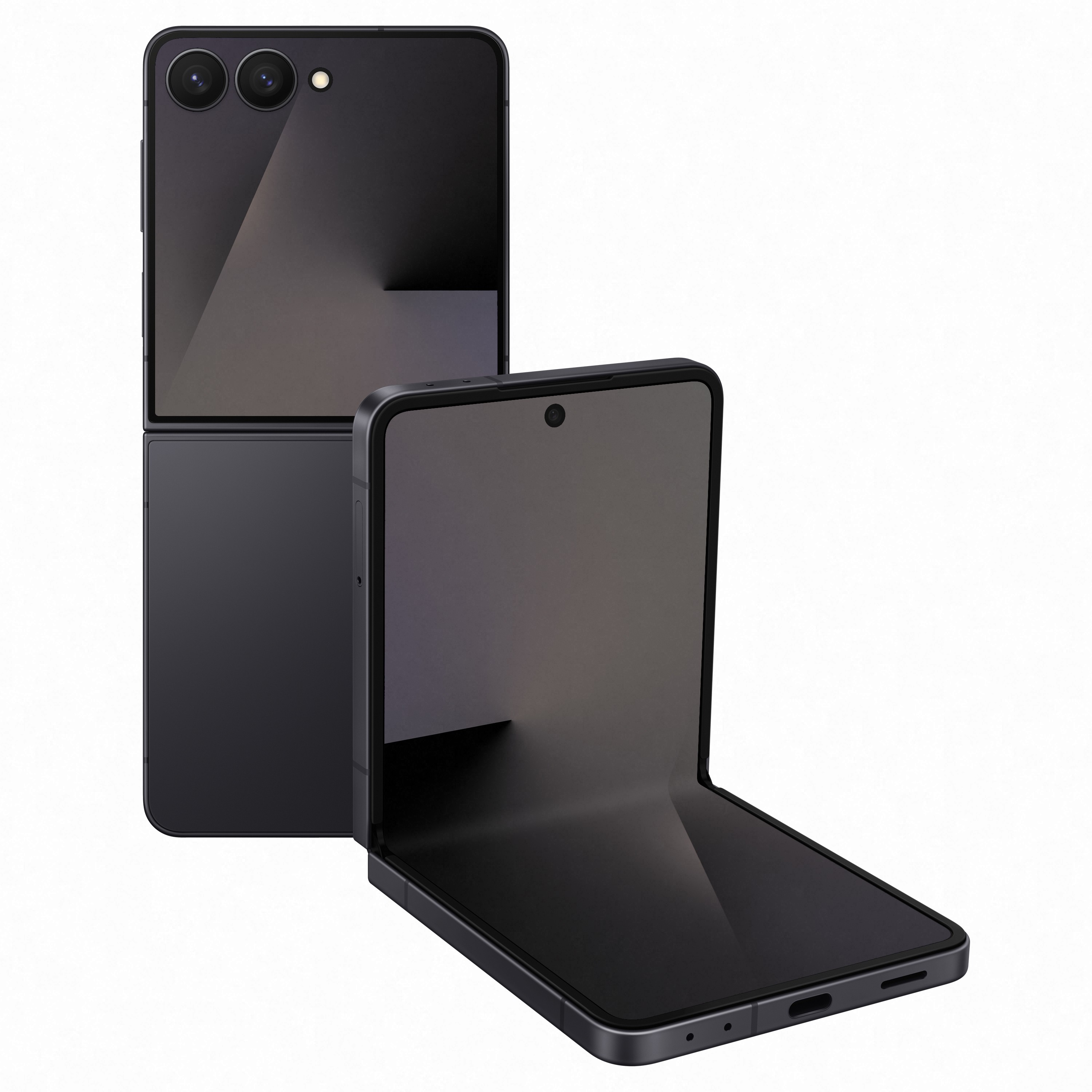
Choosing between the motorola razr 2026 vs galaxy z flip 7 is harder than ever. Samsung has taken the lead in raw power, utilizing a faster 3nm Exynos 2500 processor (or Snapdragon 8 Gen 5 depending on the region) and offering more robust Gorilla Glass Victus 2 protection. Samsung also offers a superior seven-year software update commitment, which puts Motorola's three-year policy to shame.
However, where the Razr 2026 wins is in sheer usability. The Motorola has a larger, more functional cover screen and a significantly higher 165Hz refresh rate that makes every swipe feel punchier. While Samsung focuses on Galaxy AI integration, Motorola provides a more sensory experience through its Alcantara textures and Moto AI software that feels more integrated into the camera experience. When comparing the motorola razr plus 2026 vs razr ultra, the battery life is the primary differentiator, with the Motorola consistently outlasting Samsung's 4,300mAh offering in every endurance test.
Software and Longevity: The 3-Year Dilemma
Longevity is the biggest asterisk on the motorola razr 2026 review scorecard. At a time when competitors are offering up to seven years of support, Motorola is sticking with a commitment of only three years of major OS upgrades. For a phone that costs over a thousand dollars, this is a tough pill to swallow.
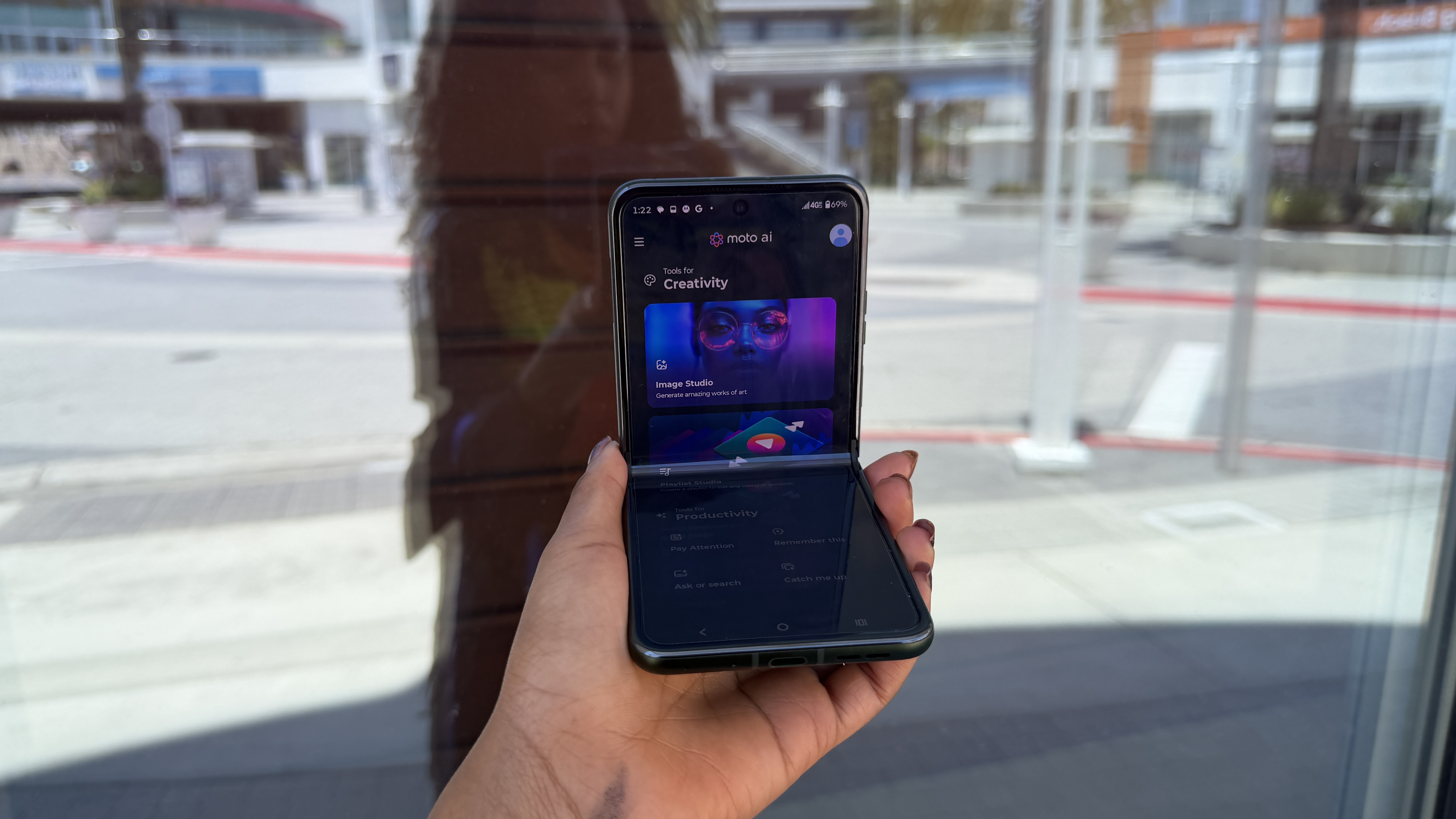
The software itself, which ships with Android 16, is excellent. It is clean, uncluttered, and enhanced by Moto AI software. This AI integration helps with everything from summarizing long emails to automatically adjusting camera settings for the perfect shot. The "Ready For" platform also remains a standout feature, allowing you to wirelessly connect the Razr to a monitor or TV for a desktop-like experience. It’s a great software suite, but we just wish we could count on it for a few more years.
FAQ
Is the 2026 Razr any good?
Yes, it is an excellent choice for users who value battery life and design over raw processing power. The 17-hour battery runtime makes it one of the most reliable foldables ever made, and the hardware feels premium and durable.
What is the difference between Razr 25 and 26?
The 2026 model adds a titanium-strengthened hinge, an IP48 water resistance rating, and a much larger 4,500mAh silicon-carbon battery. However, it uses the same Snapdragon 8s Gen 3 processor as previous years and has swapped the telephoto lens for an ultrawide sensor.
Which is better, Razr or flip?
The Razr 2026 is better for users who want a larger, more useful cover screen and better battery life. The Galaxy Z Flip is better for users who want long-term software support, a faster processor, and more advanced AI features.
How many times can you fold a Motorola Razr?
Motorola tests the Razr hinge for approximately 400,000 folds. Under normal usage, this should last the average user well over five years without any mechanical failure.
Will motorola release a new Razr in 2026?
Yes, the motorola razr 2026 was released with significant battery and durability upgrades, continuing Motorola's annual cycle for its clamshell foldable lineup.
Conclusion: Should You Buy the Razr 2026?
The motorola razr 2026 presents a complicated value proposition. On one hand, you are looking at a $100 price increase over its predecessor for a device that reuses a two-year-old processor. On the other hand, the 17-hour battery life and titanium-strengthened hinge resolve the two biggest pain points of the foldable category.
Pros:
- Marathon 17-hour battery life.
- Beautiful 165Hz internal display and large cover screen.
- Premium Alcantara and titanium-reinforced build.
- Faster 45W TurboPower charging.
Cons:
- Recycled Snapdragon 8s Gen 3 processor.
- Price hike to $1,099.
- Disappointing 3-year software update commitment.
- Loss of the dedicated telephoto lens.
Ultimately, is motorola razr 2026 worth the price increase? If you are a battery-focused user who has been waiting for a foldable that doesn't need to be charged twice a day, the answer is a resounding yes. If you are a power user who wants the absolute latest specs and long-term software peace of mind, you might want to wait for a deeper discount or look toward the competition.