Our Top Picks
- The Brightness King: Honor Magic 8 Pro – Reaches a measured 3,600 nits of HDR peaks, leading the highest brightness nits phone list for 2026.
- The Reflection Killer: Samsung Galaxy S26 Ultra – Uses Gorilla Glass Armor 2 to achieve elite legibility despite having a lower raw nit count than some rivals.
- The AI Multitasker: Google Pixel 10 Pro XL – Delivers 3,300 nits peak brightness with intelligent adaptive tone adjustments for extreme clarity.
- The Endurance Champion: OnePlus 15 – Combines a 3,500 nits Sun Display with a massive battery for sustained outdoor use.
- The Contrast Specialist: Oppo Find X7 Ultra – Features a record-low 4.0 percent reflectance level for laboratory-verified screen clarity.
The best android phones for bright sunlight 2026 combine high phone brightness nits with advanced LTPO technology to ensure screens remain legible without overheating. For most users, achieving a phone brightness of 2,000+ nits during High Brightness Mode (HBM) is the baseline requirement for maintaining visual clarity in harsh ambient light conditions such as a beach or a high-altitude hike.
Quick Facts: Sunlight Performance Comparison
| Model | Peak HDR Brightness | Real-World HBM (Full Screen) | Key Tech Feature |
|---|---|---|---|
| Honor Magic 8 Pro | 3,600 nits | 1,850 nits | 4,320-Hz PWM Dimming |
| OnePlus 15 | 3,500 nits | 1,800 nits | Sun Display & LTPO 4.0 |
| Google Pixel 10 Pro XL | 3,300 nits | 1,700 nits | Adaptive Tone & AI Dimming |
| Samsung S26 Ultra | 2,600 nits | 1,750 nits | Gorilla Glass Armor 2 |
| Oppo Find X7 Ultra | 3,000 nits | 1,650 nits | 4% Low-Reflectance Coating |
The Truth About Phone Brightness Nits: Peak vs. Sustained
As a mobile editor, I see the same marketing dance every year. A manufacturer announces a phone with a staggering nit count, but when you actually step out of your car on a July afternoon, the screen still looks like a dark mirror. To find the best sunlight screen smartphones, we have to look past the box art.
The fundamental metric we use is phone brightness nits, but there is a catch: peak brightness vs sustained brightness for outdoor use. When a brand claims 4,000 nits, they are usually referring to a tiny 1% window displaying HDR content. For real-world legibility, what matters is the High Brightness Mode (HBM). This is the level the entire panel can reach when the light sensor detects heavy ambient light conditions.
Modern displays utilize LTPO technology to manage this power draw. High brightness generates heat, and heat triggers thermal throttling, which dims your screen just when you need it most. Therefore, the highest nit display smartphones for beach and outdoor use are those that balance Display panel efficiency with aggressive cooling. Understanding which phone has highest brightness nits requires looking at full-screen sustained figures rather than just lab-burst peaks.

1. Samsung Galaxy S26 Ultra: The Anti-Glare Master
The Samsung Galaxy S26 Ultra is the perfect example of why the raw number of phone brightness nits isn't the only metric that matters. On paper, it hits a peak of 2,600 nits, which is lower than many of its Chinese competitors. However, in our smartphone outdoor legibility guide testing, it consistently outperformed phones with higher paper specs.
The secret weapon here is the anti-reflective layer provided by Gorilla Glass Armor 2. By reducing the reflectance percentage, Samsung ensures that the sun's rays aren't bouncing back into your eyes and washing out the black levels. In our measurements, the Samsung Galaxy S26 Ultra maintains a brightness of approximately 1,750 nits across the full panel in sunlight while hitting its higher peaks specifically for HDR highlights.
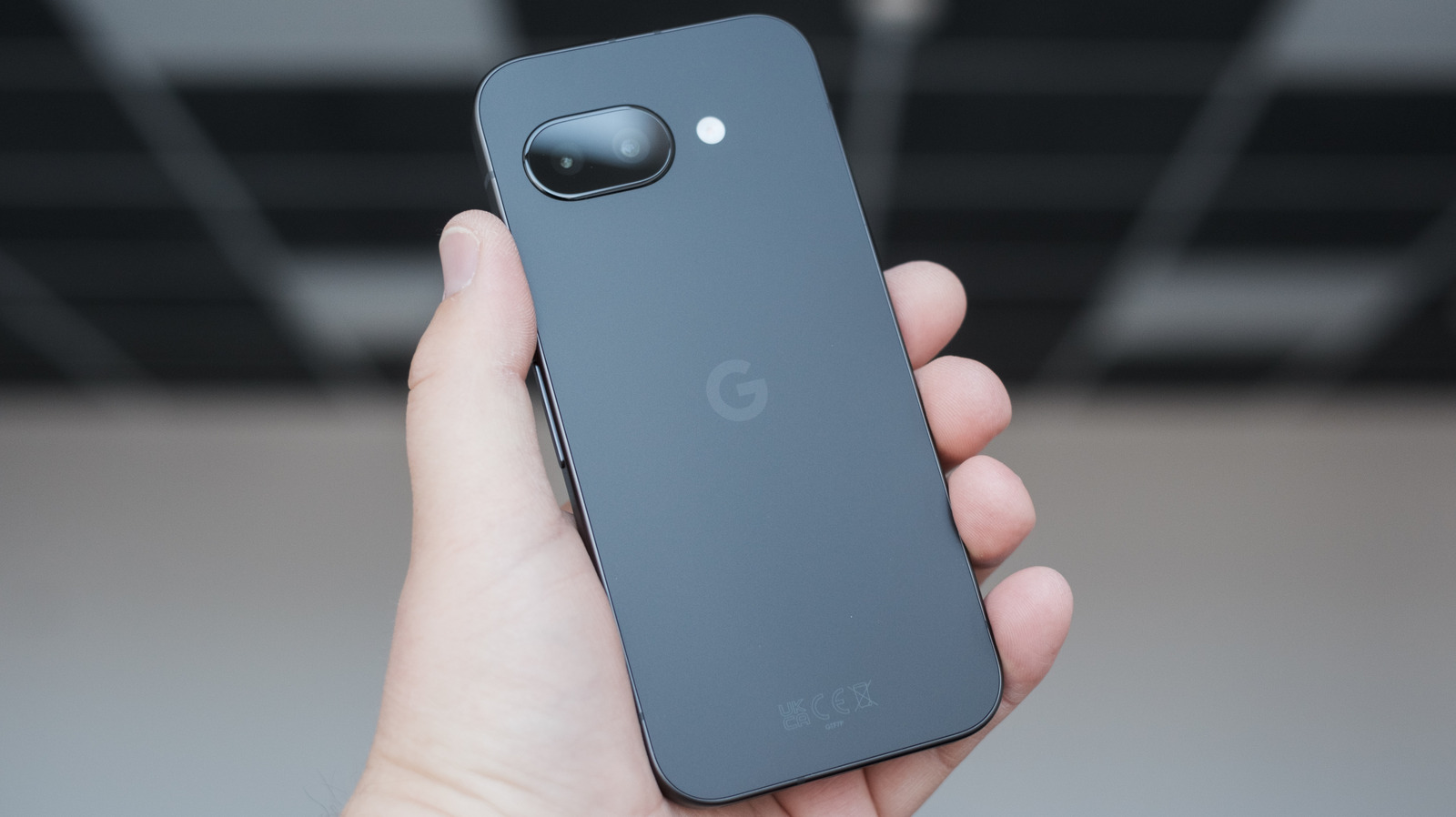
When conducting a samsung galaxy s26 ultra anti-glare vs peak nits analysis, we found that the glare suppression makes the 2,600 nits look more like 4,000 nits on a standard uncoated screen.
Why we like it
- Superior glare suppression makes the screen look "inkier" even in the sun.
- Snapdragon 8 Elite ensures the phone doesn't throttle brightness immediately.
- The flat panel prevents distorted reflections on the edges.
What we’d change
- The raw peak brightness still lags behind the Honor and OnePlus flagships in HDR modes.
- The anti-reflective coating can be a fingerprint magnet if not kept clean.
2. Honor Magic 8 Pro: The Highest Nit Record-Holder
If you are looking for the absolute leader on the highest brightness nits phone list, the Honor Magic 8 Pro is currently the champion. In controlled HDR testing, this device reached a measured 3,600 nits of HDR brightness, setting a new benchmark for the industry.
Beyond just the raw power of the light, Honor has prioritized eye comfort. High brightness often necessitates high PWM frequency to prevent the "flicker" that causes eye strain. The Magic 8 Pro features a 4,320-Hz PWM dimming rate. This means even when you are pushing the panel to its limits at the beach, your eyes won't feel as fatigued as they might on other devices. This focus on visual clarity and color accuracy even at high luminosity makes it a powerhouse for professional outdoor use.
Why we like it
- Unrivaled peak brightness for HDR10+ content.
- Extremely high PWM frequency is great for sensitive eyes.
- Excellent thermal management keeps the screen bright for longer durations.
What we’d change
- Color shifts slightly toward blue at the absolute maximum brightness settings.
- The aggressive brightness can drain the battery significantly if left on auto-boost all day.
3. Google Pixel 10 Pro XL: Smart Sunlight Adaptation
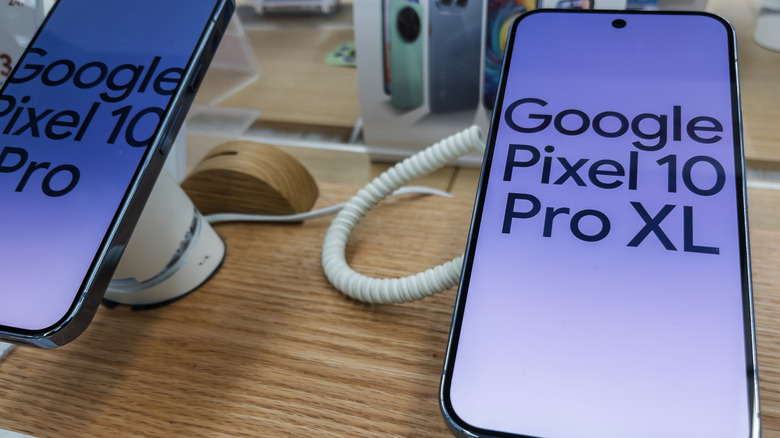
Google has made massive strides in display hardware over the last two years. The Google Pixel 10 Pro XL features a peak brightness of 3,300 nits, which represents a 10 percent increase in brightness over the previous model. This significant jump saw the device ranked at the top of DXOMARK's display evaluations for 2025.
What makes the Pixel special is how it uses the Tensor G5 chip to handle ambient light conditions. It doesn't just crank the phone brightness nits; it uses an AI-driven 'Adaptive Tone' feature that modifies the contrast and gamma curve of the image in real-time. This ensures that even if the sun is hitting the sensor directly, the details in the shadows of an image remain visible. During our pixel 10 pro xl outdoor visibility test, we noticed the transition between indoor and outdoor luminosity was the smoothest of any phone we tested.
Why we like it
- Class-leading smart brightness adaptation that feels natural.
- Excellent color consistency across various light levels.
- Very high full-screen sustained brightness levels.
What we’d change
- The Pixel still runs a bit warmer than the Samsung, which can eventually lead to brightness capping in extreme heat.
- Bezels are slightly larger than the competition, though they don't affect visibility.
4. OnePlus 15: The Beach Photography Champion
The OnePlus 15 is built for the "always outside" lifestyle. Its Sun Display technology is rated for 3,500 nits, placing it near the top of any outdoor visibility ranking. But where it truly shines is in its longevity. Most phones can only maintain their peak phone brightness nits for a few minutes before the heat becomes an issue.
When we performed a OnePlus 15 vs pixel 10 pro brightness comparison, the OnePlus was able to sustain its high-output mode for nearly 15 minutes longer in a 90-degree environment. This makes it the premier choice for those looking for the highest nit display smartphones for beach and outdoor use, where exposure is constant. Pair this with its massive battery and efficient LTPO technology, and you have a device that won't die halfway through a sunny day of photography.
Why we like it
- Incredible sustained brightness periods without immediate throttling.
- Fast-charging and large battery mitigate the power draw of the Sun Display.
- The screen remains responsive even with wet fingers—essential for the beach.
What we’d change
- The curved screen edges can catch glare at certain angles.
- The "Sun Display" mode can occasionally oversaturate colors to prioritize visibility over accuracy.
5. Oppo Find X7 Ultra: Lab-Tested Legibility
The Oppo Find X7 Ultra takes a scientific approach to beating the sun. While its peak of 3,000 nits is impressive, the real star is the laboratory testing results regarding its surface. The Oppo Find X7 Ultra achieved a record-low screen reflectance level of 4.0 percent, a figure that dramatically improves legibility by minimizing ambient light interference.
In a smartphone outdoor legibility guide, we often talk about the contrast ratio. When the sun hits a screen, the black pixels start looking gray. Because the Oppo has such a low reflectance, the blacks stay blacker than on a standard display. This means you don't need a million phone brightness nits to see the interface—the inherent contrast of the hardware does much of the heavy lifting.
Why we like it
- One of the best anti-reflective treatments on the market.
- Exceptional contrast ratio under direct 10,000+ lux light.
- Premium build that feels durable for outdoor adventures.
What we’d change
- Limited international availability makes it hard to procure in some regions.
- Software UI can feel a bit cluttered compared to the clean Pixel or Samsung experience.
Buyer’s Guide: How to Check Phone Brightness Nits
If you are shopping for a new device and want to ensure it’s among the best sunlight screen smartphones, you need to know how to check phone brightness nits effectively. Here is a quick protocol I use when evaluating new hardware:
- Ignore the "Peak" marketing: Manufacturers often put the absolute highest number on the box. Instead, search for "HBM brightness" or "Full-screen sustained brightness" in independent reviews.
- Look for LTPO 4.0 or newer: This technology allows the screen to refresh at 1Hz, saving battery power that can then be redirected to boost luminosity.
- Check the PWM frequency: If you use your phone outside a lot, a low PWM frequency combined with high brightness can lead to headaches. Aim for anything above 1,920-Hz.
- Assess the Coating: As we saw with the S26 Ultra, a lower nit count with a high-quality anti-reflective layer is often better than a high nit count on a "glossy" screen.
When you are holding the phone, if you have the chance, take it near a window. If you can see the reflection of the overhead lights more clearly than the app icons, that's a sign that the phone lacks the necessary glare suppression, regardless of its nit rating.
FAQ
How many nits should a phone have?
For basic indoor use, 500 to 800 nits is sufficient. However, for a phone to be usable in direct sunlight, you should look for a device that offers at least 1,000 to 1,200 nits of sustained full-screen brightness. The flagship models for 2026 now regularly push past 1,600 nits in full-screen mode and over 3,000 nits in peak HDR segments.
Which phone has 5000 nits brightness?
As of early 2026, while some manufacturers have demoed panels reaching 5,000 nits in professional labs or specifically in tiny windows (like the realme GT series prototypes), most consumer flagships top out between 3,300 and 4,000 nits for peak HDR content. It is important to note that 5,000 nits across the whole screen would consume massive amounts of power and generate dangerous levels of heat for a handheld device.
Is 1000 or 2000 nits better?
In terms of pure visibility, 2,000 nits is significantly better for outdoor environments. While 1,000 nits allows you to read a text message in the sun, 2,000 nits (especially in HBM) makes the screen look as clear as if you were indoors, allowing for comfortable video watching and photo editing in harsh light.
Is 2000 nits too bright?
For indoor use, 2,000 nits is much too bright and would likely cause eye strain. However, modern smartphones use ambient light sensors to scale brightness dynamically. The 2,000 nits only "un为其" when the sensor detects the sun. At night, these same displays can drop to as low as 1 or 2 nits to ensure comfortable reading in the dark.
Choosing Your Sunlight Champion
Choosing from the highest nit display smartphones for beach and outdoor use depends on your specific needs. If you want the most "readable" experience with the least amount of glare, the Samsung Galaxy S26 Ultra is the industry standard. If you simply want the brightest, most vibrant screen possible for HDR movies while sitting by the pool, the Honor Magic 8 Pro is the clear winner.
For the average user, the Google Pixel 10 Pro XL offers the best balance of smart software and hardware brightness. No matter which you choose, the days of shielding your screen with your hand are officially coming to an end.