We’ve all been there: you’re navigating through a new city, trying to find that one specific ramen shop your friend recommended, and you see that dreaded red 5% icon. Even in 2026, where processors are faster and screens are brighter, battery anxiety remains the final boss of the smartphone experience.
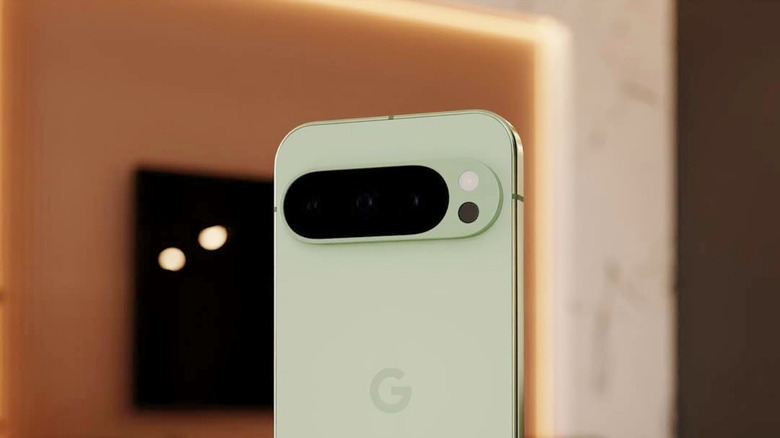
The Google Pixel 10 Pro is a fantastic device—its Tensor G5 chip handles AI tasks like a pro, and the camera remains the gold standard for still photography. However, with an Active Use Score of 12 hours and 6 minutes from its 4,870 mAh battery, it sits firmly in the "one-day" category. For power users, travelers, or mobile gamers, "solid" isn't always enough.
If you’re looking for a device that won't leave you tethered to a wall outlet by 6 PM, several competitors have surged ahead this year, utilizing new silicon-carbon battery chemistry and hyper-efficient 3nm chipsets to redefine what "long-lasting" means.
Our Top Picks: Endurance Champions of 2026
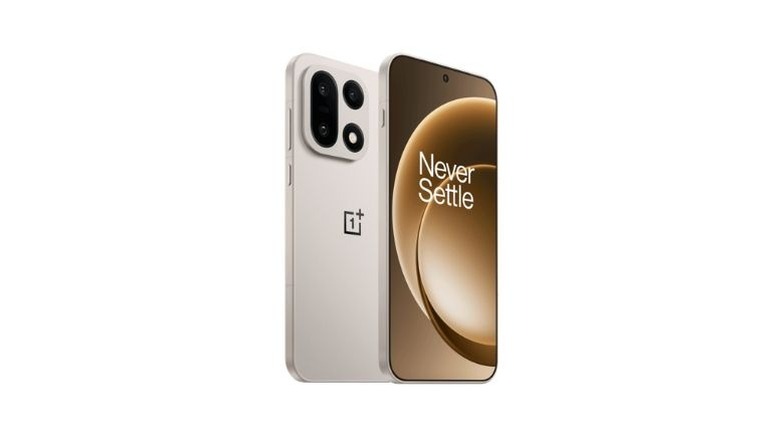
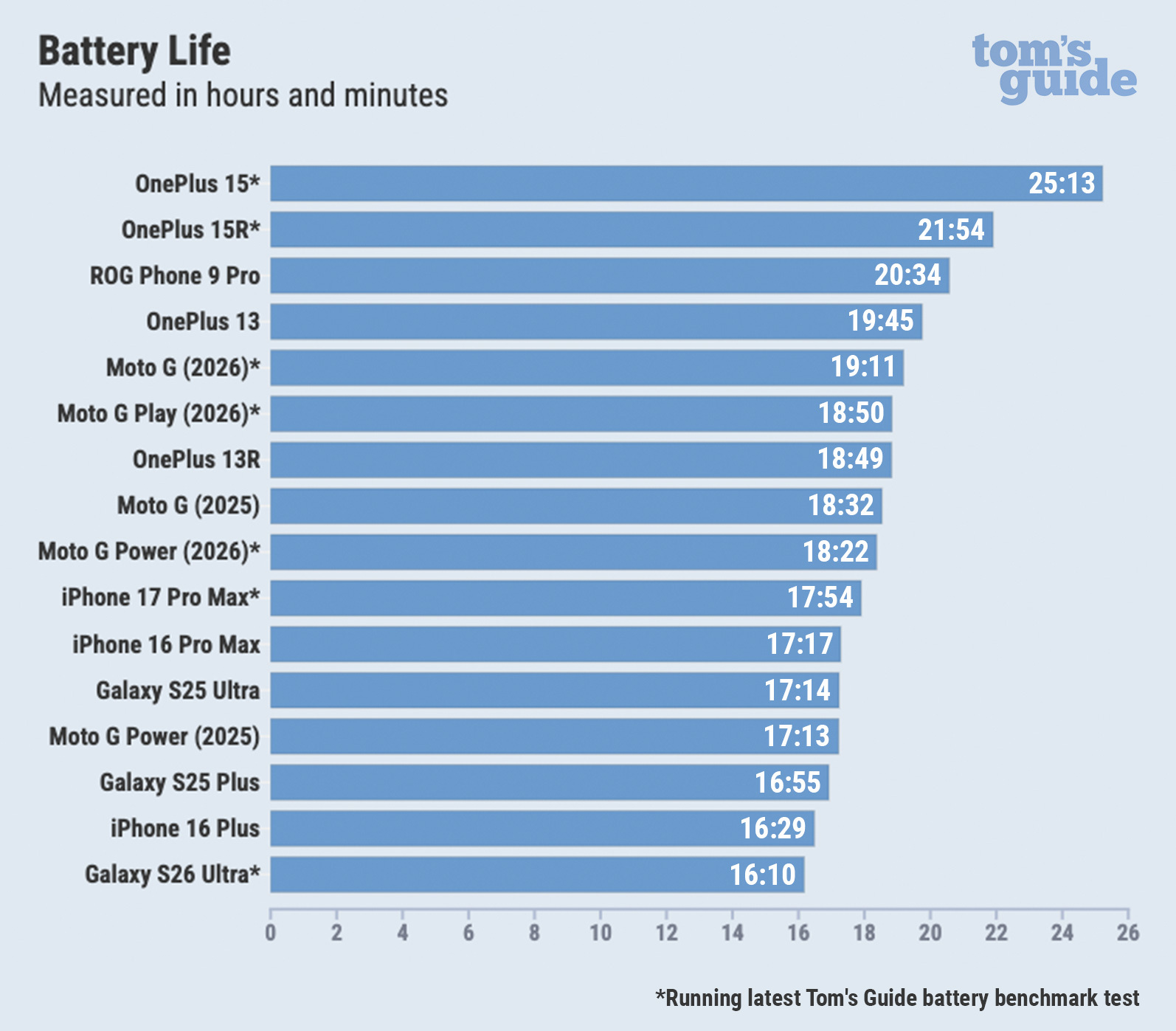
- OnePlus 15: The best all-rounder, offering nearly double the Pixel's battery life thanks to a massive 7,300 mAh silicon-carbon cell.
- Realme P4 Power: The undisputed champion for multi-day use, featuring a record-breaking 10,001 mAh battery in a surprisingly slim frame.
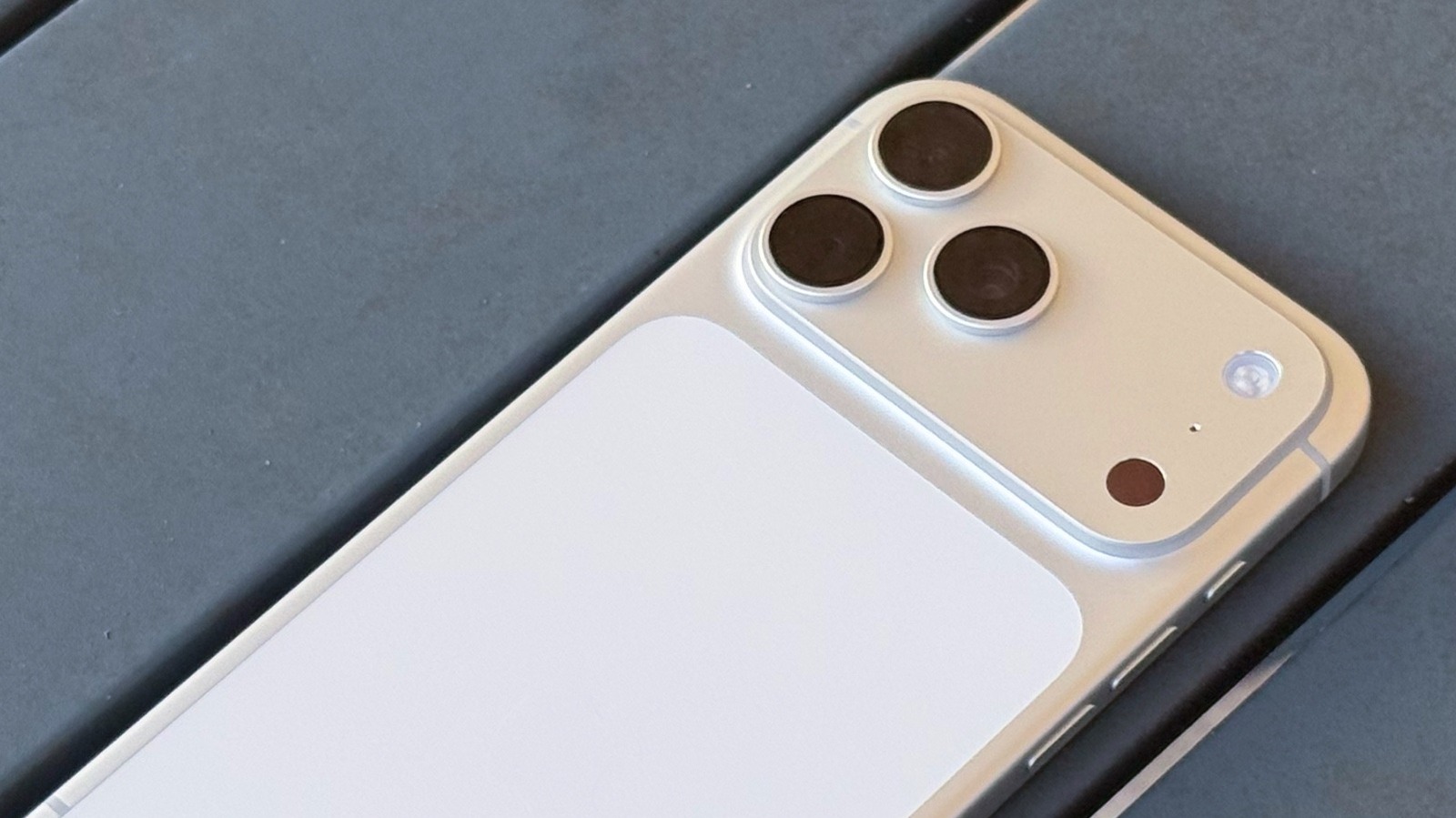
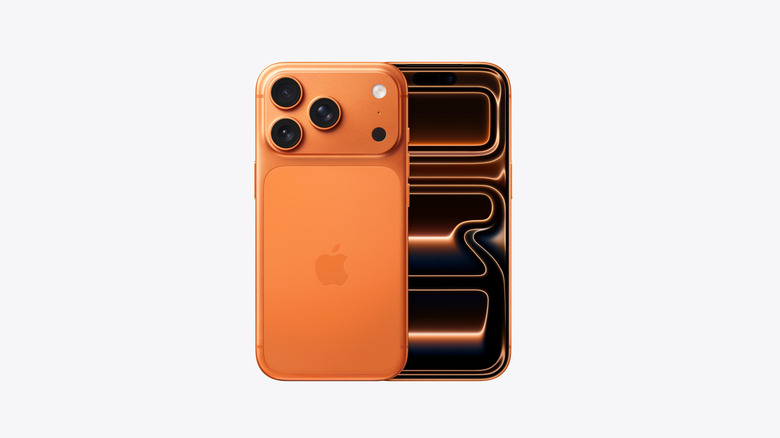
- iPhone 17 Pro: The king of efficiency, outlasting the Pixel by over 3 hours despite having a physically smaller battery capacity.
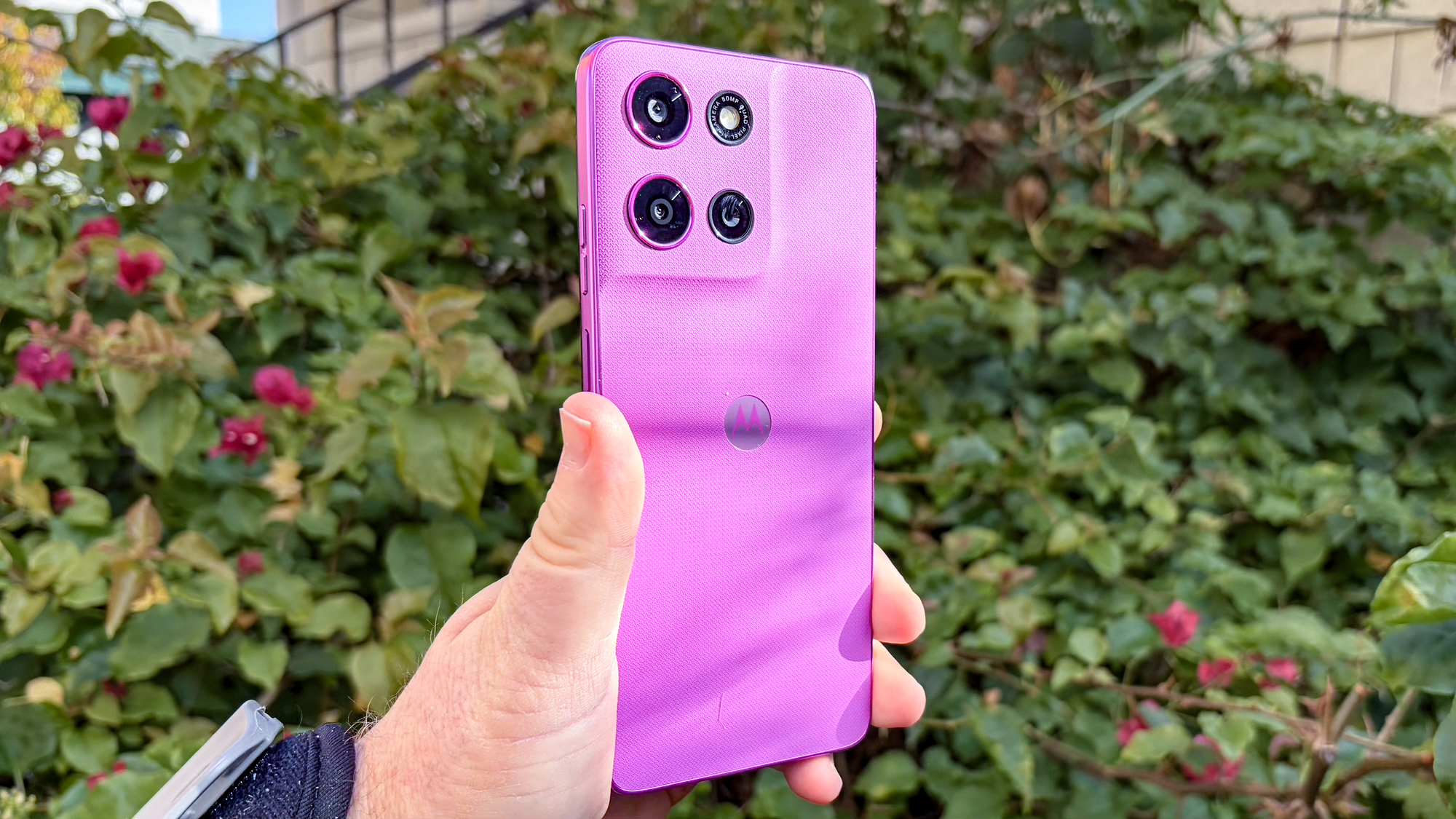
- Moto G (2026): The budget king that proves you don’t need a flagship to get nearly 17 hours of screen-on time.
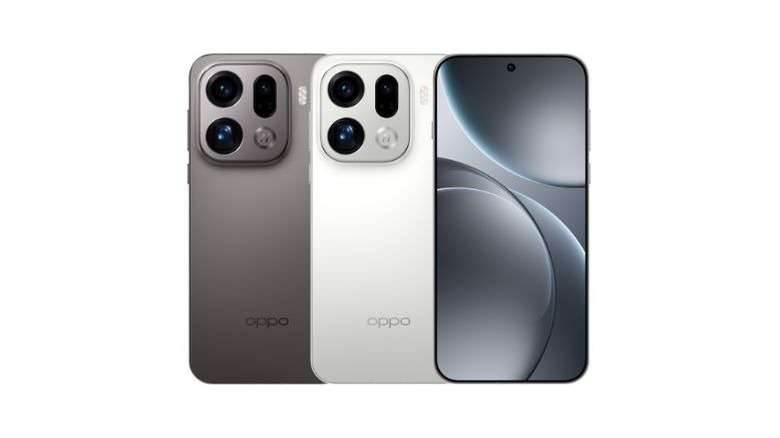
- Oppo Find X9 Pro: A high-performance beast that keeps the lights on for nearly 22 hours, even during heavy gaming sessions.
Battery Performance at a Glance
| Smartphone | Battery Capacity | Active Use Score | Charging Speed |
|---|---|---|---|
| Pixel 10 Pro | 4,870 mAh | 12h 06m | 30W Wired |
| OnePlus 15 | 7,300 mAh | 23h 07m | 100W Wired / 50W Wireless |
| Realme P4 Power | 10,001 mAh | 25h 35m | 80W Wired |
| iPhone 17 Pro | 4,252 mAh | 15h 23m | 35W Wired / 25W MagSafe |
| Moto G (2026) | 5,200 mAh | 16h 48m | 30W Wired |
| Oppo Find X9 Pro | 7,500 mAh | 21h 57m | 120W Wired / 50W Wireless |
1. The All-Time Champion: OnePlus 15
If you want a flagship that refuses to die, the OnePlus 15 is the current gold standard. While the Pixel 10 Pro struggles to cross the 12-hour mark in our standardized Active Use tests, the OnePlus 15 cruises past 23 hours. That is a staggering 91% increase in longevity over Google's flagship.
This isn't just about a bigger number on a spec sheet. OnePlus has moved away from traditional lithium-ion batteries in favor of "Silicone Nanostack" technology. By using silicon-carbon anodes, they can pack significantly higher energy density into the same physical footprint. Despite the massive 7,300 mAh capacity, the phone doesn't feel like a brick in your pocket.
Pros:
- Incredible 23+ hour endurance.
- 100W SuperVOOC charging gets you from 0% to 100% in under 35 minutes.
- Flagship-tier Snapdragon 8 Gen 5 performance.
Cons:
- The large battery adds slight weight compared to the Pixel 10 Pro.
- OxygenOS remains a "love it or hate it" software experience.
2. The Multi-Day King: Realme P4 Power
The Realme P4 Power is a technical marvel that shouldn't exist. It houses a 10,001 mAh battery—a 105% increase in capacity over the Pixel 10 Pro. Usually, a battery this size would result in a rugged, chunky "worksite" phone, but Realme has managed to keep the profile down to a sleek 9.08 mm.
In our testing, the P4 Power delivered a massive 25 hours and 35 minutes of mixed usage. For most people, this is a legitimate three-day phone. If you are a backpacker, a frequent long-haul flier, or someone who simply forgets to plug in their phone at night, this is your holy grail. It even supports 10W reverse wired charging, effectively acting as a power bank for your friends' dying Pixels.
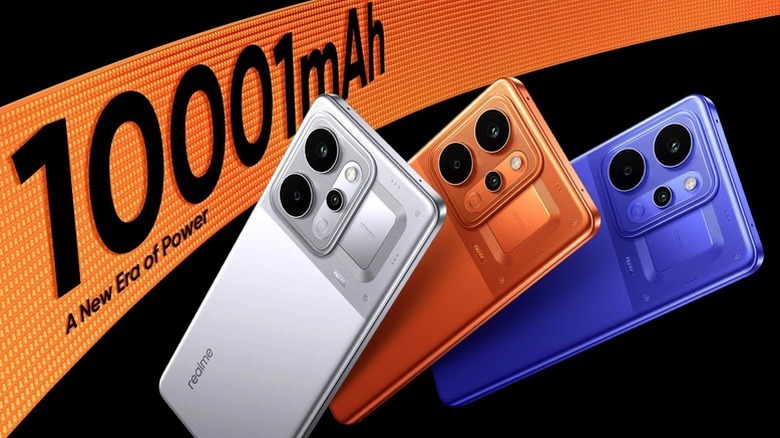
Editor’s Tip: While the 80W charging is fast, a 10,001 mAh tank still takes about 55 minutes to top off completely. Plan your charging stops accordingly, though you won't need many of them.
3. The Efficiency Master: iPhone 17 Pro
It’s often said that it’s not the size of the dog in the fight, but the size of the fight in the dog. The iPhone 17 Pro proves this by outlasting the Pixel 10 Pro by over three hours (15h 23m vs 12h 6m) despite having a physically smaller 4,252 mAh battery.
How does Apple do it? The secret lies in the A19 Pro chip. Built on an enhanced 3nm process, the A19 Pro is remarkably efficient at handling background tasks. When you’re just scrolling through Twitter (X) or reading an ebook, the iPhone sips power while the Pixel's Tensor chip tends to run a bit warmer and hungrier. Additionally, Apple’s updated vapor chamber cooling system ensures that the battery doesn't degrade as quickly under thermal stress.
Pros:
- Superior software-hardware optimization.
- Best-in-class standby time (it loses almost 0% charge overnight).
- Industry-leading video recording endurance.
Cons:
- Charging speeds (35W) are still glacial compared to OnePlus or Oppo.
- The high entry price ($999+) remains a barrier for many.
4. The Budget Endurance Beast: Moto G (2026)
Endurance shouldn't be a luxury feature. The Moto G (2026) is the "everyman's" champion. At a retail price of just $199.99, it manages to deliver 16 hours and 48 minutes of active use. It beats the Pixel 10 Pro by over four hours while costing a fraction of the price.
Motorola achieves this by pairing a healthy 5,200 mAh battery with a mid-range, low-power chipset and a cleaner version of Android. Because the processor isn't trying to perform heavy-duty AI image generation or ray-traced gaming, it stays cool and keeps going. It’s the perfect secondary device or a reliable primary phone for those who prioritize utility over bells and whistles.
Pros:
- Incredible value-to-endurance ratio.
- Clean, near-stock Android experience.
- Includes a headphone jack and expandable storage.
Cons:
- Camera performance is significantly worse than the Pixel 10 Pro.
- The display is a standard LCD rather than a high-end OLED.
5. The Pro Alternative: Oppo Find X9 Pro
If you want the OnePlus 15’s longevity but prefer a more "pro" camera system, the Oppo Find X9 Pro is your answer. It utilizes a similar 7,500 mAh silicon-carbon battery that yields nearly 22 hours of active use.
Where the Oppo really shines is in gaming endurance. Powered by the MediaTek Dimensity 9500, it can handle high-intensity titles for up to 13 hours and 38 minutes on a single charge. For comparison, the Pixel 10 Pro typically taps out at around 7 hours of heavy gaming. It’s a powerhouse designed for those who use their phone for everything from 4K video editing to marathon Genshin Impact sessions.
Pros:
- Top-tier gaming performance and endurance.
- Incredible 120W charging (0-100% in ~28 minutes).
- Periscope zoom camera that rivals the Pixel's.
Cons:
- Limited official availability in the US and UK (often requires importing).
- ColorOS can feel cluttered to those used to Google's minimalist approach.
Buying Guide: Beyond the mAh Rating
When you’re shopping for a phone based on battery life in 2026, the "mAh" (milliampere-hour) rating is only half the story. To truly understand why some phones last longer than others, you need to look at three key pillars of mobile technology.
1. The Shift to Silicon-Carbon
For decades, we’ve relied on lithium-ion batteries with graphite anodes. We’ve reached the physical limit of how much energy graphite can hold. Enter Silicon-Carbon (Si-C). By adding silicon to the anode, manufacturers can increase energy density by up to 30-40%. This is how phones like the OnePlus 15 and Realme P4 Power fit massive capacities into slim frames. If battery life is your priority, look for "Si-C" or "Silicon-Anode" in the spec sheet.
2. Chipset Nodes (3nm vs. 5nm)
The processor is the biggest drain on your battery. The iPhone 17 Pro’s A19 Pro and the Snapdragon 8 Gen 5 are built on refined 3nm nodes. This means the transistors are smaller and closer together, requiring less voltage to move data. Google’s Tensor chips have historically struggled with efficiency compared to Qualcomm and Apple, which is why the Pixel often lags in endurance despite having a decent-sized battery.
3. Display Tech: LTPO is Essential
The screen is your most-used component. LTPO (Low-Temperature Polycrystalline Oxide) technology allows the screen to dynamically adjust its refresh rate from 120Hz (for smooth scrolling) down to 1Hz (for static images or Always-On displays). All five phones on our list utilize advanced LTPO panels, ensuring that no power is wasted when the screen isn't in motion.
FAQ
Q: Does fast charging (like 120W) damage the battery long-term? A: While heat is the enemy of battery health, modern 2026 flagships use split-cell designs and advanced thermal management to mitigate damage. Most of these phones are rated to maintain 80% health after 1,600 cycles (about four years of use).
Q: Why does the iPhone last so long with a smaller battery? A: It's all about "vertical integration." Because Apple designs the hardware, the software (iOS), and the silicon (A19 Pro), they can optimize every micro-interaction to use the minimum amount of energy required.
Q: Can I replace the battery in these silicon-carbon phones? A: Due to the tight tolerances and high energy density, these batteries are not user-replaceable. However, under new 2026 regulations in many regions, manufacturers are required to make professional battery replacement services more affordable and accessible.
The Pixel 10 Pro remains a brilliant device for the average user, but the "battery gap" has never been wider. Whether you choose the raw capacity of the Realme P4 Power or the clinical efficiency of the iPhone 17 Pro, moving away from the Pixel ensures you'll spend more time using your phone and less time staring at a charging cable.