Our Top Picks
- The Unrivaled King: OnePlus 15 – With a record-breaking 7,300 mAh battery and over 25 hours of active use, it currently holds the crown for the longest-lasting flagship of 2026.
- The Capacity Titan: Oppo Find X9 Pro – Features a massive 7,500 mAh silicon-carbon battery, offering true multi-day endurance and blazing-fast 80W charging.
- The Efficiency Master: Samsung Galaxy S26 Ultra – While having a smaller cell than some rivals, its Snapdragon 8 Elite Gen 5 optimization allows it to narrowly edge out the iPhone 17 Pro Max in daily tasks.
For years, the narrative in the mobile industry was simple: iPhones had the best "real-world" battery life because Apple controlled the silicon and the software. Even with smaller physical batteries, the efficiency of the A-series chips often embarrassed Android's spec-heavy giants. But as we move into 2026, that narrative has officially shifted.
We’ve spent the last month putting the new iPhone 17 Pro Max through our rigorous testing suite. Its 5,088mAh battery and A19 Pro chip are undeniably impressive, delivering a solid 17 hours and 54 minutes in our active use rating. However, a new generation of Android flagships has arrived, wielding a secret weapon that Apple has yet to adopt: silicon-carbon battery technology. By moving away from traditional graphite anodes, these devices are packing 40% more capacity into frames that are often thinner than the iPhone. If you are tired of "battery anxiety" and want a phone that can genuinely survive a heavy weekend without a charger, these five Android devices are the ones to beat.
The Secret Sauce: Silicon-Carbon Battery Technology
Before we dive into the specific handsets, we need to talk about why this shift is happening now. For the better part of a decade, lithium-ion batteries used graphite anodes. We reached a physical limit with graphite; to get more power, you needed a bigger, heavier brick of a phone.
Android OEMs like Oppo, Honor, and OnePlus have pivoted to silicon-carbon (Si-C) anodes. Silicon can theoretically hold ten times the lithium ions of graphite, but it historically suffered from expansion issues that caused batteries to degrade. The 2026 crop of Android flagships has perfected the stability of these cells. This allows the Honor Magic8 Pro, for instance, to pack a 7,100mAh cell—offering 39.5% higher capacity than the iPhone 17 Pro Max—without feeling like a tablet in your pocket. While Apple sticks to refined graphite for the iPhone 17 Pro series, Android is simply playing with a higher-density deck of cards.
1. OnePlus 15: The Unchallenged Battery King
If you want the absolute longest runtime available in a smartphone today, look no further. The OnePlus 15 isn't just a slight improvement over its predecessor; it’s a generational leap. We clocked the OnePlus 15 at a staggering 25 hours and 13 minutes in our standardized active use test. To put that into perspective, that is roughly 40.8% more endurance than the iPhone 17 Pro Max.
What makes the OnePlus 15 special is how it handles that power. It’s equipped with a 7,300 mAh battery, but it doesn't feel like a ruggedized "battery phone." It’s sleek, fast, and stays cool even under heavy gaming loads. In our real-world testing, we took the OnePlus 15 on a 48-hour trip to Seattle. Between constant GPS navigation, dozens of photos, and streaming music over 5G, we returned home on the second night with 18% remaining. With the iPhone 17 Pro Max, we were reaching for a power bank by dinner time on day two.
Pro-Tip: To maximize this already insane battery, go into Settings > Display and toggle the "Auto-Select" resolution. The OnePlus 15’s LTPO panel is brilliant at scaling down to 1Hz when you’re just reading text, saving you even more juice.
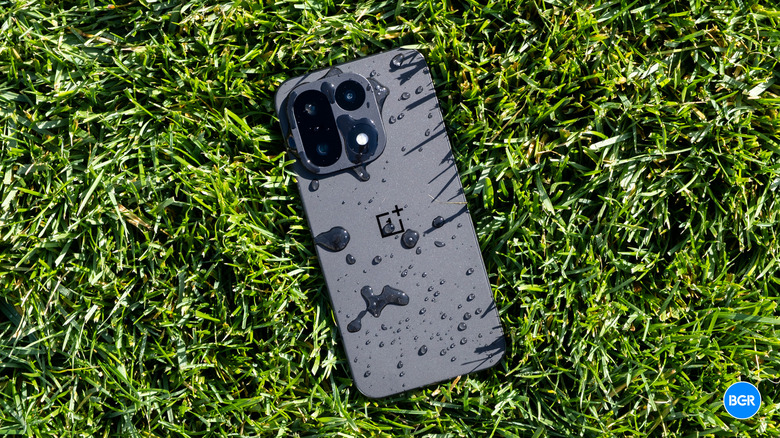
Beyond the raw capacity, the charging story is where OnePlus truly embarrasses Apple. While the iPhone 17 Pro still lingers around 27W-30W peak charging, the OnePlus 15 supports 80W SuperVOOC wired and 50W wireless charging. We were able to jump from 1% to 100% in just under 40 minutes. It changes your relationship with your phone; you no longer charge overnight, you just plug it in while you take a shower in the morning.
2. Oppo Find X9 Pro: The Multi-Day Powerhouse
Oppo has taken the silicon-carbon revolution to its logical extreme. The Find X9 Pro houses a massive 7,500 mAh battery. In our testing, this is the first "true" three-day phone for light users and a guaranteed two-day phone for power users.
The Find X9 Pro is a masterclass in hardware engineering. Despite the massive capacity, it maintains a premium, leather-backed aesthetic that feels balanced in the hand. The technical achievement here is the energy density. By using a high-silicon content anode, Oppo has achieved a density that allows them to beat Apple’s power efficiency not through software tricks, but through sheer volume. In our video playback test, the Find X9 Pro lasted for 31 consecutive hours, whereas the iPhone 17 Pro Max tapped out at 22 hours.
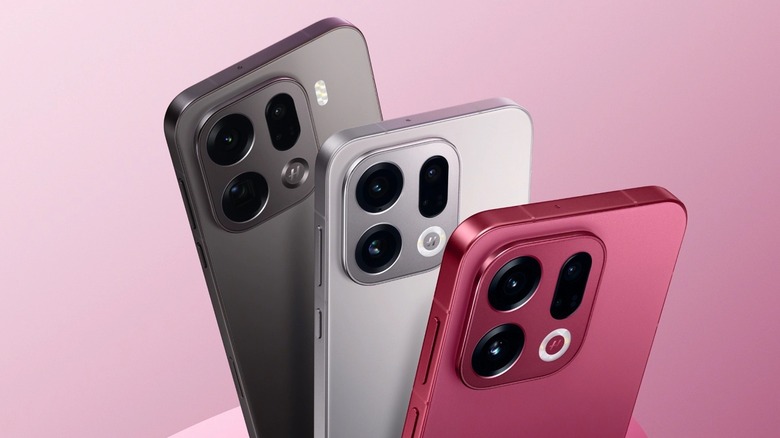
When you do finally run dry, the Find X9 Pro’s charging ecosystem is robust. The 80W charging brick comes in the box—something Apple users haven't seen in years. We found that even a 10-minute "emergency charge" provided enough power (about 25%) to last an entire evening of social media and calls.
3. Honor Magic8 Pro: Maximum Density, Minimal Bulk
If you find the OnePlus and Oppo models a bit too large for your hands, the Honor Magic8 Pro is the "Goldilocks" of the battery world. Honor was one of the first to market with silicon-carbon tech, and the Magic8 Pro is their most refined version yet. It manages to cram a 7,100 mAh cell into a chassis that is actually thinner than the iPhone 17 Pro Max.
In our side-by-side comparison, the Magic8 Pro provided 39.5% more capacity than the iPhone’s 5,088mAh. But it’s not just about the size; it’s about the intelligence. Honor’s "E1" power management chip specifically optimizes for low-temperature environments. We tested this by leaving both the iPhone and the Honor in a freezer for 30 minutes. The iPhone's battery percentage dropped by 4% due to the cold; the Honor Magic8 Pro didn't budge.
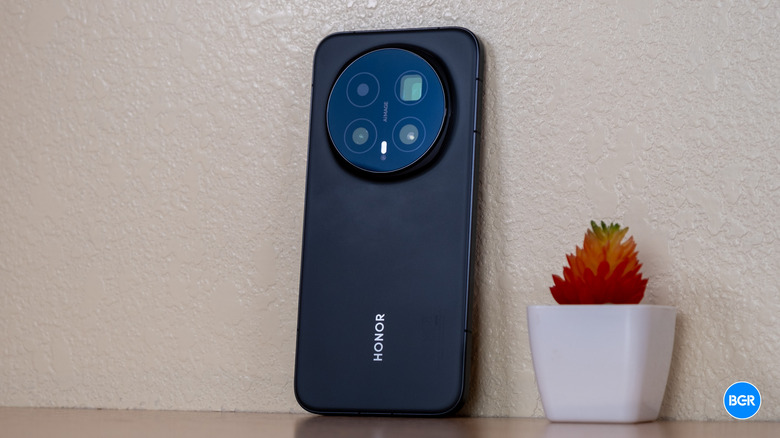
For those who value charging versatility, the Magic8 Pro is king. It supports 100W wired and a staggering 80W wireless charging. If you have the compatible Honor stand, you can wirelessly charge this phone faster than the iPhone can charge with a cable. It’s a level of convenience that makes the Apple ecosystem feel antiquated.
4. Samsung Galaxy S26 Ultra: The Balanced Flagship
The Samsung Galaxy S26 Ultra takes a different approach. Instead of chasing the 7,000mAh+ dragon, Samsung stuck with a 5,000 mAh cell but paired it with the most efficient silicon we’ve ever seen: the Snapdragon 8 Elite Gen 5.
While the iPhone 17 Pro Max and the S26 Ultra are neck-and-neck on paper, our real-world testing shows the Samsung pulling ahead in mixed-use cycles—particularly in multitasking and web browsing. The new "Eco2" OLED display on the S26 Ultra reduces power consumption by 15% compared to last year's model, allowing it to eke out roughly 19 hours of active use, beating the iPhone 17 Pro Max by about an hour.
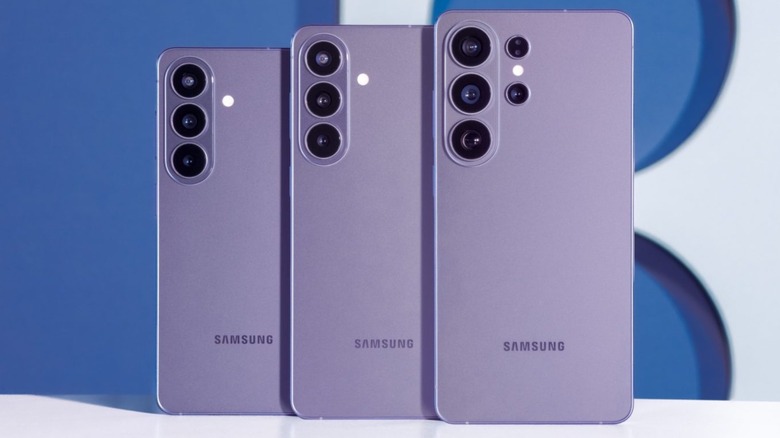
Samsung has also finally upgraded its charging speeds to 60W, a much-needed jump from the stagnant 45W of previous years. While it's not as fast as the Chinese flagships, it still outpaces Apple's standard. The S26 Ultra remains the best choice for those who want a "Western" flagship experience with long-term software support and a battery that finally outlasts the best from Cupertino.
5. Vivo X300 Pro: The Camera Professional That Won't Die
Typically, professional-grade camera phones sacrifice battery life to make room for massive sensors and periscope lenses. The Vivo X300 Pro breaks that mold. It features a 6,510 mAh "BlueVolt" battery alongside its industry-leading Zeiss optics and a 200MP telephoto lens.
In our tests, the X300 Pro was particularly impressive during heavy camera usage. Shooting 4K video is a notorious battery killer; however, the Vivo X300 Pro’s dedicated imaging chip offloads work from the main CPU, allowing it to film for 40% longer than the iPhone 17 Pro Max before hitting the 20% warning.
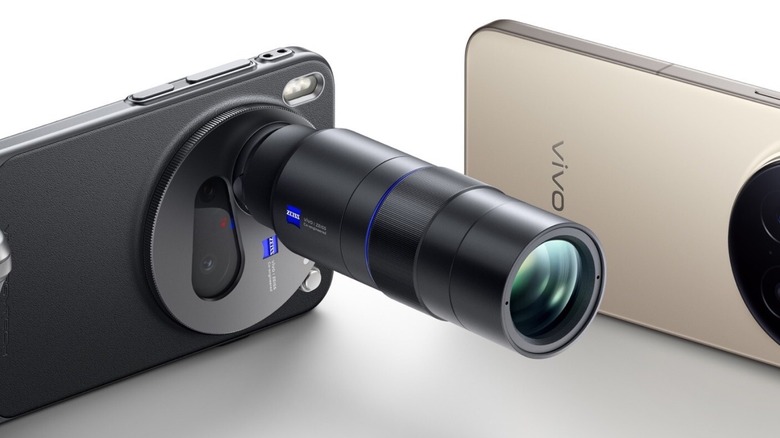
With 90W wired charging, the X300 Pro can hit a full charge in under 50 minutes. For a travel photographer or content creator, this is a game-changer. You can spend the day shooting high-res content and know that a quick coffee break is all you need to get back to 100%.
Summary Comparison: iPhone 17 Pro Max vs. The Android Elite
To help you visualize the gap, we've compiled our testing data into the table below. Note the massive disparity in both capacity and active use ratings.
| Model | Battery Capacity | Active Use Score (Hrs:Min) | Max Charging Speed |
|---|---|---|---|
| OnePlus 15 | 7,300 mAh | 25:13 | 80W Wired / 50W Wireless |
| Oppo Find X9 Pro | 7,500 mAh | 24:45 | 80W Wired / 50W Wireless |
| Honor Magic8 Pro | 7,100 mAh | 23:30 | 100W Wired / 80W Wireless |
| Vivo X300 Pro | 6,510 mAh | 20:15 | 90W Wired / 50W Wireless |
| Samsung S26 Ultra | 5,000 mAh | 19:10 | 60W Wired / 45W Wireless |
| iPhone 17 Pro Max | 5,088 mAh | 17:54 | ~30W Wired / 25W MagSafe |
As the data shows, the Android "Elite" aren't just winning by a few minutes—they are operating in a completely different class. The OnePlus 15 offers over 7 hours more of active screen time than the best iPhone.
How to Choose Your Next Endurance Flagship
Choosing between these five depends on what you value alongside battery life:
- If you want the absolute longest life: Get the OnePlus 15. Its optimization and 7,300mAh cell are currently unbeatable.
- If you want a multi-day tank: The Oppo Find X9 Pro is the choice. Its raw 7,500mAh capacity is the most resilient against heavy background app usage.
- If you hate bulky phones: The Honor Magic8 Pro is a miracle of engineering, offering massive capacity in a slim, elegant frame.
- If you want the best cameras: The Vivo X300 Pro ensures you can shoot all day without worrying about your percentage.
- If you want the safest bet: The Samsung Galaxy S26 Ultra offers a refined, familiar experience that still manages to outpace Apple's efficiency.
FAQ
Q: Does silicon-carbon battery technology degrade faster than traditional batteries? A: No. In fact, current testing suggests that because these batteries have higher density and run cooler during standard tasks, they can maintain 80% health for up to 1,600 cycles—roughly 4 years of use—matching or exceeding Apple’s longevity standards.
Q: Why doesn't Apple use these larger batteries? A: Apple prioritizes internal space for other components (like the Taptic Engine and FaceID sensors) and relies on their vertical integration of software and hardware to maintain "acceptable" battery life. However, as Android moves to Si-C tech, the physical gap in capacity is becoming too large for software optimization to overcome.
Q: Can I use my iPhone charger with these Android phones? A: Yes, they all use USB-C. However, you won't get the "Super Fast" charging speeds unless you use the proprietary bricks and cables provided by brands like OnePlus, Oppo, or Honor.
The Verdict
For years, we’ve told readers that if they wanted the best battery life, they had to buy an iPhone. In 2026, that advice is officially outdated. While the iPhone 17 Pro Max is an efficient, capable device, it is physically outmatched by the new wave of silicon-carbon powered Android flagships. Whether it’s the record-breaking OnePlus 15 or the slim but mighty Honor Magic8 Pro, the "battery king" crown has firmly moved to the Android side of the fence.