Quick Facts
- Oldest Oddity: Famicom Keyboard (1984)
- Biggest Commercial Flop: Virtual Boy (770,000 units sold)
- Modern Revival: 2026 Virtual Boy Accessory ($100)
- Rarest Tech: Singer Izek Sewing Machine
- Best Legacy: R.O.B. (The device that saved the US gaming market)
- Most Tactile: Nintendo Labo (Modular Cardboard Kits)
Nintendo’s history of experimental hardware includes unique retro peripherals such as the Robotic Operating Buddy (R.O.B.), the Game Boy Printer for thermal photo printing, and the DK Bongos rhythm controller for the GameCube. Other notable oddities include the Nintendo e-Reader, which allowed Game Boy Advance users to play NES games by scanning physical cards, and the Family BASIC keyboard for programming simple games on the Famicom.
Nintendo is known for its polished hits, but its history of hardware experimentation is filled with bizarre gear. From the red-tinted Virtual Boy to a Game Boy-powered sewing machine, we look at the 11 weirdest nintendo accessories and retro peripherals that defined 'Nintendo Weird.' Whether they were commercial failures or niche collectors items, these pieces of gear represent a digital archaeology that shows how the company constantly pushes the boundaries of play.
1. The 2026 Virtual Boy: A Switch 2 Time Machine
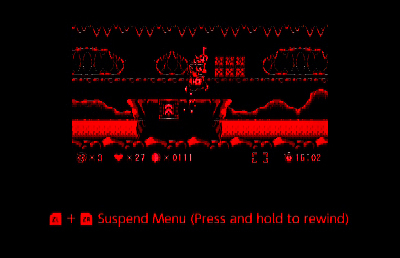
The narrative of early virtual reality has finally come full circle. Originally a cautionary tale of motion sickness and eye strain, the Virtual Boy has been resurrected for the modern era. The 2026 Virtual Boy is a specialized accessory designed for the Nintendo Switch and Switch 2 that recreates the 1995 stereoscopic 3D experience. It functions as a red-and-black plastic headset shell where the console is inserted to display classic titles via a dedicated app.
While the original was a standalone console that sat on a tripod—often referred to as the 'Medusa' stand due to its neck-straining ergonomics—this modern version acts as a VR-style goggles peripheral for Nintendo Switch Online Plus Expansion Pack members. This nintendo switch 2 virtual boy accessory guide wouldn't be complete without mentioning the transition to head-mounted stability, allowing gamers to finally experience titles like Virtual Boy Wario Land without the physical toll.
| Hardware Profile | Details |
|---|---|
| Release Year | 2026 |
| Original Price | $100 |
| Weirdness Rating | 8/10 |
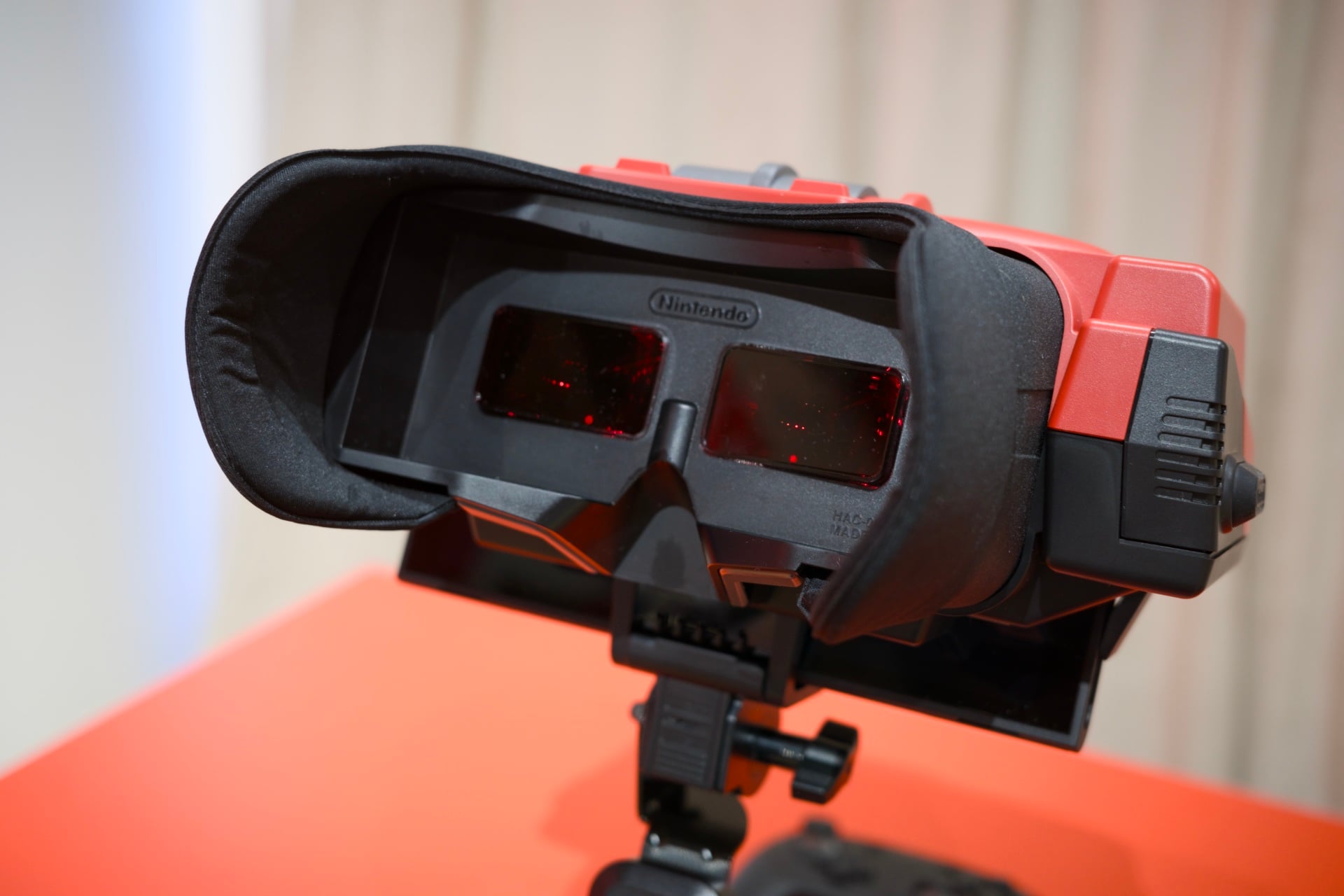
The accessory includes lenses that mimic the original 384x224 resolution but with significantly improved clarity. By housing the Switch 2, it leverages modern processing to eliminate the flickering that plagued the 1995 hardware. It is a bold piece of hardware experimentation that bridges the gap between retro nostalgia and modern convenience.
2. R.O.B. the Robot: The Trojan Horse of 1985
If you are a fan of nintendo retro peripherals, you likely know R.O.B. (Robotic Operating Buddy). Released in 1985 as a peripheral to market the NES as a toy, R.O.B. was the ultimate marketing strategy. Following the video game crash of 1983, retailers were hesitant to stock anything labeled a 'video game.' Nintendo countered this by bundling the console with a robot, effectively turning a gaming system into a high-tech toy set.
However, the technical reality was much simpler than the marketing suggested. R.O.B. was compatible with only two official games: Gyromite and Stack-Up. The robot responded to flashes on the screen to move physical spinning tops (gyros) or blocks, which in turn pressed buttons on a second controller.
| Hardware Profile | Details |
|---|---|
| Release Year | 1985 |
| Original Price | Included with NES Deluxe Set |
| Weirdness Rating | 9/10 |
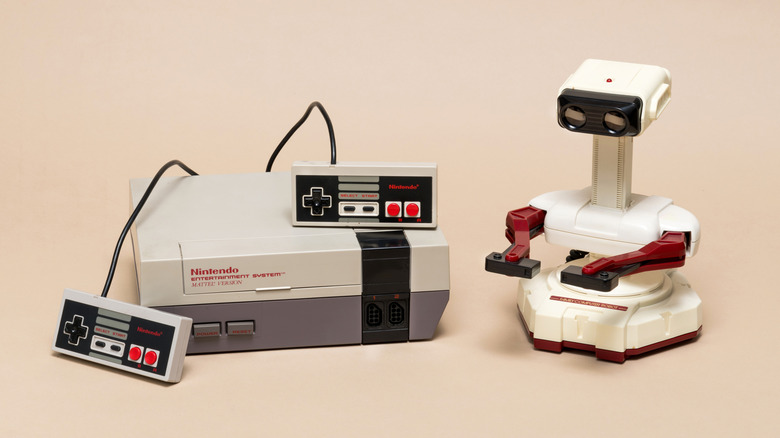
Despite its limited software library, R.O.B. remains one of the most iconic nintendo accessories ever made. Its peripheral legacy is secured not by its gameplay, but by its role in saving the North American gaming market. Today, it is a holy grail for those hunting for nintendo retro peripherals for collectors.
3. The Power Glove: The Ultrasonic Dream
Few things scream 'weird nintendo gaming hardware' like the Power Glove. Developed by Mattel and licensed by Nintendo, this glove promised to bring motion sensing to the NES. It looked like something out of a sci-fi movie, but in practice, it was notoriously difficult to use.
The Power Glove functioned using ultrasonic sensors. The player would mount three sensors around their television set, which would receive ultrasonic signals emitted by the glove to track its position in 3D space.
Technical Sidebar: How Ultrasonic Sensors Work The Power Glove used two ultrasonic transmitters on the back of the hand. Three microphones mounted on the TV frame would calculate the 'Time of Flight' for the sound to reach them. By using triangulation, the system could determine the glove's distance and orientation. However, ambient noise and physical obstacles often disrupted these signals, leading to the glove's reputation for being unresponsive.
| Hardware Profile | Details |
|---|---|
| Release Year | 1989 |
| Original Price | $75 |
| Weirdness Rating | 10/10 |
The Power Glove remains a staple on every weird nintendo gaming hardware list because it was so far ahead of its time that the technology simply couldn't keep up with the ambition.
4. Game Boy Printer & Thermal Paper Oddities
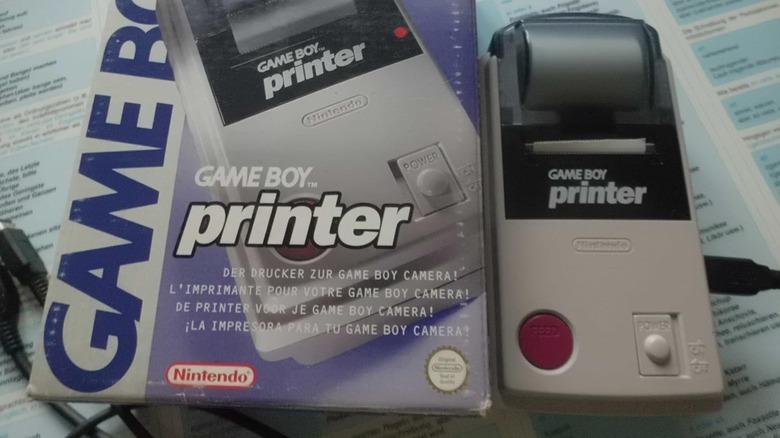
Long before smartphones and portable photo printers, Nintendo gave us the Game Boy Printer. Released alongside the Game Boy Camera, this device used Thermal paper to print small black-and-white stickers. It was an early foray into social gaming, allowing players to print out their high scores, Pokemon stats, or grainy selfies.
The printer used specific 30mm rolls of thermal paper (often cited in its 27mm x 23mm print area). Because the official paper was discontinued years ago, finding nintendo gameboy printer paper alternatives has become a sub-hobby for enthusiasts. Most collectors now use standard receipt paper cut to size, though it lacks the adhesive backing of the original rolls.
| Hardware Profile | Details |
|---|---|
| Release Year | 1998 |
| Original Price | $50 |
| Weirdness Rating | 7/10 |
It is a charming piece of history that turned a gaming handheld into a functional productivity tool, illustrating Nintendo's constant interest in non-gaming applications.
5. From DK Bongos to Singer Sewing Machines
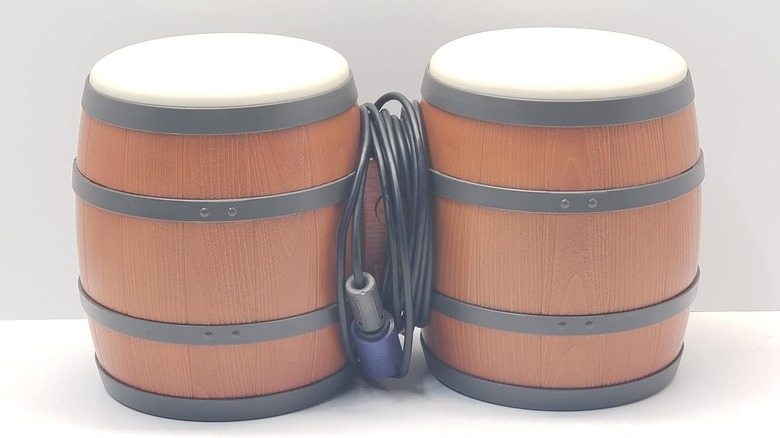
Nintendo’s GameCube era was particularly experimental. The nintendo gamecube accessories for donkey konga, better known as the DK Bongos, are perhaps the most famous Rhythm game controllers of the generation. These were not just plastic buttons; they were actual bongo drums with a built-in microphone that could detect clapping.
| Hardware Profile | Details |
|---|---|
| Release Year | 2003 |
| Original Price | $30 (bundled) |
| Weirdness Rating | 6/10 |
Even weirder than the bongos was the Singer Izek Sewing Machine. This was a fully functional sewing machine that connected to a Game Boy Color via a link cable. Players could use the Game Boy to select and customize stitch patterns. It remains one of the rarest tech collaborations in gaming history, bridging the gap between home economics and 8-bit entertainment.
6. The 64DD: The Disk Drive That Time Forgot
Launched exclusively in Japan in 1999, the Nintendo 64DD (Disk Drive) was a bulky add-on that sat beneath the N64 console. It used magnetic disks instead of cartridges, offering more storage and a real-time clock. Despite its potential, it sold roughly 15,000 units and officially supported only ten software titles before its discontinuation in 2001. It featured an early online service called Randnet, which was years ahead of what its competitors were doing.
7. The Nintendo e-Reader: Cardboard Meets Silicon
Before DLC was a digital download, it was a physical card. The Nintendo e-Reader was a bulky accessory for the Game Boy Advance that scanned 'dot-code' on paper cards. By swiping cards, users could unlock extra levels in Super Mario Advance 4 or play entire NES games. It was a fascinating hybrid of physical collecting and digital content, though the requirement to swipe multiple cards for a single game made it a bit of a chore.
8. Pocket Sonar: Fishing with a Game Boy
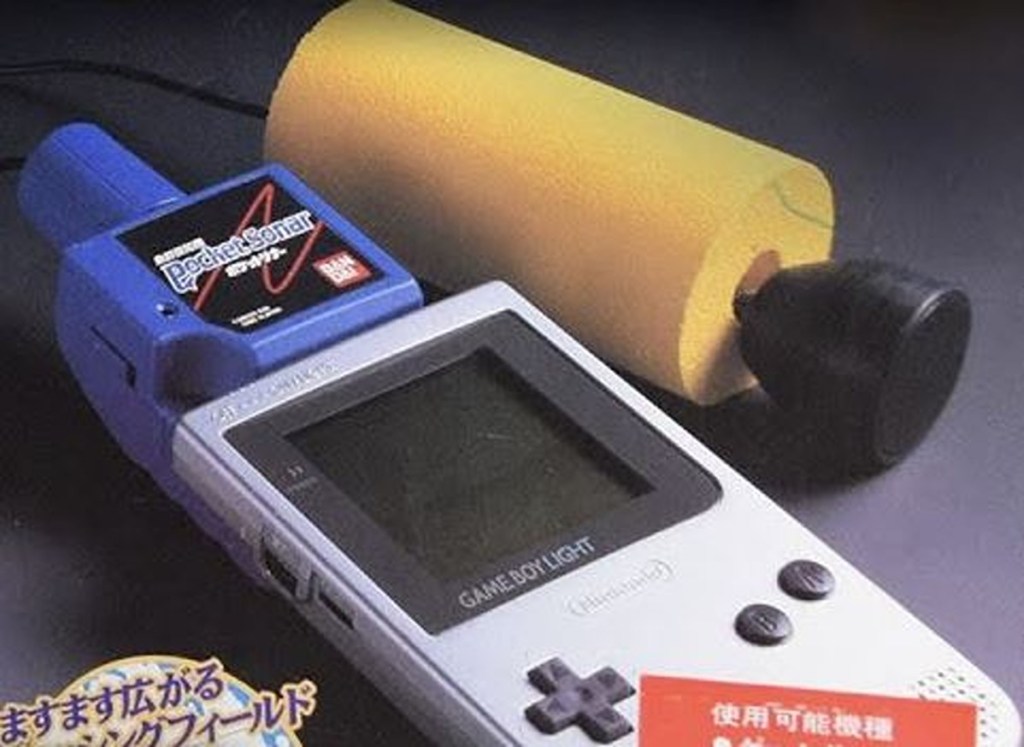
One of the most obscure nintendo accessories is the Pocket Sonar. Released only in Japan, it turned the Game Boy into a legitimate fishing tool. It came with a sonar buoy that you would drop into the water, which then sent signals back to the Game Boy to show you where the fish were. This was real-world utility in a gaming package, a precursor to modern mobile apps.
9. Family BASIC Keyboard: Coding on the Famicom
Long before "Learn to Code" became a global movement, Nintendo released the Family BASIC keyboard in 1984. It allowed users to program their own simple games using a version of the BASIC programming language on the Famicom (the Japanese version of the NES). It even came with a data recorder to save your programs onto cassette tapes.
10. Circle Pad Pro: The 3DS 'Frankenstick'
Modern gamers might remember the Circle Pad Pro as a bulky add-on for the original Nintendo 3DS. It provided a second analog stick and extra shoulder buttons, which were essential for games like Monster Hunter 3 Ultimate and Resident Evil: Revelations. It was an awkward, battery-powered shell that essentially admitted the original 3DS design was incomplete, but it was a necessary fix for hardcore players.
11. The Modern Weird: Nintendo Labo & Beyond
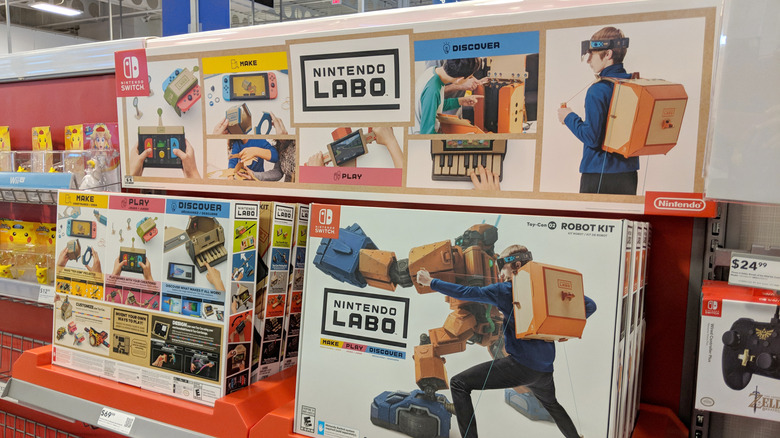
Even in the Switch era, Nintendo hasn't lost its touch for the bizarre. Nintendo Labo uses modular cardboard kits to create interactive toys known as Toy-Cons. From a functioning piano to a wearable robot suit, these kits utilized the infrared camera in the Joy-Con to detect movement.
The practical uses for nintendo labo kits extended beyond play; they were used in schools for programming education, teaching kids the basics of sensors and input/output logic. Along with nintendo switch 1 accessories like the Ring Fit Adventure's Ring-Con and the Talking Flower from Super Mario Bros. Wonder—which acts as a physical companion toy with voice quips—Nintendo continues to prove that hardware innovation doesn't always require expensive components.
| Hardware Profile | Details |
|---|---|
| Release Year | 2018 |
| Original Price | $70 |
| Weirdness Rating | 7/10 |
FAQ
Are there accessories for Nintendo Switch?
Yes, the Nintendo Switch ecosystem has a vast array of peripherals. These include standard items like the Pro Controller and Joy-Con charging docks, as well as more unique nintendo switch 1 accessories like the Ring-Con for Ring Fit Adventure, the Mario Kart Live: Home Circuit remote-controlled cars, and the Nintendo Labo cardboard kits.
Is Nintendo 136 years old?
Yes, Nintendo was founded on September 23, 1889. The company started as a manufacturer of handmade hanafuda playing cards in Kyoto, Japan. It underwent several transformations—running a taxi company and even love hotels—before successfully entering the toy and electronic gaming market in the 1960s and 70s.
What Nintendo game sold for $100,000?
Several rare Nintendo games have reached or exceeded this price point. A pristine, sealed copy of Super Mario Bros. for the NES has famously sold for over $100,000 at auction, with some rare variants and high-grade copies eventually reaching over $1.5 million. Other high-value items include the Nintendo World Championships gold cartridge.
Can I watch Netflix on Switch?
Currently, Netflix is not officially available on the Nintendo Switch. While the console supports other streaming services like YouTube, Hulu (in the US), and Crunchyroll, Nintendo has focused primarily on the gaming experience for the Switch platform, leaving Netflix support off the table for the time being.
Is Switch coming to an end?
The Nintendo Switch is entering the late stage of its lifecycle, but it remains supported with a robust library of games. Nintendo has confirmed that a successor to the Switch is in development, often referred to by fans as the Switch 2, with an official announcement expected in the near future. However, given the massive install base, the original Switch will likely receive games and support for years to come.