Every year, the tech cycle pulls us toward the horizon. As soon as a new smartphone hits store shelves, the rumor mill starts churning out tantalizing details about what is coming next. It is a phenomenon I see constantly in my inbox: should I buy the current model or wait for the next big thing? Right now, that question centers on the pixel 11. While the allure of the future is strong, the technical and economic realities of the current mobile landscape suggest that the Pixel 10 isn't just a placeholder—it is likely the more robust device for the long haul.
Quick Facts: Why Pixel 10 Wins in 2026
- RAM Advantage: The Pixel 10 currently ships with 12GB of RAM, while pixel 11 leaks indicate a potential drop to 8GB due to rising component costs.
- Battery Capacity: Owners of the Pixel 10 enjoy a 4,970 mAh battery, which is larger than the rumored 4,840mAh unit planned for the successor.
- Display Leadership: The current model already features a peak brightness of 3,000 nits, matching or exceeding most flagship expectations for 2026.
- Hardware Stability: The Tensor G5 is the first chip built on TSMC’s 3nm process, offering a massive leap in stability that the experimental 2nm architecture of the pixel 11 may struggle to match initially.
- Value Retention: With retail discounts hitting the Pixel 10 ahead of the next cycle, the price-to-performance ratio is at an all-time high.
- Support Longevity: Both devices offer seven years of updates, meaning the Pixel 10 remains secure and modern until 2032.
Deciding whether to wait for the pixel 11 depends on your current device and priorities, but for most users, the Pixel 10 offers a more complete package today. While the pixel 11 is expected in August 2026, the current model provides more RAM and a larger battery than projected leaks suggest for the newer version, making it the smarter investment for those who need a reliable high-end experience right now.
The RAM Paradox: Why Newer Doesn't Mean Smarter
In the world of mobile devices, we usually expect every internal number to go up with each generation. However, we are currently facing a global memory shortage that is forcing manufacturers to make difficult choices. The Pixel 10 was a high-water mark for the series, equipped with 12GB of RAM to handle local AI processing and the heavy demands of Gemini Intelligence.
Recent pixel 11 leaks suggest a surprising regression: the base model of the upcoming series might feature only 8GB of RAM. This isn't because Google wants to offer less, but because the cost of high-density memory modules has reached a point where maintaining 12GB in a base model might force a massive price hike. This creates a genuine paradox for the power user. If you are using your phone for heavy multitasking or long-term Gemini Intelligence tasks, having that extra 4GB of physical overhead in the Pixel 10 is a massive advantage.
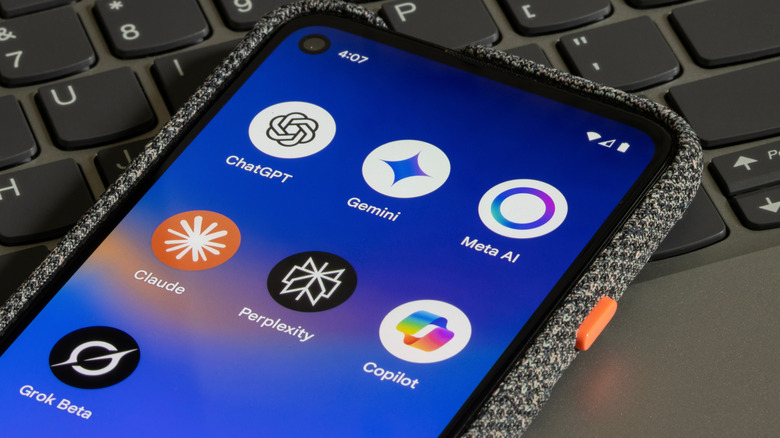
The efficiency of software can only go so far. When your device is running background processes, security patches, and advanced AI features simultaneously, physical memory is king. By opting for the current model, you are essentially insulating yourself against the hardware bottlenecks that may plague the pixel 11 as its operating system grows more demanding over the next three or four years.
Performance Realities: Tensor G5 vs Tensor G6 Benchmarks
The heart of the debate usually lies in the silicon. The Pixel 10 was a watershed moment for Google because it moved away from Samsung’s fabrication to TSMC’s advanced 3nm process. This switch resulted in a 34% faster CPU and 60% more powerful TPU performance for AI tasks compared to the previous generation.
While the upcoming Tensor G6 chip is rumored to be based on an even smaller 2nm process, early pixel 11 tensor g6 benchmarks suggest a focus on efficiency rather than raw power. The graphics architecture in the G6 is expected to be a conservative iteration of the PowerVR design, meaning gaming gains might be negligible.
| Feature | Pixel 10 (G5) | Pixel 11 (G6 - Rumored) |
|---|---|---|
| Processor Process | 3nm (TSMC) | 2nm (TSMC) |
| CPU Performance | 34% faster than G4 | ~10% faster than G5 |
| RAM (Base Model) | 12GB | 8GB |
| Battery Capacity | 4,970 mAh | 4,840 mAh |
| 5x Telephoto | Included in base model | Included in base model |
The Pixel 10 isn't just "fast enough"; it is a performance beast that will remain relevant for the 2nm process efficiency era. Because the G5 is already so far ahead of the Tensor G4, the leap to the G6 feels like an iterative upgrade rather than the revolution we saw last year. For most users, the difference between a 3nm and 2nm chip in daily usage—scrolling through feeds, editing photos, or navigating with GPS—is virtually imperceptible.
Design and Display: Pixel Glow vs 3,000 Nits Consistency
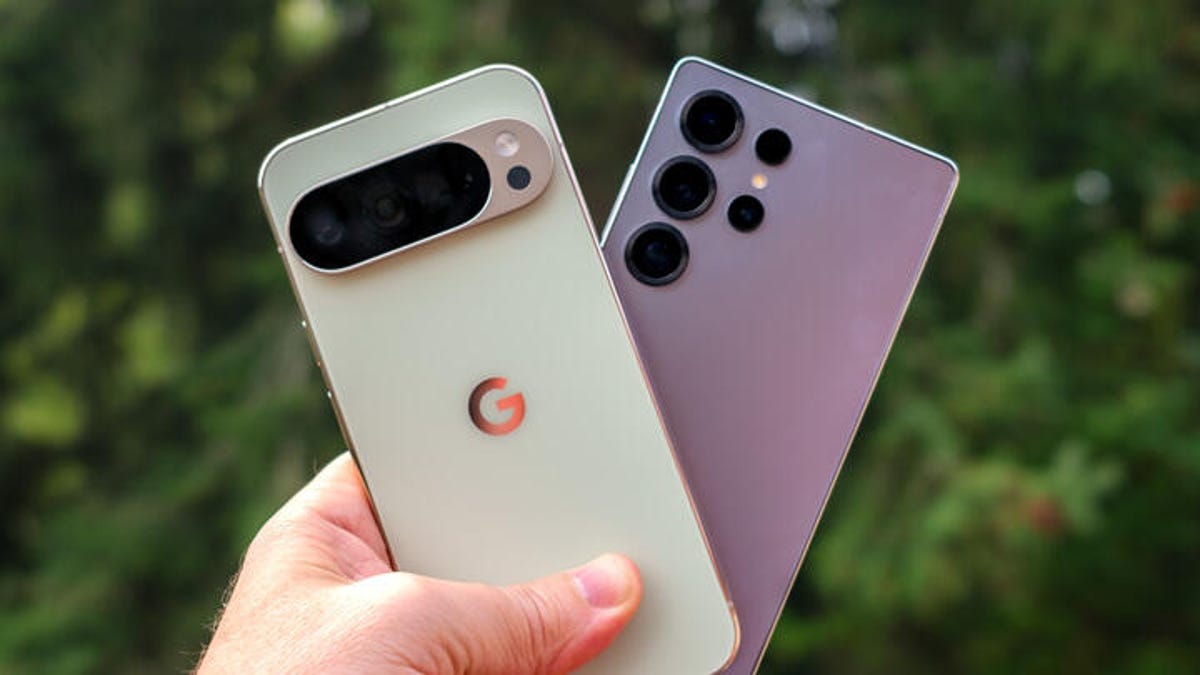
When we look at the google pixel 11 design leak, the changes appear cosmetic. We are hearing reports of an all-glass camera bar and a new notification feature called Pixel Glow. This lighting system would use the edges of the camera bar to signal incoming calls or alerts when the phone is face down. While it is a neat parlor trick, it doesn't fundamentally change how you interact with your device.
On the other hand, the Pixel 10 already delivers on the hardware features that actually matter. It is the first time in the company's history that the base model includes a dedicated 10.5MP telephoto lens with 5x optical zoom, a high-end camera feature that used to be a Pro-exclusive. Combine that with a display that hits 3,000 nits peak brightness, and you have a screen that is perfectly legible even under the harshest direct sunlight.
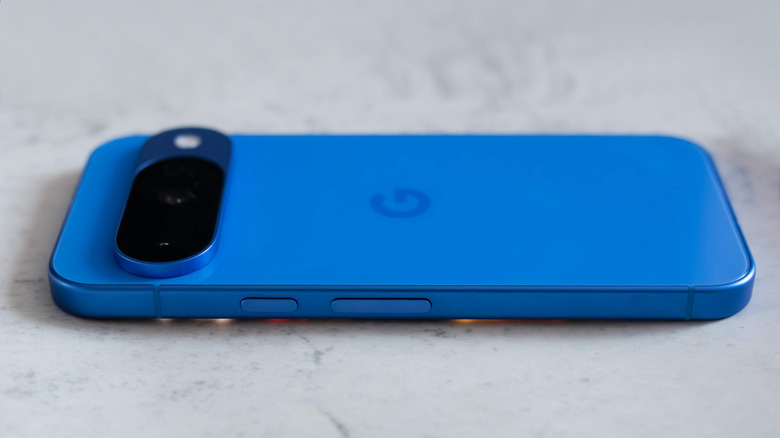
There are rumors that the next generation will use an M16 OLED display, which is slightly more energy-efficient. However, when you consider that the Pixel 10 already has a larger battery to compensate for its slightly older panel technology, the real-world battery life is likely to be a wash. In fact, if the M16 OLED proves to be more expensive to produce, it might be another reason why Google is looking to cut costs in the RAM department for the 2026 lineup.
The Modem Factor: When YOU Should Actually Wait
I always try to provide a balanced view, and there is one specific group of people who might find the pixel 11 worth waiting for. If you live in an area with notoriously poor cellular coverage or if you spend a lot of time on underground transit, the rumored MediaTek M90 modem in the next generation is worth noting.
Google has historically struggled with signal consistency, and while the modem in the Pixel 10 is a massive improvement over older Pixel models, the M90 promises even better signal sensitivity and faster 5G switching. For the urban dweller with consistent 5G coverage, this won't change your life. But if you are a "road warrior" who is constantly dropping calls in rural areas, the pixel 11 vs pixel 10 debate leans slightly toward the future model solely for that modem upgrade.
That being said, for 90% of users, the current connectivity suite in the Pixel 10 is more than capable. It supports all major 5G bands and features Wi-Fi 7 compatibility, ensuring your home and mobile data speeds won't be the bottleneck in your digital life.
Value Breakdown: Google Pixel 11 Price vs Pixel 10 Savings
The most compelling argument for the Pixel 10 right now is the economic one. We are seeing strong signals that the google pixel 11 price will increase by $50 to $100 compared to current launch prices. This hike, combined with the projected google pixel 11 release date in late 2026, makes the Pixel 10 a spectacular value right now as retailers look to clear their inventory.
Buying a Pixel 10 today doesn't just save you money on the initial purchase; it maximizes your ROI. Because Google has committed to a seven-year software support longevity window, the Pixel 10 will receive OS and security updates until 2032.
If you wait for the Pixel 11, you are paying a premium for an iterative upgrade that—on paper—might actually have less RAM and a smaller battery. When you factor in the inevitable "early adopter" bugs that often haunt new chip architectures like the 2nm Tensor G6, the current model looks even more attractive as a stable, proven, and cost-effective daily driver.
If you are holding onto a Pixel 8 or an older device, the jump to the Pixel 10 is a massive technical leap that you can enjoy today. Waiting another year for the pixel 11 pro xl rumors to materialize just means one more year of dealing with a fading battery or a sluggish processor on your current phone.
FAQ
Is there a Google Pixel 11 coming out?
Yes, Google follows a consistent annual release cycle. Based on historical patterns and current industry leaks, the pixel 11 is expected to debut in August 2026. This new series will likely feature the Tensor G6 chip and a redesigned camera bar, although many of the internal components are expected to be refined versions of what is already available in the Pixel 10.
Is Pixel 11 worth waiting for?
For most people, the answer is no. While the next model may offer a more efficient 2nm processor and a better modem, the Pixel 10 already provides a flagship experience with 12GB of RAM and a 3,000-nit display. Unless you specifically need the rumored MediaTek M90 modem for extreme signal sensitivity, the Pixel 10 is a more complete and cost-effective package.
Should I buy Pixel 10 or wait for 11?
If you can find a good deal on the Pixel 10, buy it. The current model features a larger 4,970mAh battery and potentially more RAM than the base pixel 11 will offer. Furthermore, the Pixel 10 is already cleared for seven years of software updates, ensuring it stays current long after the next few generations have launched.
Should I wait for Pixel 11?
Only if you are a professional who requires the most bleeding-edge efficiency for 2026 or if your current phone is still working perfectly. If your current device has a cracked screen, poor battery life, or has stopped receiving security updates, waiting for the pixel 11 means missing out on a year of the Pixel 10's excellent 5x telephoto camera and 3nm processing power.
Is the Google Pixel 11 a good phone?
Based on the leaks, it will be a solid, although iterative, upgrade. However, "good" is relative to price and current competition. With rumors suggesting a price increase and a possible reduction in RAM for the base model, the Pixel 11 might not offer the same "bang for your buck" that the Pixel 10 provides today.