Quick Facts
- The Zero Price-Match Policy: The Apple Store is one of the few places that refuses to match prices, meaning you always pay full MSRP pricing while others offer discounts.
- The 30-Day Rule: Within 28 to 30 days of a flagship launch, third-party retailers like Best Buy or Amazon typically drop prices by $200 to $250.
- The Golden Window: Late August is the peak time for trade-in valuation, allowing you to maximize credit before values plummet after the September keynote.
- Warranty Parity: AppleCare+ and standard warranties are 100% identical whether you buy from a warehouse club or an official flagship store.
- Carrier Leverage: Third-party carrier promotions frequently offer up to $800 in savings, significantly higher than the standard 25% corporate discount.
- Internal Tactics: Staff are trained using the APPLE acronym to prioritize brand loyalty and lifestyle engagement over helping you find the lowest price.
Stop overpaying for your tech. While the Apple Store offers a premium 'Town Square' experience, the real apple store secrets lie in where the employees themselves often shop. Beyond the 25% staff discount, the best deals on iPhones, apple store tablets, and MacBooks are frequently found at authorized resellers like Costco and Best Buy. The best way to stop overpaying is to leverage apple store secrets: buy from authorized resellers 30 days post-launch or during seasonal sales cycles rather than paying full MSRP pricing at the Apple Store.
The Psychology of the 'Town Square': Apple Retail Sales Tactics
When you walk into an Apple Store, you aren't just walking into a shop; you’re entering a carefully choreographed environment. Apple refers to its retail locations as Town Squares, a concept designed to make you feel like the store is a community hub rather than a point of sale. This is the first of many apple retail sales tactics designed to lower your financial guard.
The employees you meet aren't called "salespeople"—they are Specialists. Their training is grounded in the APPLE acronym, a five-step engagement protocol:
- Approach: Greet the customer with a personalized, warm welcome.
- Probe: Politely ask questions to understand all of the customer's needs and lifestyle.
- Present: Show the customer a solution they can take home today.
- Listen: Resolve any concerns or lingering doubts.
- End: Give a fond farewell and an invitation to return.
The goal here isn't to push for the most expensive item immediately; it's to build a relationship. Specialists are famously told never to say "no" to a customer. If a product is out of stock, they might say, "We will have that available soon," rather than a blunt denial. They are also instructed to avoid correcting customer mispronunciations. If you call it an "i-Watch" instead of an Apple Watch, they will simply use the correct term in their reply without making you feel uneducated.
This creates a non-confrontational environment that drives an incredibly high Net Promoter Score (NPS), with internal targets often reaching as high as 96%. This high level of satisfaction often blinds consumers to the fact that they are paying a premium for the experience. While the culture inside is polished, some staff have looked for alternatives. In 2022, reports surfaced that some retail staff actually used Android phones to communicate via encrypted apps to discuss unionization, specifically to avoid any potential monitoring by store management.

The Reseller Advantage: Buying Apple products from Third Party Retailers
If you want to keep more money in your pocket, you have to look past the glass-walled showrooms. Authorized resellers like Best Buy, Amazon, Walmart, and Costco have a flexibility that the Apple Store does not. Apple maintains a strict MSRP pricing model at its own locations to protect its brand image as a luxury provider. Resellers, however, utilize Apple products as "loss leaders" or use high-volume seasonal sales cycles to move inventory.
For instance, looking for walmart apple tablets in store can often yield results that are $50 to $100 cheaper than the Apple Store for the exact same hardware. Big-box retailers need to clear shelf space for incoming models much faster than Apple does, leading to aggressive inventory liquidation strategies.
One of the best perks of shopping at apple authorized resellers is the access to open-box discounts and member-exclusive deals. Costco electronics deals on iPads and MacBooks often include a second year of warranty or a discounted AppleCare+ bundle that you simply cannot get at an Apple Store.
Why the Price Gap Exists: A Comparison
The table below illustrates the typical price trajectory for a new iPhone or iPad during the first few months of its product lifecycle. This apple store vs authorized reseller price comparison shows why patience—and shopping elsewhere—pays off.
| Product Stage | Apple Store Price (MSRP) | Authorized Reseller Price | Potential Savings |
|---|---|---|---|
| Launch Day | Full MSRP | Full MSRP + Gift Card Promo | $25 - $50 |
| 30 Days Post-Launch | Full MSRP | $50 - $100 Discount | $50 - $100 |
| 6 Months Post-Launch | Full MSRP | $150 - $200 Discount | $150 - $200 |
| Pre-Keynote (August) | Full MSRP | Clearance Pricing / Open Box | $200 - $300 |
Buying apple products from third party retailers doesn't just save you money on the sticker price; it often opens up superior financing and trade-in opportunities. While Apple employees receive a 25% annual discount on core hardware, most consumers can find near-equivalent or better value through third-party carrier promotions. In fact, some carrier deals can offer up to $800 or more in savings on new iPhones through specific trade-ins and new line activations, which can completely eclipse even the best employee discount.
Myth-Busting: Warranty, Service, and AppleCare+
A common fear among shoppers is that buying from a third party means "lesser" support. This is entirely false. Apple is the warrantor of the product, not the shop that sold it to you. If you buy a MacBook from a warehouse club, you are still eligible for the same AppleCare+ enrollment that a walk-in customer at the Fifth Avenue store receives.
Furthermore, you are not limited to the Genius Bar. There are thousands of Apple Premium Service Providers globally that offer the same certified repairs, often with shorter wait times. These providers use the same genuine parts and diagnostic tools as the Apple Store.

Another savvy move is looking at Apple Certified Refurbished inventory. While these are sold on Apple's website (not usually in physical stores), they represent the gold standard of refurbished electronics. Each device is stripped, cleaned, given a new battery and outer shell, and backed by a one-year warranty. It is essentially a new device in a plain white box. However, if you are looking for where to find the best ipad discounts outside apple store, third-party "Renewed" programs can often save you an additional 15% beyond Apple's own refurbished prices, provided you check the seller ratings.
Timing is Everything: The Best Time to Buy iPhone Before New Release
Timing your purchase is arguably more important than where you shop. Apple typically releases new iPhones in September. This creates a predictable ripple effect in the market.
The best time to buy iphone before new release is not July—it’s actually the very end of August. Generally, third-party trade-in valuation websites offer a "lock-in" period. You can get a quote for your current phone in late August, lock that price in for 30 days, and then trade it in once the new models are actually available. This prevents the $100 to $150 value drop that occurs the moment Tim Cook steps on stage.
Pro-Tip: The 28-Day Rule
Never buy a new Apple product within the first 28 days of its launch unless you absolutely need it. This is the period of peak demand where Apple maintains total control over pricing. Data shows that authorized retailers begin their first round of "Member Only" or "Weekend Flash Sales" exactly four weeks after the initial release to capture the second wave of shoppers.
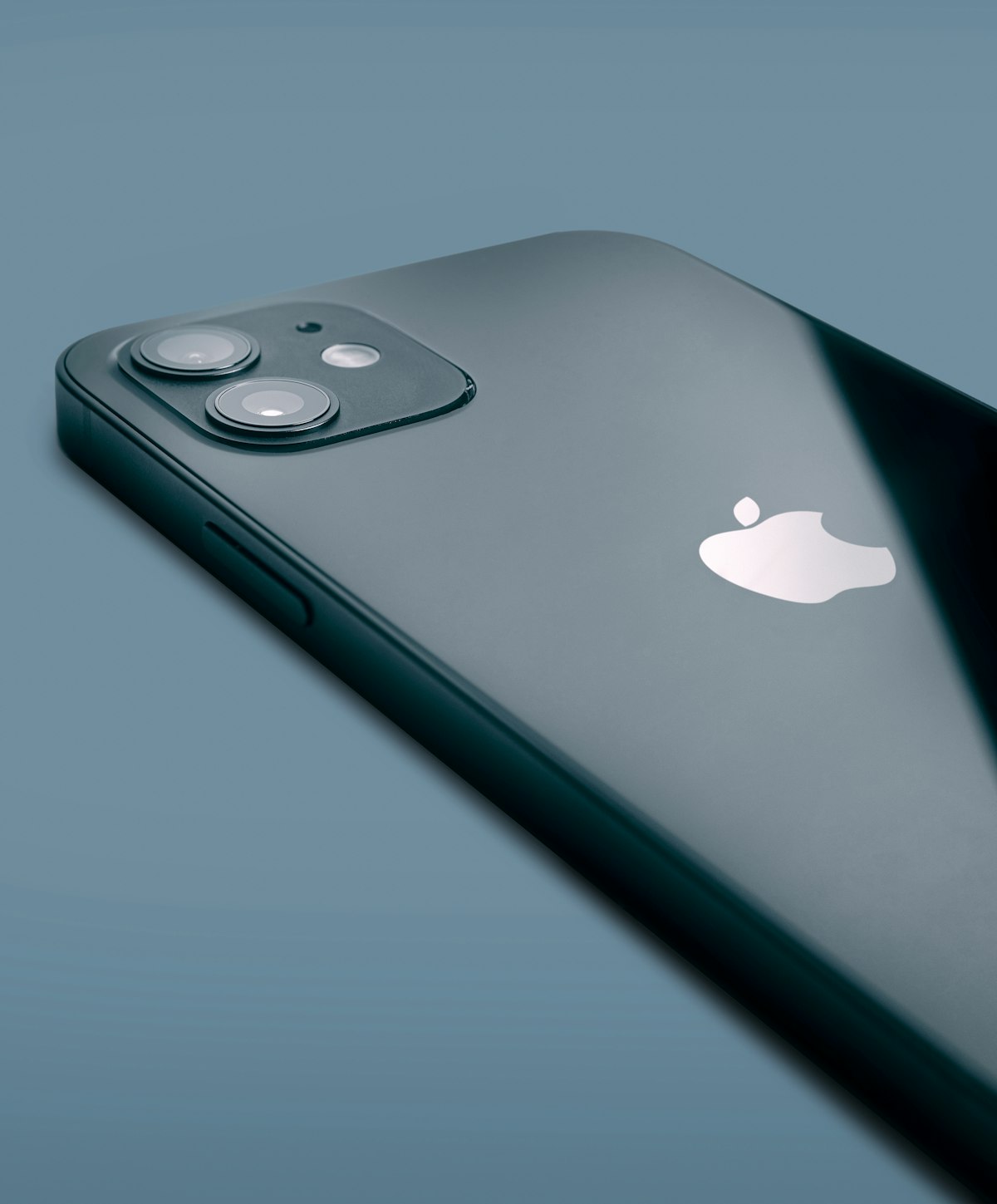
When comparing apple store vs authorized reseller price comparison trends, we see that Apple retail sales tactics and greeting rules are designed to make the flagship stores feel like the only "safe" place to shop. But for the savvy consumer, the "safe" place is wherever the price is lowest. By ignoring the hype of the Town Square and focusing on the seasonal sales cycles of major retailers, you can enjoy the same ecosystem for hundreds of dollars less.
FAQ
Does Apple have a secret mode?
Most Apple devices have a hidden Diagnostic Mode used by Technicians. On an iPhone, you can access certain hidden features like Field Test Mode by dialing 3001#12345# into the keypad. This displays technical details about your cellular signal and tower connection that aren't visible in the standard settings.
Why do Apple Store employees clap?
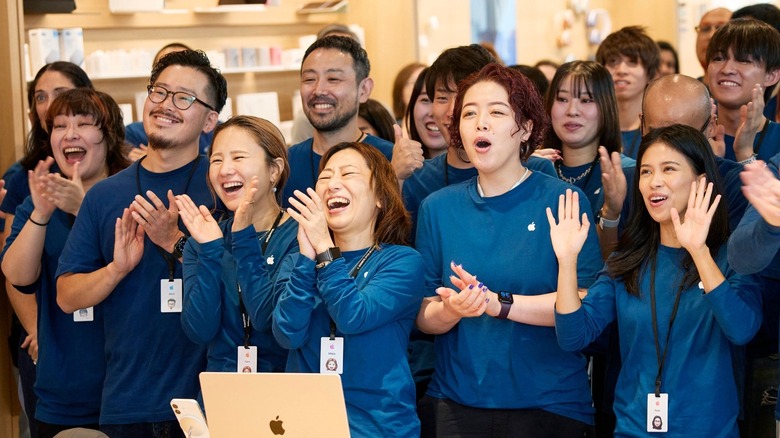
The clapping ritual usually occurs during "clapping-in" or "clapping-out" ceremonies. This is part of the corporate culture intended to celebrate a new employee's first day or an employee's last day. It is a high-energy engagement tactic used to maintain the "Town Square" atmosphere and show customers that the staff is enthusiastic and unified.
What is iPhone's secret button?
The Back Tap feature is often referred to as the secret button. Located in the Accessibility settings, it allows users to double or triple-tap the back of the iPhone (on the Apple logo) to perform specific actions like taking a screenshot, opening the camera, or triggering a Shortcut. It uses the phone's accelerometer to detect the finger taps through the glass.
How to find hidden things on Apple?
Apple uses several "hidden" folders and search features. You can hide photos by selecting them in the Photos app and choosing Hide; these are then moved to a Hidden album that can be locked with FaceID. Additionally, the Spotlight search (swiping down on the home screen) can find files, messages, and app data that aren't immediately visible in your app grid.