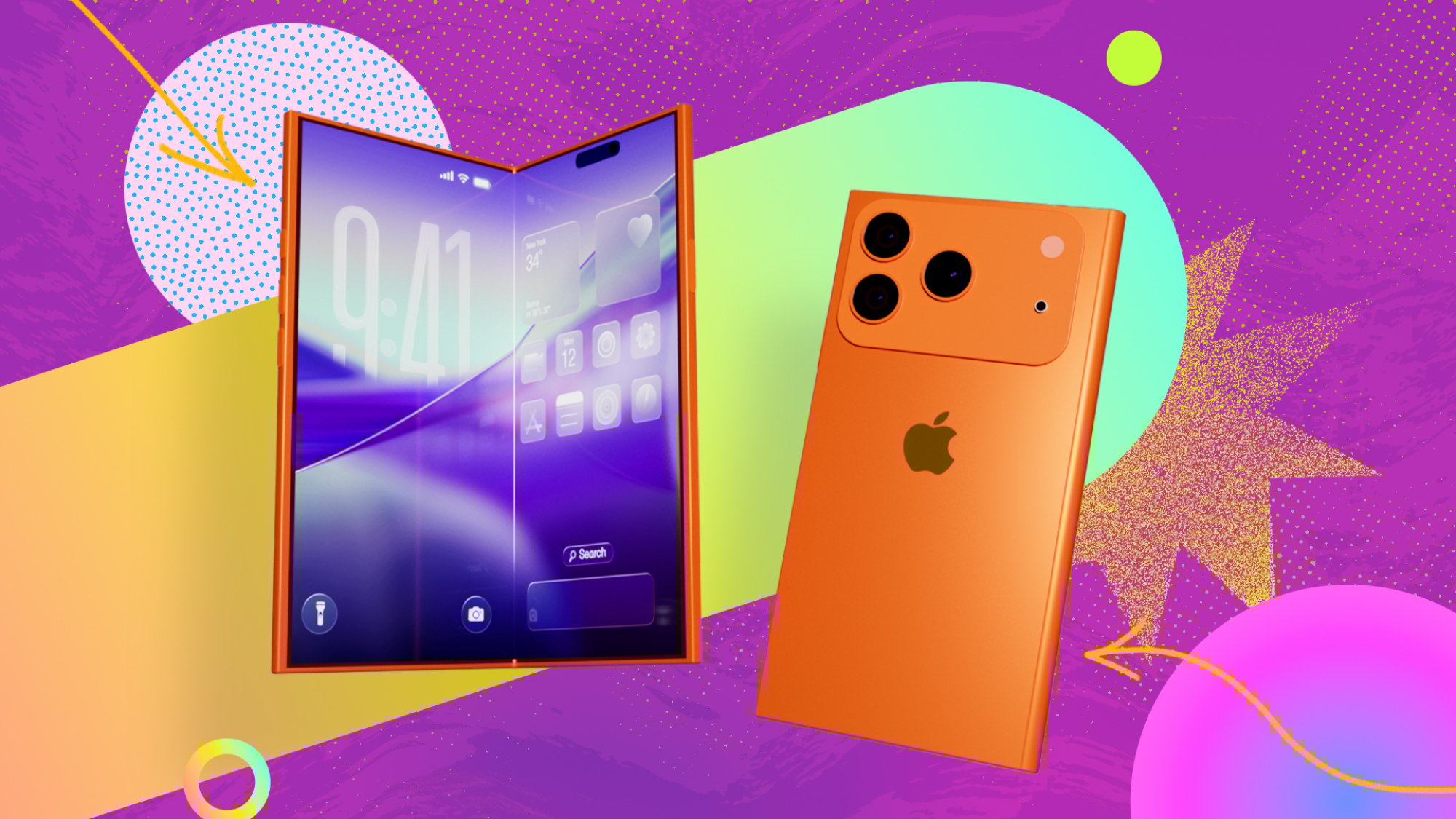
For years, I’ve had a love-hate relationship with foldable phones. On one hand, the utility of a tablet that fits in your pocket is undeniable; on the other, the "plastic" feel of the screen and that ever-present crease have always felt like a compromise too far for the premium user. Apple, famously, has stayed on the sidelines of this form-factor war. But as the "iPhone Fold" rumors move from speculative sketches to supply chain realities, it’s becoming clear that Apple isn't just late to the party—they are waiting for the technology to catch up to their standards. The centerpiece of this strategy is a revolutionary screen technology known as UTG-PI, a material choice that promises to solve the durability and aesthetic issues that have plagued the industry since the first Galaxy Fold.
The Secret Sauce: Why UTG-PI Trumps Samsung's PET Film
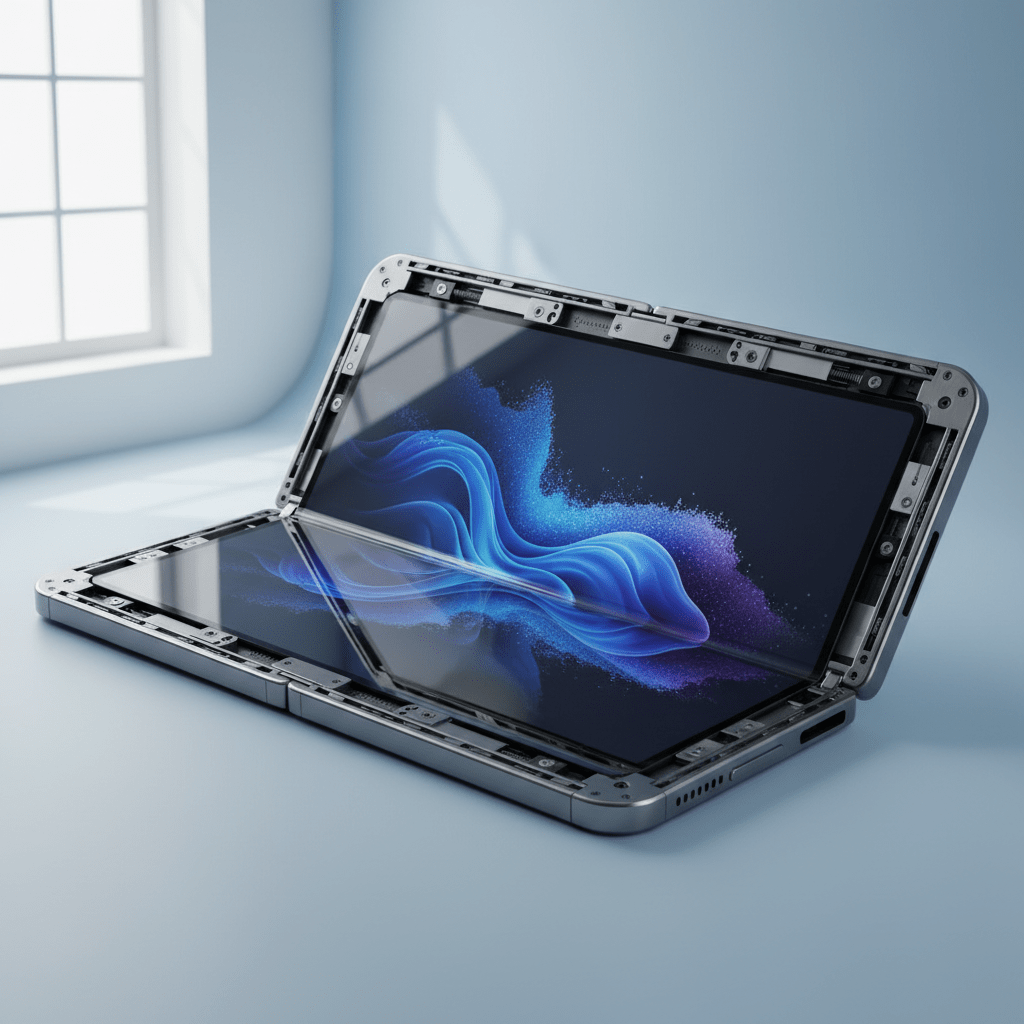
The primary criticism of current foldables, including the industry-leading Samsung Galaxy Z Fold series, is the screen's "soft" feel. Most current foldables use a layer of Polyethylene Terephthalate (PET) film over their flexible glass. While PET is flexible, it’s essentially a high-grade plastic that is prone to permanent indentations and fine scratches.
Apple is reportedly taking a different route by utilizing a sophisticated combination of Ultra Thin Glass (UTG) paired with Transparent Polyimide (PI) film. While Samsung uses UTG as well, their protective top layer remains PET. Apple’s shift to PI is a game-changer for tactile feedback. Polyimide is significantly more rigid and heat-resistant than PET, allowing it to mimic the "cold, hard" feel of traditional Gorilla Glass while maintaining the flexibility required for a 180-degree fold.
The durability gap here is immense. While the PI film is more expensive to manufacture and harder to work with, it offers superior scratch resistance and chemical stability. For the end-user, this means a screen that doesn't feel like a toy and doesn't "cloud" over time due to micro-abrasions from fingernails or dust.
Comparison: Apple’s UTG-PI vs. Standard PET Foldables
| Feature | Apple iPhone Fold (Proposed) | Samsung Galaxy Z Fold 7 (Rumored) |
|---|---|---|
| Top Layer Material | Transparent Polyimide (PI) | Polyethylene Terephthalate (PET) |
| Substrate | Ultra Thin Glass (UTG) | Ultra Thin Glass (UTG) |
| Tactile Feel | Glass-like, rigid | Plastic-like, soft |
| Scratch Resistance | High (Targeting Mohs 5-6) | Low (Mohs 2) |
| Cost to Produce | Significantly Higher | Moderate |
Solving the Crease: Apple’s Engineering Collaboration
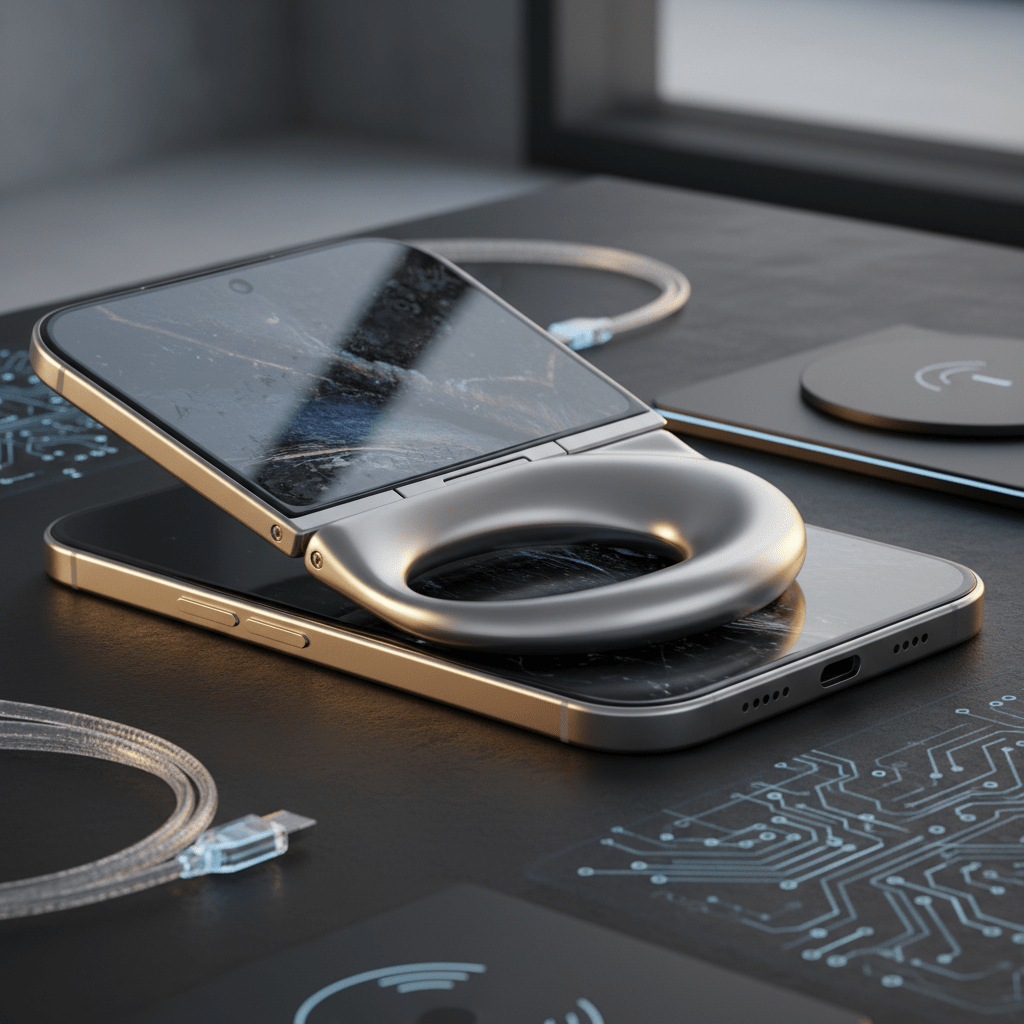
If there is one thing Apple designers hate, it’s a visible imperfection. To eliminate the notorious "crease" found on almost every foldable today, Apple is working in deep collaboration with Samsung Display. While it might seem ironic that Apple’s chief competitor is providing the screen, Samsung Display operates as an independent entity, often developing cutting-edge panels specifically to Apple's exacting specifications.
The iPhone Fold is expected to debut a "zero-gap" waterdrop hinge. Unlike the traditional "U-shaped" hinge that forces the screen into a tight, stress-inducing curve, the waterdrop design allows the display to tuck back into the body of the phone in a teardrop shape. This significantly reduces the tension on the UTG-PI stack. Furthermore, leaks suggest Apple is experimenting with a specialized "liquid" polymer that fills the gap beneath the hinge, providing structural support when the phone is unfolded to ensure the surface remains perfectly flat to the touch.
Durability Metrics: Surviving 1.2 Million Folds
When we talk about mobile device longevity, we usually talk about battery cycles. With foldables, we talk about "mechanical fatigue." Most current flagships are rated for 200,000 to 400,000 folds—roughly five years of heavy use. However, Apple is reportedly pushing for a leap in reliability.
New testing data for high-end displays slated for 2026 indicates that Apple's proposed screen tech is being tested to survive up to 1.2 million folds. To put that in perspective, if you fold and unfold your phone 100 times a day, the screen would theoretically last for 32 years. This isn't just about making the phone last forever; it’s about ensuring that the display maintains its optical clarity and touch accuracy even after years of mechanical stress.
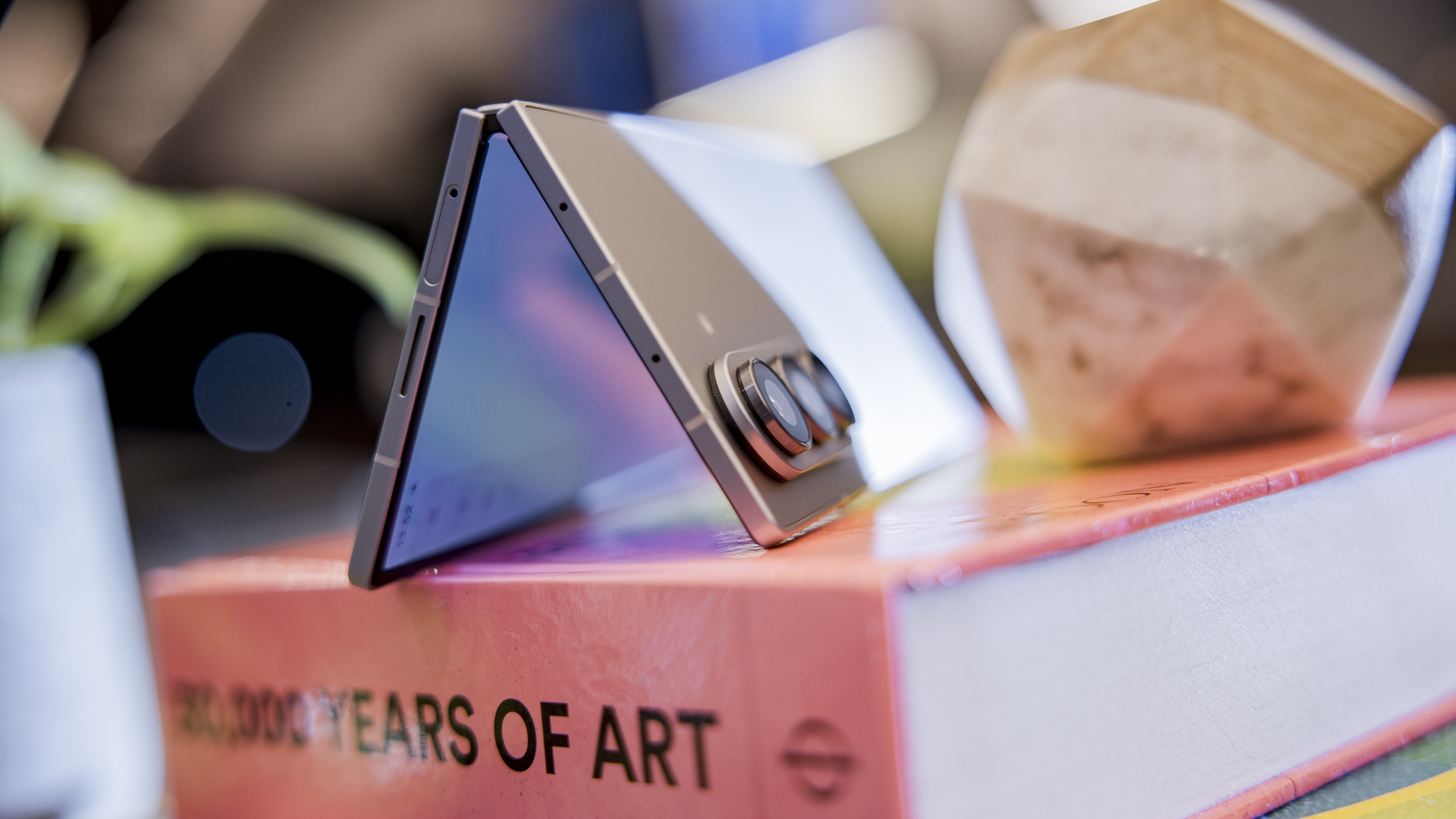
Perhaps more importantly is the "Mohs Hardness" factor. Current foldables, like the Galaxy Z Fold 6, typically show deep grooves at a Mohs hardness level 2. In simpler terms, a stray fingernail or a grain of sand can leave a permanent mark. Apple’s UTG-PI solution aims to bridge this gap toward Mohs level 6, which is the threshold for traditional glass. While it may not reach the full hardness of a flat iPhone 15 screen, it will be the closest the industry has ever come to a "scratch-proof" foldable.
Editor's Note: The move toward 1.2 million folds suggests Apple is positioning the iPhone Fold as a "pro" productivity tool rather than a lifestyle novelty. This level of durability is essential if the device is to support active styluses like the Apple Pencil, which apply localized pressure that would ruin a softer PET screen.
The $2,400 Question: Is the Premium Price Justified?
Innovation at this level doesn't come cheap. Recent leaks from the supply chain suggest the iPhone Fold may be priced as high as $2,400. This places it at a $400 premium over the starting price of the Samsung Galaxy Z Fold 7, which is expected to hover around the $2,000 mark.
Why the massive price jump? It comes down to the Bill of Materials (BOM).
- The PI Film: Transparent Polyimide is significantly more expensive than PET to manufacture at scale without optical distortions.
- The Hinge: Apple’s rumored hinge involves dozens of micro-gears made from high-strength titanium alloys to keep the device thin yet rigid.
- The Yield Rate: Cutting and folding glass to these tolerances results in higher "scrap" rates during manufacturing, costs which are inevitably passed on to the consumer.
For the average user, $2,400 is a staggering pill to swallow. However, Apple’s target audience for the first-generation Fold isn't the average iPhone user; it’s the power user who currently carries both an iPhone and an iPad Mini. When viewed as a replacement for two flagship devices, the math starts to make a bit more sense.
Beyond the Hinge: Transforming iPadOS for the iPhone Fold
As an editor who looks at "real-world usage," I have to emphasize that hardware is only half the battle. A foldable iPhone that just runs "blown-up iOS" would be a failure. The real excitement lies in how Apple plans to adapt its software.
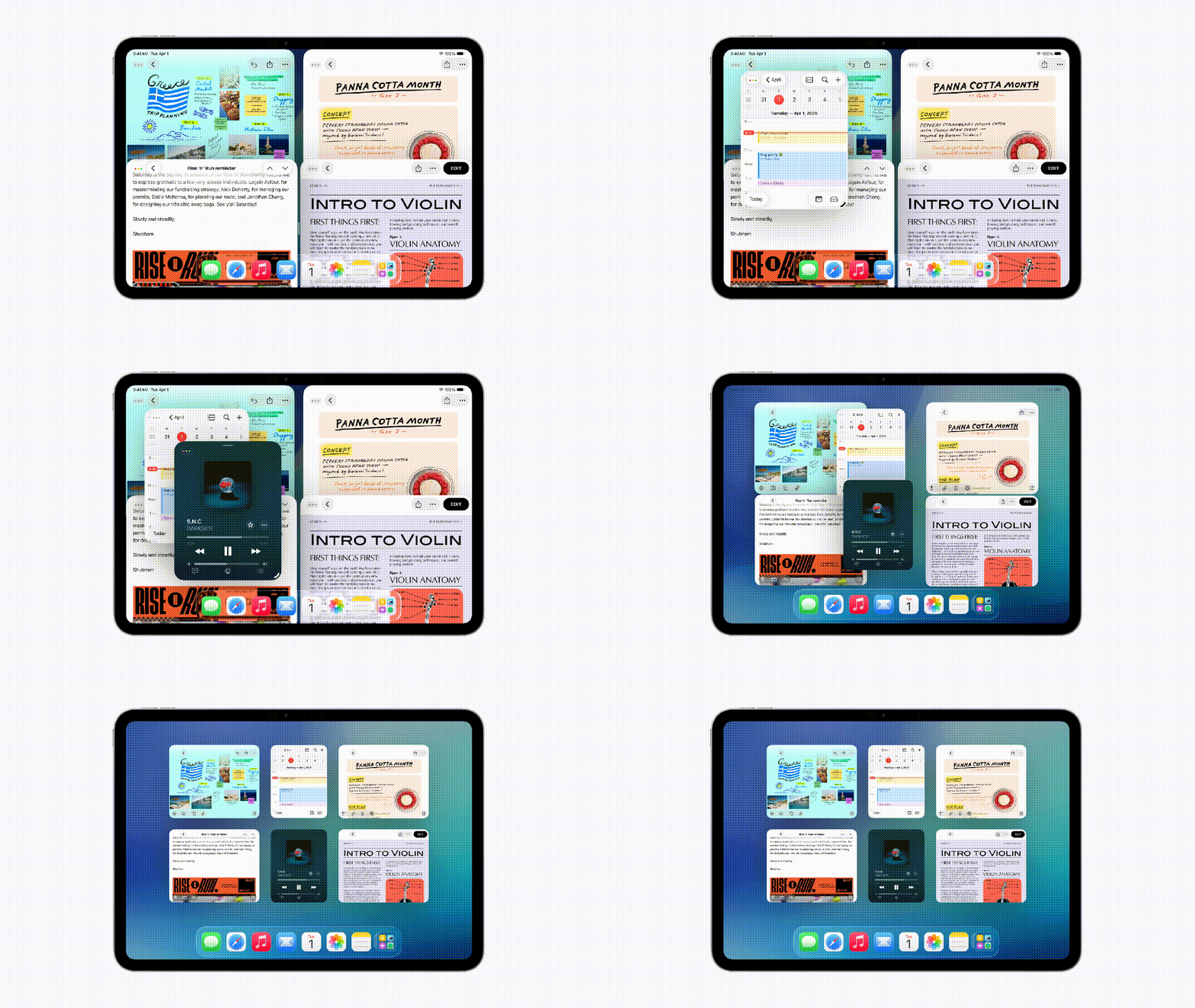
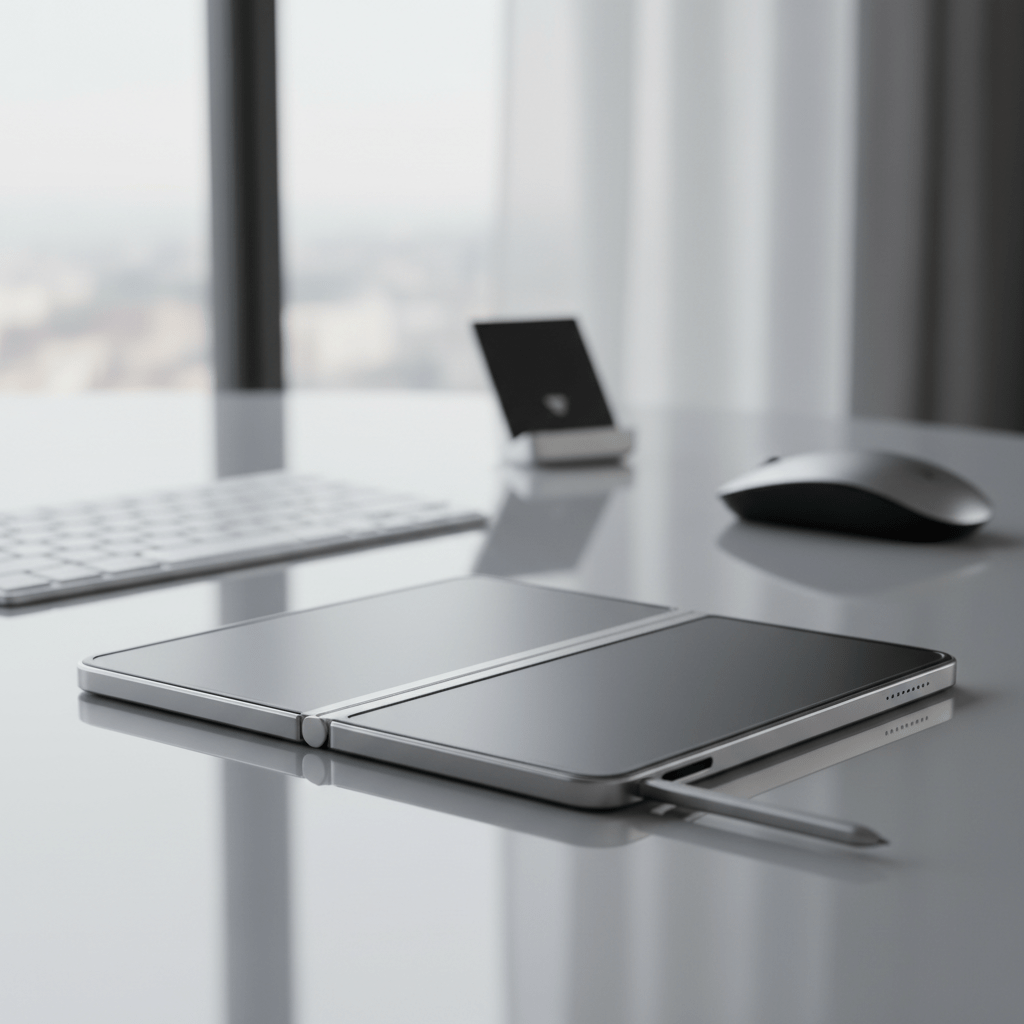
Rumors suggest the iPhone Fold will run a hybrid version of iPadOS. Imagine a device that looks like a standard iPhone when closed, but once opened, reveals a desktop-class Safari browser, Stage Manager for multitasking, and full Apple Pencil support. This isn't just "more screen"; it’s a different class of computing.
- Continuity Features: Start an email on the outer screen, flip it open, and have the keyboard and formatting tools automatically expand to a full-sized layout.
- Desktop-Class Multitasking: Running three apps simultaneously in a "split-view" that actually feels usable, unlike the cramped experience on current 7-inch foldables.
- Pro Creativity: The UTG-PI screen is expected to be rigid enough to support the Apple Pencil Pro, turning the device into a pocketable sketchbook for designers on the go.
Final Thoughts: The Maturation of a Category
Apple’s entry into the foldable market marks the end of the "experimental" phase of flexible displays. By choosing UTG-PI over cheaper alternatives, they are signaling that foldables are ready for the mainstream—provided you have the budget for it. We aren't just looking at a phone that folds; we are looking at the evolution of the mobile workstation.
The $2,400 price tag will certainly be a barrier for many, but for those who have been waiting for a foldable that doesn't feel like a compromise, the iPhone Fold is shaping up to be the device that finally justifies the hype.
FAQ
Q: When is the iPhone Fold expected to be released? A: Current supply chain reports suggest a late 2026 or early 2027 release window, as Apple is still perfecting the durability of the UTG-PI screen stack.
Q: Will the iPhone Fold have a visible crease? A: While no foldable is 100% crease-free, Apple’s use of a waterdrop hinge and high-tension PI film is designed to make the fold virtually invisible and unfelt during normal use.
Q: Can I use my current Apple Pencil with the iPhone Fold? A: Rumors indicate the iPhone Fold will support the Apple Pencil Pro, though a new, smaller "Apple Pencil Mini" specifically for the Fold is also a possibility.