Have you ever walked into an Apple Store just weeks after a major keynote, only to find that last year’s flagship model has completely vanished from the shelves? It’s not a coincidence, and it’s certainly not because Apple is bad at math. In fact, it is the result of one of the most sophisticated logistical ballets in the history of global commerce.
As a mobile devices editor, I’ve tracked the lifecycle of dozens of smartphones, but none are as ephemeral as a departing iPhone. This "disappearing act" is the cornerstone of Apple’s lean inventory strategy. By using surgical precision in demand forecasting, Apple ensures that supply matches demand almost perfectly, hitting a near-zero equilibrium just as the next generation arrives. This prevents older models from sitting on shelves, which would otherwise force price cuts and dilute the brand’s premium allure.

The Core Logic: Just-in-Time (JIT) and Lean Inventory
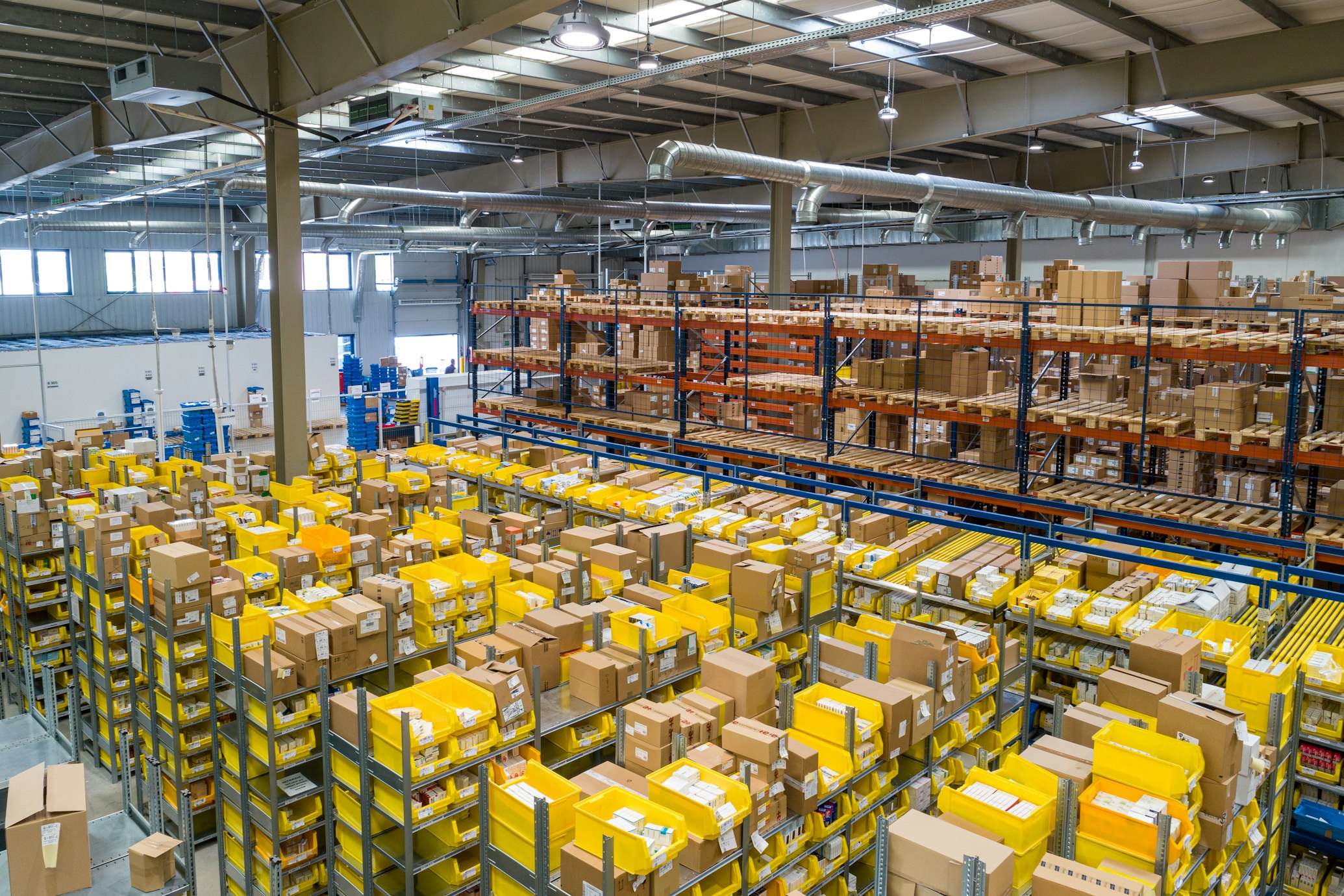
To understand why you can’t find an iPhone 15 Pro today, you have to understand the philosophy of Tim Cook, the man who transformed Apple from a struggling computer maker into a logistics powerhouse. Long before he was CEO, Cook famously remarked that "inventory is fundamentally evil." In the world of consumer electronics, inventory is like milk—it spoils rapidly. Every day a device sits in a warehouse, its value depreciates, and its technology edges closer to obsolescence.
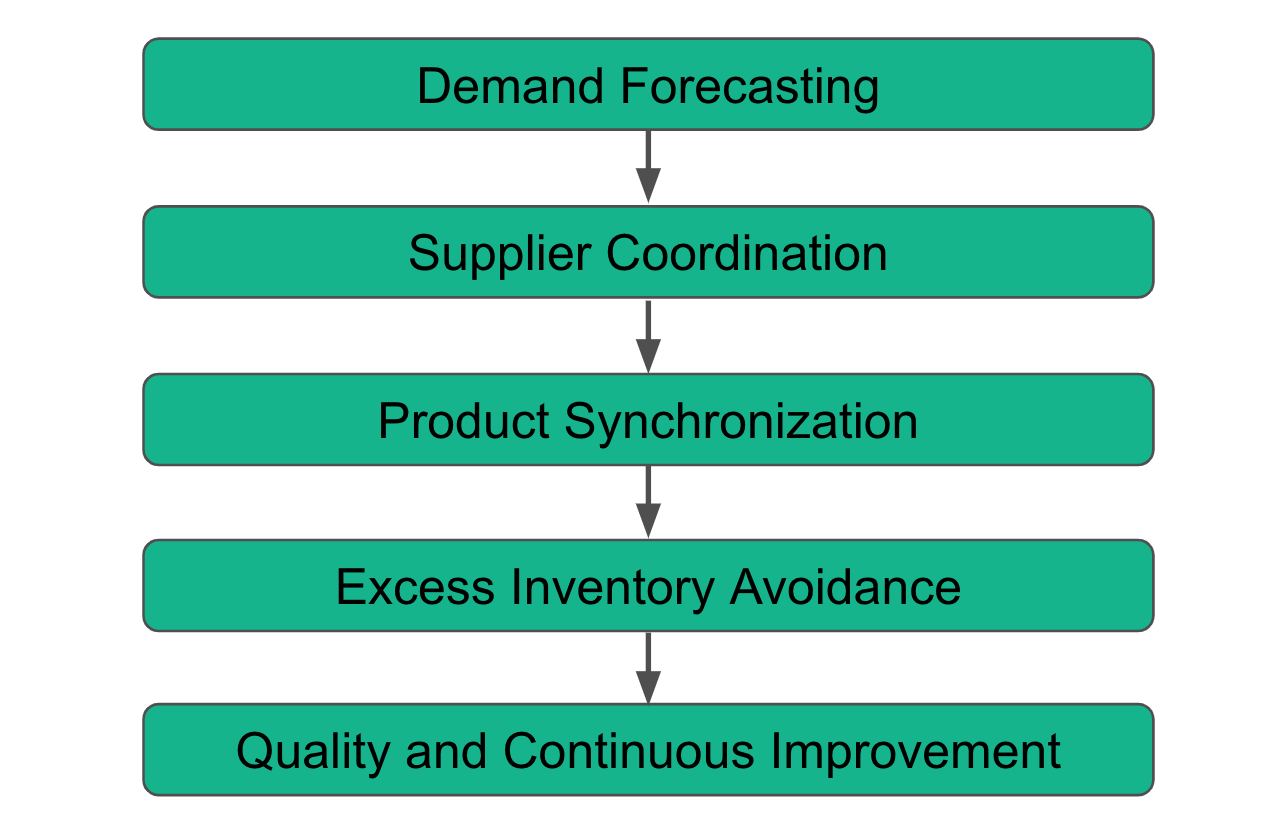
Apple utilizes Just-in-Time (JIT) manufacturing, a principle originally perfected by Toyota, to reduce storage costs and minimize the risk of inventory obsolescence. This strategy shifts the production model from a "Push" system (making as much as you can and hoping to sell it) to a "Pull" system (producing only what is actually being ordered).
Pro Tip: If you are eyeing an "outgoing" model, the best time to buy is typically August. By September, Apple’s "days of inventory"—the average time a product stays in stock—is often lower than 10 days, meaning once the new model drops, the old ones are effectively gone from Apple’s direct channels.
Statistically, Apple’s efficiency is staggering. While the consumer electronics industry average for inventory on hand often stretches between 30 to 60 days, Apple frequently operates with less than 10 days of stock. At certain peaks in their supply chain optimization, they have reportedly brought this number as low as 3.2 days. This means the components arriving at the factory today are often in a customer’s hands as a finished product by next week.
The Financial Advantage: Why High Inventory is "Evil"
From a business perspective, Apple supply chain efficiency is their greatest competitive moat. By keeping stock levels lean, Apple avoids the "Inventory Obsolescence" trap. In a market where a six-month-old processor is considered "last gen," holding $10 billion in unsold hardware is a recipe for a massive financial write-down.
Furthermore, lean inventory maintains price stability. When a company like Samsung or Google has excess stock, they are forced to offer deep discounts or "buy-one-get-one" deals to clear warehouse space. Because Apple rarely has significant excess, they don't need to slash prices. This preserves the high resale value of iPhones and iPads, which in turn makes consumers more willing to pay the premium entry price, knowing their device won't be "worthless" in a year.
Apple’s vertical integration allows them to pull this off. Because they design the chips (Apple Silicon), the software (iOS/macOS), and the hardware, they have a bird's-eye view of the entire pipeline. They don't just ask Foxconn for more phones; they coordinate with hundreds of sub-suppliers to ensure that every screw and screen arrives exactly when needed.
The 2026 Discontinuance Watch: Products About to Vanish
As we look toward the 2026 product cycle, Apple’s lean inventory strategy will once again trigger a wave of "disappeared" products. If you are planning a purchase in early 2026, you need to be aware of the "Production Ramp-Down." Apple typically begins scaling back production of current-generation hardware 2 to 3 months before a successor's launch.
Here are the primary candidates for the 2026 "vanishing act":
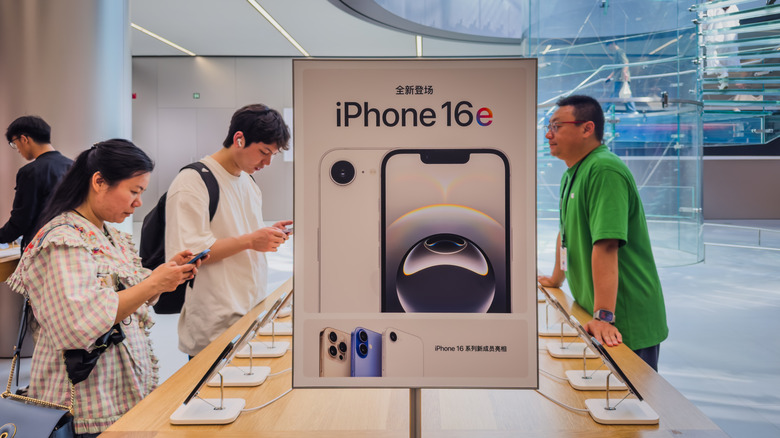
- iPhone 16e: Positioned as the entry-level offering, the iPhone 16e is expected to have an incredibly tight production window. As Apple transitions to the iPhone 17e following the anticipated March 2026 event, expect the 16e to disappear from the Apple Store within days of the announcement.
- Original Apple Studio Display: Rumors of a refreshed Studio Display with higher brightness or ProMotion in H1 2026 mean the 2022 model is on borrowed time. Because monitors have a slower turnover rate, Apple will likely keep stock extremely low throughout 2025 to ensure they aren't left with bulky 27-inch units when the new version arrives.
- M4 MacBook Pro Series: The shift to the M5, M5 Pro, and M5 Max chips is expected to be swift. Apple’s M-series cadence has become increasingly aggressive. Once the M5 models are announced, the M4 versions will likely be scrubbed from the digital storefront immediately to steer professional users toward the latest silicon.
| Product Category | Estimated Discontinuation Window | Successor |
|---|---|---|
| iPhone 16e | March 2026 | iPhone 17e |
| Studio Display (Gen 1) | April/May 2026 | Studio Display (Gen 2) |
| M4 MacBook Pro | Late 2025 / Early 2026 | M5 MacBook Pro |
| Apple Watch Series 10 | September 2025 | Series 11 |
The removal of the M4 MacBook Pro series will be particularly notable. Pro-level users often seek out "last year's model" to save a few hundred dollars, but Apple’s strategy makes this difficult through official channels. By the time the M5 is shipping, the M4 inventory has usually been diverted to third-party retailers like Amazon or Best Buy to clear the remaining units without cluttering Apple’s own premium retail experience.

The Technology Behind the Efficiency
How does Apple know exactly how many iPhones to make? It isn't just guesswork; it's a massive application of AI and predictive analytics. Apple monitors real-time sales data from every Apple Store and authorized reseller globally. If a specific color or storage tier (say, the 512GB Natural Titanium) starts trending in London but lagging in Tokyo, the supply chain adjusts in real-time.
This predictive power extends to their supplier integration. Partners like Foxconn and TSMC are essentially extensions of Apple’s internal team. Apple often purchases the manufacturing equipment for its suppliers, giving them total control over the production capacity. This ensures that when the "Stop" order is given for an older model, the transition to the new model happens with surgical precision.

Beyond mere profit, this lean strategy has recently been tied to Apple's "Apple 2030" sustainability goals. Excess inventory isn't just a financial waste; it's an environmental one. By manufacturing only what is needed, Apple reduces the carbon footprint associated with raw material extraction and logistics. Their move toward recycled materials in the supply chain—like 100% recycled cobalt in batteries—is easier to manage when inventory levels are kept low and controlled.

Conclusion: The Future of Apple’s Supply Chain
Apple’s lean inventory strategy is a masterclass in modern business. By viewing inventory as a liability rather than an asset, they have created a system that maximizes profit, maintains brand prestige, and ensures that their newest technology is always the focal point for consumers.
For the reader, the takeaway is clear: the window of opportunity to buy a "current" Apple product is precisely defined. As we head into 2026, keep a close eye on the iPhone 16e and the M4 Macs. If you want one, don't wait for the "clearance sale" at the Apple Store—because in Apple’s world, by the time a product is old enough for a clearance, it has already vanished.
FAQ
Q: If Apple stops selling a model, where does the remaining stock go? A: Apple typically clears the very last of its inventory through its "Certified Refurbished" store online or diverts stock to third-party partners like carriers (Verizon, AT&T) and big-box retailers. These partners often hold "clearance" stock longer than Apple does.
Q: Does lean inventory cause the frequent "shipping delays" during launch month? A: Yes. Because Apple doesn't want to over-manufacture, they often under-produce for the initial launch surge to gauge which specific models are most popular. This "scarcity" also helps fuel the perception of high demand.
Q: Is it ever possible to find a discontinued model at an Apple Store? A: Rarely. Once a product is officially removed from the website, retail stores are usually instructed to pull the remaining units from the floor within 24–48 hours to make room for new displays.