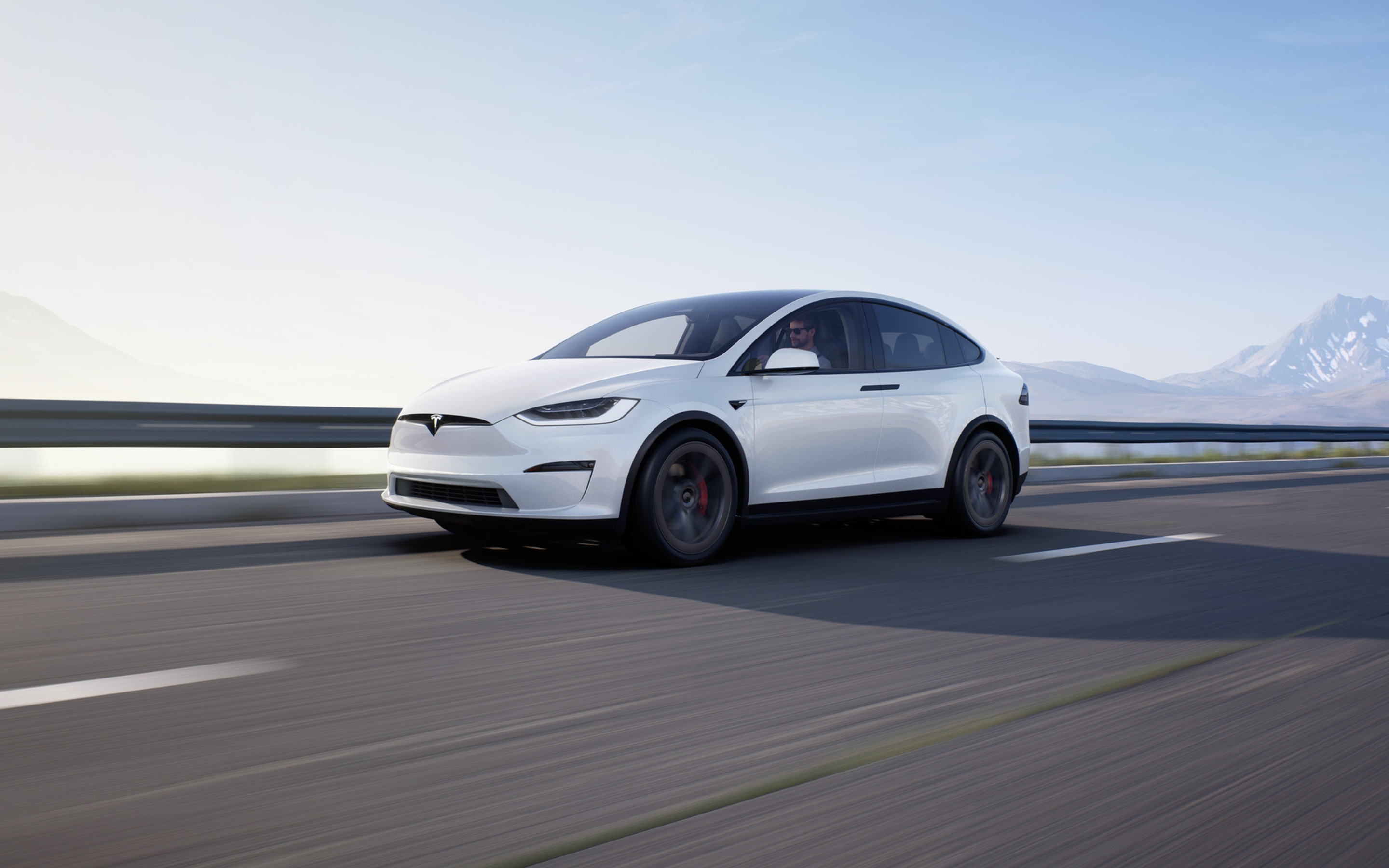
For over a decade, the Tesla Model S and Model X have been the undisputed benchmarks of the luxury electric vehicle (EV) world. They weren’t just cars; they were statements of intent that forced the global automotive industry to abandon internal combustion. However, a seismic shift is underway at the Fremont factory. Elon Musk’s recent "honorable discharge" for these flagship models signals more than just a product refresh—it marks the end of Tesla as a traditional luxury carmaker and the beginning of its era as a robotics and AI titan.
Summary at a Glance
- The Pivot: Tesla is discontinuing Model S and Model X production in the next quarter to prioritize the Optimus humanoid robot and Full Self-Driving (FSD) autonomy.
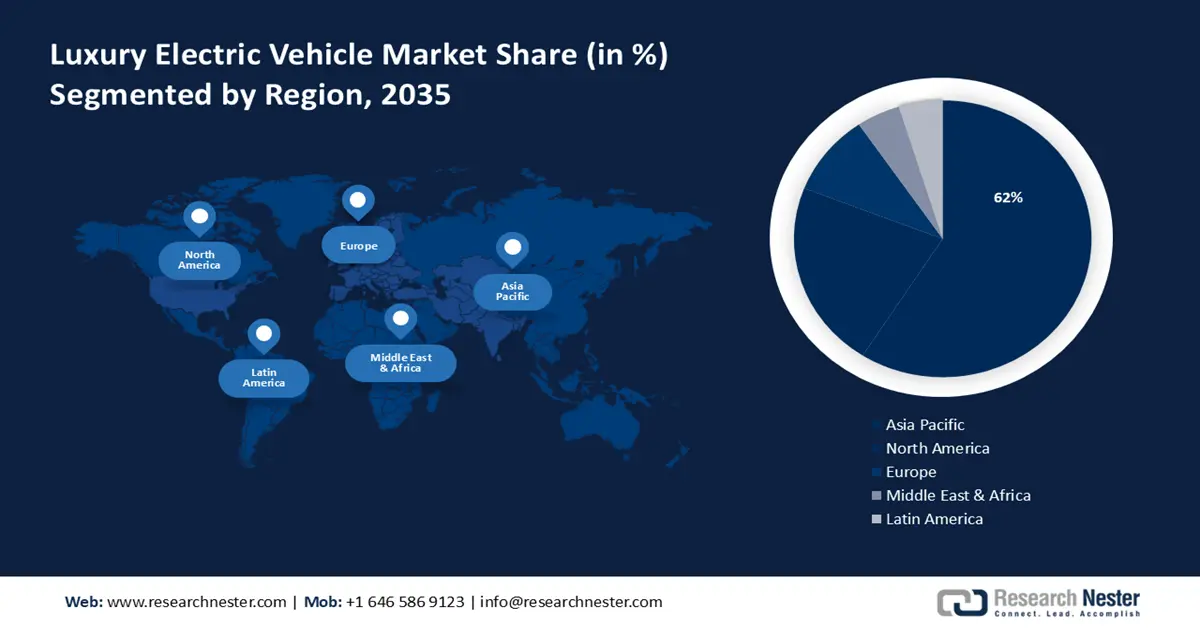
- Market Growth: Paradoxically, the luxury EV market is booming, projected to reach $530.16 billion by 2031 with a 15.86% CAGR, potentially hitting $1.25 trillion by 2035.
- The Robot Era: Tesla Optimus Gen 3 is slated for customer purchase by late 2027, with the Fremont factory retooling to produce one million units annually.
- Cost Efficiency: Lithium-ion battery pack costs are forecast to plummet to $82 per kWh by 2026, making high-range EVs more profitable for the competitors Tesla is leaving behind.
The "Honorable Discharge": Why Tesla is Killing the Model S and X
During the 2025 earnings call, the atmosphere shifted from typical financial reporting to something resembling a graduation ceremony. Elon Musk announced that the Model S and Model X—the vehicles that built the Tesla brand—would be entering their final production phase starting next quarter. This isn't a sign of failure, but a tactical retreat to reallocate "precious capital and engineering talent" toward the next frontier.
The timing is strategic. The Model S has enjoyed a 14-year run, while the Model X has defined the luxury SUV space for 10 years. In the fast-moving tech world, these are lifetimes. By ceasing production at the Fremont factory, Tesla frees up the most valuable manufacturing real estate in Silicon Valley to make room for the assembly lines of the future.
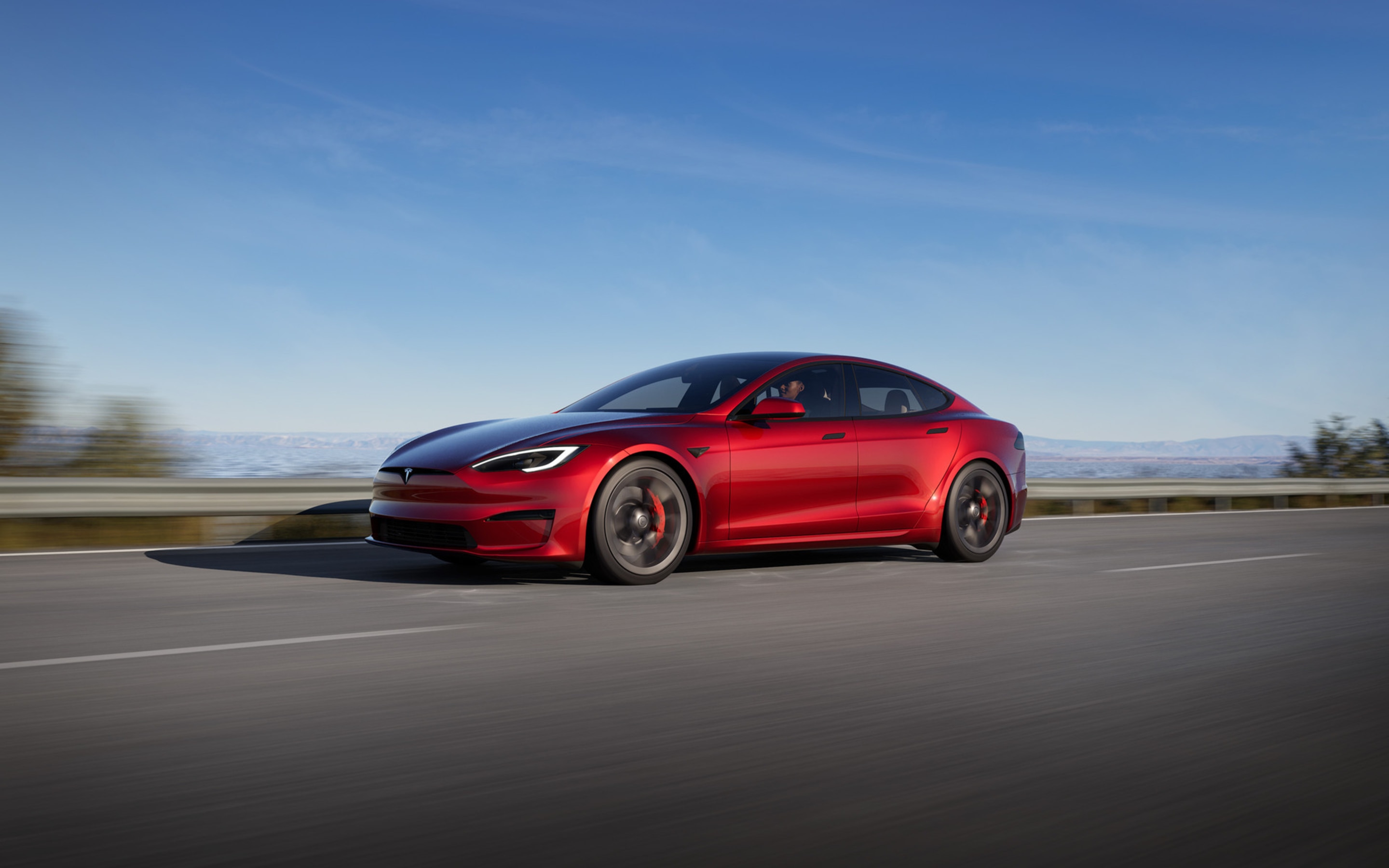
The transition marks the end of an era for enthusiasts who equated Tesla with ludicrious speed and falcon-wing doors. While the Model 3 and Model Y will continue to serve the mass market, the "Luxury Flagship" tier of Tesla’s portfolio is being retired to make way for a product Musk believes will eventually eclipse the entire automotive industry in value: the Optimus robot.
The Optimus Pivot: Why Robots are the New "Master Plan"
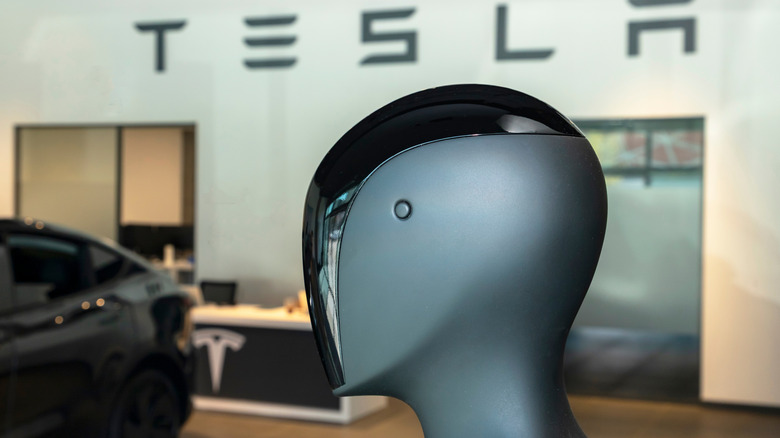
Tesla’s transition from a car company to an AI and robotics firm is no longer a theoretical debate—it is the operational reality. The "Master Plan" has evolved. The goal is no longer just to accelerate the transition to sustainable energy, but to automate the physical world.
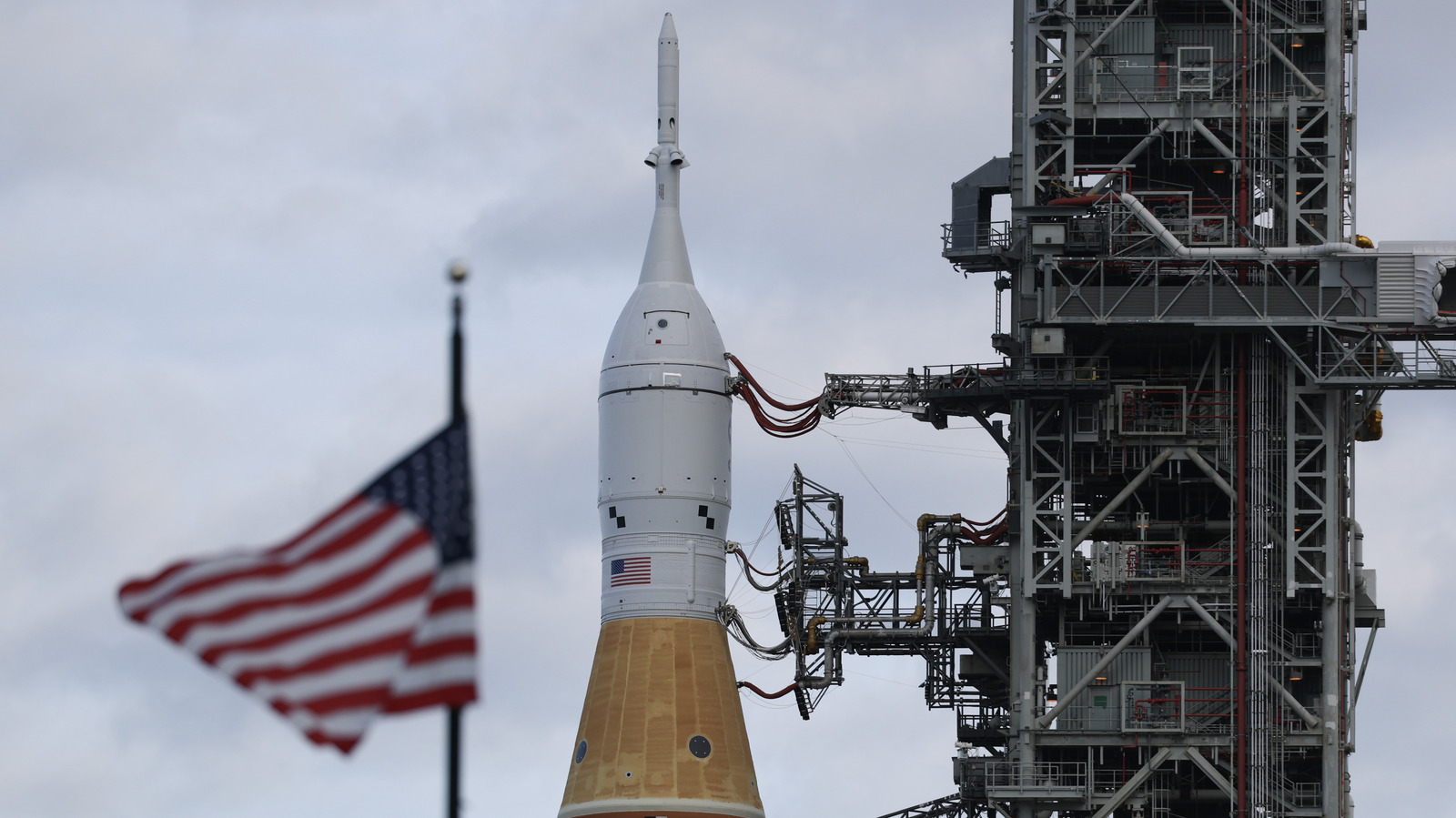
The Optimus Gen 3 is the centerpiece of this evolution. Featuring 22 degrees of freedom in its hands alone, the robot is designed to perform tasks that are repetitive, dangerous, or boring for humans. But the real "moat" isn't the hardware; it’s the AI Flywheel. By leveraging the same "Real World AI" and neural networks used in Full Self-Driving (FSD), Tesla is teaching Optimus to navigate a warehouse or a kitchen the same way a Model 3 navigates a four-way stop.
- Production Scaling: Musk has set a staggering long-term goal of one million Optimus units produced at the Fremont factory.
- Customer Availability: While initial units will work within Tesla's own factories to prove their utility, the general public is expected to have a customer purchase window by the end of 2027.
- The Dojo Factor: Tesla’s Dojo supercomputer is the "brain" behind the brawn, processing exabytes of video data to ensure Optimus can learn tasks through observation rather than explicit programming.
The Luxury EV Market Paradox: High Growth vs. Tesla’s Exit
What makes Tesla’s decision so startling is the state of the market they are exiting. The luxury EV segment is currently entering its most profitable decade. As battery technology matures and charging infrastructure expands, the "range anxiety" that once plagued the industry is being replaced by "range abundance."
The luxury EV market is projected to expand from $219.31 billion in 2025 to over $530.16 billion by 2031. This growth is fueled by a significant drop in variable costs. Lithium-ion battery pack prices are expected to hit a critical threshold of $82 per kWh by 2026. This price point allows manufacturers to build 400-mile range luxury cruisers with significantly higher margins than ever before.
| Metric | 2025 Estimate | 2031 Projection | 2035 Vision |
|---|---|---|---|
| Global Luxury EV Valuation | $219.31 Billion | $530.16 Billion | $1.25 Trillion |
| Market Growth (CAGR) | 15.86% | 16.5% | Stable at 15%+ |
| Battery Cost (per kWh) | $95 - $105 | $70 - $75 | <$65 |
| Typical Range (Flagship) | 350 Miles | 500 Miles | 600+ Miles |
As Tesla retreats, the "Competitor Gap" is widening. Legacy giants like BMW, Mercedes-Benz, and Audi, along with newcomers like Lucid, are doubling down on the segment Tesla pioneered. They are betting that there is still a massive appetite for high-end, owner-driven vehicles that emphasize leather, wood, and prestige—features that Tesla has increasingly marginalized in its quest for minimalism and autonomy.
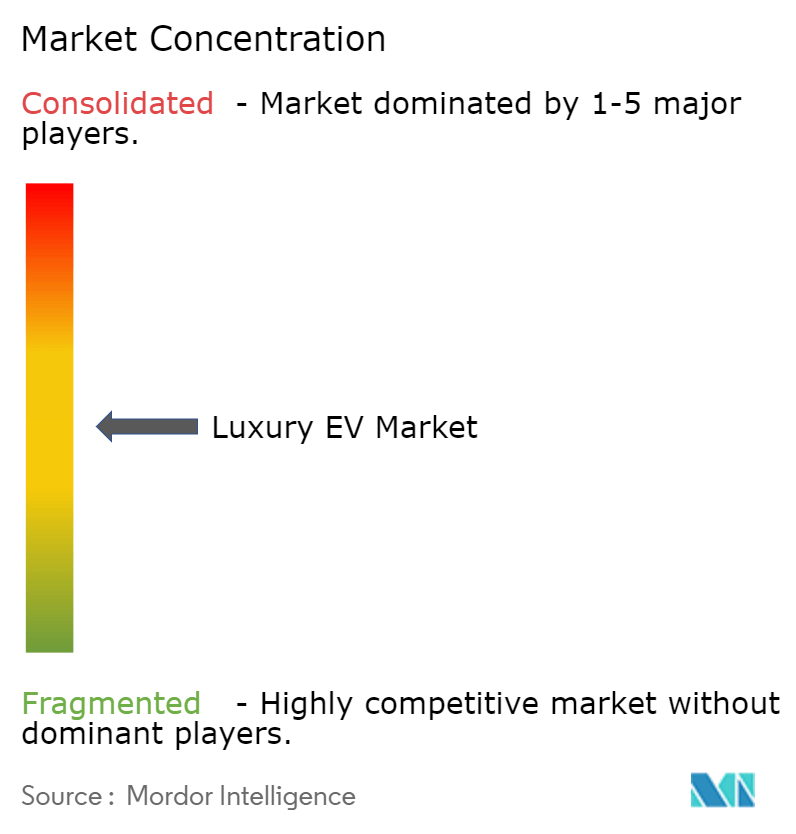
This creates a fascinating paradox. Why leave a market that is guaranteed to grow at a 15.86% CAGR? For Musk, the answer is simple math. A luxury car has a ceiling; an autonomous humanoid robot has no such limit. Tesla is sacrificing a multi-billion dollar car market to chase a multi-trillion dollar robotics market.
Future Roadmap: FSD v14.2, Cybercab, and the TaaS Future
The discontinuation of the Model S and X isn't just about robots; it's about the death of the driver. Tesla’s software roadmap is now entirely focused on Unsupervised Autonomy. The upcoming FSD v14.2 is rumored to be the version that finally removes the need for human intervention, rendering legacy controls like steering wheels and pedals obsolete.
This leads directly into the Cybercab and the Robotaxi Network. Tesla's vision of the future is Transport-as-a-Service (TaaS). Instead of owning a luxury car that sits in a garage 90% of the time, users will summon a Cybercab. By 2026—what insiders are calling the "Autonomous Summer"—Tesla plans to transition from a vehicle manufacturer to a platform provider.
This shift will redefine Tesla's valuation. No longer compared to Ford or Toyota, Tesla will be measured against AI and SaaS giants. If the Robotaxi network succeeds, the revenue from a single vehicle over its lifespan could be tenfold what a Model S sale currently generates.
Conclusion: The Strategic Gamble of the Decade
Tesla is essentially burning the ships. By discontinuing the Model S and X, they are removing the safety net of their established luxury status. It is a bold, high-stakes gamble that assumes the world is ready for humanoid robots and fully autonomous transport.
For the consumer, this means the window to buy a "Classic" Tesla flagship is closing fast. For the investor, it means Tesla is no longer an automotive play, but a venture capital-style bet on the future of labor and mobility. Whether Tesla can maintain its dominance without its luxury icons remains the most important question in the tech world today. One thing is certain: the Fremont factory will never be the same.
FAQ
Q: Will Tesla still provide service and parts for the Model S and Model X? A: Yes. Tesla has committed to supporting the existing fleet with software updates, parts, and Service Center support for at least the next decade, ensuring that current owners are not left stranded.
Q: Can I still order a Model S or Model X right now? A: Current inventory and the final production run are still available for order through the official Tesla website, but delivery slots are expected to fill rapidly as the discontinuation date approaches next quarter.
Q: How much will the Optimus robot cost when it is released in 2027? A: While official pricing has not been finalized, Elon Musk has previously suggested a long-term price target of "less than a car," potentially ranging between $20,000 and $30,000 once mass production is achieved.