Quick Facts
- Free Disposal Options: Leading retailers like Best Buy, Staples, and Goodwill (via the Dell Reconnect program) provide no-cost drop-off points for most consumer electronics.
- Data Safety: With 89% of smart devices lacking long-term update support, performing a factory reset is a non-negotiable step before any disposal to prevent identity theft.
- Environmental Impact: Obsolete hardware is a gold mine; recycling 1 million mobile phones can recover 800 lbs of silver and 75 lbs of gold for the circular economy.
- Hazard Warning: Lithium-ion batteries found in wireless headphones and tablets are a significant fire risk and must be taken to specialized battery recycling centers.
- Top Value Hack: Never toss gaming consoles or high-end smart home tech without checking for store credit or cash trade-ins via Amazon or manufacturer buy-back programs.
Reliable locations to recycle electronics for free include Best Buy, Staples, and Goodwill through the Dell Reconnect program. Major retailers like Apple, Amazon, and Samsung also provide trade-in programs where you can exchange functional devices for store credit or gift cards. For local community events and municipal drop-off sites, online recycling locators can help identify certified e-waste facilities near you.
The clutter in your junk drawer isn't just an eyesore; it is a symptom of a global crisis. According to the United Nations' Global E-waste Monitor 2024, global e-waste reached a record 62 million metric tons in 2022 and is rising five times faster than documented recycling capacity. Research indicates that approximately 88% of Americans retain unused electronic gadgets in their homes, totaling an estimated 1.3 billion idle devices with a collective value of roughly $67 billion.
Breaking this cycle starts with digital decluttering. By choosing to recycle electronics properly, you divert toxic materials from landfills and support sustainable disposal practices. Here are the five most common gadgets you should toss now and how to do it safely.
Smartphones and Tablets
Smartphones and tablets are the most frequent additions to our household clutter. A global consumer survey by the GSMA found that 75% of respondents have at least one old mobile phone in their household that is no longer in regular use. While they are small, their environmental footprint is massive due to the rare earth metals inside.
Before you look for where to dispose of electronics for free, you must prioritize data sanitization. These devices hold your entire life, from bank logins to private photos. Knowing how to wipe data before recycling electronics is the only way to ensure your privacy remains intact. For both Android and iOS devices, a factory reset is the industry standard. This process overwrites your personal files, making them nearly impossible to recover.
| Condition | Action |
|---|---|
| Functional & Recently Deprecated | Sell to a reseller or trade in for store credit. |
| Functional but Very Old | Donate to a local school or a nonprofit like Cell Phones for Soldiers. |
| Cracked Screen or Dead Battery | Seek out retail recycling bins at Best Buy or Staples. |
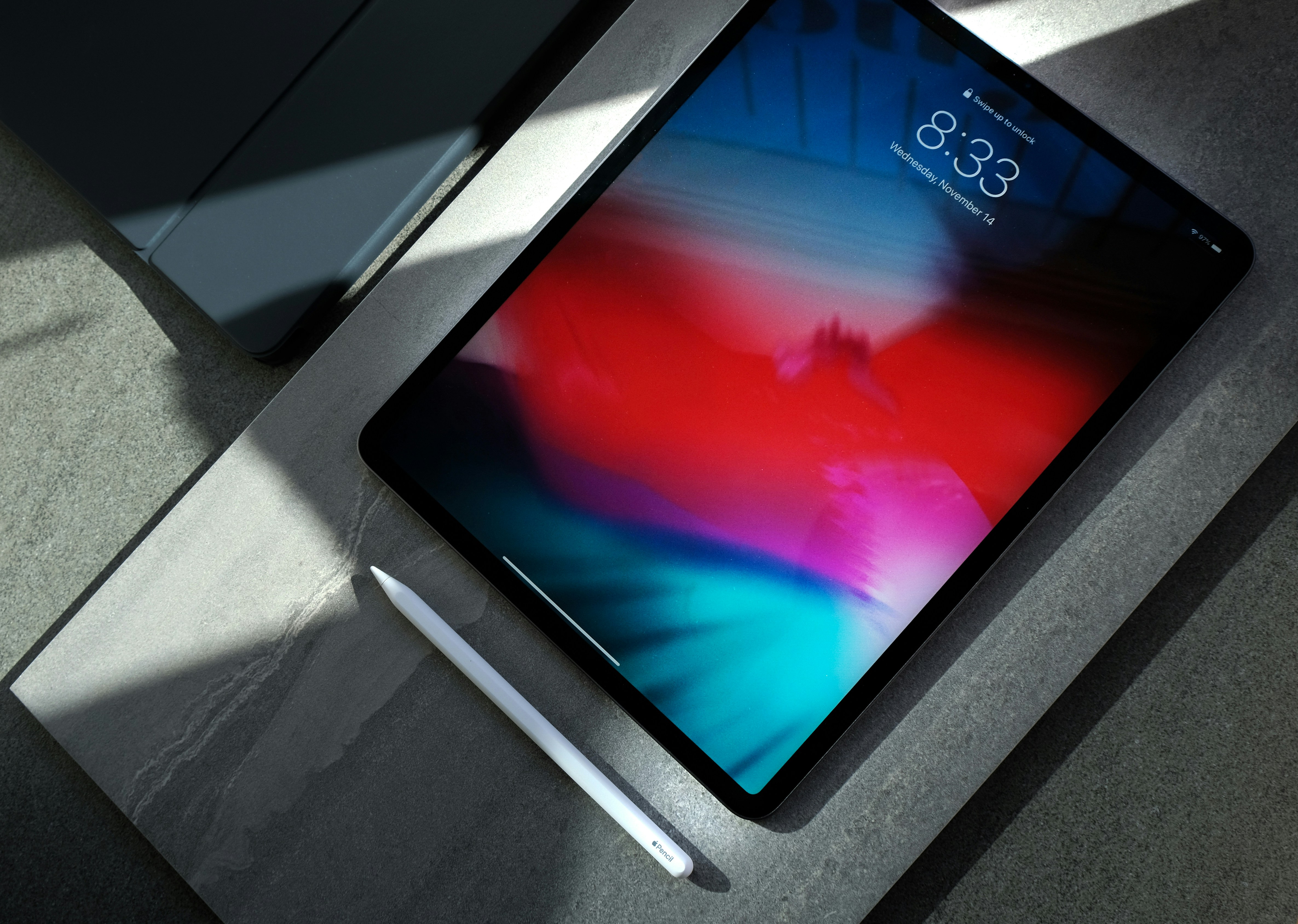
If the device still holds a charge, it might have a second life. However, if the screen is shattered or the software is too slow for modern apps, you should recycle electronics at best buy. Their program is robust and handles the intricate components found in modern consumer electronics with care.
Obsolete Smart Home Gears (Hubs & Cameras)
The rapid growth of the "Internet of Things" means that many early smart home hubs and security cameras are now obsolete hardware. These devices often rely on cloud servers that manufacturers eventually shut down. Once the software support ends, these items become "bricks" that pose a security risk. Older cameras may have unpatched vulnerabilities that hackers could exploit.
When you decide to trade in old smart home gadgets, check with the original manufacturer first. Companies like Amazon offer trade-in programs for their Echo and Ring devices, often giving you a discount on a newer model plus a small gift card. This facilitates a circular economy where the manufacturer takes responsibility for the hardware lifecycle.
Safety Warning: Smart home devices often contain sensitive network configurations. Always perform a hard reset using the physical pinhole button on the back of the device to clear your Wi-Fi credentials before disposal.
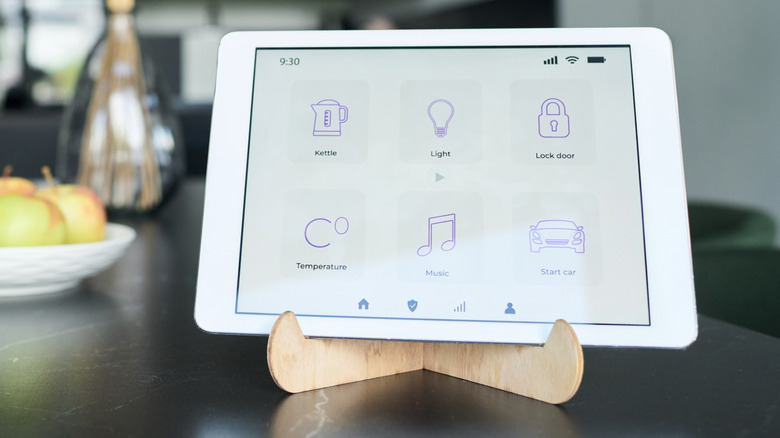
Digital decluttering in the smart home space isn't just about making room on your shelves; it is about closing potential backdoors into your home network. If your hub is no longer receiving security updates, it is time to look into e-waste management options rather than letting it sit plugged in.
Tangled Legacy Cables and Power Adapters
Almost every home has a "mystery box" of tangled wires. From old VGA cables to proprietary chargers for phones that no longer exist, legacy cables contribute significantly to the weight of household e-waste. While they seem harmless, they contain valuable copper, silver, and even gold that can be reclaimed.
The best way to dispose of old cables and wires is to bundle them neatly and take them to a retail drop-off point. Most people don't realize that these items are highly sought after by certified recyclers because the plastic insulation and metal cores are easily separated and repurposed.
| Item Type | Recycling Difficulty | Tip |
|---|---|---|
| Standard USB Cables | Low | Can be dropped in almost any electronics bin. |
| Thick Power Bricks | Medium | Contains heavy transformers; best for retail drop-off. |
| Damaged/Frayed Wires | Low | Still valuable for metal weight; do not throw in trash. |

Landfill diversion is the primary goal here. When cables are thrown in the trash, they eventually break down and leach heavy metals into the soil. By taking them to a dedicated facility, you are ensuring those raw materials stay in the production loop.
Old Gaming Consoles and Peripherals
Gaming tech moves fast, and while a PlayStation 2 might have sentimental value, it is likely just taking up space. However, gaming consoles are unique because they often retain significant resale value. Before you head to a recycling center, research whether your console falls into the "vintage collectible" category. Retrotech enthusiasts are often willing to buy non-working units for parts.
If you want to recycle electronics for cash, check local gaming shops or large platforms like GameStop. For non-functional consoles, retail programs are your best bet. Remember to remove any discs and clear your user profile from the internal storage.
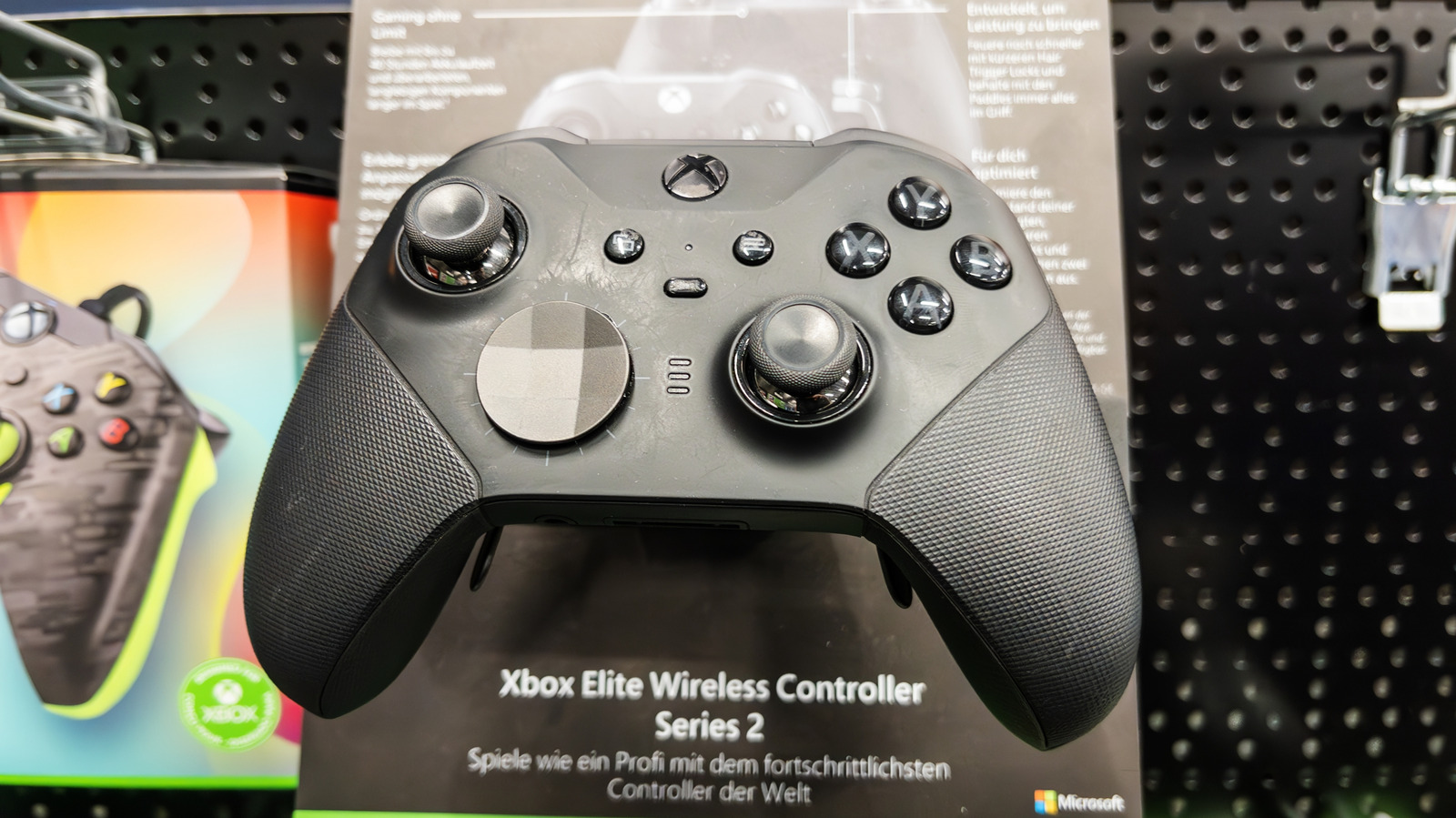
If the hardware is truly dead, it belongs in the e-waste stream. Gaming controllers, in particular, are prone to "stick drift" and internal wear. These peripherals contain complex circuit boards and small lithium batteries that require professional e-waste management to avoid environmental hazards.
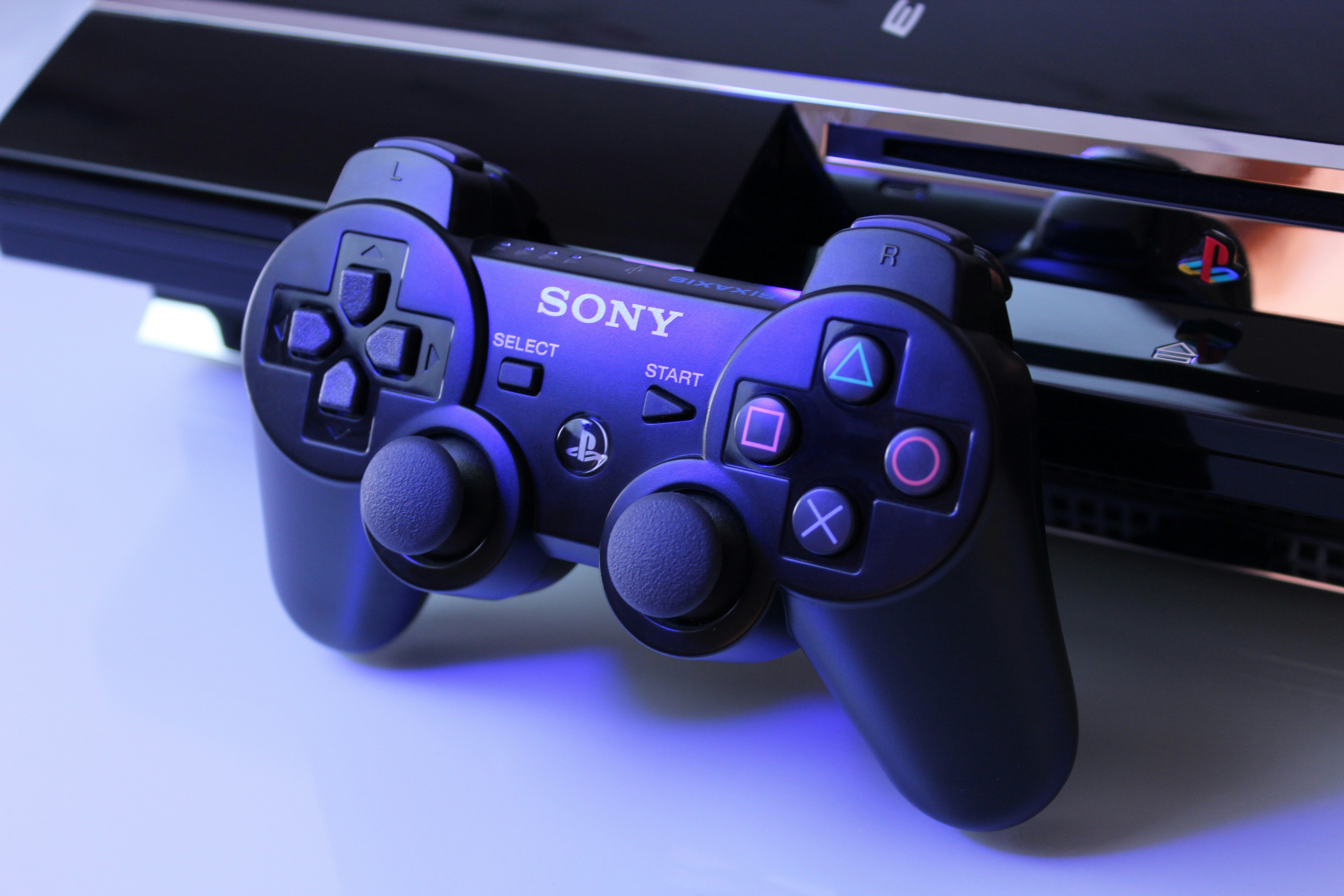
Properly handling these devices helps mitigate the growing volume of electronic waste. Whether you sell, donate, or recycle, the goal is to keep these complex materials out of the general waste stream.
CRT Monitors and Old Tube TVs
The heavy, boxy televisions of the 1990s are some of the most difficult items to dispose of. These Cathode Ray Tube (CRT) monitors and TVs can contain up to eight pounds of lead, along with mercury and cadmium. Because of this hazardous material, many standard recycling programs and municipal curbside pickups will not accept them.
To manage this hazardous e-waste, you must seek out certified recyclers. These facilities have the specialized equipment needed to safely break the vacuum seal of the glass tube and extract the leaded glass without releasing toxic dust into the air.
Hazard Warning: Never attempt to take apart an old CRT monitor yourself. The high-voltage capacitors can hold a dangerous electrical charge long after the unit has been unplugged, and the glass is under high pressure.
Finding how to recycle old electronics like these often requires a bit more effort. Check your local municipal drop-off sites or look for special community e-waste events. Some areas charge a small fee for CRT disposal due to the high cost of processing leaded glass, but it is a necessary investment for the safety of your local environment.

Where to Drop Off: A Guide to Free Recycling
Navigating the world of e-waste can be confusing, but several national programs make it easier to find where to recycle electronics near me.
- Best Buy: This is one of the most comprehensive programs in the U.S. They generally allow you to drop off up to three items per household per day. They accept everything from hair dryers to tablet computers, though they may charge a fee for large items like monitors in certain states.
- Staples: Perfect for office-related e-waste. You can recycle electronics for free including printers, scanners, and even old monitors (limited to office tech). They often offer rewards points for recycling ink and toner cartridges.
- Goodwill (Dell Reconnect): Does goodwill recycle electronics? Yes, through a partnership with Dell. Most Goodwill locations will accept any brand of computer equipment in any condition. The program ensures that the components are either refurbished for resale or responsibly recycled.
- Manufacturer Programs: If you have a specific brand like Apple or Samsung, their trade-in portals are excellent. Even if your device has no trade-in value, they will often provide a prepaid shipping label so you can mail it back for responsible recycling.
Always check the specific retailer’s website before heading out, as policies can vary by location and current warehouse capacity. Using these resources ensures that your effort to declutter also supports a sustainable, circular economy.
FAQ
What is the best way to get rid of old electronics?
The most effective approach follows a hierarchy: first, try to trade in the device for cash or store credit; second, donate functional items to local charities or schools; and finally, if the item is broken or truly obsolete, take it to a retail recycling drop-off like Best Buy or a certified e-waste facility. This ensures the longest possible lifecycle for the hardware while keeping hazardous materials out of landfills.
Does Best Buy still do electronic recycling?
Yes, Best Buy continues to operate one of the largest retail recycling programs in the country. They accept a wide variety of electronics, including computers, tablets, and small appliances. While most items are free to recycle, they may charge a fee for certain items like televisions or monitors depending on local state laws and the size of the unit.
Does Home Depot take electronic recycling?
Home Depot primarily focuses on specific types of recycling rather than general consumer electronics. They are a great choice for recycling rechargeable batteries and compact fluorescent light bulbs (CFLs). However, for items like computers, tablets, or gaming consoles, you are better off visiting a dedicated electronics retailer like Staples or Best Buy.
Where to drop off electronics for recycling near me?
To find the closest location, you can use online tools like the Earth911 search engine or the Call2Recycle locator. Most people live within a short drive of a Best Buy, Staples, or Goodwill participating in the Dell Reconnect program, all of which are reliable options for dropping off common household gadgets.
What electronics cannot be recycled?
While most gadgets are recyclable, items containing hazardous fluids (like refrigerators or air conditioners) usually require specialized municipal handling. Additionally, smoke detectors are often rejected by standard e-waste programs because they contain small amounts of radioactive material. Some retailers also refuse large CRT televisions due to the high costs associated with lead disposal.