Our Top Picks
- Best Overall OLED: The LG G6 Series is the overall best oled tv 2026, offering a perfect balance of brightness, AI processing, and gaming features for most high-end users.
- Best for Movies: The Sony Bravia 8 II is the best oled tv for movies thanks to its peerless color volume and cinematic motion handling driven by the XR Processor.
- Best for Gaming: The Samsung S95H is the best oled tv for gaming, featuring a native 165Hz refresh rate and the highest peak brightness for aggressive HDR highlights.
The LG G6 Series is the premier OLED TV choice for 2026, featuring the Alpha 11 Gen 3 AI Processor and Primary RGB Tandem Panel 2.0. This flagship model delivers industry-leading brightness and perfect black levels, supported by a native 165Hz refresh rate and four HDMI 2.1 ports, making it ideal for both high-end home theaters and competitive gaming setups.
| Model | Panel Tech | Peak Brightness | Refresh Rate | Best For |
|---|---|---|---|---|
| LG G6 | Tandem OLED | 3,200+ Nits | 165Hz | All-Round Performance |
| Sony Bravia 8 II | QD-OLED | 3,000 Nits | 144Hz | Cinematic Accuracy |
| Samsung S95H | QD-OLED | 4,500 Nits | 165Hz | Bright Rooms & Gaming |
| LG C6 | WOLED (MLA) | 2,100 Nits | 144Hz | Price-to-Performance |
| Samsung S90F | QD-OLED | 2,000 Nits | 144Hz | Mid-Range Gaming |
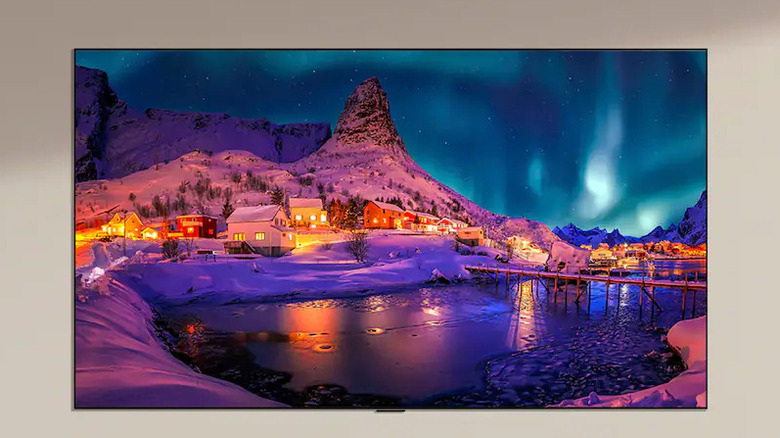
The All-Rounder King: LG G6 Series OLED evo
If you have spent any time tracking panel evolution, you know that brightness has long been the final frontier for self-emissive displays. For 2026, LG has finally shattered the ceiling with the Primary RGB Tandem Panel 2.0. By stacking two light-emitting layers, the LG G6 achieves a 27% brightness improvement over the previous G5 model, without significantly increasing the risk of burn-in.
The secret sauce here is the Alpha 11 AI Processor. This third-generation silicon does not just upscale; it understands the context of the scene. When watching a blockbuster, the processor identifies faces and primary objects, Applying localized contrast enhancements that create a "pop" previously reserved for high-end mastering monitors. For the everyday user, this means best oled tvs 2026 performance that looks spectacular whether you are watching a news broadcast or the latest 4K Blu-ray.
LG’s commitment to longevity is also a major selling point. They are promising five years of webOS updates, ensuring your smart interface does not feel like a relic by 2030. With four full-bandwidth HDMI 2.1 ports and a sleek, zero-gap wall mount design, the G6 remains the most versatile best oled tvs option on the market.
Lifestyle Impact: The Modern Living Room
- Infinite contrast: Perfect for late-night movie marathons where black levels are non-negotiable.
- AI upscaling: Breathes new life into legacy 1080p content and low-bitrate streaming apps.
- 165Hz gaming: Provides a buttery-smooth experience for PC gamers and next-gen console enthusiasts.
Expert Console Tip: Use the Game Optimizer menu to toggle the Prevent Input Delay (Boost) mode. Even though the LG G6 is already fast, this setting shaves off those final milliseconds needed for competitive shooters.
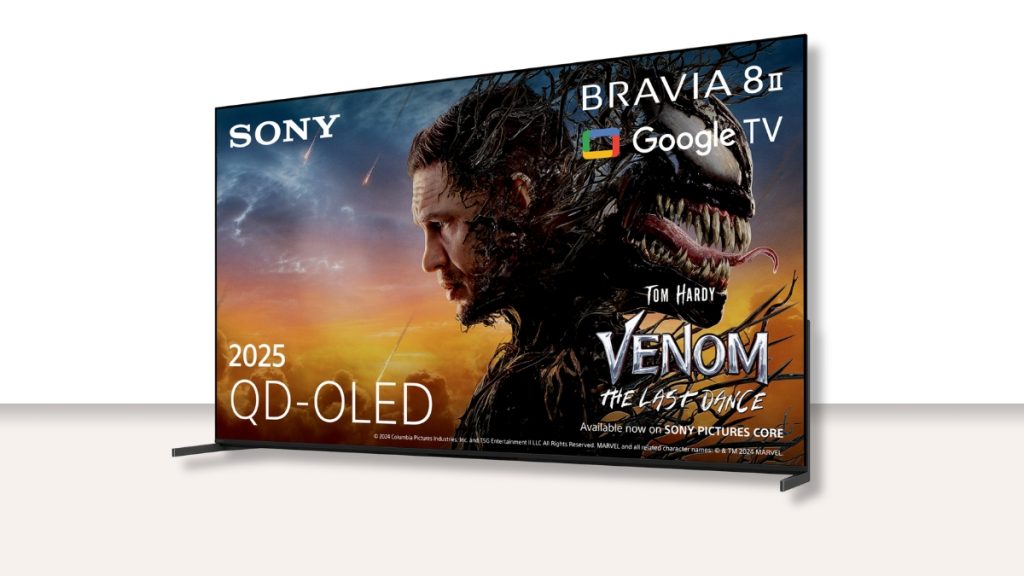
The Cinephile's Dream: Sony Bravia 8 II
While other brands chase raw nit counts, Sony continues to double down on creative intent. The Sony Bravia 8 II uses the latest QD-OLED technology to deliver a color spectrum that WOLED panels simply cannot match. When you watch a sunset in a film, the Sony does not just make it bright; it reproduces the subtle shifts in orange, red, and purple with stunning accuracy.
The heart of this machine is the Sony XR Processor. Sony’s motion handling remains the gold standard in the industry. It avoids the dreaded "soap opera effect" while ensuring that fast-panning shots in action films remain clear and free of judder. For those who consider themselves the cinema purist, the Filmmaker Mode on this set is the most accurate I have tested, requiring almost no calibration out of the box.
Audio is another area where Sony leads. The Acoustic Surface Audio Plus technology uses actuators behind the panel to turn the entire screen into a speaker. In a movie, when a character speaks on the left side of the frame, the sound actually comes from the left side of the screen. It creates an immersion that most thin-profile best oled tvs for movie lovers fail to achieve without a dedicated soundbar.
Lifestyle Impact: The Enthusiast Home Theater
- Wide viewing angles: The QD-OLED panel ensures that every seat in the room is the best seat.
- Dolby Vision support: Optimized for the highest quality streaming and physical media formats.
- Acoustic Surface: Simplifies your setup if you don't want a bulky external sound system.
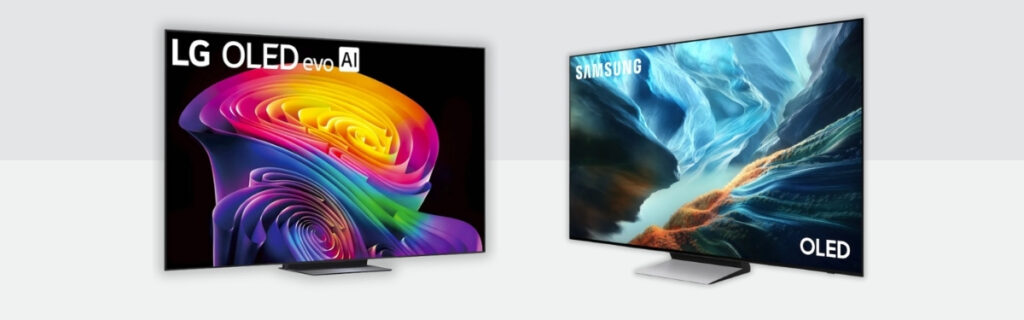
The Ultimate Gamer's Pick: Samsung S95H
Samsung has taken the lead in the "brightness wars" of 2026. The S95H features a flagship panel capable of producing 4,500 nits of brightness. This is a staggering 35% increase in peak brightness over the S95F from last year. For gamers, this means HDR highlights—like a muzzle flash or sunlight reflecting off a car hood—have a visceral, blinding quality that adds to the realism.
The Samsung S95H is undisputed as the best oled tv for gaming. It supports a native 165Hz refresh rate, which is a massive boon for PC gamers using high-end GPUs. When combined with Variable Refresh Rate (VRR) and Freesync Premium Pro, screen tearing becomes a thing of the past. The NQ4 AI Gen 3 processor also introduces a new "Auto Game Mode" that uses AI to detect the genre of the game you are playing, automatically adjusting the latency and color profile for genres like RPGs or FPS titles.
Beyond gaming, the anti-glare coating on the Samsung S95H is the best in its class. If you have a room with large windows, this QD-OLED panel maintains its deep blacks and vibrant colors even during high-noon, making it a viable alternative to high-end Mini-LED sets.
Buy vs. Skip: Gaming Features
- Buy if: You own a high-end PC or plan on getting the next generation of consoles. The 165Hz refresh rate is the new benchmark for high-performance displays.
- Skip if: You only watch broadcast TV or older movies. You won't be able to utilize the high refresh rate or the extreme HDR highlights.

The Panel Lottery & Value Picks: LG C6 and Samsung S90F
Not everyone needs a $4,000 flagship. In 2026, the mid-range market has become incredibly competitive because the production cost for a 65-inch OLED panel is projected to fall below $500 in 2026. This cost-saving is being passed directly to the consumer, making best budget oled tvs more accessible than ever.
The LG C6 is the successor to a long line of "sweet spot" televisions. While it lacks the Tandem OLED tech of the G6, it utilizes an improved Micro Lens Array (MLA) to reach brightness levels that were flagship-tier just two years ago. It remains the best rated oled tvs for picture quality for buyers who want the core gaming features like four HDMI 2.1 ports and a dedicated Game Optimizer without the luxury tax.
The Samsung S90F is the primary competitor here, often found at a lower price point during holiday sales. However, buyers should be aware of the "panel lottery." Samsung often mixes WOLED and QD-OLED panels in this series depending on the screen size. Generally, the 55, 65, and 77-inch models are the ones to watch for if you want the superior color volume of QD-OLED technology.
Lifestyle Impact: The Everyday User
- Perfect black levels: Still offers that signature OLED look for a fraction of the flagship price.
- 144Hz support: More than enough for current-generation consoles like the PS5 or Xbox Series X.
- Reliable pricing: The C6 usually sees the most aggressive discounts during Black Friday.
Buying Strategy: What to Look for in 2026
As we navigate the 2026 landscape, the narrative has shifted from "can OLED be bright enough?" to "how much brightness do you actually need?" With the 4,500-nit breakthrough, we have reached a point of diminishing returns for dark-room viewing. If you primarily watch movies at night, spending extra for the highest nit count might not be as beneficial as investing in a panel with better color accuracy like the Sony.
Another trend to watch is the standardizing of high refresh rates. For best oled tv 2026 selection, 144Hz is now the baseline, with top-tier models pushing to 165Hz. If you are a gamer, do not settle for a 60Hz or even a 120Hz panel if you are shopping in the premium category.
Lastly, consider the physical setup. Several brands are pushing wireless connection boxes to make the TV thinner. My advice? Skip the expensive wireless hubs. They often add latency and proprietary cables that make future repairs difficult. Focus your budget on the display quality and the AI upscaling capabilities, as these will have a much larger impact on your daily enjoyment.
Quick Checklist for 2026 Buyers
- Ensure at least two ports support HDMI 2.1 for future-proofing.
- Look for a processor that specifically mentions AI upscaling for lower-quality streams.
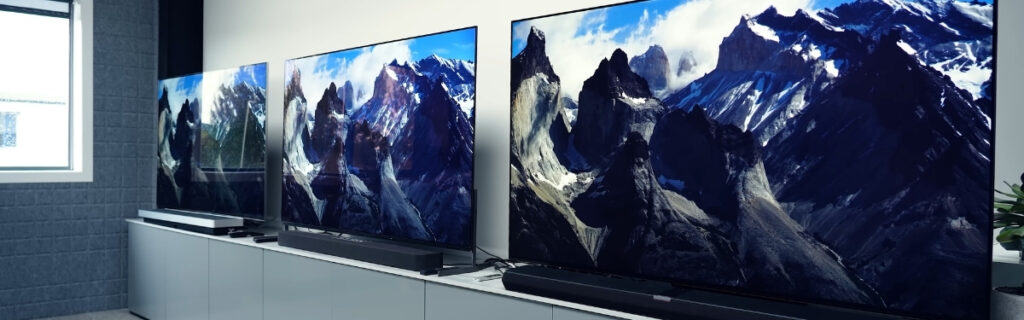
- Check the stand design; many modern best oled tvs sit very low, which may block your soundbar.
FAQ
Which brand of OLED TV is the best?
There is no single winner, but the market is generally divided into three leaders. LG is considered the leader in overall versatility and gaming features. Sony is widely regarded as the best for cinematic accuracy and motion processing. Samsung currently leads in raw brightness and color vibrancy thanks to its aggressive implementation of QD-OLED technology.
What is the best OLED TV to buy now?
For most people, the LG G6 Series is the best oled tv 2026 has to offer because it excels in every category—gaming, movies, and bright-room performance. However, if you are on a budget, the LG C6 or the Samsung S90F provide approximately 85% of the performance for nearly half the price.
Is OLED or QLED better?
OLED is superior for dark-room viewing and movie lovers because every pixel can turn off completely, creating perfect black levels and infinite contrast. QLED (or Mini-LED) is typically better for extremely bright environments, like a sun-drenched sunroom, because it can reach higher sustained brightness levels, though it lacks the precision and viewing angles of OLED.
Does OLED reduce eye strain?
OLED panels are generally better for eye comfort because they emit less blue light than traditional LED-backlit LCDs. Additionally, because OLEDs do not use a flickering backlight for dimming (they dim at the pixel level), they can reduce the headaches associated with pulse-width modulation (PWM) flickering that some sensitive users experience with QLED TVs.
Who is the king of OLED TV?
The title of king of OLED TV is usually a battle between the LG G-series and the Sony A-series (now Bravia 8/9 series). In 2026, the LG G6 holds the crown for technical specs and gaming, while the Sony Bravia 8 II remains the king for pure cinephiles who want the most accurate image possible.
What is the most reliable brand of OLED TV?
LG and Sony consistently rank high for reliability and long-term support. LG has a slight edge in reliability data due to their longer history of manufacturing OLED panels at scale. However, most modern OLEDs from Samsung, Sony, and LG are built to last 7 to 10 years under normal viewing conditions, provided you avoid leaving static images on the screen for hundreds of hours.