Quick Facts
- Market Leader: Xiaomi currently holds an 8.84% global mobile vendor market share, nearly tripling the reach of Google and Motorola combined.
- Top Flagship: The Xiaomi 15 Ultra, powered by the Snapdragon 8 Elite, offers performance benchmarks that rival and often exceed the upcoming iPhone 17 Pro Max.
- Best Value: The Redmi series provides high-capacity battery units and reliable performance for as little as $150 to $200.
- Camera Edge: Professional-grade Leica-tuned 200MP camera systems offer a distinct aesthetic advantage over standard mobile sensors.
- Software Longevity: HyperOS now matches Apple with a 7-year software update commitment for flagship devices, ensuring long-term device security.
- Rapid Growth: Xiaomi recorded a 27% year-over-year shipment growth in 2024, the fastest among the world's top five smartphone manufacturers.
Xiaomi is currently the premier iphone alternatives provider globally, offering superior hardware value and 14% shipment shares that significantly outperform Google Pixel and Motorola. For those seeking the best iphone alternative 2026, Xiaomi's specialized Leica optics and HyperOS ecosystem offer the most seamless transition from iOS for users who demand flagship performance without the Apple tax.
The Global Shift: Why Xiaomi Leads the iPhone Alternative Market
When we discuss the smartphone landscape, the conversation in the United States often feels like a two-party system between Apple and Samsung. However, if you look at the global stage, the reality is shifting rapidly. As of May 2026, data shows that Xiaomi has solidified its position as the third-largest smartphone manufacturer in the world. With an 8.84% global mobile vendor market share, Xiaomi has managed to build a massive lead over regional favorites like Motorola at 3.37% and Google at 2.69%.
The reason for this dominance isn't just about being a cheap alternative to iphone. It is about global distribution reach. While Google Pixel and Motorola devices are often tied to specific carrier contracts and select Western markets, Xiaomi has established a footprint in over 100 countries. This allows them to scale production and innovate faster. In the second quarter of 2024 alone, the company recorded a 27% year-over-year shipment growth, proving that their formula of value-heavy hardware is winning over users who are tired of the annual $1,000 upgrade cycle.
Xiaomi’s strategy involves reaching every corner of the premium smartphone segment while simultaneously dominating the entry-level tiers. This multi-pronged approach means they can invest more in R&D, leading to breakthroughs in charging speeds and camera sensors that brands with smaller market shares simply cannot afford to replicate at the same pace.
Flagship Mastery: Xiaomi 15 Ultra vs. iPhone 17 Pro Max
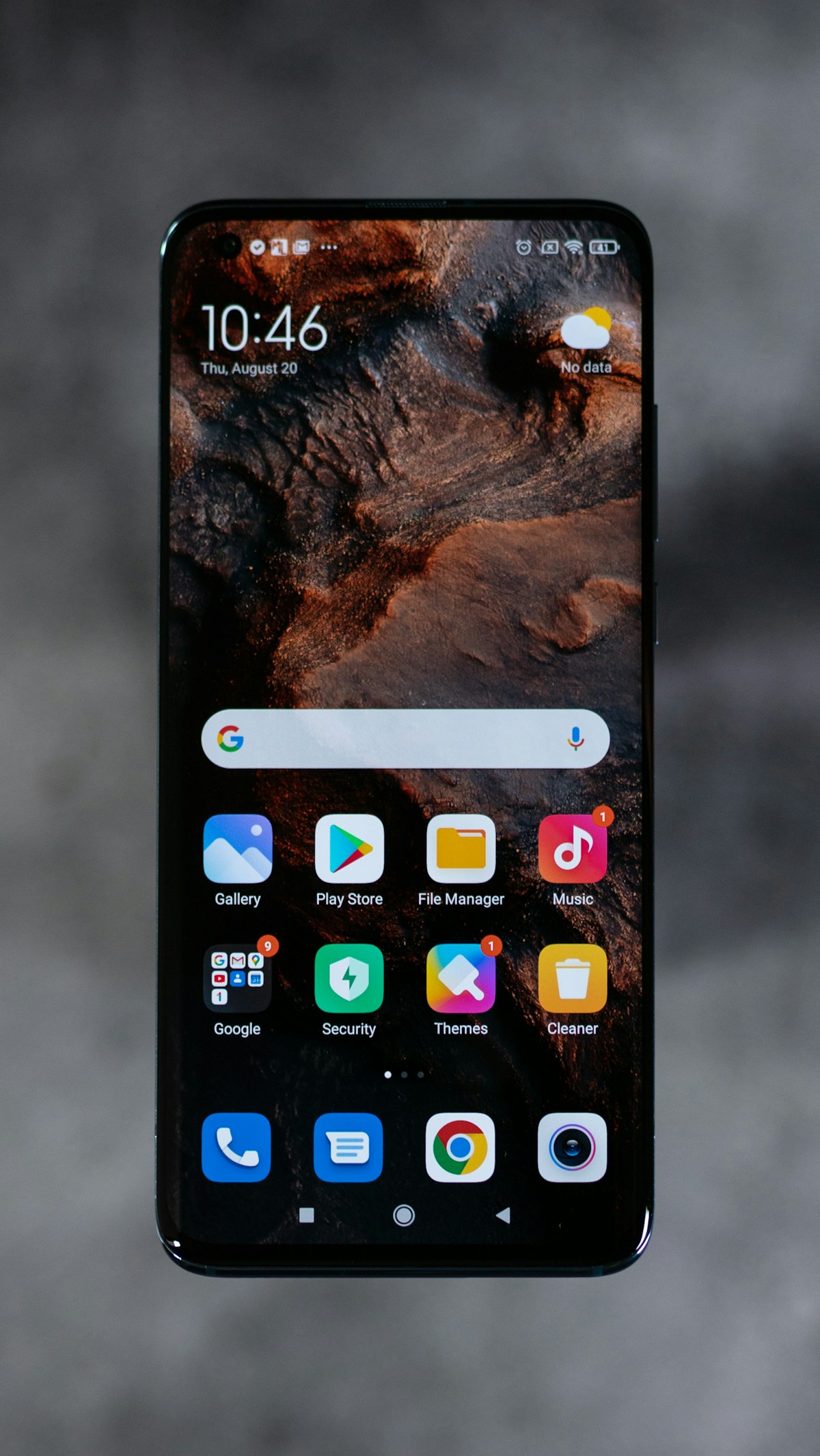
As we look toward the next generation of mobile technology, the competition for the best iphone alternative 2026 is heating up. For power users who typically eye the Pro Max models, the Xiaomi 15 Ultra stands out as the most capable contender. While Apple is expected to refine its A-series chips, Xiaomi is leveraging the Snapdragon 8 Elite, a chipset that has already begun to redefine flagship performance with benchmark scores exceeding 3 million points.
The hardware comparison goes beyond raw speed. For instance, Xiaomi has focused heavily on the physical elements of the phone that users touch and use every day. Their customized user interface, HyperOS, has been rebuilt from the ground up to minimize latency and improve the fluidity of animations, making it one of the few phones that look similar to iphone 17 in terms of software smoothness.
| Feature | Xiaomi 15 Ultra | iPhone 17 Pro Max (Expected) |
|---|---|---|
| Processor | Snapdragon 8 Elite | A19 Pro Bionic |
| Primary Camera | 1-inch 200MP Leica Main Sensor | 48MP Main Sensor |
| Fast Charging | 100W Wired / 80W Wireless | ~27W-30W Wired |
| Display | 3000-nit LTPO AMOLED | 2000-nit Super Retina XDR |
| Refresh Rate | 1-120Hz Dynamic | 1-120Hz ProMotion |
One of the most significant advantages Xiaomi holds is in the camera department. Through their strategic partnership with Leica, Xiaomi has moved past the "over-processed" look common in many Android devices. The Xiaomi 15 Ultra utilizes a periscope lens and professional-grade optics that provide a natural depth of field and color science that even the most dedicated iPhone photographers find impressive. When you consider that these iphone 17 pro max alternatives also offer 100W fast charging—capable of a full charge in under 30 minutes—the convenience factor begins to outweigh the prestige of the Apple logo.
The Budget Champion: Why Redmi Beats Google and Motorola Mid-Rangers
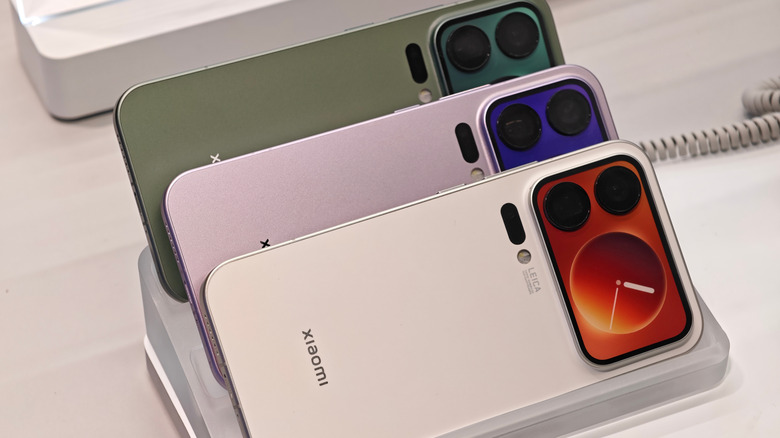
While flagships grab the headlines, the real battle for market share happens in the mid-range and entry-level segments. This is where the Redmi sub-brand shines. In many global markets, the Redmi A5 has become a top-10 bestseller by offering a reliable user experience for a fraction of the cost of a flagship.
When people search for a cheap alternative to iphone, they are often directed toward the Google Pixel "a" series or the Motorola Moto G lineup. However, Xiaomi’s pricing strategy is significantly more aggressive. A typical Redmi device in the $150 to $200 range often includes a high-capacity battery—frequently 5000mAh or 6000mAh—which can easily last two full days. In contrast, Google and Motorola budget options often compromise on battery size or charging speed to keep costs down.
The Redmi A5 success story is built on its ability to provide value-for-money hardware that doesn't feel "cheap." You get a high-refresh-rate screen and a modern design that feels sturdy in the hand. For a student or a professional looking for a secondary device, these are the best budget android phone with long battery life available today. By focusing on mass-market appeal, Xiaomi creates an entry point into their ecosystem that Google’s more niche Pixel line simply hasn't matched in terms of sheer volume.

Closing the Longevity Gap: HyperOS and Software Stability
Historically, the biggest hurdle for anyone switching from ios to xiaomi help was software. Android skins used to be cluttered, and update cycles were unpredictable. That changed with the introduction of HyperOS. This new software ecosystem stability is designed to connect not just phones, but tablets, wearables, and even smart home devices into one seamless experience.
Xiaomi has also neutralized Apple’s biggest advantage: longevity. For its flagship devices, Xiaomi now commits to a 7-year software update cycle. This means a Xiaomi 15 Ultra purchased today will remain secure and feature-rich well into the 2030s. This commitment to software longevity is crucial for users who are used to the 5-7 years of support Apple typically provides.
For users worried about the transition, HyperOS includes built-in tools to assist with data migration from iCloud. It mimics the gesture-based navigation of iOS while offering a customized user interface that allows for much deeper personalization. You can change everything from the lock screen typography to the system icons, a level of freedom that makes the transition feel like an upgrade rather than a compromise.
FAQ
What is the best alternative to iPhone?
Xiaomi is currently considered the best alternative to iPhone due to its massive global market share and high-end hardware. Devices like the Xiaomi 15 Ultra offer comparable build quality and superior charging speeds, while the Redmi series provides the best value for budget-conscious users.
Who is iPhones biggest competitor?
While Samsung remains the largest competitor by volume in the premium Android space, Xiaomi is the fastest-growing challenger globally. With a 14% shipment share and 27% year-over-year growth, Xiaomi is successfully capturing users who previously only considered Apple or Samsung.
What should I replace my iPhone with?
If you want a similar premium feel and a top-tier camera, the Xiaomi 15 Ultra is the ideal replacement. For those looking to save money without losing essential features like long battery life and a sharp screen, the Redmi series or the standard Xiaomi 15 models are excellent choices that provide a smooth transition via HyperOS.
Do rich people use iPhone or Android?
While there is a high concentration of iPhone users in affluent Western demographics, the premium Android market is booming globally. Many professionals and tech enthusiasts choose high-end Android devices like the Xiaomi Ultra series for their advanced camera optics, faster charging, and the flexibility of an open software ecosystem.
Choosing Your Next Device
The decision to switch away from the Apple ecosystem is often driven by a desire for better hardware value or a need for features that the iPhone simply doesn't offer yet. Whether you are a photography enthusiast looking for Leica-tuned lenses or a budget-conscious buyer needing a phone that lasts two days on a single charge, Xiaomi’s diverse lineup provides a compelling answer.
With the 8.84% global mobile vendor market share continuing to rise, Xiaomi has proven it has the scale and the innovation to lead the pack of iphone alternatives. As we head into 2026, the gap between Apple’s flagship and Xiaomi’s Ultra line has never been thinner, making this the perfect time to explore what the other side of the fence has to offer.