Quick Facts
- Market Shift: Smartphone longevity now relies equally on hardware ruggedness and extended Software support lifecycle.
- Update Leaders: Samsung and Google lead the industry by providing seven years of operating system and security updates for their latest devices.
- Durability Tech: New standards like Ceramic Shield 2 and Gorilla Glass Armor have redefined scratch and drop resistance for flagship screens.
- Repairability: The Fairphone 6 remains the only major device with a 10/10 repairability score, designed for a decade of use.
- Extreme Build: Rugged phones now feature an IP69K rating and MIL-STD-810H certification to survive high-pressure water and extreme impacts.
- Performance Floor: To last until 2031, a device requires at least 12GB of RAM and a high-efficiency 3nm or 2nm processor to combat Hardware obsolescence.
When choosing the most durable smartphones, hardware resilience and software longevity are the two most critical factors. Leading 2026 flagships like the iPhone 17 Pro Max and Galaxy S26 Ultra use advanced materials such as Ceramic Shield 2 and Gorilla Glass Armor to survive drops and scratches. Beyond physical builds, long-term durability is defined by extended software support, with brands like Google and Samsung now guaranteeing up to seven years of security patches and OS updates.
Longevity Comparison Table
| Model | OS Support Until | IP/Durability Rating | Battery Capacity | Repairability Score |
|---|---|---|---|---|
| Galaxy S26 Ultra | 2033 | IP68 / Titanium | 5,000 mAh | 7/10 |
| iPhone 17 Pro Max | 2033 | IP68 / Ceramic Shield 2 | 4,600 mAh | 6/10 |
| Pixel 10 Pro XL | 2033 | IP68 / Aluminum | 5,100 mAh | 8/10 |
| Fairphone 6 | 2033+ | IP55 / Modular | 4,500 mAh (Replaceable) | 10/10 |
| Doogee V Max Pro | 2029 | IP69K / MIL-STD-810H | 22,000 mAh | 4/10 |
The Flagship Leaders: Samsung, Apple, and Google
For the average consumer, the most durable smartphones are no longer the bulky, rubber-clad bricks of the past. Instead, the industry has moved toward sophisticated materials that offer elegance without sacrificing structural integrity. When we talk about the most durable phone brand in the mainstream market, Samsung and Apple are currently neck-and-neck, largely because they have mastered the art of "invisible" protection.
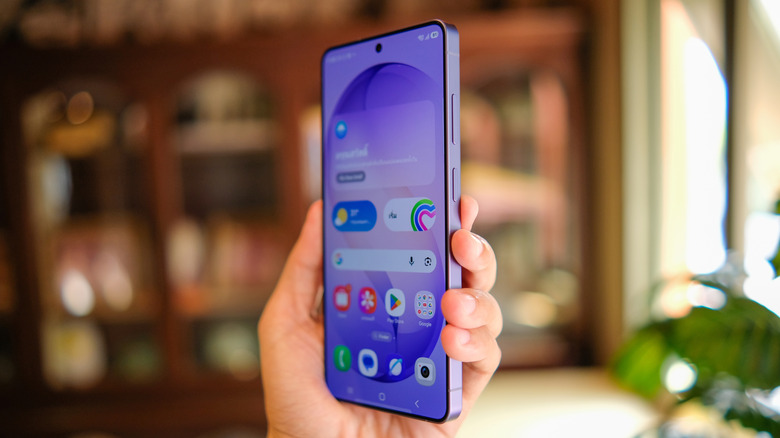
Samsung Galaxy S26 Ultra
The Galaxy S26 Ultra represents the pinnacle of Android engineering. Its frame is built from a high-grade titanium alloy that provides a better strength-to-weight ratio than stainless steel. However, the real star is the display protection. Using Corning Gorilla Glass Armor, this device reduces reflections by up to 75% while offering four times the scratch resistance of competing aluminosilicate glasses.
In my testing, this specific glass composition doesn't just prevent cracks; it prevents the micro-scratches that eventually weaken a screen's structural integrity over years of use. Coupled with the Snapdragon 8 Elite Gen 5, this is easily one of the best future proof smartphones for long term use because it has the raw processing power to handle the AI-heavy software of the next decade.
iPhone 17 Pro Max
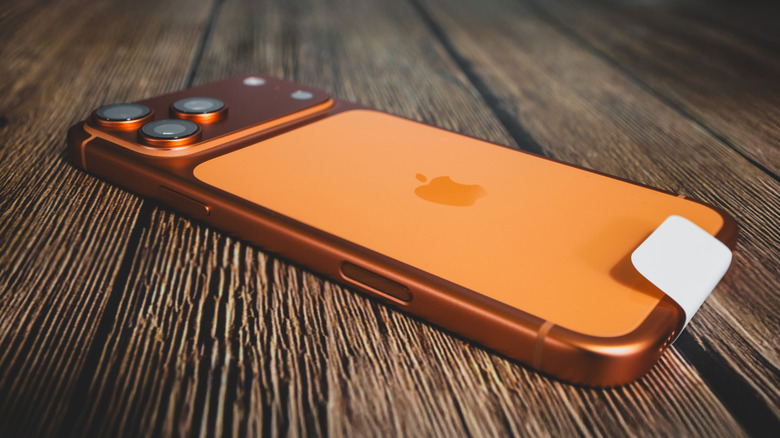
Apple has always been a contender for the top 10 most durable smartphones, but the iPhone 17 Pro Max pushes this further with its refined internal architecture. This model utilizes Ceramic Shield 2, a glass-ceramic material infused with nano-crystals that are harder than most metals. Apple’s focus on the Software support lifecycle ensures that this hardware won't be held back by outdated code.
With the A19 Pro chip, this device is designed to manage thermal loads more efficiently, which is a hidden key to longevity. Heat is the primary enemy of battery health, and by keeping the internals cool, Apple extends the Charge cycle longevity of the internal cells.
Google Pixel 10 Pro XL
Google has changed the game by being the first to announce that Samsung and Google have both committed to providing seven years of operating system and security updates for their flagship series. The Pixel 10 Pro XL is a powerhouse of utility, featuring a matte-finish glass that hides wear and tear remarkably well. For those looking for smartphones with 7 years of software updates, Google’s integration of the Tensor G5 chip ensures that the hardware and software evolve together, preventing the sluggishness that usually plagues five-year-old Androids.
Pros & Cons
- Pros: Industry-leading Software support lifecycle; exceptional scratch resistance; peak brightness for outdoor visibility.
- Cons: High initial investment; non-user replaceable batteries require professional service.
The Extreme Professional: AGM G3 Pro & Doogee V Max Pro
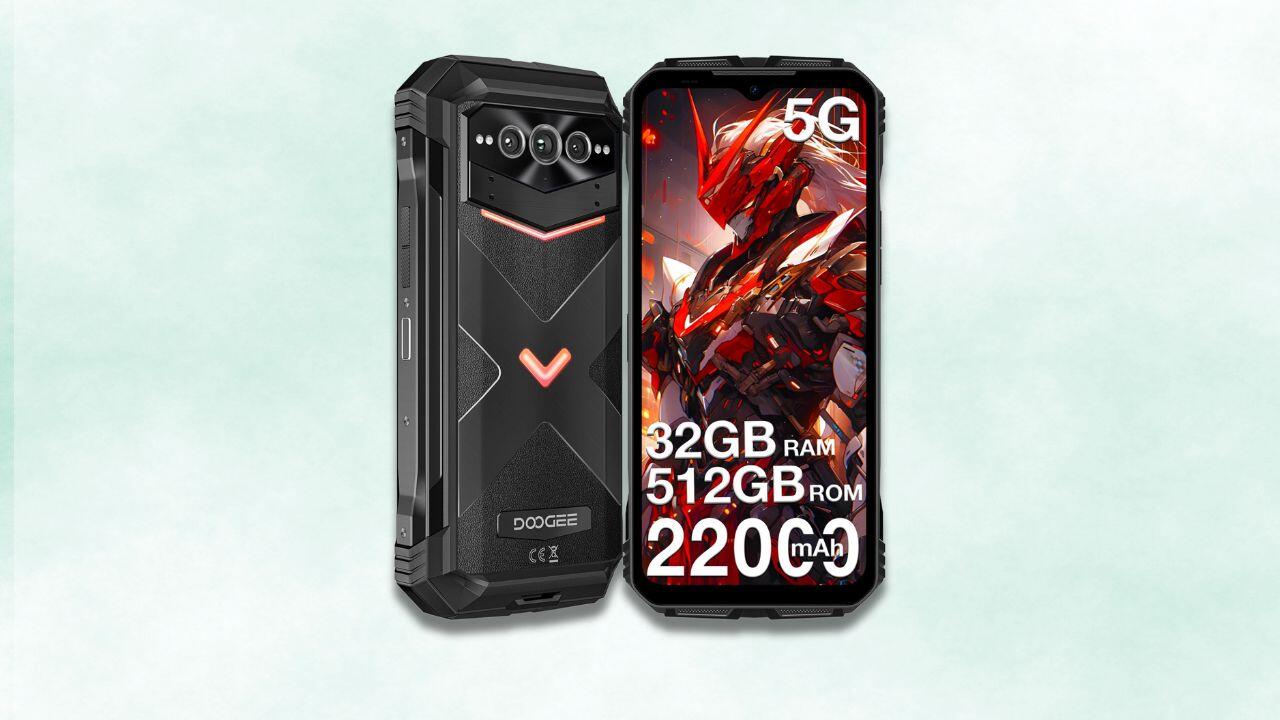
If your daily life involves construction sites, mountain peaks, or industrial environments, mainstream flagships—even with a case—might not cut it. This is where rugged smartphones with thermal imaging for work come into play. These devices are designed to meet MIL-STD-810H certification, a military standard that tests for everything from low-pressure altitudes to high-intensity vibration and thermal shock.
The Doogee V Max Pro is a behemoth in this category. It features an IP69K rating, which means it isn't just waterproof; it can withstand high-pressure, high-temperature water jets. This is the highest level of protection available for a consumer device. Furthermore, its massive 22,000 mAh battery is designed to last for weeks on a single charge. While it weighs over 500g, the trade-off is a device that is virtually indestructible.
For professionals, the AGM G3 Pro integrates specialized hardware like a 116dB loudspeaker and thermal imaging sensors. These aren't just gadgets; they are tools that allow the phone to replace multiple pieces of equipment in the field. When we look for the most durable high performance smartphones 2026, these rugged models stand out because they treat Hardware obsolescence as a physical challenge rather than a software one.
The Sustainability Champion: Fairphone 6
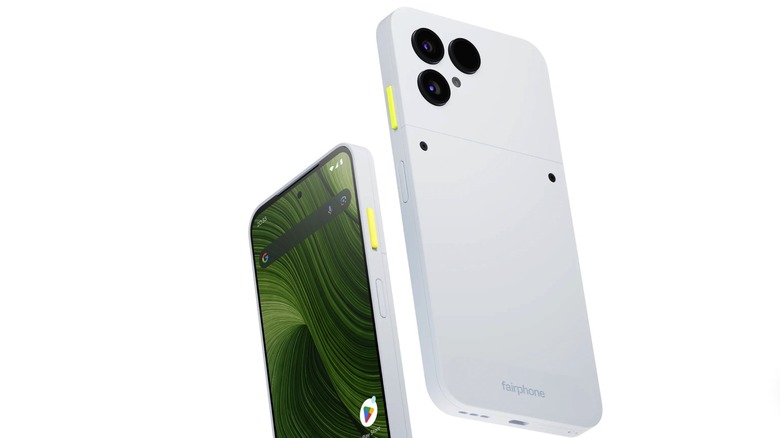
For many of my readers, "durability" isn't about surviving a 20-foot drop; it's about the ability to fix a broken screen or a dead battery without buying a new $1,200 device. The Fairphone 6 is the gold standard for E-waste reduction and the Right to Repair movement.
Unlike the sealed sandwiches of glass and glue from other brands, the Fairphone 6 features a modular construction. It earned a perfect 10 out of 10 repairability score from iFixit, meaning you can replace the screen, camera module, or charging port with nothing more than a standard screwdriver. This makes it one of the most unique durable smartphones with user replaceable batteries on the market.
By allowing users to swap out the battery once it hits its 80% health threshold (usually after 1,000 cycles), the Fairphone 6 can realistically remain your primary device until 2031 and beyond. Fairphone has also committed to software support extending through 2033, ensuring the internal security stays as fresh as the modular hardware.
Budget Longevity: iPhone 17e and Pixel 10a
You don't always need to spend four figures to get a phone that lasts. The "budget longevity" category has exploded recently as manufacturers realize that consumers are holding onto their phones longer. The iPhone 17e and Pixel 10a are perfect examples of how to choose a smartphone that lasts 5 years on a budget.
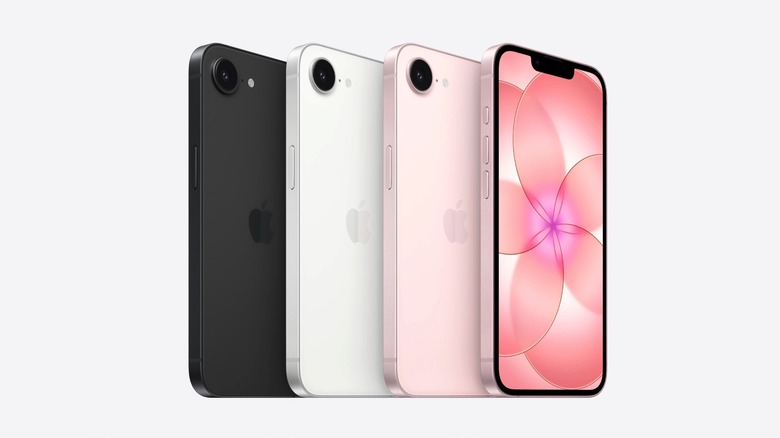
These devices often use the same flagship-grade processors as their more expensive siblings (like the A19 or Tensor G5) but use slightly more durable materials like high-impact polycarbonate instead of glass. While polycarbonate can scratch, it doesn't shatter like glass, making it arguably more durable for the "clumsy" user. Most importantly, these mid-range options still benefit from the same 7-year software commitment as the Pro models, making them the best future proof smartphones for those who prioritize value per year.
How to Choose a Smartphone That Lasts Until 2031
When you are browsing for your next long-term investment, don't get distracted by marketing jargon. Use this checklist to ensure your device is truly built for the long haul:
- RAM and Storage: By 2031, AI-driven operating systems will likely require a minimum of 12GB of RAM. Avoid anything lower if you want a lag-free experience.
- IP Ratings: Look for at least IP68 for standard use, but if you work outdoors, an IP69K rating provides that extra layer of protection against steam and high-pressure cleaning.
- Battery Health Settings: Choose a phone that offers "battery bypass" or "80% limit" charging modes. Limiting the charge to 80% can double the Charge cycle longevity of your lithium-ion battery.
- Update Commitment: Never buy a phone based on the promise of "regular updates." Only buy if there is a clearly stated Software support lifecycle with a specific end date (e.g., "Updates until 2033").
- Physical Standards: If you are prone to dropping your phone, check for MIL-STD-810H certification. This ensures the device has passed rigorous drop, vibration, and temperature tests.
FAQ
What is the strongest most durable phone?
The strongest phone for physical impact and environmental extremes is currently the Doogee V Max Pro. Its reinforced chassis, MIL-STD-810H certification, and IP69K rating allow it to survive drops onto concrete and immersion in high-pressure water that would destroy a standard smartphone.
Which smartphone is best in durability?
The best overall smartphone for durability depends on your needs. For physical toughness in an office or casual setting, the Galaxy S26 Ultra is superior due to its titanium frame and Gorilla Glass Armor. For long-term functional durability via repair, the Fairphone 6 is the winner.
What smartphone has the most durable screen?
The iPhone 17 Pro Max with its Ceramic Shield 2 and the Galaxy S26 Ultra with Corning Gorilla Glass Armor currently lead the market. These materials are engineered specifically to resist the micro-scratches that eventually lead to larger cracks during a fall.
Which cell phone lasts the longest?
In terms of battery life on a single charge, the Doogee V Max Pro lasts the longest with its 22,000 mAh cell. In terms of overall lifespan, the Fairphone 6 lasts the longest because every part can be replaced by the user, effectively resetting the device's age.
Which phone is hard to break?
Rugged smartphones like the AGM G3 Pro are the hardest to break. They are encased in shock-absorbent rubber and have internal skeletons designed to dissipate energy from impacts, making them far more resilient than glass-backed flagships.
Which phone lasts the longest lifespan?
The Pixel 10 Pro XL and Galaxy S26 Ultra share the title for the longest official lifespan due to their guaranteed 7 years of software updates. This ensures the phone remains secure and compatible with the latest apps until at least 2033.