Quick Facts
- Lowest Ranked Brand (2026): Apple (D- grade)
- Highest Repair Cost: iPhone screen replacement (avg. $329)
- Leader in Repairability: Motorola (B+ grade)
- Consumer Sentiment: 86% of buyers influenced by repairability indexes
- Legislative Shift: Colorado's 2026 anti-parts-pairing law in effect
As we head further into 2026, phone repairability has become a critical factor for savvy tech buyers. With the latest PIRG and EPREL reports released, major brands like Apple and Samsung are under fire for design choices that prioritize aesthetics over longevity. The current state of phone repairability in 2026 shows a stark divide; while Motorola leads with accessible designs, Apple and Samsung remain the most difficult to fix due to aggressive software locks and hardware serialization. According to the 2026 Failing the Fix report, these brands earn D grades for limiting third-party technicians.
The 2026 Hall of Shame: Apple and Samsung's Repairability Crisis
Every year, I look forward to the Failing the Fix scorecard produced by the U.S. Public Interest Research Group (PIRG). Unfortunately, the 2026 results are a wake-up call for anyone hoping that the tech giants would embrace more sustainable design. While we have seen some improvements in physical modularity, the overall phone repairability of flagship devices is being choked by restrictive ecosystem policies.
In the latest report, Apple and Samsung were ranked as the least repairable smartphone brands, with Apple hitting a rock-bottom earning grades of D- and D, respectively. This is particularly frustrating because the iPhone 16 repairability score is actually quite high when you only look at the physical disassembly depth. However, when you factor in the EPREL phone repair labels 2026 used across Europe, which penalize brands for high part costs and limited documentation, the picture turns grim.
When you break your screen, you shouldn't feel like you are being extorted. Yet, the average iPhone screen replacement cost remains at a staggering $329. This financial barrier, combined with a poor samsung phone repairability rating for the latest Galaxy S series, suggests that these manufacturers would much rather you buy a new device than fix your current one. This trend of planned obsolescence is exactly what these repairability grades are designed to highlight for the average consumer.
| Brand | 2026 PIRG Grade | Primary Repair Hurdles |
|---|---|---|
| Motorola | B+ | Minimal adhesive, standardized parts |
| B | Good manual access, decent modularity | |
| Samsung | D | Heavy adhesive, high part costs |
| Apple | D- | Aggressive parts pairing, proprietary screws |
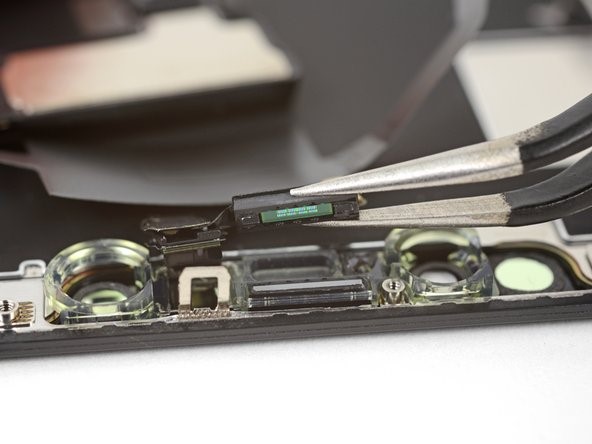
Technical Barriers: Parts Pairing and Software Locks
The most significant shift in the 2026 landscape isn't about how many screws are inside your phone, but what happens after you replace a part. We are seeing a massive rise in phone repairability software restrictions. This is often achieved through hardware serialization, where every major component—from the screen to the battery—is digitally linked to the motherboard.
If a local shop swaps a broken screen on a modern device with a genuine part from another identical phone, the device may still disable features like Face ID or True Tone. These parts pairing restrictions act as a digital deadbolt, preventing third-party technicians from performing successful repairs without Apple or Samsung's proprietary calibration software.
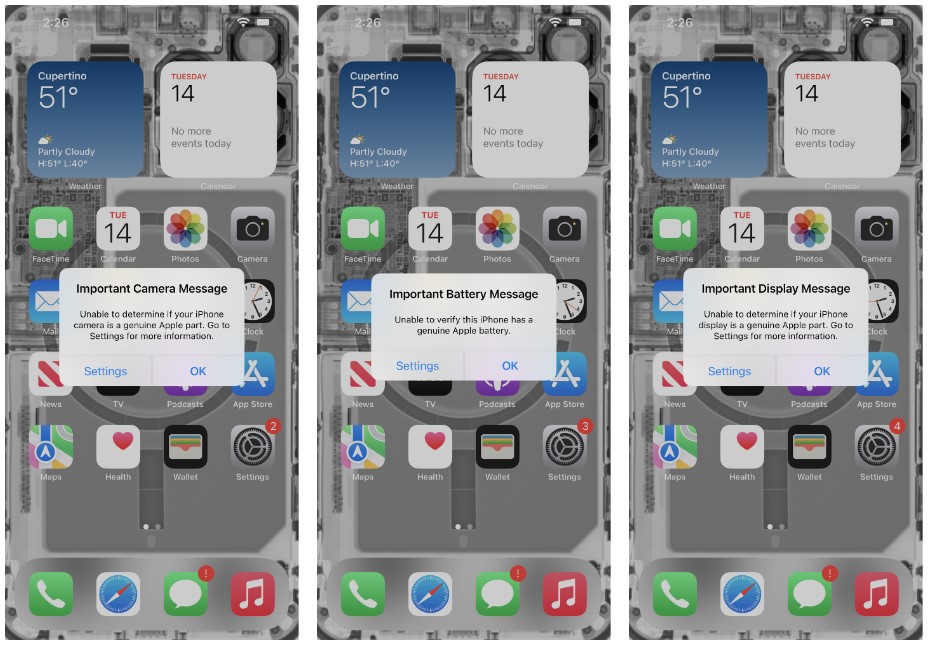
There is a glimmer of hope, though. Colorado’s 2026 anti-parts-pairing law has officially gone into effect, making it illegal for manufacturers to use software to block the use of functional replacement parts. This legislative push is a direct response to the way component accessibility has been restricted over the last few years. As a consumer, you should prioritize devices that allow for independent repair without requiring a "handshake" from the manufacturer's server.

The Aesthetic Trap: Why Nothing Phone 3 Failed iFixit
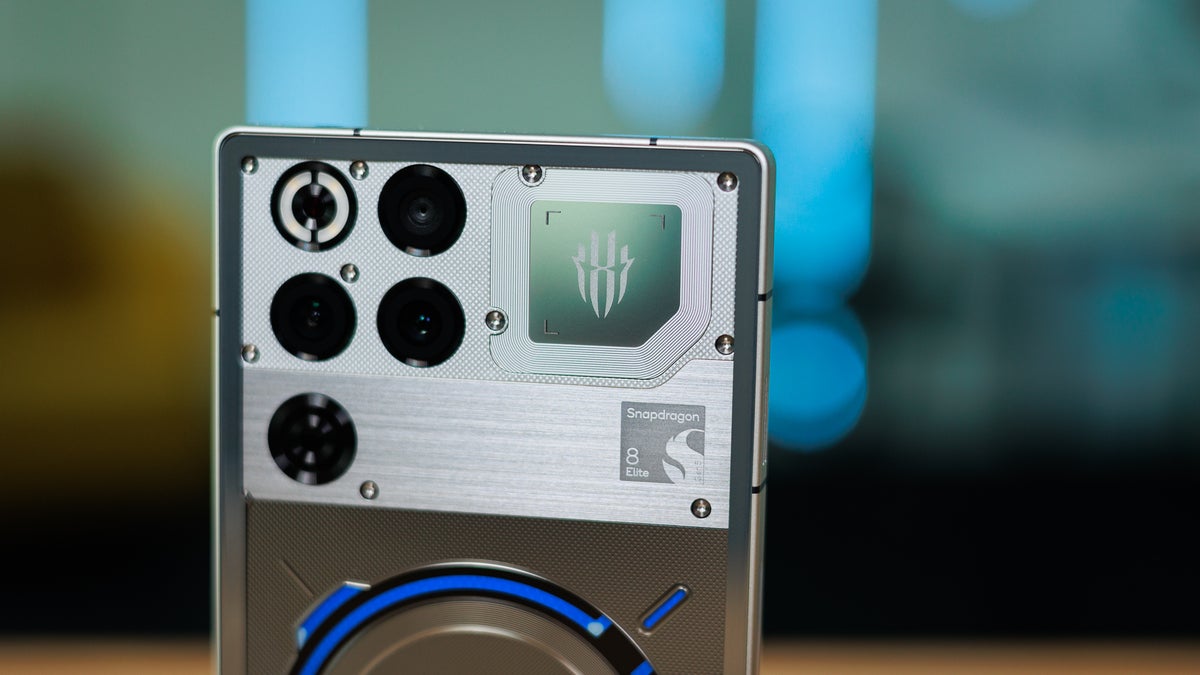
We often talk about "design" as a positive, but in the world of mobile tech, beauty can sometimes be a curse for device longevity. The Nothing Phone 3 is the perfect example. On paper, the brand presents itself as a transparent, forward-thinking alternative. However, the nothing phone 3 repairability story is a cautionary tale for 2026.
While the phone looks incredible, the internal architecture is a nightmare for repair. To maintain that signature transparent aesthetic, the manufacturer uses an excessive amount of adhesive-heavy construction. Everything is glued, and there are decorative stickers covering vital connectors that are almost impossible to remove without tearing.
Consequently, while the official marketing might boast about sustainability, the actual ifixit phone repairability score came in at a measly 3/10. Because of the visually destructive nature of opening the phone, even simple battery swaps can leave the device looking "scarred." When you choose a device based on a nothing phone repairability score, remember that what looks good on the outside often hides proprietary fasteners and fragile internal layouts that lead to more electronic waste.
Sarah’s Buying Warning: Beware of "Aesthetic-First" devices. If a phone uses a glass-sandwich design with heavy internal adhesives, you are likely looking at a one-time-use product. Always check the disassembly videos before you buy into the hype of a transparent or "seamless" design.
Future Outlook: The 2027 EU Battery Mandate and Buying Advice
If you are currently looking at the most difficult smartphones to repair 2026 has to offer, you might be tempted to wait. We are standing on the edge of a major design reset. The 2027 EU Battery Mandate is looming, which will require all new smartphones to have user-replaceable batteries. This will fundamentally change how the Galaxy S27 and iPhone 18 are built.
For now, my best phone for repairability recommendation remains Motorola. They have consistently stayed ahead of the curve by offering accessible internal designs and partnering with third parties to provide spare parts. If you want a phone that lasts five years instead of two, look for that B+ grade.
Before you tap "buy" on your next device, do a quick search for the ifixit best repairability score phone in your budget category. Check if the manufacturer provides a free service manual online. If they hide their documentation behind a paywall or a "certified partner" login, that is a massive red flag. Your Right to Repair is about more than just screws; it is about owning the device you paid for, top to bottom.
FAQ
What is a phone repairability score?
A phone repairability score is a numerical or letter grade given to a mobile device based on how easy it is to disassemble, repair, and reassemble. Organizations like iFixit and regulatory bodies like the EU (through EPREL) evaluate factors such as the presence of adhesives, the need for specialized tools, the availability of spare parts, and whether software locks prevent the use of third-party components.
What factors make a phone difficult to repair?
Several design and policy choices contribute to low repairability. Physical barriers include excessive use of strong adhesives instead of screws, proprietary fasteners that require rare tools, and non-modular components where multiple parts are fused together. Software barriers, such as parts pairing and hardware serialization, also make repairs difficult by disabling features if a part is replaced without manufacturer-approved software.
What is the Right to Repair legislation?
Right to Repair legislation refers to laws designed to ensure that consumers and independent repair shops have access to the same tools, parts, and manuals that original equipment manufacturers (OEMs) use. Recent laws, like those passed in Colorado and the EU, aim to ban parts pairing and mandate that batteries be easily replaceable by the end-user to reduce electronic waste and extend device life.
Are modern phones less repairable than older models?
Technically, yes and no. While some modern phones have become more modular internally, they have become significantly more difficult to repair due to glass-heavy designs and sophisticated software locks. Older models often used plastic clips or standard screws and lacked the "digital locks" that now prevent third-party technicians from successfully swapping screens or batteries without losing functionality.