For years, the humble earbud has been a tool for consumption—a way to pipe podcasts and playlists into our ears while we navigate airport terminals or city streets. However, a significant shift is occurring in Cupertino. Apple is no longer satisfied with just sending data into your ears; they want to pull data out of your brain. In January 2023, Apple filed a landmark patent for earbuds equipped with electroencephalography (EEG) sensors, signaling a move from audio peripherals to sophisticated neural monitoring stations. While the current AirPods Pro 3 focuses on refined heart-rate tracking, this patent points toward a future where your "Pro" gear doesn't just cancel noise—it reads your mind.
The Dawn of Neural Wearables
The transition from "wearable tech" to "neural tech" represents a fundamental pivot for Apple’s health ecosystem. The core of this evolution lies in the January 2023 patent filing, which describes a system of electrodes embedded within the ear tips and housing of future AirPods. Unlike the current AirPods Pro 3, which relies on a custom photoplethysmography (PPG) heart rate sensor to monitor blood flow, the proposed EEG-capable models aim to capture the faint electrical signals of the brain itself.
For the modern traveler or high-performance professional, this isn't just a novelty; it is a democratization of medical-grade data. By leveraging AI algorithms that adapt to the unique, individual anatomy of a user’s ear canal, Apple intends to solve the "fit" problem that has long plagued biometric earbuds. This allows for the continuous monitoring of cognitive health, stress levels, and even early signs of neurological conditions, all while maintaining the discrete aesthetic of a standard consumer device.
Key Takeaway: The Apple AirPods EEG patent marks a shift toward "invisible" health monitoring, transforming a ubiquitous audio device into a real-time neural monitoring station that could eventually predict health crises before they occur.
Inside the Patent: How 'Brain-Reading' AirPods Actually Work
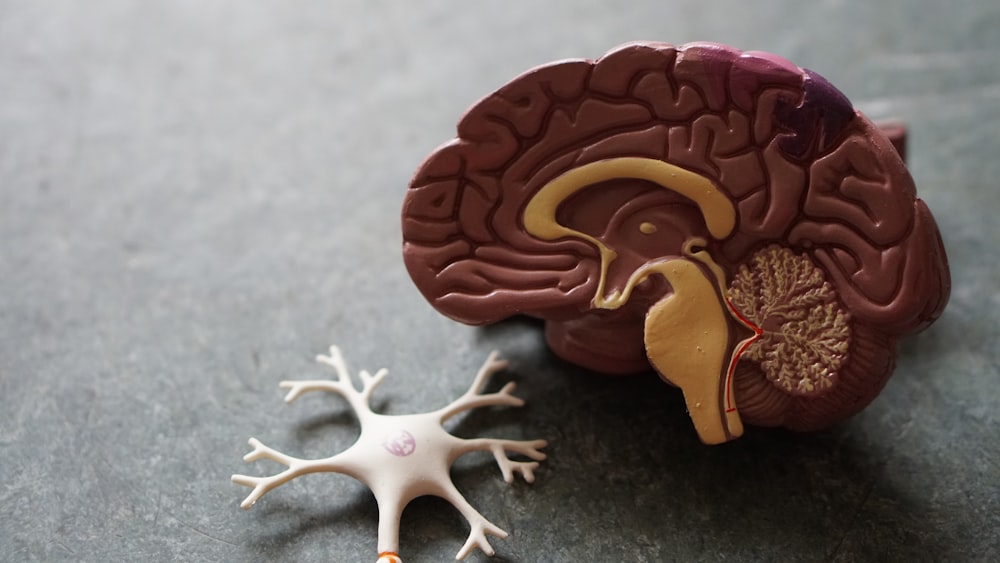
The technical mechanics of the patent are as fascinating as they are complex. Most traditional EEG systems require a "cap" of electrodes and conductive gel, making them impractical outside of a hospital or research lab. Apple’s solution involves placing tiny, non-invasive sensors directly onto the surface of the ear tip. These sensors measure the electrical activity produced by neurons in the brain, specifically focusing on alpha and beta waves.
Alpha waves are typically associated with relaxation and "flow states," while beta waves signify active thinking, focus, and alertness. By monitoring the ratio between these two, the AirPods could theoretically tell the wearer exactly when they are most productive or when they are reaching a state of burnout. To ensure accuracy, the patent outlines a sophisticated AI-driven calibration system. Because every human ear canal is shaped differently, the AirPods would use "active sensing" to determine which electrodes have the best contact with the skin, adjusting the data stream in real-time to filter out "noise" from movement or jaw clenching.
The Medical Revolution: From Hospital Caps to Invisible Sensors
From a clinical perspective, the implications are staggering. Currently, if a patient is suspected of having a sleep disorder or epilepsy, they must often spend a night in a sleep lab tethered to a bulky machine. Apple's brain-reading earbuds technology would allow for longitudinal, real-time monitoring in a natural environment.
Consider the potential for:
- Epileptic Seizure Detection: Providing early warnings by detecting "pre-ictal" brain activity patterns.
- Sleep Architecture Analysis: Moving beyond simple "movement" tracking to actual REM and deep-sleep phase monitoring via brain waves.
- Cognitive Decline Tracking: Identifying subtle shifts in neural processing speeds that could signal the onset of Alzheimer's or dementia years before physical symptoms appear.
The contrast between the status quo and Apple's vision is stark. Traditional clinical setups are cumbersome and intrusive; the AirPods version is essentially invisible. This "frictionless" data collection is the "holy grail" for preventative medicine, allowing users to build a multi-year map of their brain health without ever stepping into a clinic.

AirPods Pro 3: The Current Reality of Health Sensors
While we look toward the EEG-enabled future, it is important to ground our expectations in what is currently available. The AirPods Pro 3 represents a significant step forward, even if it doesn't yet "read" your thoughts. The centerpiece of its health suite is a custom PPG sensor. This sensor operates by pulsing invisible infrared light into the tissue of the ear canal at a frequency of 256 times per second. By measuring the absorption of that light, the device can calculate heart rate, heart rate variability (HRV), and even respiratory rates with high precision.
Compared to the previous generation, the Pro 3 offers:
- Enhanced Heart Rate Accuracy: The high-frequency pulsing allows for data that rivals chest-strap monitors.
- Activity and Caloric Burn Tracking: Integrated with the Apple Health app to provide a more holistic view of daily exertion.
- IP57 Waterproofing: Ensuring the sensors remain functional even during high-intensity, sweat-heavy workouts or unexpected rain.
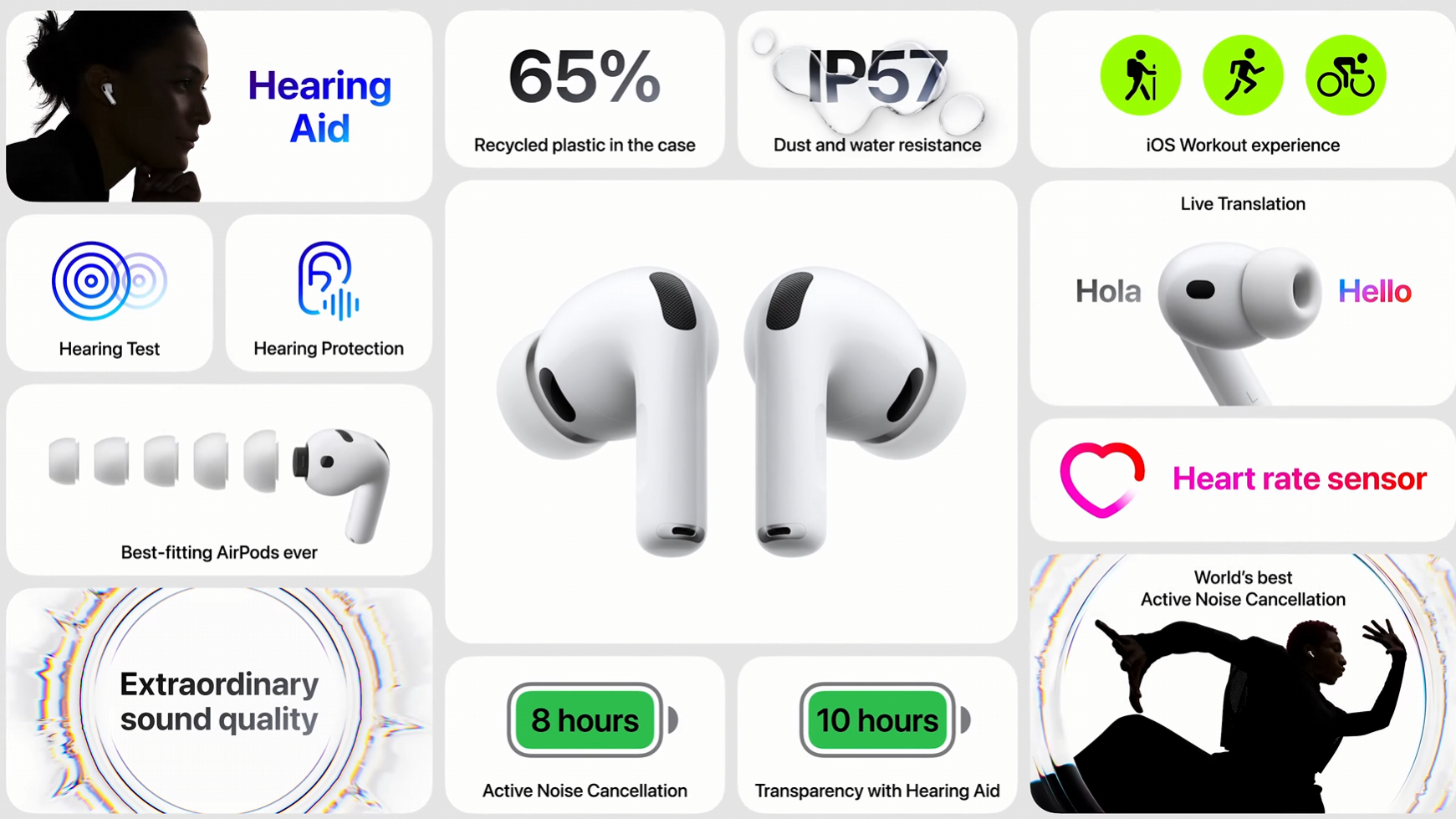
Despite these advancements, the Pro 3 lacks the hardware for EEG monitoring or the rumored infrared cameras intended for spatial awareness. It is a bridge device—a sophisticated fitness tracker for the ear, but not yet a neural interface.

The Neural Data Privacy Trap
As we move closer to "mind-reading" technology, we must confront a new frontier of privacy. Brainwave data is fundamentally different from a fingerprint or a GPS coordinate. It is the most intimate data a human can produce, reflecting not just what you did, but how you felt and what you thought.
The "Black Mirror" scenario is not difficult to imagine: neural data becoming corporate property. If your AirPods can detect that you are feeling "receptive" or "impulsive" based on your beta waves, could that data be used to serve you a perfectly timed advertisement? Currently, regulatory frameworks like GDPR or HIPAA are ill-equipped to handle "neuro-rights." Apple has a strong track record of on-device processing via their Secure Enclave, but the mere existence of a consumer-grade brain interface creates a vulnerability that didn't exist five years ago.
Expert Insight: "Neural data is the final frontier of privacy. Unlike your heart rate, which is a physical metric, brainwaves are a window into your cognitive state. The challenge for Apple will be convincing the public that their 'thoughts' are encrypted and inaccessible, even to the company itself."

Patent vs. Production: When Can We Expect Mind-Reading AirPods?
It is vital to maintain a balanced perspective on Apple’s patent filings. Apple files thousands of patents every year, many of which never see the light of day as commercial products. The transition from a patent (like the one filed in January 2023) to a retail box typically takes three to five years, if it happens at all.
Several hurdles remain:
- The H3 Chip: To process EEG data locally and maintain battery life, Apple will likely need a new generation of silicon (the H3 or H4) that is significantly more efficient than the current H2.
- Sensor Longevity: EEG electrodes are sensitive to earwax and moisture. Developing a sensor that remains accurate for two years of daily use is a massive engineering challenge.
- Regulatory Approval: To market these as "medical devices" (similar to the Apple Watch ECG), Apple must navigate grueling FDA and global health authority clearances.
Current industry roadmaps suggest that while the AirPods Pro 3 focuses on PPG and audio quality, we may see the first "Neural AirPods" (perhaps an "AirPods Max 2" or "AirPods Pro 4") around 2026 or 2027.
| Feature | AirPods Pro 3 (Current) | Future EEG AirPods (Patent) |
|---|---|---|
| Primary Sensor | Custom PPG (Heart Rate) | EEG Electrodes (Brain Waves) |
| Sensing Frequency | 256 pulses per second | Continuous electrical monitoring |
| Health Focus | Fitness, HRV, Calories | Cognitive health, Epilepsy, Sleep |
| Primary Hardware | H2 Chip, Vented design | H3/H4 Chip, Neural Engine |
| Status | Available Now | Patent / Development Phase |
FAQ
Can the AirPods Pro 3 currently read my brain waves? No. The AirPods Pro 3 features a PPG sensor for heart rate and respiratory monitoring, but it does not have the EEG electrodes required for brain wave monitoring. Those features are currently in the patent phase.
How accurate is the heart rate sensor in the new AirPods? The custom PPG sensor is highly accurate for a wearable, pulsing infrared light 256 times per second to measure blood flow. While excellent for fitness and general health tracking, it is not a replacement for a clinical EKG.
When will "brain-reading" AirPods be released? There is no official release date. Based on Apple's historical patent-to-product pipeline, if the EEG technology is commercialized, we likely won't see it until 2026 at the earliest, potentially in an "AirPods Pro 4" or a dedicated health-focused model.
Conclusion
The Apple AirPods EEG patent isn't just about adding a new "spec" to a product sheet; it's about redefining the relationship between humans and their devices. We are moving toward a world where our technology understands our internal state better than we do. For the traveler seeking better sleep or the professional seeking peak focus, these advancements offer a glimpse into a more optimized, health-conscious future. However, as we prepare to let Apple "into our heads," we must remain vigilant about the privacy of our most personal data.
If you're looking to upgrade your travel kit with the best current health-tracking audio, the AirPods Pro 3 remains the gold standard for today's needs.