Quick Facts
If you are looking for a quick breakdown of the Android tablets currently generating the most buyer’s remorse in 2025, here are the key takeaways from our market analysis:
- Avoid These 5 Models: DigiLand 2025 11-inch, Samsung Galaxy Tab A8, Lenovo Tab 2023 M8, TCL NxTpaper 11, and Lenovo P11 Plus.
- Primary Complaints: Performance lag in basic apps, false advertising regarding hardware specs, and catastrophic software update failures.
- The "Spec Sheet" Trap: Tablets with 2GB or 3GB of RAM are no longer functional for modern Android OS versions and contemporary streaming requirements.
- Charging Bottlenecks: Certain "innovative" models like the TCL NxTpaper 11 feature large batteries but lack fast-charging, leading to 4-hour wait times for a full charge.
- Better Alternatives: In 2025, the market has matured; the Amazon Fire HD 8 remains the entry-level king, while the Samsung Galaxy Tab S10 FE and S11 offer the longevity and performance required for professional or high-end media use.
The 'Budget Trap': Why Spec Sheets Can Be Deceptive
In the world of consumer electronics, there is a significant difference between "affordable" and "cheap." As a travel critic who relies on hardware that works as hard as I do, I’ve seen countless travelers and remote workers fall for the "budget trap." On paper, a $150 tablet looks like a steal for reading emails and watching movies on a long-haul flight. In reality, these devices often become expensive paperweights within six months.
The core issue in 2025 is that Android’s operating system and modern applications have outpaced the hardware found in low-end models. Features like "Wi-Fi 6" or "16GB RAM" are often advertised with asterisks—referring to virtual RAM expansion rather than physical hardware, or using outdated chipsets that bottleneck the entire experience. After reviewing hundreds of user reports and technical benchmarks, five specific models stand out for their high rates of owner regret: the DigiLand 2025 11-inch, the aging Samsung Galaxy Tab A8, the underpowered Lenovo Tab 2023 M8, the slow-charging TCL NxTpaper 11, and the software-glitched Lenovo P11 Plus.
1. DigiLand 2025 11-inch: A Case of False Advertising
The DigiLand 2025 11-inch is a classic example of "white-label" hardware that promises the world but delivers very little. Often found in big-box retailers for around $142, it attracts buyers with the promise of the latest connectivity and a large screen. However, technical teardowns and user feedback suggest a different reality.
The most glaring issue is the WiFi 6 controversy. While the packaging prominently displays "WiFi 6 Support," many owners have discovered that the hardware inside is actually a rebranded older model that struggles to maintain consistent speeds even on standard 5GHz bands. Furthermore, the device lacks basic quality-of-life features such as facial recognition or a fingerprint sensor, which are standard in almost any 2025 device.
| Spec Feature | Advertised/Expected | Reality in Use |
|---|---|---|
| Connectivity | WiFi 6 High-Speed | Unstable, legacy-speed performance |
| Security | Modern Biometrics | PIN/Pattern only; no facial recognition |
| Longevity | 2025 Current Gen | Rebranded hardware from 2021/2022 |
Owners frequently report that the screen, while 11 inches, lacks the brightness necessary for anything other than a dark room. If you’re trying to use this in a bright airport terminal or a sunlit cafe, you’ll find yourself squinting at a reflective mess.
2. Samsung Galaxy Tab A8: When the Brand Name Isn't Enough
Samsung is a titan in the tablet industry, but the Galaxy Tab A8 is a stain on an otherwise stellar lineup. Originally launched as a budget alternative, it has failed to age gracefully. In 2025, the base model’s 3GB of RAM is a severe bottleneck that makes the device feel sluggish from the moment you unlock it.
For many owners, the regret sets in when they try to perform tasks that should be simple. Attempting to play graphics-heavy games like Asphalt 9 results in frame drops and crashes. Even multitasking between Google Chrome and a PDF reader can cause the system to "hiccup." Beyond performance, the transition from OLED technology (found in higher-tier Samsung devices) to a dim LCD panel on the A8 is a major point of contention. The $238 price tag is difficult to justify when compared to the superior displays and smoother performance of newer competitors.
Expert Insight: A brand name provides a certain level of security for software updates, but it cannot fix hardware that was under-specced at launch. The A8’s 3GB RAM is simply not enough to handle the background processes of Android 13 or 14.
3. Lenovo Tab M8 (2023): The 'Standard Definition' Nightmare
The Lenovo Tab M8 (2023) is frequently labeled "laughable" by tech enthusiasts, and for good reason. Equipped with the weak MediaTek Helio A22 processor and a mere 2GB of RAM, this device struggles with the basics. Users report that even opening the YouTube app can cause the tablet to freeze for several seconds.
The most frustrating aspect for media consumers is the Widevine L3 limitation. For the uninitiated, Widevine is the Digital Rights Management (DRM) system used by streaming services. Because the Tab M8 only supports the L3 tier, it cannot stream Netflix or Disney+ in High Definition. You are essentially paying for a device that restricts you to 480p "Standard Definition" on a screen that is supposed to be your primary media consumption tool.
| Spec Feature | Advertised/Expected | Reality in Use |
|---|---|---|
| Processor | Helio A22 Quad-Core | Frequent freezing and input lag |
| RAM | 2GB LPDDR4X | Apps close automatically in background |
| Streaming | Portable Cinema | Restricted to 480p (Widevine L3) |
4. TCL NxTpaper 11: Great Eyesight, Terrible Charging
TCL made waves with its NxTpaper technology, which offers a matte, paper-like display that is significantly easier on the eyes than traditional glass screens. While the display itself is a joy for reading, the rest of the package falls short of 2025 standards.
The most significant pain point is the battery management. The TCL NxTpaper 11 features a generous 8,000mAh battery, which sounds impressive. However, it lacks modern fast-charging capabilities. User data indicates that a full charge takes between 3.5 to 4 hours. In an era where 30-minute "top-ups" are common, being tethered to a wall for half a day is a deal-breaker. Furthermore, the matte coating reduces the overall sharpness of the display, making high-resolution videos look dull and muted compared to standard LCDs or OLEDs.
5. Lenovo P11 Plus: The Software Update Trap
The Lenovo P11 Plus is a tragic case of decent hardware ruined by abysmal software support. On paper, its 2K display and quad-speaker setup make it look like a mid-range champion. However, the reality of owning one involves a constant battle with system updates.
Owner reports indicate a recurring nightmare regarding the Android 12 update. Some users have reported needing up to five attempts to install the update, only for the tablet to "lock out" or automatically revert to Android 11. These software failures often require a factory reset, leading to data loss and immense frustration. Additionally, the device comes pre-loaded with aggressive bloatware—unwanted apps that often reinstall themselves after being deleted, consuming precious storage and system resources.
| Issue | Impact on User |
|---|---|
| Update Failures | Device lockouts and system instability |
| Bloatware | Reduced storage and background battery drain |
| Performance | System freezes even during basic web browsing |
What to Buy Instead: Better Alternatives for 2025
If you want to avoid the pitfalls of the devices listed above, you don't necessarily need to spend $1,000. The key is to look for "longevity-first" hardware.
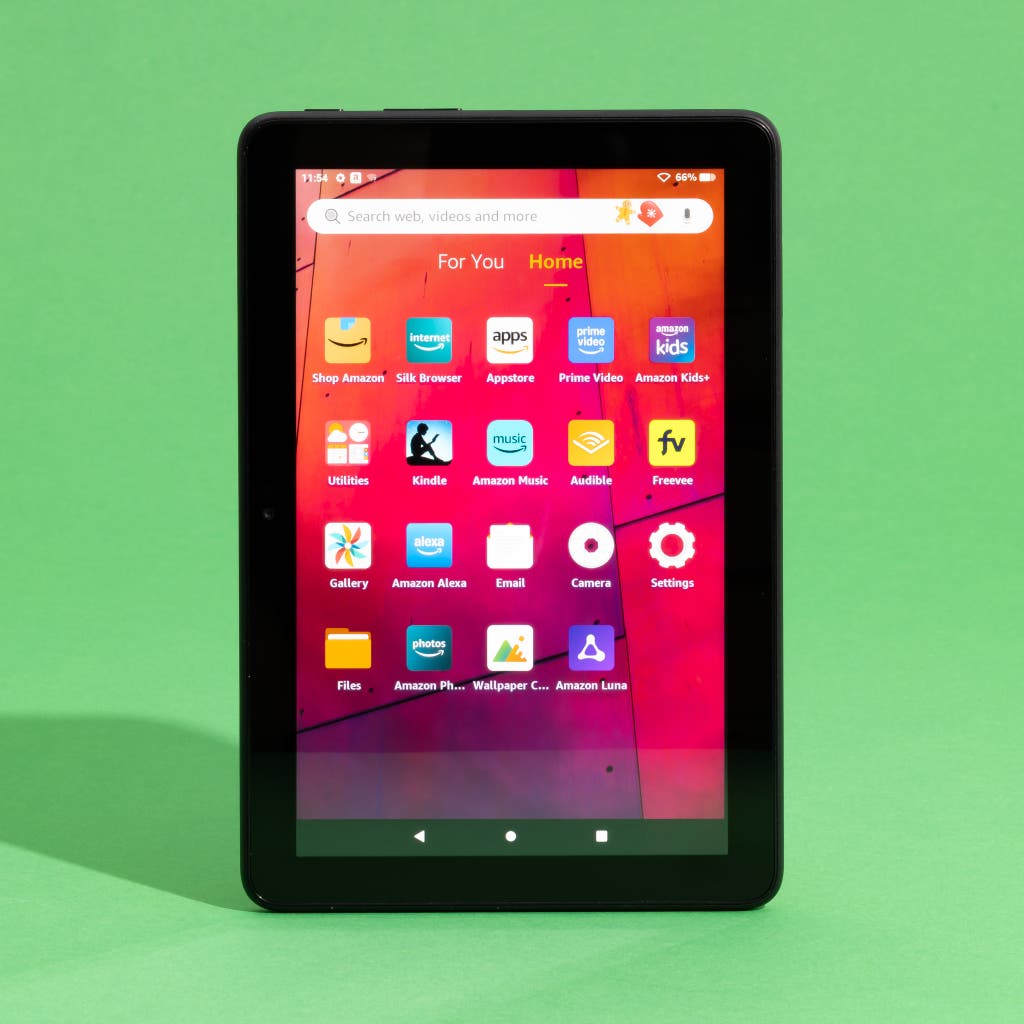
Budget King: Amazon Fire HD 8 (12th Gen)
For those who simply want a tablet for reading and basic streaming, the Amazon Fire HD 8 is the most logical choice. While it uses a simplified version of Android (Fire OS), it is highly optimized for its hardware, ensuring a smooth experience that unbranded budget tablets can't match.
Mid-Range Workhorse: Samsung Galaxy Tab S10 FE
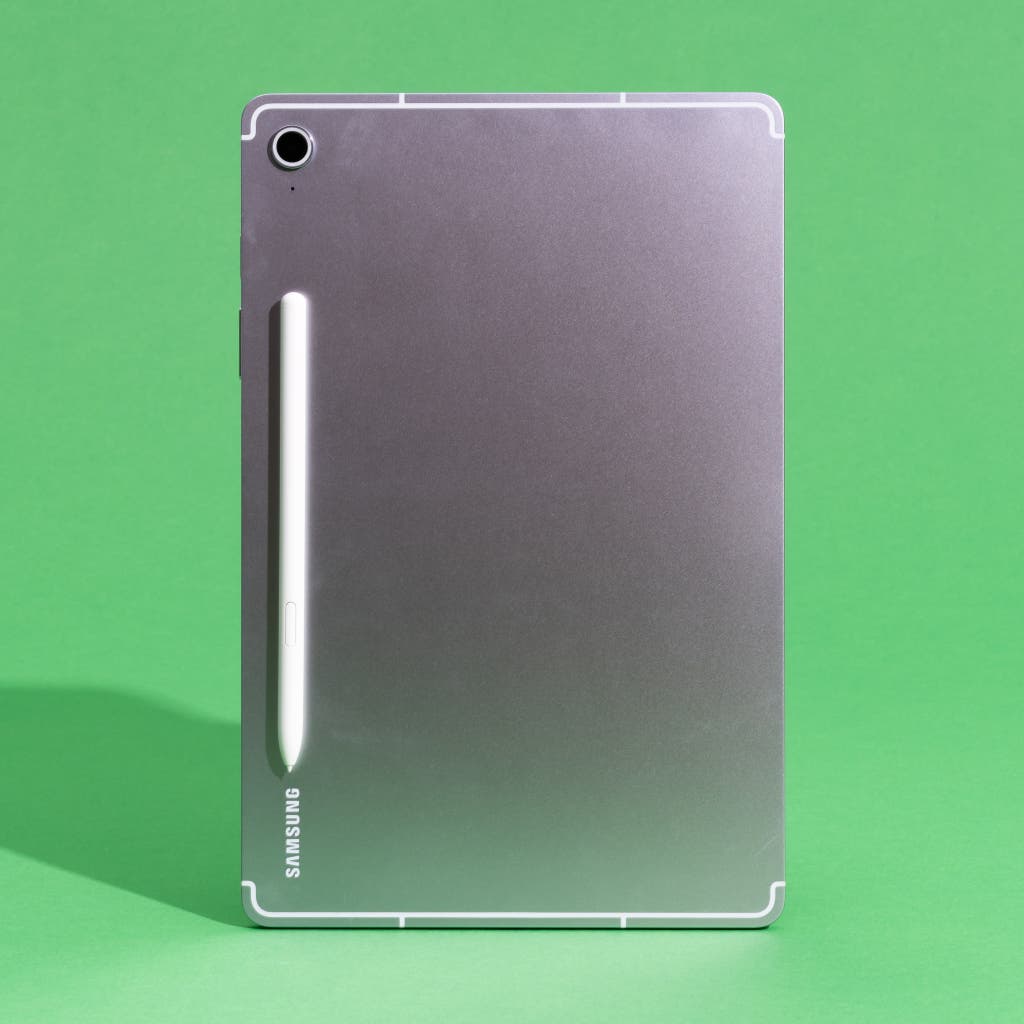
Unlike the budget A-series, the Galaxy Tab S10 FE is built to last. It offers a much more powerful chipset, a more vibrant screen, and, most importantly, Samsung’s promise of long-term software support (up to 7 years for some models). It is the ideal replacement for those who were considering the Tab A8.
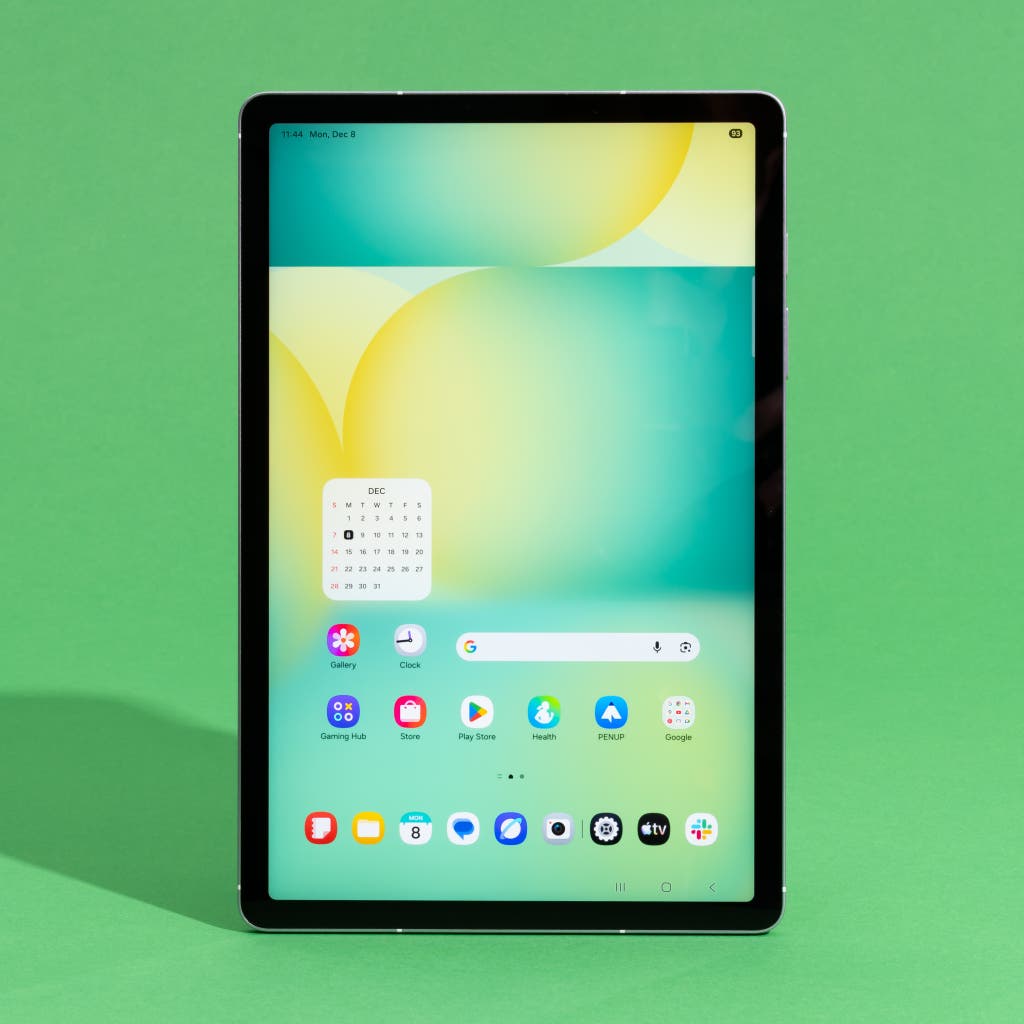
The S10 FE also includes the S Pen in the box, providing a level of utility for note-taking and creativity that budget tablets simply cannot replicate. The build quality is noticeably more premium, using recycled aluminum that feels sturdy in the hand.
Explore Galaxy Tab S10 FE Features →
High-End Choice: Samsung Galaxy Tab S11
For the user who refuses to compromise, the Samsung Galaxy Tab S11 represents the pinnacle of Android tablets in 2025. Featuring a stunning OLED display and the raw power of the MediaTek Dimensity 9400+ processor, it handles everything from heavy video editing to the most demanding mobile games without breaking a sweat.
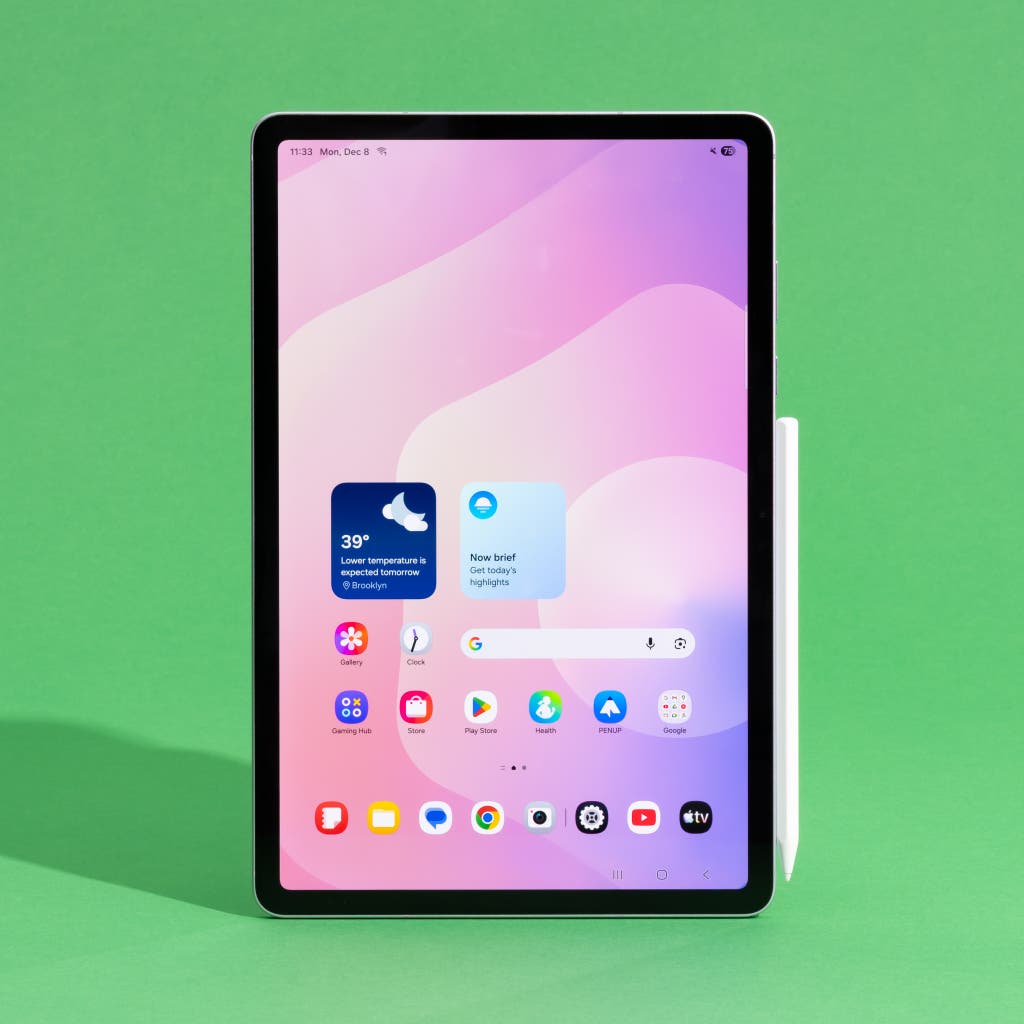
The refined hardware and the redesigned S Pen highlight the massive gap between a flagship investment and a "budget trap." If your budget allows, this is the device that will still be performing at a high level in 2028.

Check Galaxy Tab S11 Pricing →
FAQ
Q: Is 4GB of RAM enough for a tablet in 2025? A: For basic tasks like web browsing and video streaming, 4GB is the absolute minimum we recommend. However, for a smooth experience that includes multitasking or gaming, 6GB or 8GB is the new standard. Anything below 4GB (like the models on this list) will result in significant lag.
Q: Can I fix the Widevine L3 issue on the Lenovo Tab M8? A: No. Widevine levels are baked into the device's hardware security and firmware at the factory. If a device is certified as L3, it cannot be upgraded to L1 (HD streaming) via a software update. This is why it’s critical to check this spec before buying.
Q: Why do some budget tablets have better specs on paper than brand-name ones? A: Manufacturers of "unbranded" or "white-label" tablets often use misleading marketing. They may claim "16GB RAM" by including 12GB of "virtual RAM" (which is just slow storage space used as a backup), or they may use old, refurbished processors that aren't compatible with modern app optimizations.
Conclusion
As we navigate through 2025, the tablet market is more bifurcated than ever. While there are incredible innovations in display technology and processing power, the "budget" end of the spectrum is littered with traps for the unwary consumer. Whether it's the false advertising of the DigiLand, the underpowered internals of the Samsung A8 and Lenovo M8, or the charging and software frustrations of the TCL and Lenovo P11 Plus, these five models represent a poor return on investment.
When shopping this year, remember the "James Wright Rule": if the price seems too good to be true for the advertised specs, it almost certainly is. Invest in a device that offers verified performance and a clear path for software support. Your future self—and your sanity—will thank you.