Imagine walking through the endless, clinical corridors of Lumon Industries—a space that is at once a sterile workplace and inconspicuously hostile. For fans of Apple TV+’s Severance, the tension of the show lies in its restraint. It is a masterclass in "less is more," where a flickering fluorescent light carries more dread than a jump scare. However, recent leaks and behind-the-scenes revelations from the production team suggest that the world of Kier, Eagan, and the Macro Data Refinement (MDR) team was nearly much more overt in its surrealism.
From disembodied running legs to "Terry Gilliam-esque" nightmare sequences, director Ben Stiller and creator Dan Erickson navigated a fine line between high-concept sci-fi and grounded psychological thriller. As we look toward the future of the series, analyzing what was left on the cutting room floor reveals the surgical precision required to build one of the most immersive television environments of the decade.
The Deleted Scenes: What Ben Stiller Deemed 'Too Weird'
In the original iterations of the Severance script, the subterranean floors of Lumon Industries were far more chaotic. One of the most surreal scenes cut from the final edit involved Mark S. (Adam Scott) wandering onto a hidden, battle-damaged floor. In this sequence, Mark was to witness a pair of disembodied legs—severed from the torso but still wearing corporate slacks—running past him with athletic purpose.
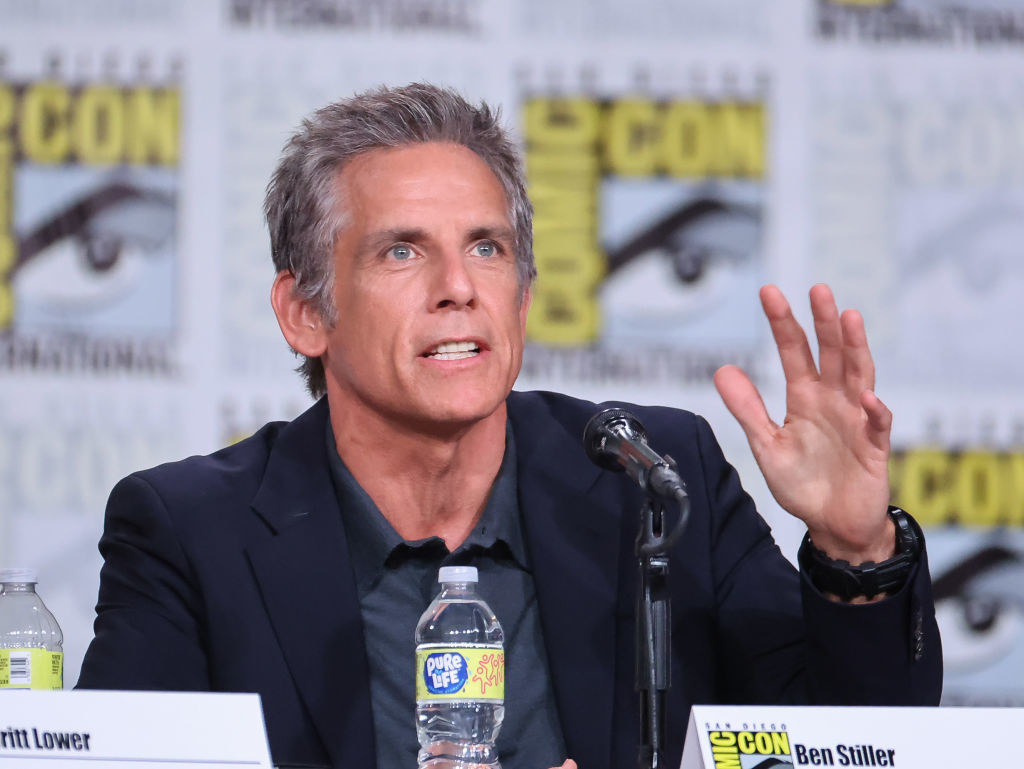
This wasn't just a visual gag; it was part of a larger, more "Gilliam-esque" aesthetic that permeated the early drafts. Ben Stiller, serving as the primary directorial voice, ultimately made the executive decision to remove these elements. His reasoning was rooted in "tonal grounding." Stiller argued that if the show became "weird for the sake of weird," the audience would lose their emotional connection to the characters' plight. By removing the burnt cubicles and the running limbs, the production team ensured that the horror remained psychological rather than cartoonish.
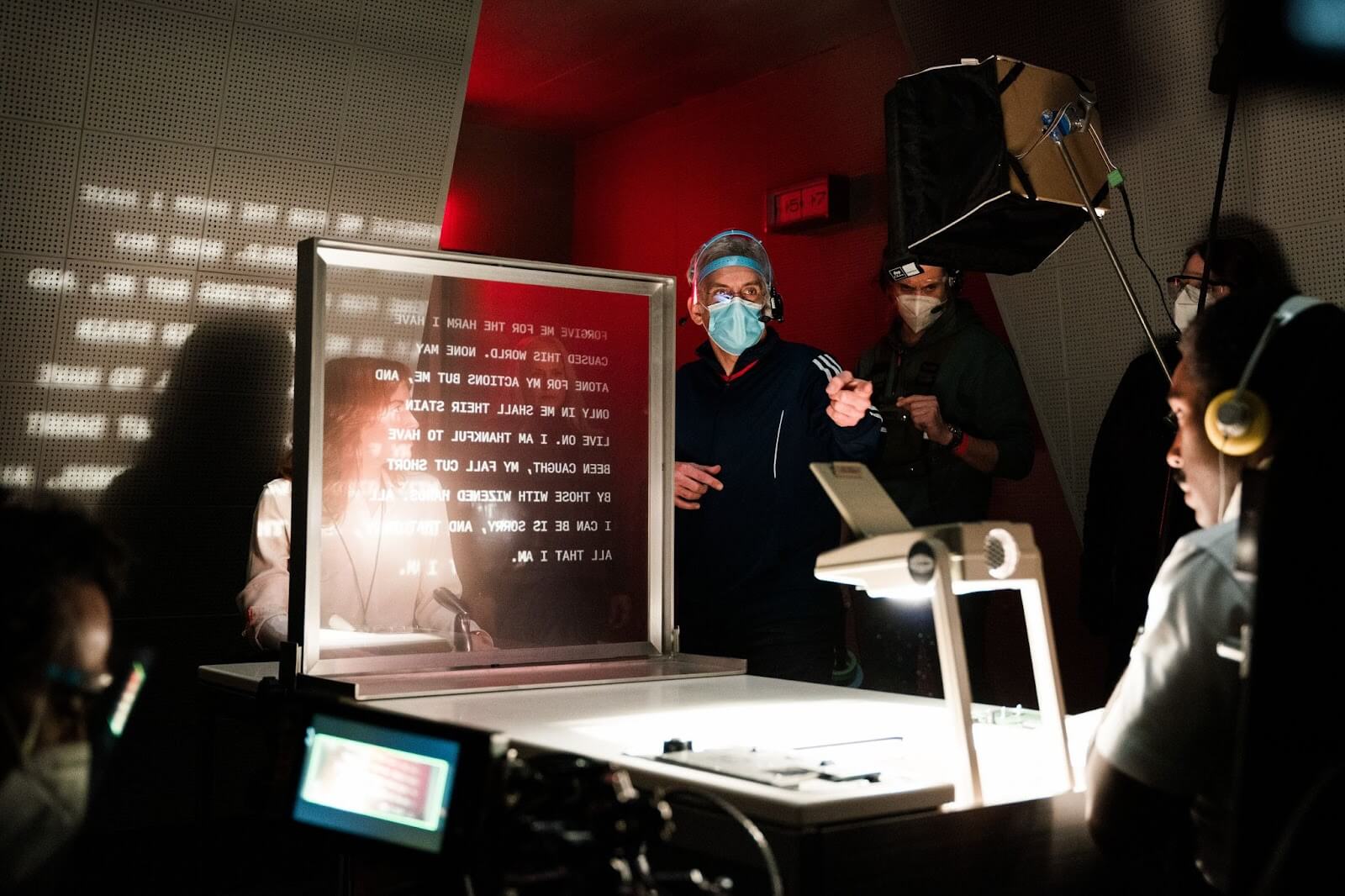
The editorial philosophy was clear: the more "normal" the office looked, the more disturbing the severance process became. To better understand these shifts, consider the following comparison between the original script concepts and what ultimately made it to the screen:
| Feature | Original Script Concept | Final Cut Result |
|---|---|---|
| Lumon Corridors | Littered with "battle damage" and burnt equipment. | Pristine, infinite, and unnervingly clean. |
| Visual Gags | Disembodied legs running through hallways. | Subtle glitches and existential dread. |
| The "Break Room" | More overt physical intimidation. | Psychological repetition and sensory deprivation. |
| Script Tone | Darkly comedic surrealism (Terry Gilliam style). | Modern Noir and Corporate Brutalism. |
The $100,000 Desk and the Corporate Prison Design
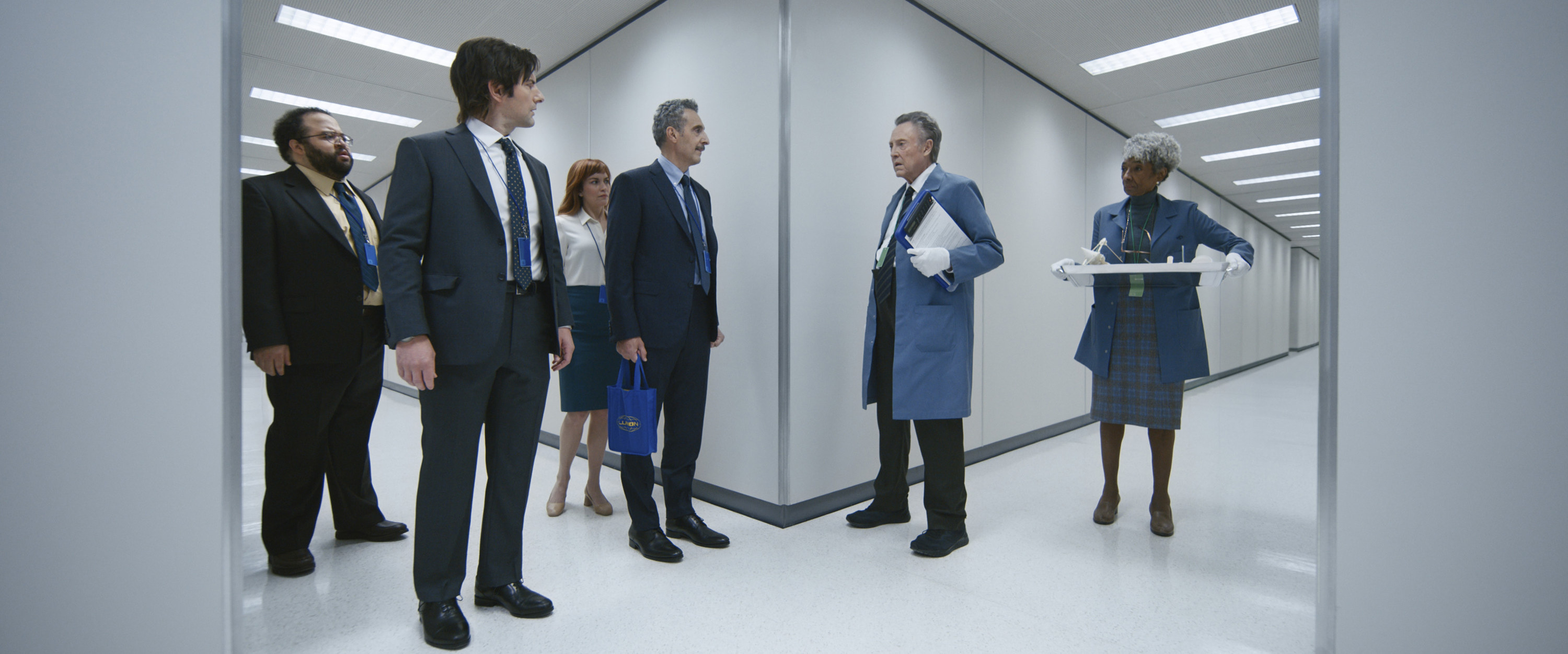
The production design of Severance is not merely a backdrop; it is a character in its own right. The MDR office, characterized by its vast green carpet and central pod of four desks, was designed to evoke a sense of isolation within a communal space. Interestingly, the central desk unit—often referred to by the crew as the "Cadillac of Death"—carried a price tag of approximately $100,000.
This wasn't an indulgence in luxury; it was a necessity of engineering. The desk had to be custom-built to house the integrated vintage-style monitors and the complex wiring required for the practical effects used during filming. The aesthetic was heavily influenced by mid-century brutalist architecture, drawing inspiration from masters like Eero Saarinen and Kevin Roche.
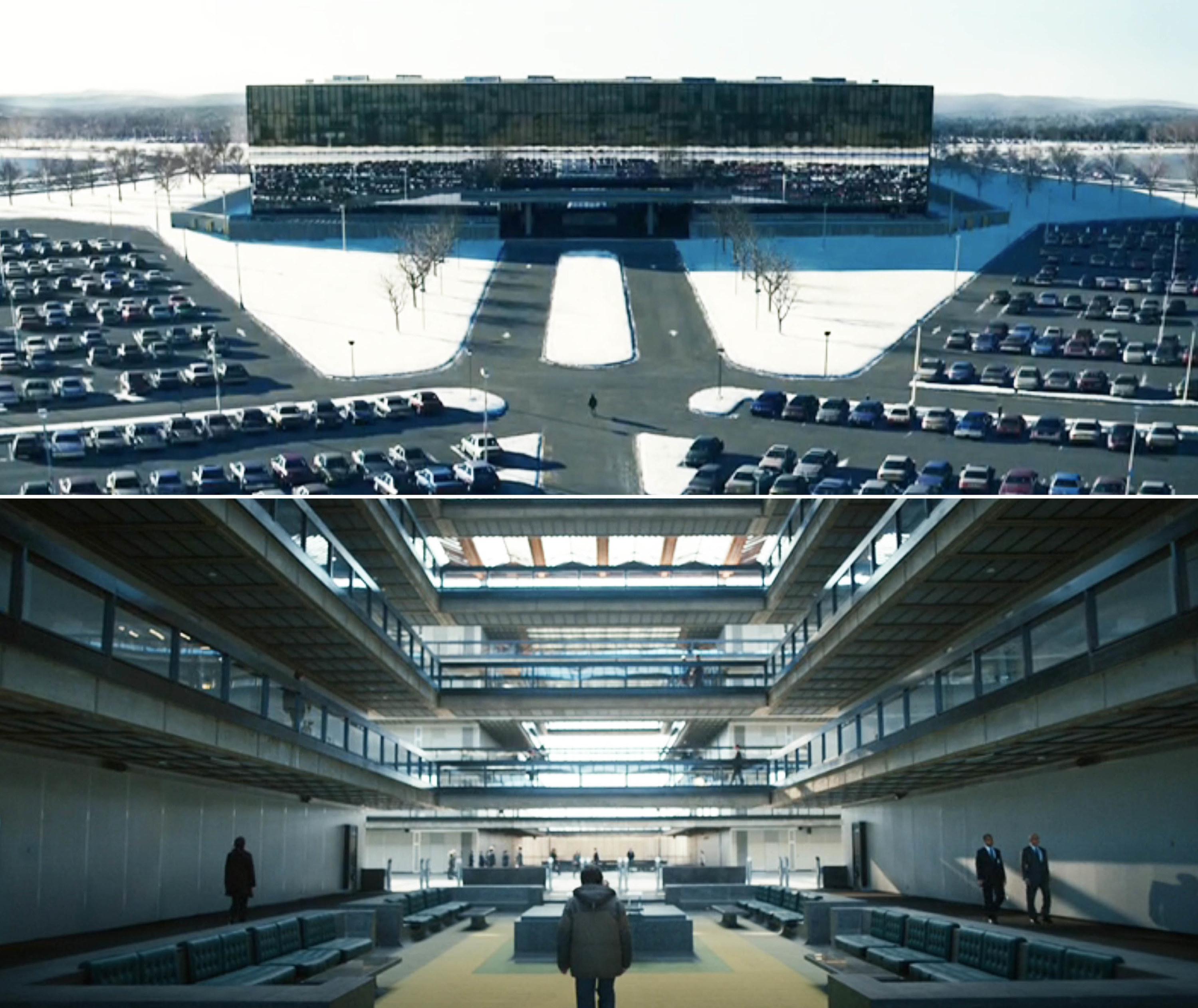
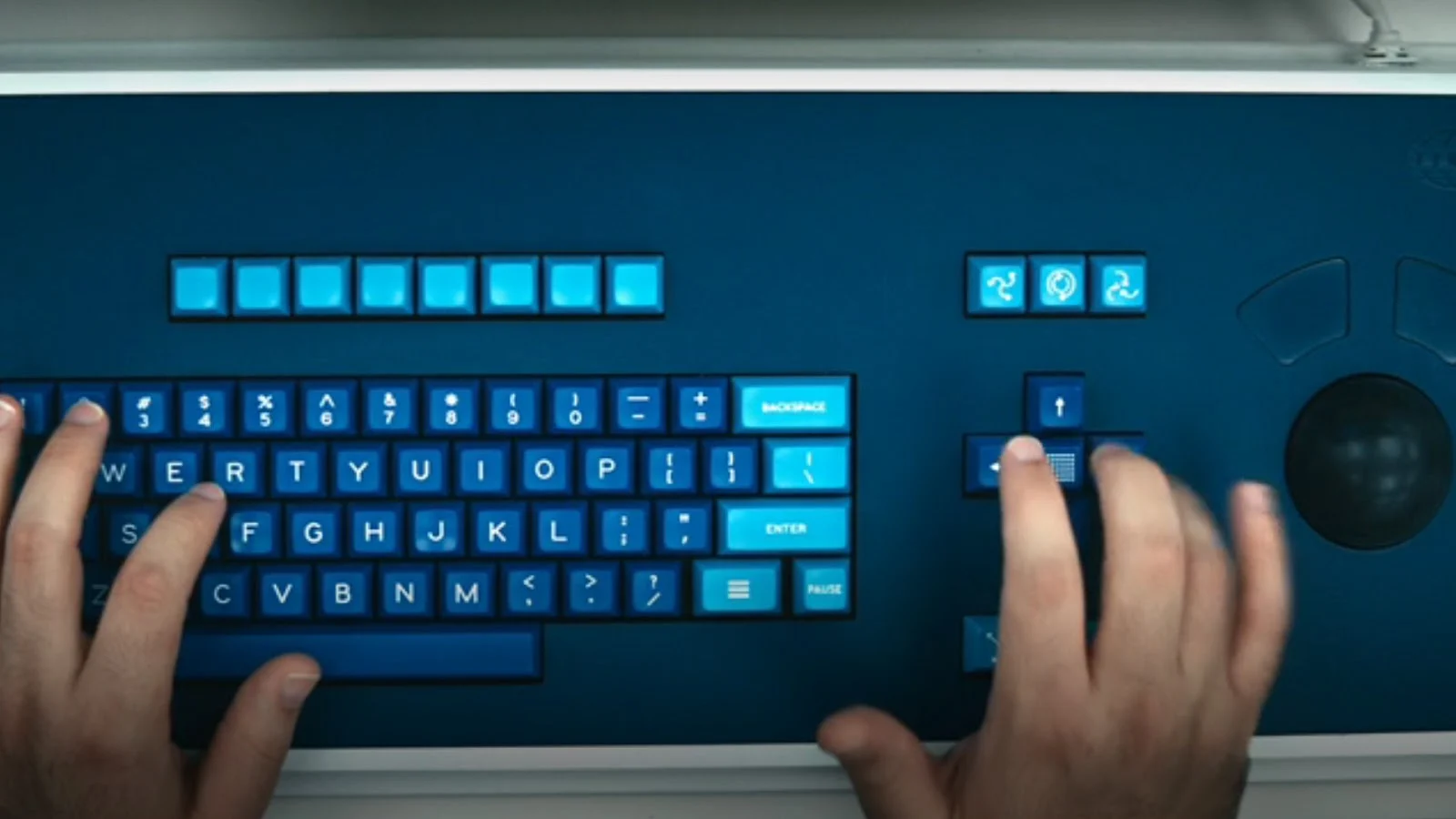
The "Lumon aesthetic" is a haunting homage to the John Deere World Headquarters and Bell Labs—buildings that project corporate permanence and architectural coldness. Within this design, every detail was scrutinized for its psychological impact. One of the most significant (and most overlooked) details is the keyboard design. The custom-built Lumon keyboards famously lack an "Escape" key. It is a subtle, tactile metaphor for the "innies" who have no way out of their contractual incarceration.
The Technical Mastery: 30 Days of Lighting and the 'Zolly' Shot
Perhaps no scene captured the internet’s imagination more than the "Music Dance Experience" (MDE). While the scene appears as a brief, chaotic burst of color in an otherwise monochromatic world, the technical execution was staggering. Production teams spent approximately 30 days (one full month) programming the complex strobe lighting sequences for the MDE scene.
The specific color of the scene was a point of significant creative debate. Director Ben Stiller initially pushed for a deep, aggressive red to signify the breaking of corporate order. However, cinematographer Jessica Gagné argued for an orange palette to maintain some level of warmth and retro-futuristic charm. The result was a compromise: a unique reddish-orange copper hue that feels both celebratory and violent.
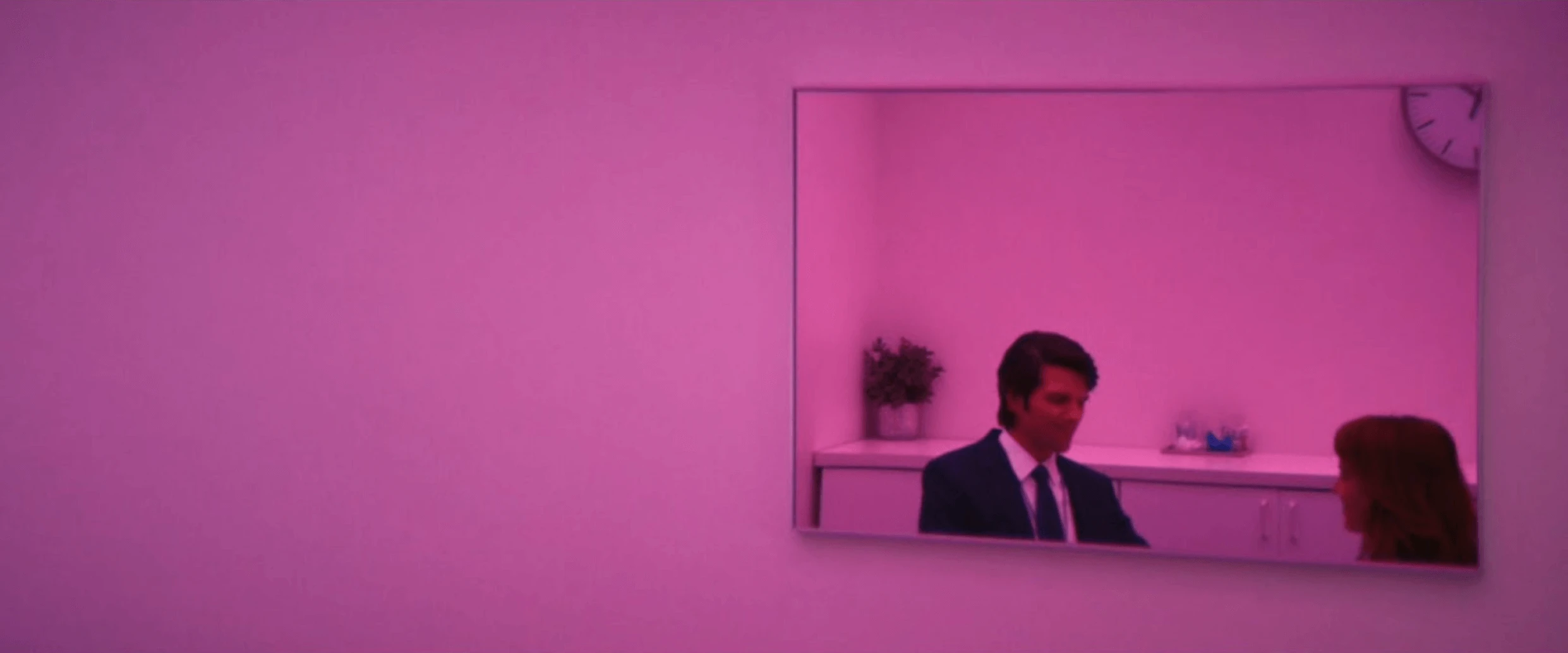
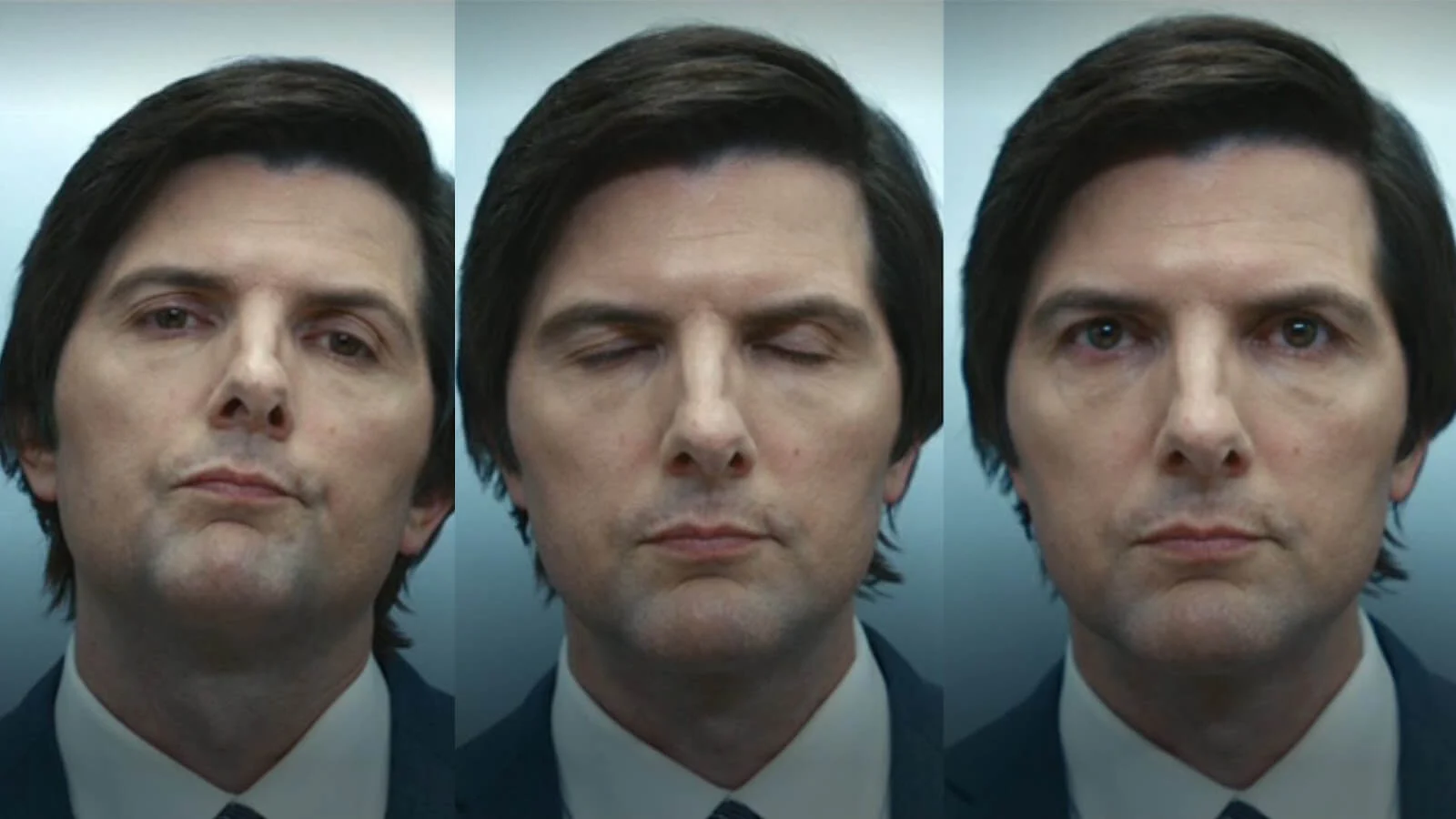
Beyond the lighting, the show utilizes a specific camera technique known as the "Zolly" (a dolly zoom) to represent the physical and mental transition of the severance process. By zooming the lens in while simultaneously moving the camera backward, the background appears to warp while the subject stays the same size. This kinetic response perfectly mirrors the cognitive dissonance experienced by the characters as their "Innie" and "Outie" personas swap control. It is a visual representation of a mind being stretched and compressed—a physical manifestation of a surgical procedure.
The Role Swap: When Helly Was the Veteran
Character dynamics are the heartbeat of Severance, but the MDR team almost looked very different. In the original pilot script, the power dynamic was inverted. It was Helly R. (Britt Lower) who was the veteran employee, and Mark S. who was the terrified newcomer waking up on the conference table.
Switching these roles in the final version was a pivotal narrative choice. By having Mark—the audience's primary surrogate—already somewhat assimilated into the Lumon culture, the show was able to explore the "banality of evil" through his eyes. Helly’s arrival then served as the catalyst for rebellion, her "Outie's" defiance clashing violently with the corporate structure Mark had learned to accept.
Interestingly, while the characters struggle with the complexity of "Macro Data Refining," actor Zach Cherry (who plays Dylan G.) was reportedly the most naturally gifted at the task on set. The cast spent hours sitting at those $100,000 desks, and Cherry allegedly became so proficient at the "sorting" interface that he could navigate the Lumon UI faster than some of the technical consultants.
Season 3 Update: What’s Next for Lumon Industries?
The wait for more Severance has been grueling for fans, exacerbated by industry strikes and the meticulous nature of the production. While Season 2 is finally moving toward completion, the long-term outlook for the series is beginning to crystallize.
Current reports from production insiders suggest that the narrative arc for the series is mapped out for at least five seasons, though the timeline for filming remains extended. Filming for Severance Season 3 is currently projected to begin in the spring of 2026. This gap highlights the commitment to high production values—a necessity when every frame must be programmed, every desk custom-built, and every "weird" element carefully vetted for its impact on the story's grounding.
The upcoming seasons are expected to delve deeper into the "Permanent Severance" procedure and the true nature of the "Board." As we move forward, the "less is more" philosophy will likely face its greatest test as the world outside Lumon begins to bleed into the clinical hallways of the severed floor.
FAQ
Why did Ben Stiller cut the disembodied legs scene?
Stiller felt that overt surrealism like running legs or burnt cubicles made the show feel too much like a Terry Gilliam film. He wanted to maintain a "tonal grounding" where the office felt real enough to be relatable, making the psychological horror more effective.
Is there a real-life inspiration for the Lumon office?
Yes. The production design was heavily influenced by mid-century brutalist corporate architecture, specifically the John Deere World Headquarters in Illinois and the Bell Labs Holmdel Complex in New Jersey.
Why does the Lumon keyboard have no 'Escape' key?
This was a deliberate design choice by the prop department to reinforce the theme of entrapment. It serves as a subtle, symbolic reminder that for the "innies," there is no escaping their corporate reality.
When can we expect Season 3?
While Season 2 is on the horizon, industry projections and production schedules indicate that filming for Season 3 will not begin until the spring of 2026.
Are you ready to explore more behind-the-scenes secrets of your favorite prestige dramas?