Quick Facts
- Policy Change: Nvidia is introducing a 100-hour monthly playtime limit for its GeForce NOW Performance and Ultimate tiers.
- Effective Date: January 1, 2026.
- Overage Costs: Additional 15-hour blocks will cost $2.99 for Performance members and $5.99 for Ultimate members.
- Carryover Policy: Users can carry over a maximum of 15 unused hours to the following month.
- Exemptions: "Founders for Life" members who have maintained an active subscription since before March 17, 2021, are exempt from the cap.
- Target Impact: Nvidia estimates this change will affect only approximately 6% of its active user base.
Direct Answer: Nvidia GeForce NOW will implement a 100-hour monthly playtime limit for Performance and Ultimate subscribers starting January 1, 2026. If you exceed this limit, you can purchase additional 15-hour blocks for $2.99 (Performance) or $5.99 (Ultimate). Founders Members who have maintained an active subscription since before March 17, 2021, are the only paid users exempt from the 100-hour cap.
For years, cloud gaming was marketed as the ultimate sanctuary for the hardware-weary. It was the promise of "unlimited" power without the "unlimited" price tag of a high-end GPU. However, as we approach 2026, the landscape is shifting. Nvidia’s recent announcement regarding a 100-hour monthly limit marks a pivotal moment in the evolution of the service. For many of us who viewed cloud gaming as a refuge from the ballooning costs of PC components, the "unlimited" era is officially drawing to a close, replaced by a more managed, fiscally sustainable model.
Breaking Down the New Rules: Tiers, Limits, and Overages
The transition from unlimited access to a capped model is a significant departure from Nvidia's previous strategy. Starting in 2026, the "Performance" tier (formerly Priority) and the "Ultimate" tier will both be subject to the 100-hour monthly allowance. This is not a hard cutoff, but rather a transition to a "pay-as-you-go" structure for the most dedicated users.
If you find yourself crossing the 100-hour threshold—which averages out to roughly 3.3 hours per day—the service will prompt you to purchase additional time. The cost of these "overage blocks" depends on your subscription level. Performance members will pay $2.99 for an extra 15 hours, while Ultimate members, who enjoy the power of a virtual RTX 4080, will pay $5.99 for the same 15-hour increment.

To soften the blow, Nvidia is introducing a carryover mechanism. If you have a busy month and only play 80 hours, you can roll over up to 15 of those unused hours into the next month, giving you a 115-hour buffer for a major game release.
Tier Comparison: 2026 Pricing & Overage Structure
| Feature | Performance Tier | Ultimate Tier |
|---|---|---|
| Monthly Subscription | $9.99 | $19.99 |
| Base Monthly Hours | 100 Hours | 100 Hours |
| Overage Cost (15 hrs) | $2.99 | $5.99 |
| Max Carryover | 15 Hours | 15 Hours |
| Resolution/FPS | Up to 1440p / 60 FPS | Up to 4K / 240 FPS |
| Hardware | RTX Class | RTX 4080 Class |
The Free tier remains largely unchanged, continuing its 1-hour session limits with ad support. However, for those paying for premium hardware access, the era of unmonitored "marathon" sessions is being quantified.
The 'Golden Ticket': Founders Member Exemptions
In the world of subscription services, loyalty is rarely rewarded with such high stakes. Nvidia has confirmed that "Founders" members—those who joined the service during its infancy and have kept their subscriptions active since before March 17, 2021—will remain exempt from the 100-hour cap. This is the "Founders for Life" promise in action.
However, this "Golden Ticket" is incredibly fragile. If you are a Founders member, you must be hyper-vigilant about your account status.
Founders Checklist: How to Keep Your Unlimited Access
- [ ] Verify Membership Status: Ensure your account is explicitly listed as "Founders."
- [ ] Check Payment Methods: Ensure your credit card on file is not expired. A single missed payment that results in a subscription lapse could permanently strip you of your "Founders" status.
- [ ] No Downgrading: Switching to the Free tier, even for a day, will forfeit your exemption.
- [ ] Maintain Continuity: The exemption relies on an uninterrupted billing cycle.
For everyone else, the 100-hour clock begins on January 1, 2026. For those who sign up in 2025, you will still enjoy unlimited play until the 2026 enforcement date, providing a "grace period" of sorts before the caps become the new reality.
The Big Question: Why Now?
To understand Nvidia's decision, we have to look beyond the gaming world and into the broader tech economy. Nvidia’s official stance is that this cap will impact only 6% of its active user base—the "power users" who essentially consume a disproportionate amount of server resources. By capping usage for this small percentage, Nvidia claims it can maintain current subscription prices ($9.99 and $19.99) for the remaining 94% of users.
However, there is a deeper contextual analysis at play. We are currently seeing a massive surge in AI-driven demand for data center resources. The same GPUs and RAM (Random Access Memory) used to power your Cyberpunk 2077 session are in high demand for Large Language Model (LLM) training. Manufacturing costs for high-density RAM have seen significant upward pressure. By implementing a cap, Nvidia is effectively "de-risking" the service against hyper-users who might otherwise make the $19.99 Ultimate tier unprofitable in a world of rising electricity and hardware maintenance costs.
A Timeline of the Transition
- November 2024: Policy announcement and "Performance" tier rebranding.
- January 1, 2025: New sign-ups are subject to the 2026 cap terms.
- Throughout 2025: Current members enjoy a "grandfathered" year of unlimited play.
- January 1, 2026: Full enforcement of the 100-hour monthly limit and overage charges.
Is 100 Hours Enough? Evaluating the Impact
From an objective critic's perspective, 100 hours is a generous ceiling for the average consumer. To put it in perspective, 100 hours a month is:
- Roughly 25 hours per week.
- Enough time to beat a massive RPG like Elden Ring or The Witcher 3 in a single month.
- More than double the "average" gamer's monthly playtime, according to most industry data.
However, for the "hardcore" demographic—the streamers, the competitive Fortnite players, or those who use GeForce NOW as their primary "PC" for 8 hours a day—this is a significant financial shift.

When we factor in the portability of cloud gaming—playing on a phone during a commute, on a laptop at a cafe, and on a TV at night—accumulating 100 hours is easier than it was in the era of stationary consoles. For these users, the value proposition of GeForce NOW will be weighed against the cost of building a dedicated local rig. In 2026, a mid-to-high-end gaming PC will likely still cost upwards of $1,500. Even with overage charges, GeForce NOW may remain the more economical choice for several years, though the "gap" is certainly narrowing.
Top Cloud Gaming Alternatives for 2026
If the 100-hour limit is a dealbreaker for you, the market is beginning to diversify. While Nvidia currently holds the crown for raw performance, other players offer different utility.
Xbox Cloud Gaming (Beta)
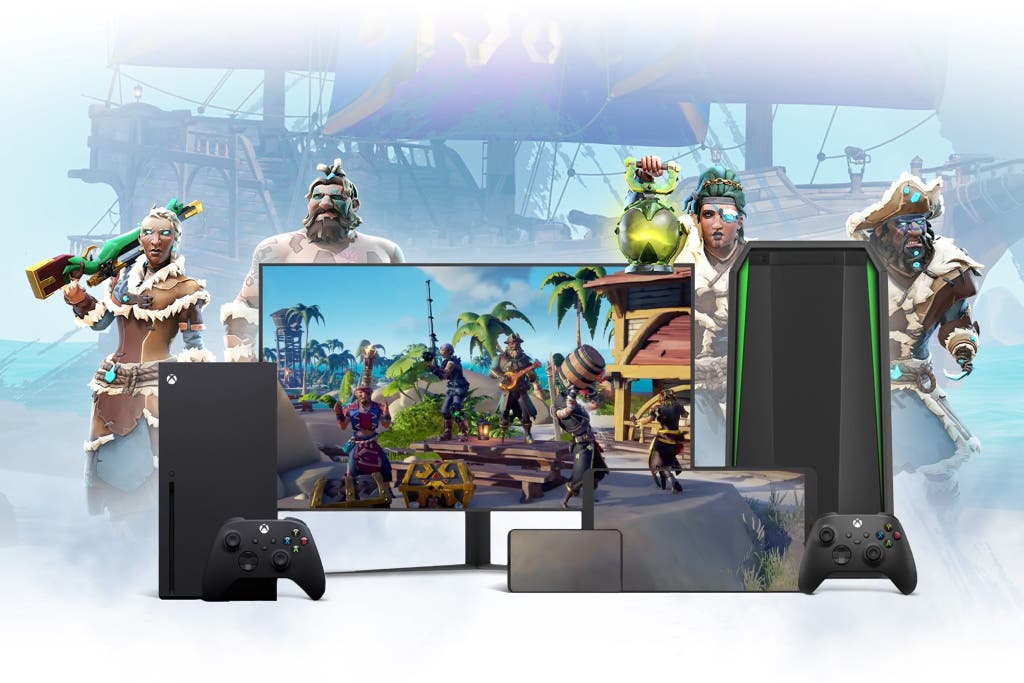
Integrated into the Xbox Game Pass Ultimate subscription, this remains the most convenient "all-you-can-eat" service. While it lacks the 4K/240FPS punch of Nvidia's Ultimate tier, it includes a massive library of games.
Amazon Luna
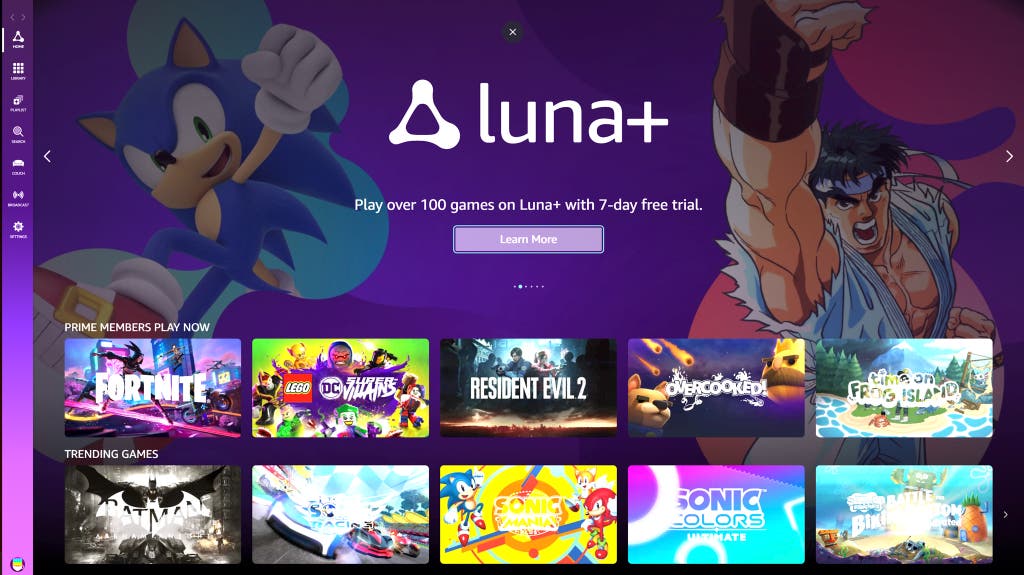
Luna is increasingly attractive for Prime members, offering a rotating selection of games at no extra cost. Its integration with GOG and Ubisoft allows you to play games you already own, similar to GeForce NOW, but with a different server architecture.
Shadow PC
For those who need a "full desktop" experience, Shadow PC provides a dedicated Windows machine in the cloud. There are no hourly limits, but the monthly cost is significantly higher (often starting at $30+), making it a niche choice for power users who also need the machine for productivity.
Boosteroid
An independent service gaining massive traction in Europe and North America. Boosteroid has been aggressive in securing library rights and currently does not impose the same type of hourly caps as Nvidia's new policy, making it the "dark horse" for 2026.

Conclusion: The Future of the GeForce NOW Ecosystem
The introduction of the 100-hour limit is a sobering reminder that "the cloud" is simply someone else's expensive computer. Nvidia is moving toward a more transparent, usage-based model that reflects the reality of hardware and energy costs in an AI-centric world.
For the "Performance" user, the value remains high. For the "Ultimate" user, you are still getting 4080-level performance for a fraction of the hardware cost, even if you have to buy an extra block of time once in a while. GeForce NOW remains the "Killer App" for cloud gaming because of its low latency and visual fidelity, but the "unlimited" honeymoon is over. As consumers, we must now decide if 100 hours of peak performance is worth the management of a monthly "time budget."
FAQ
Q: What happens if I reach 100 hours in the middle of a game? A: Nvidia will provide notifications as you approach your limit. If you hit the cap, you will likely be prompted to purchase a 15-hour block to continue playing, or you may be relegated to the Free tier (with its associated wait times and 1-hour limits) until your next billing cycle begins.
Q: Can I buy more than one 15-hour block? A: Yes, Nvidia has indicated that users can purchase additional blocks as needed. However, these blocks do not currently have the same carryover rules as the base 100 hours.
Q: If I upgrade from Performance to Ultimate mid-month, how are my hours calculated? A: Nvidia usually pro-rates subscriptions. In 2026, it is expected that your 100-hour "pot" will remain the same, but your overage costs and hardware access will adjust to the new tier's pricing.
Check Your GeForce NOW Membership Status →
Final Verdict: If you are a casual to moderate gamer, this change is a non-issue. If you are in the 6% of power users, it’s time to start tracking your "screen time" or consider if a local hardware investment makes more sense for your 2026 budget.